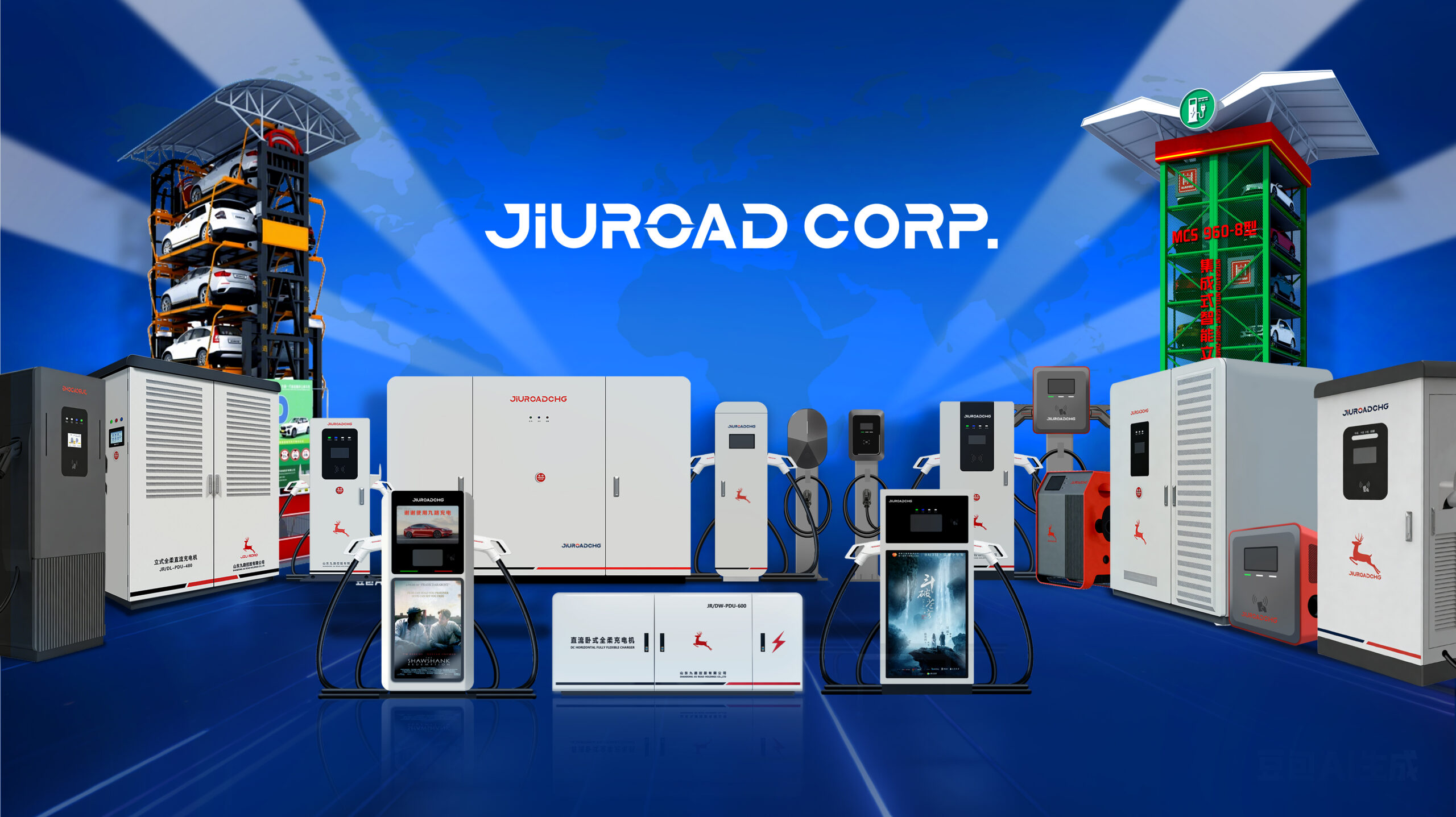
High-density urban areas face significant grid bottlenecks that hinder the expansion of electric vehicle (EV) charging infrastructure. Public Charging Point Operators (CPOs) must collaborate with local utilities and stakeholders to address these challenges effectively. By leveraging data analytics and implementing innovative technologies, CPOs can enhance system efficiency and optimize charging solutions. However, the complexity of regulatory frameworks and funding mechanisms demands a strategic approach. What innovative partnerships could emerge to transform this landscape?
Key Takeaways
- Collaborate with local utilities to assess grid capacity and identify critical infrastructure investment areas for enhanced EV charging solutions.
- Implement data analytics and innovative technologies to pinpoint urban grid bottlenecks and optimize charging station distribution.
- Advocate for regulatory compliance and streamlined permitting processes to facilitate rapid deployment of charging infrastructure in high-density areas.
- Engage in stakeholder partnerships to align policies, share data, and enhance resource allocation for public CPOs.
- Prioritize strategic site selection by focusing on accessibility, existing infrastructure, and proximity to high-traffic areas to boost user convenience.
Identifying Urban Grid Bottlenecks and Their Impact on EV Charging
Urban grid bottlenecks present significant obstacles to the efficient deployment of electric vehicle (EV) charging infrastructure. As urban grid dynamics evolve, understanding these limitations becomes vital for effective planning. Factors such as outdated electrical networks, insufficient capacity, and uneven distribution of charging stations hinder the growth of the EV ecosystem. Addressing these charging infrastructure limitations requires a collaborative approach, engaging public utilities, city planners, and technology providers. By leveraging data analytics and adopting innovative technologies, stakeholders can identify essential bottlenecks, enabling targeted upgrades and expansions. Solutions such as integrating renewable energy sources or implementing smart grid technologies can enhance capacity, improving service resilience. Ultimately, a focused effort to resolve grid bottlenecks will facilitate the seamless integration of EVs into urban environments, supporting sustainable transportation goals.
The Critical Need for Accessible EV Charging Solutions
As the demand for electric vehicles continues to rise, ensuring widespread accessibility to EV charging solutions becomes essential for fostering a sustainable transportation ecosystem. Public engagement and community outreach are key to identifying specific needs and preferences among urban populations. Accessibility initiatives must prioritize charging equity, facilitating access for all residents, including marginalized communities. Effective urban planning should integrate charging infrastructure into existing landscapes, promoting seamless user experience. Stakeholder collaboration among public agencies, private companies, and community organizations is critical to developing practical solutions. In addition, policy advocacy plays an important role in securing funding and support for these initiatives. By addressing accessibility, urban planners can create an inclusive charging network that benefits the entire community and supports the broader shift to electric mobility.
Exploring Smart Charging Strategies to Maximize Efficiency
How can cities leverage smart charging strategies to enhance the efficiency of electric vehicle (EV) infrastructure? Implementing dynamic pricing for EV charging can incentivize users to charge vehicles during off-peak hours, thereby alleviating grid stress. This approach not only optimizes energy consumption but also stabilizes electricity prices. Additionally, integrating vehicle-to-grid (V2G) technology enables EVs to return stored energy to the grid during peak demand, further promoting grid resilience. Collaborative partnerships among public utilities, charging point operators (CPOs), and city planners can facilitate the development of smart charging networks. Such initiatives can provide flexible solutions that enhance the overall efficiency of urban EV infrastructure while maximizing resources, ultimately benefiting both consumers and the environment.
How Energy Storage Solutions Can Ease Grid Pressures
Energy storage solutions present significant advantages in alleviating grid pressures, particularly in urban settings. Their integration with renewable energy sources can enhance grid reliability and support demand response strategies, ultimately leading to improved energy management. By fostering collaboration among stakeholders, these solutions can optimize resource utilization and advance sustainable urban development.
Benefits Of Energy Storage
Significant advantages arise from implementing energy storage solutions in urban public charging point operations. These solutions enhance grid stability by providing backup power during peak demand and enable effective energy management through peak shaving techniques. Utilizing advanced battery technology, operators can achieve considerable cost savings, which can be further augmented via policy incentives. Eco-friendly solutions align with sustainability goals, ensuring that urban environments are greener. The scalability options available with energy storage systems allow for integration into varied public charging infrastructures. Collaborative approaches will enable the development and deployment of autonomous systems for efficient energy delivery.
| Benefit | Description | Impact |
|---|---|---|
| Cost Savings | Reduced energy costs | Financial efficiency |
| Grid Stability | Smoother energy supply | Enhanced reliability |
| Backup Power | Energy during outages | Increased resilience |
| Peak Shaving | Lower peak demand | Mitigated strain on grid |
Integration With Renewable Sources
The integration of renewable energy sources into urban public charging point operations presents a dynamic opportunity to alleviate grid pressures. By harnessing solar synergies and wind energy, public charging point operators can enhance energy resilience and contribute to grid optimization. Implementing hybrid systems that combine energy storage solutions with renewable integration enables more efficient use of existing charging infrastructure. Policy incentives further support the scalability of these sustainability practices, promoting widespread adoption. As cities increasingly focus on carbon reduction, the strategic partnership between renewable sources and energy storage can facilitate enhanced performance of urban CPOs while addressing critical grid challenges. This collaborative approach underscores the critical role of innovative energy solutions in creating sustainable urban environments.
Demand Response Strategies
While urban public charging point operators face the challenge of fluctuating energy demands, demand response strategies utilizing energy storage solutions present a viable method for alleviating grid pressures. By integrating energy storage systems, operators can store excess energy during off-peak hours, mitigating instabilities during peak usage times. This approach aligns with dynamic pricing models, incentivizing users to charge their vehicles during lower-demand periods, thereby enhancing economic efficiency. Additionally, fostering consumer engagement through educational initiatives enables users to make informed decisions, maximizing the benefits of these strategies. Collaborative efforts among public charging point operators, utility providers, and policymakers can further refine these solutions, ensuring that high-density urban areas can efficiently meet the needs of electric vehicle users while maintaining grid stability.
Partnering With Local Utilities for Enhanced Infrastructure
Collaborating with local utilities presents a strategic opportunity to enhance urban infrastructure for public Charge Point Operators (CPOs). By conducting thorough grid capacity assessments, stakeholders can identify critical areas for joint infrastructure investments that alleviate existing bottlenecks. Strengthening these partnerships not only optimizes resource allocation but also fosters a unified approach to sustainable urban energy solutions.
Strengthening Utility Collaborations
Recognizing the critical role local utilities play in the development of urban public charging infrastructure, stakeholders are increasingly focused on establishing strategic partnerships that enhance grid resilience and capacity. Collaborative projects among utilities, public charging operators (CPOs), and municipalities facilitate effective resource allocation and policy alignment. By emphasizing data sharing, these partnerships can drive joint planning efforts that create infrastructure synergies.
| Collaboration Aspect | Benefit |
|---|---|
| Utility Incentives | Enhanced investment |
| Stakeholder Engagement | Improved communication |
| Resource Allocation | Efficient deployment |
Strengthening utility collaborations empowers CPOs to address urban challenges and supports a sustainable shift to electrified transportation. Ultimately, these alliances will foster a robust charging network adaptable to ever-evolving urban landscapes.
Grid Capacity Assessments
Effective grid capacity assessments are fundamental for urban public charging operators (CPOs) aiming to enhance infrastructure alongside local utilities. A collaborative approach to these assessments involves accurate grid demand forecasting, which helps identify peak usage periods and potential overloads. By working together, CPOs and utility partners can effectively analyze current grid conditions and predict future demands, ensuring that infrastructure investment strategies align with urban growth projections. This synergy not only enables targeted interventions but also optimizes the allocation of resources, minimizing costs while maximizing efficiency. Ultimately, through rigorous grid capacity assessments, public CPOs can facilitate a sustainable energy future, ensuring that urban electric vehicle charging needs are met without straining existing grid capabilities.
Joint Infrastructure Investments
While urban public charging operators (CPOs) face the growing challenge of meeting electric vehicle demand, partnering with local utilities emerges as a strategic solution to enhance infrastructure. Such infrastructure collaboration enables CPOs to address bottlenecks through joint funding initiatives. This synergy can lead to numerous benefits:
- Cost Sharing: Collaborative investments reduce individual financial burdens, making large-scale projects more feasible.
- Resource Optimization: Utilities bring technical expertise and existing infrastructure, facilitating faster deployment of charging stations.
- Enhanced Grid Resilience: Joint efforts guarantee systems can handle increased electrical loads as more EVs hit the road.
How to Make the Most of Demand Response Programs?
To optimize the benefits of demand response programs, organizations must first understand the dynamic interplay between energy consumption and grid stability. Implementing dynamic pricing can motivate consumer engagement, encouraging participation through behavioral incentives. This approach allows for effective peak shaving, managing peak demand by shifting consumption patterns. Additionally, load forecasting models support accurate predictions, enabling organizations to align energy supply with real-time demand. Technology adoption is essential, as automated systems streamline operations, facilitating more responsive energy usage. Moreover, offering flexible tariffs encourages customers to modify their consumption habits during peak periods. Regular energy audits provide insights to enhance program effectiveness, ultimately driving both sustainability and economic feasibility in high-density urban contexts. By collaborating with stakeholders, these strategies can notably improve demand response outcomes.
Integrating Renewable Energy Into EV Charging Networks
As the demand for electric vehicle (EV) charging networks rises, integrating renewable energy sources becomes essential for enhancing sustainability and grid resilience. Collaborative efforts among public charging point operators (CPOs) can drive renewable integration and energy diversification, providing a multi-faceted approach to electrifying transportation.
Effective strategies include:
- Solar canopies: Installing solar panels at charging stations to harness energy directly from the sun.
- Wind turbines: Sourcing energy from local wind farms to complement grid power during peak demand.
- Energy storage systems: Utilizing batteries to store excess renewable energy, ensuring a consistent power supply even during low production periods.
Effective Load Management Techniques for Urban Charging
Effective load management is essential for optimizing urban charging infrastructure, particularly in high-demand scenarios. By implementing smart charging solutions and demand response strategies, urban public charge point operators can greatly enhance energy efficiency while minimizing grid strain. Collaborative efforts in these areas will enable more reliable access to charging stations for electric vehicle users, ultimately supporting the shift to sustainable transportation.
Smart Charging Solutions
Key benefits include:
- Load Balancing: Smart charging can distribute energy demand across different times, mitigating peak load impacts.
- Cost Efficiency: Dynamic pricing incentivizes users to charge during off-peak hours, reducing overall energy costs for both CPOs and consumers.
- Enhanced Grid Stability: Automated systems allow real-time monitoring and adjustments, ensuring that the electrical grid remains stable amid fluctuating demand.
Demand Response Strategies
Demand response strategies represent an essential component of effective load management for urban public charging infrastructure. By leveraging load flexibility, these strategies enable the dynamic adjustment of electric vehicle (EV) charging based on grid conditions and user demand. Public Charge Point Operators (CPOs) can implement demand response programs that incentivize users to charge during off-peak hours or allow for automated charging rate adjustments during peak demand periods. Collaborating with utility companies guarantees that CPOs can optimize energy consumption and minimize strain on the grid. This approach not only enhances the reliability of charging infrastructure but also promotes sustainability by integrating renewable energy sources. Ultimately, demand response strategies foster a more resilient and efficient urban charging ecosystem.
Building Community Partnerships for EV Charging Success
Collaboration among various community stakeholders is essential for the successful implementation of electric vehicle (EV) charging infrastructure. Building effective community partnerships can enhance public awareness and foster robust community engagement. By actively involving local organizations, residents, and businesses, public Charge Point Operators (CPOs) can guarantee sustainable outcomes. Key strategies include:
- Engaging Local Governments: Collaborate with municipal authorities to align charging solutions with urban planning goals.
- Leveraging Community Organizations: Partner with nonprofits and local groups to bolster outreach efforts and educational programs on EV benefits.
- Involving Residents: Create forums for public input to address community needs and preferences regarding charging locations.
Through these partnerships, public CPOs can effectively navigate urban complexities and promote an eco-friendly transportation future.
Navigating Regulatory Challenges for Effective Infrastructure
As urban public Charge Point Operators (CPOs) seek to expand electric vehicle (EV) charging infrastructure, steering through the intricate web of regulatory challenges becomes paramount. Maneuvering regulatory frameworks involves understanding zoning regulations and engaging in permitting processes that often pose compliance challenges. Collaborative efforts through public-private partnerships can facilitate infrastructure development and contribute to the creation of incentive programs that encourage EV adoption. Community engagement is essential, as it mitigates opposition and promotes local understanding of the benefits of charging stations.
| Challenge | Solution |
|---|---|
| Regulatory Compliance | Collaborate with local governments |
| Zoning Regulations | Advocate for supportive policies |
| Permitting Processes | Streamline application processes |
Best Practices for Strategic Charging Site Selection
Strategic site selection for EV charging stations is essential for maximizing accessibility and utilization. Effective planning should incorporate several best practices that address site location criteria and comply with zoning regulations.
- Proximity to High Traffic Areas: Sites near shopping centers, workplaces, and public transport hubs enhance visibility and encourage usage.
- Assessment of Electrical Infrastructure: Evaluating existing electrical capacity guarantees that the site can support the anticipated demand for charging.
- Compliance with Local Zoning Regulations: Collaborating with local authorities assures that selected locations meet all necessary regulatory requirements, avoiding delays and potential legal issues.
Future Trends in EV Charging and Grid Resilience
While the EV charging landscape continues to evolve, emerging trends are shaping how grid resilience can be enhanced to support the increasing demand for electric vehicles. Future technology plays a pivotal role in this transformation, particularly through innovations like smart charging systems and vehicle-to-grid (V2G) applications. These solutions allow for dynamic energy distribution, optimizing grid load during peak charging periods. Improved charging infrastructure, including fast-charging stations and distributed energy resources, will further alleviate stress on urban grids, promoting reliability and sustainability. Collaborative efforts among public CPOs, utility providers, and technology developers are essential to create integrated frameworks that facilitate the deployment of these advancements, ensuring that urban centers are equipped to manage the escalating energy demands of electric vehicles effectively.
Conclusion
In summary, while the theory posits that overcoming grid bottlenecks in high-density urban areas is insurmountable, collaborative efforts among public CPOs, local utilities, and community stakeholders reveal a pathway forward. By leveraging data analytics, smart charging technologies, and energy storage solutions, these entities can not only enhance infrastructure resilience but also guarantee equitable access to EV charging. This multi-faceted approach not only addresses current challenges but also positions urban areas for sustainable growth in the electric vehicle ecosystem.