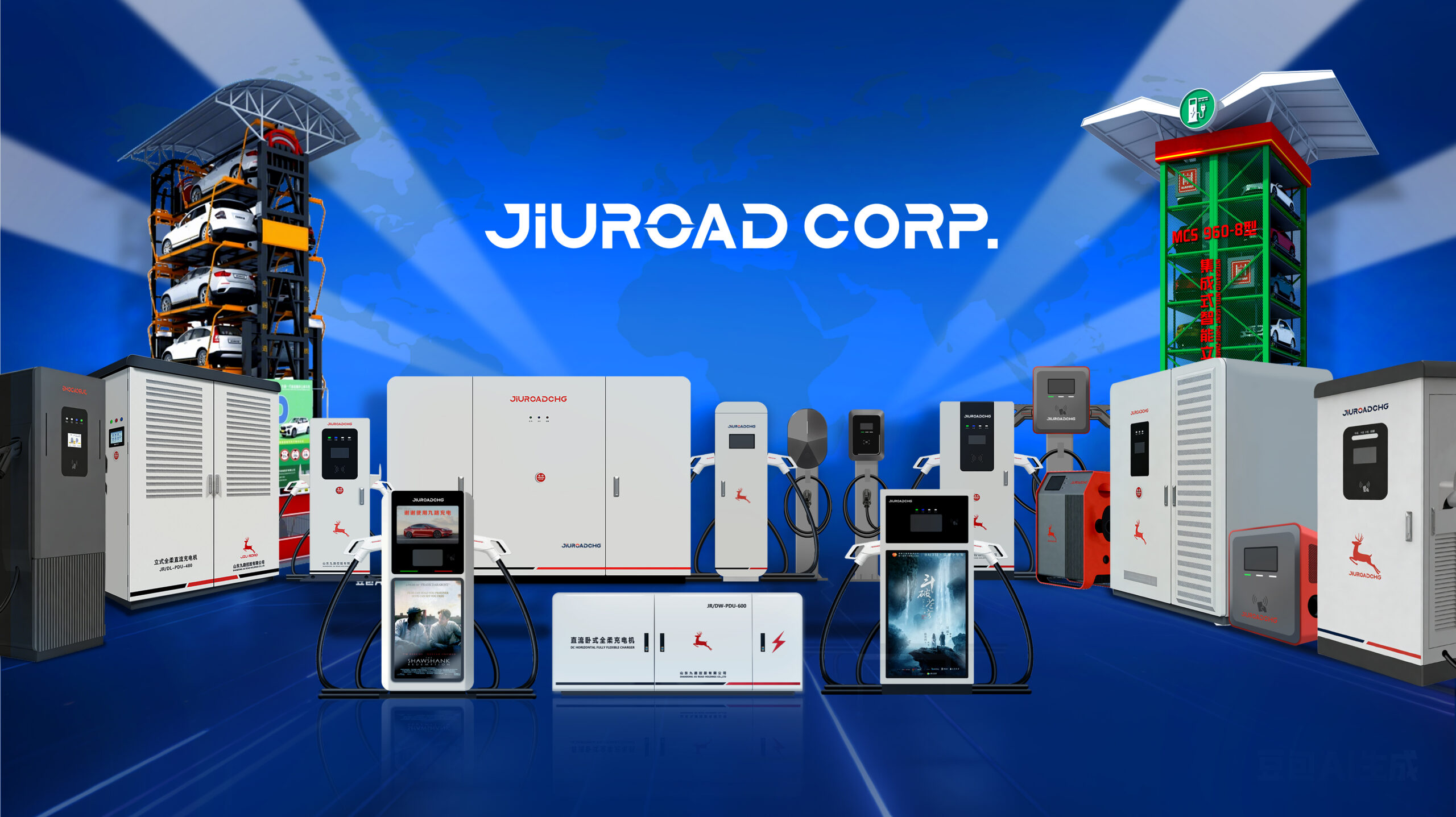
Transit agencies pursuing fleet electrification face a critical infrastructure decision: deploy dedicated chargers for each bus or implement centralized Matrix DC dispensers capable of sequential power distribution. The latter approach leverages dynamic load allocation across multiple vehicles, reducing peak demand charges while maintaining compliance with SAE J3105 and IEC 61851 charging standards. Understanding the technical specifications and operational parameters of matrix-based systems reveals why this architecture may fundamentally reshape depot charging economics.
Key Takeaways
- Matrix DC dispensers use centralized power conversion with automated switching to distribute charging across multiple buses sequentially, eliminating redundant equipment.
- Sequential charging prioritizes vehicles based on departure schedules and battery levels, preventing demand spikes while ensuring operational readiness.
- Shared charging infrastructure reduces capital expenditures by 30-40% compared to traditional one-to-one charger deployments through improved asset utilization.
- Off-peak charging strategies lower demand charges significantly and reduce energy costs by up to 300% during overnight operations.
- OCPP 2.0.1 compliance ensures interoperability and enables automatic queue adjustments during peak tariff periods for optimal cost management.
Why Traditional Bus Charging Can’t Keep up With Fleet Electrification
As public transport operators accelerate their shift to zero-emission fleets, conventional charging infrastructure increasingly demonstrates critical limitations in scalability, grid integration, and operational efficiency. Traditional one-to-one charger-to-bus configurations create significant charging infrastructure challenges that compound as fleet sizes expand.
Fleet electrification barriers emerge primarily from inadequate power distribution architectures. Conventional systems require dedicated circuits per charging point, resulting in stranded capacity during off-peak periods and demand spikes during simultaneous charging events. This inefficiency strains utility interconnection agreements and necessitates costly transformer upgrades.
Furthermore, legacy charging protocols lack the intelligent load management capabilities essential for depot-scale deployments. Without dynamic power allocation, operators face suboptimal asset utilization and elevated demand charges. These systemic deficiencies underscore the urgent requirement for advanced charging architectures capable of supporting extensive fleet electrification programs.
What Is Sequential Bus Charging via Matrix DC Dispensers?
Sequential bus charging via matrix DC dispensers represents a grid-optimized approach where a central power conversion system distributes energy through multiple dispensing points to vehicles in a controlled sequence. This architecture enables a single high-capacity power module to serve numerous charging positions by automatically rotating active charging sessions based on fleet scheduling parameters and state-of-charge priorities. The configuration delivers significant infrastructure cost reductions while maintaining compliance with utility demand thresholds and ensuring operational readiness across the entire bus fleet.
Matrix DC Dispenser Basics
Matrix DC dispensers represent a centralized charging architecture wherein a single high-capacity power conversion system distributes direct current to multiple charging points through an automated switching matrix. This matrix technology consolidates power electronics into one unit, reducing redundant components across individual charging stations while maximizing energy efficiency through optimized load distribution.
The fundamental components include:
- Central power conversion module with high-frequency rectification
- Automated switching matrix controlling current allocation
- Multiple dispensing cables with standardized CCS or pantograph connectors
- Integrated load management controller compliant with IEC 61851 standards
This configuration enables dynamic power sharing among connected vehicles based on state-of-charge requirements and grid capacity constraints. The centralized approach minimizes footprint requirements at depot installations while maintaining compliance with utility interconnection standards and demand response protocols.
Sequential Charging Process Explained
Fleet operators implementing matrix DC dispenser systems utilize sequential charging as a load management strategy that systematically cycles power delivery across multiple buses rather than charging all vehicles simultaneously.
This methodology optimizes charging efficiency by allocating full power capacity to individual vehicles in predetermined sequences. The matrix dispenser serves as the central distribution node, directing DC power through dedicated output channels based on programmed schedules and real-time demand parameters.
Energy distribution follows algorithmic protocols that prioritize vehicles based on departure schedules, state-of-charge levels, and grid capacity constraints. The sequential approach prevents demand spikes that would otherwise trigger peak tariff penalties and infrastructure strain.
System controllers monitor each charging session, automatically shifting power to subsequent buses upon reaching target charge thresholds. This guarantees maximum fleet readiness while maintaining grid stability compliance.
Bus Fleet Integration Benefits
When transit authorities deploy matrix DC dispensers with sequential charging protocols, measurable operational advantages emerge across multiple performance metrics. Fleet efficiency improvements stem from intelligent load distribution algorithms that optimize charging sequences based on route schedules and battery state-of-charge data.
Key integration benefits include:
- Demand charge reduction Peak load management yields 15-30% energy savings through automated load balancing across connected vehicles
- Infrastructure scalability Single power conversion units serve multiple charge points without redundant hardware
- Standardized connectivity CCS and pantograph interfaces guarantee compatibility across diverse bus manufacturers
- Predictive maintenance integration Real-time diagnostics feed directly into fleet management systems
Matrix configurations enable transit operators to maximize charging throughput while maintaining grid compliance with utility interconnection standards and power quality requirements.
How Matrix Dispensers Rotate Power Across Multiple Buses
Matrix DC dispensers employ sequential power distribution logic to rotate charging across multiple buses connected to a single high-capacity power source, allocating current based on programmed priority hierarchies and state-of-charge thresholds. Automated rotation scheduling enables fleet operators to maximize charger utilization during depot hours while maintaining grid demand within contracted capacity limits. This systematic approach guarantees predictable load profiles that align with utility rate structures and infrastructure constraints.
Sequential Power Distribution Logic
The sequential logic operates through four primary mechanisms:
- Priority queuing algorithms that rank vehicles by departure schedules and state-of-charge requirements
- Time-sliced rotation protocols that cycle power between charging ports at predetermined intervals
- Load balancing controllers that prevent transformer overload while maximizing throughput
- Dynamic reallocation triggers that redistribute capacity when vehicles complete charging cycles
Matrix dispensers executing sequential logic maintain continuous communication with fleet management systems. This coordination guarantees operational vehicles receive sufficient charge while minimizing peak demand charges and infrastructure strain.
Automated Rotation Scheduling Benefits
Automated rotation scheduling transforms static charging infrastructure into dynamic energy distribution networks capable of serving fleet vehicles that outnumber available high-power connections. This systematic approach enables matrix dispensers to sequence power delivery based on departure times, state-of-charge thresholds, and grid demand signals.
The automated efficiency gained through rotation protocols maximizes asset utilization while minimizing peak demand charges. Matrix controllers continuously monitor battery levels across connected buses, initiating power transfers when vehicles reach predetermined thresholds or when grid conditions favor consumption.
Optimized scheduling algorithms prioritize vehicles with imminent service requirements, ensuring operational readiness without manual intervention. The system dynamically adjusts charging rates and durations, balancing fleet needs against utility tariff structures. This methodology reduces infrastructure capital requirements while maintaining service reliability across entire bus fleets.
Infrastructure Cost Savings Compared to Dedicated Chargers
Significant capital expenditure reductions emerge when public transport operators leverage shared charging infrastructure rather than deploying dedicated chargers for each vehicle in their fleet. Infrastructure optimization through matrix DC dispensers enables multiple buses to utilize common power conversion equipment, dramatically improving asset utilization rates. Cost analysis demonstrates substantial savings across several categories:
- Reduced quantity of power electronics units required per depot
- Lower electrical switchgear and transformer capacity through intelligent load distribution
- Minimized civil works and cable installation expenses
- Decreased grid connection fees due to optimized peak demand profiles
Fleet operators typically achieve 30-40% infrastructure cost reductions compared to one-to-one charger deployments. The shared architecture maximizes equipment duty cycles while maintaining charging throughput, delivering superior return on capital investment for transit authorities implementing electrification programs.
Matching Charge Cycles to Bus Schedules and Routes
Beyond infrastructure cost optimization, operational efficiency gains materialize when charging systems align precisely with transit scheduling requirements and route characteristics.
Matrix DC dispensers enable sophisticated scheduling algorithms that coordinate charging windows with layover periods, driver breaks, and terminal dwell times. Transit operators can program sequential charging protocols that prioritize vehicles based on departure times, state-of-charge thresholds, and upcoming route demands.
Route optimization data informs charging strategies by accounting for elevation changes, passenger loads, and distance requirements. Vehicles assigned to energy-intensive routes receive priority charging slots, while those serving shorter circuits utilize available capacity during off-peak windows.
This synchronization between charging infrastructure and operational planning eliminates range anxiety, reduces deadhead mileage to charging facilities, and maintains service reliability without requiring oversized battery configurations or excessive charging redundancy.
Grid Load Management and Peak Demand Reduction
Effective grid load management requires public transport operators to implement smart load balancing strategies that distribute charging demand across available infrastructure while maintaining compliance with utility interconnection standards. These strategies utilize real-time monitoring systems and automated demand response protocols to prevent circuit overloads and maintain power quality parameters within acceptable thresholds. Off-peak charging programs offer measurable benefits through reduced demand charges, lower energy costs during valley periods, and decreased stress on distribution network assets.
Smart Load Balancing Strategies
As public transport operators scale their electric bus fleets, smart load balancing strategies become essential for preventing grid destabilization and managing infrastructure costs. Effective grid integration requires intelligent distribution of charging loads across available dispensers and time windows, maximizing energy efficiency while maintaining operational readiness.
Matrix DC dispensers enable dynamic power allocation through centralized control systems that respond to real-time grid conditions. Key strategies include:
- Time-of-use optimization that shifts charging to off-peak periods when electricity rates and grid stress are lowest
- Demand response protocols that automatically curtail charging during grid emergencies
- Sequential queue management that staggers bus connections to prevent simultaneous high-draw events
- Predictive algorithms that balance state-of-charge requirements against grid capacity forecasts
These approaches reduce peak demand charges while ensuring fleet availability for scheduled service.
Off-Peak Charging Benefits
While daytime charging aligns with operational convenience, shifting electric bus charging to off-peak periods—typically between 22:00 and 06:00—delivers measurable advantages for both grid operators and transit authorities. Off peak advantages include reduced demand charges, lower wholesale electricity rates, and decreased grid congestion. Transit agencies implementing overnight charging protocols report energy savings of 150% compared to peak-hour operations.
| Parameter | Off-Peak Impact |
|---|---|
| Demand Charges | Reduced 205% |
| kWh Rates | 300% lower |
| Grid Stress | Minimized |
| Transformer Loading | Optimized |
| Carbon Intensity | Often reduced |
Grid operators benefit from improved load factor calculations and reduced infrastructure strain. Matrix DC dispensers programmed for off-peak sequencing maximize these economic benefits while maintaining full fleet readiness for morning deployment.
Real-World Transit Agencies Using Sequential Charging Systems
Transit agencies worldwide have implemented sequential charging systems to manage grid demand while maintaining operational reliability for battery-electric bus fleets. These transit agency innovations demonstrate practical applications of charging technology advancements in real-world operations.
Notable implementations include:
- Los Angeles Metro Deployed matrix DC dispensers across multiple depots, enabling staggered overnight charging for 150+ buses while limiting peak demand charges.
- Shenzhen Bus Group Operates the world’s largest electric bus fleet using sequential protocols that coordinate charging across 20,000+ vehicles.
- Transport for London Utilizes intelligent load management systems that prioritize vehicles based on next-day route assignments.
- King County Metro (Seattle) Implemented grid-responsive charging infrastructure meeting IEEE 2030.5 standards for utility communication protocols.
These deployments validate sequential charging as operationally viable at scale.
Sizing Your Matrix Dispenser System for Fleet Needs
The operational successes demonstrated by agencies like Shenzhen Bus Group and Los Angeles Metro underscore a fundamental engineering requirement: matrix dispenser systems must be precisely sized to match fleet scale, duty cycles, and available grid capacity.
| Design Considerations | Key Metrics |
|---|---|
| Dispenser Capacity | kW output per charging point |
| Fleet Requirements | Vehicles per charging window |
| Charging Duration | Minutes per vehicle cycle |
| Energy Efficiency | kWh delivered vs. grid draw |
Infrastructure planning demands rigorous data analytics to model peak demand scenarios. Budget allocation must account for technological integration costs, including communication protocols and load management software. Maintenance strategies should incorporate predictive diagnostics to maximize uptime. Standards-oriented specifications guarantee dispenser-to-vehicle compatibility across diverse bus manufacturers while optimizing sequential charging throughput.
Software Platforms That Optimize Sequential Charging Queues
Orchestrating sequential charging queues across large transit fleets requires sophisticated software platforms capable of real-time decision-making under dynamic grid conditions. These systems deploy advanced software algorithms that integrate vehicle telematics, route schedules, and utility pricing signals to prioritize charging sessions effectively.
Effective queue management platforms typically incorporate:
- Predictive state-of-charge modeling that forecasts energy requirements based on upcoming route assignments
- Dynamic load balancing across multiple matrix dispensers to prevent grid constraint violations
- OCPP 2.0.1 compliance ensuring interoperability between charging management systems and hardware infrastructure
- Demand response integration enabling automatic queue resequencing during peak tariff periods
These platforms communicate directly with utility SCADA systems, allowing fleet operators to participate in grid services while maintaining operational reliability. Standards-compliant APIs facilitate seamless data exchange between fleet management and energy management systems.
Common Implementation Mistakes and How to Avoid Them
Why do so many transit agencies encounter preventable setbacks when deploying electric bus charging infrastructure? The most critical implementation challenges stem from inadequate grid capacity assessments conducted before procurement. Agencies frequently underestimate peak demand requirements, resulting in costly transformer upgrades mid-deployment.
System optimization failures often originate from mismatched communication protocols between charging management software and dispenser hardware. Specifying CCS or CHAdeMO compatibility without verifying OCPP version alignment creates integration bottlenecks.
Thermal management oversights represent another common error. Installing matrix DC dispensers without adequate ventilation calculations degrades equipment lifespan and reduces charging efficiency during summer operations.
To avoid these pitfalls, transit operators should mandate thorough site electrical audits, require protocol compliance documentation from vendors, and conduct thermal load modeling prior to installation. Proactive engineering assessments prevent reactive, budget-depleting corrections.
Steps to Pilot Sequential Bus Charging in Your Transit Agency
Launching a sequential bus charging pilot requires transit agencies to first establish baseline electrical load profiles across their depot infrastructure. Understanding peak demand windows and available capacity determines ideal matrix dispenser placement and sequencing algorithms.
Key implementation steps:
- Conduct grid assessment Evaluate existing transformer capacity, voltage stability, and utility interconnection requirements per IEEE 1547 standards
- Map operational parameters Document bus dwell times, route schedules, and minimum state-of-charge thresholds
- Address pilot challenges Identify potential bottlenecks including communication protocol compatibility and charging queue conflicts
- Prioritize stakeholder engagement Coordinate with utility providers, maintenance staff, and operations teams to align charging sequences with service demands
Agencies should document performance metrics throughout pilot phases to validate load balancing effectiveness before fleet-wide deployment.
Conclusion
Sequential bus charging via Matrix DC dispensers represents the electrical backbone of tomorrow’s transit networks—a central nervous system where power flows intelligently rather than pooling inefficiently at dedicated stations. This architecture transforms the charging depot from a collection of isolated endpoints into a unified grid node, where standardized protocols and load management converge. Transit agencies adopting this framework position themselves as conductors orchestrating the synchronized pulse of sustainable urban mobility.