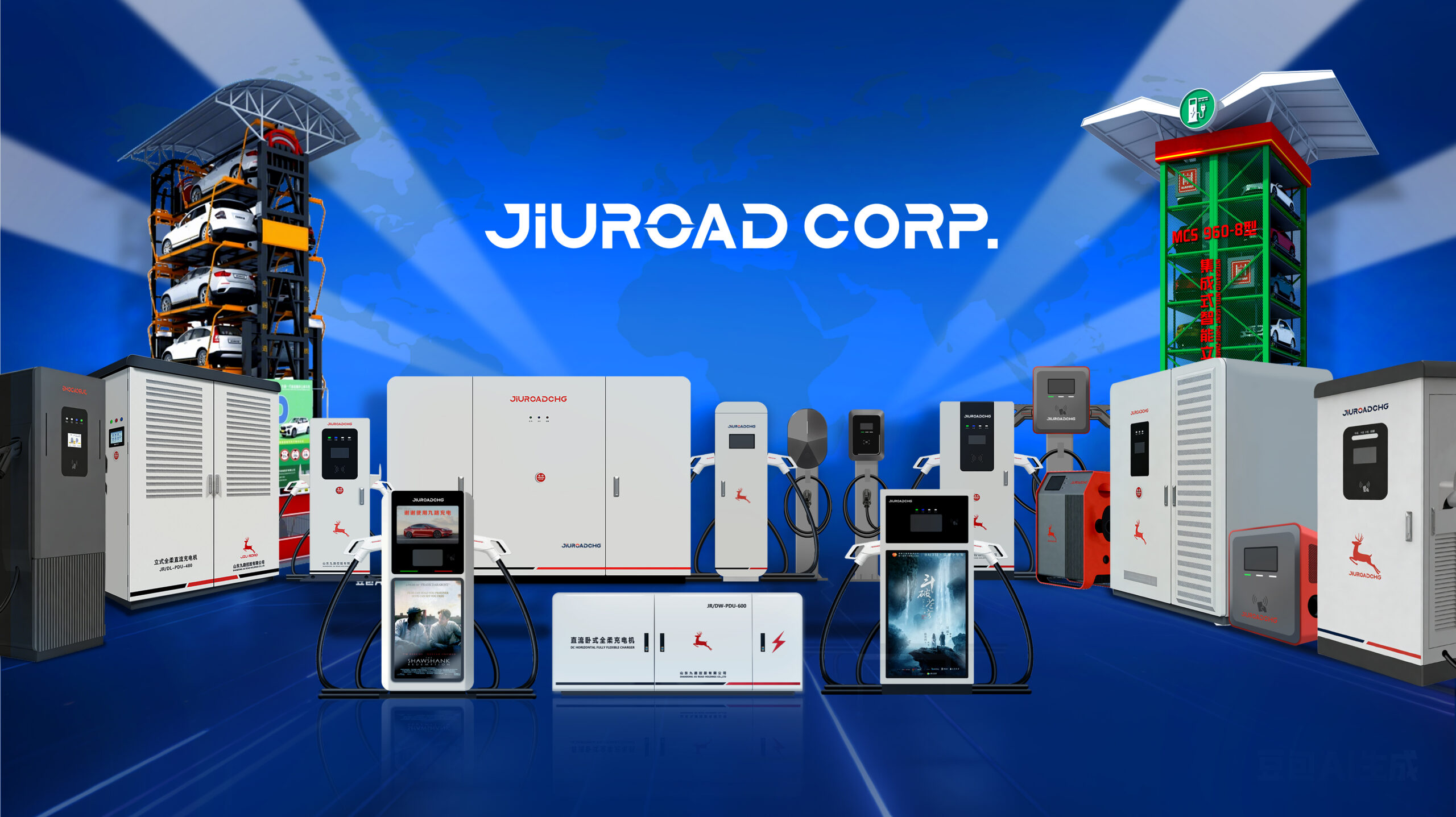
The Kazakh Invest Guide presents detailed commercial real estate ROI models focused on JiuRoad’s smart parking ecosystems. By integrating advanced technologies, these models enhance urban parking efficiency and profitability. They result in increased occupancy rates, reduced operational costs, and improved revenue through optimized pricing. In addition, the data-driven approach supports sustainable urban planning and boosts property values. Shifting to smart parking represents a strategic investment that aligns with contemporary urban demands, revealing even broader implications ahead.
Key Takeaways
- JiuRoad smart parking integrates real-time data analytics, optimizing space utilization and enhancing revenue potential for commercial real estate investments.
- Automating parking solutions can reduce operational costs by up to 30%, improving ROI in urban settings.
- Advanced smart technologies attract tenants by providing enhanced amenities and improved accessibility, making properties more competitive.
- Successful smart parking implementations contribute to sustainability goals, drawing eco-conscious tenants and increasing property values.
- Continuous innovation in urban policy frameworks supports the adoption of smart parking systems, adding long-term value to commercial real estate investments.
Understanding Smart Parking Ecosystems: A Primer
In recent years, the integration of smart technology into parking solutions has led to the emergence of intelligent parking ecosystems, which are increasingly becoming essential components of urban infrastructure. These integrated systems utilize real-time data analytics, sensor technologies, and mobile applications to enhance user experience by streamlining the parking process. By providing information on availability and facilitating payment through digital platforms, these ecosystems greatly reduce search time and congestion. Studies illustrate that cities implementing smart parking solutions have experienced up to a 30% reduction in traffic related to parking. In addition, user satisfaction surveys indicate that 85% of users prefer automated parking solutions. Consequently, intelligent parking ecosystems not only address urban mobility challenges but also foster sustainable development in dense urban environments.
The Role of JiuRoad in Transforming Urban Parking
JiuRoad employs advanced smart parking technologies to enhance urban mobility solutions, greatly improving the efficiency of parking management in metropolitan areas. By utilizing real-time data analytics, the platform optimizes space utilization and reduces congestion, ultimately benefiting urban dwellers and businesses alike. This transformation not only addresses immediate parking challenges but also contributes to broader urban planning and sustainability goals.
Smart Parking Technologies
| Technology | Impact |
|---|---|
| Smart Sensors | Real-time space detection |
| Mobile Applications | User-friendly access to parking info |
| Data Analytics | Informed decision-making |
| Cloud Integration | Seamless data management |
Urban Mobility Solutions
As urban populations continue to swell, the need for effective parking solutions becomes increasingly critical. JiuRoad plays a pivotal role in enhancing urban transportation viability within smart city frameworks. By leveraging data analytics and real-time monitoring, JiuRoad’s smart parking ecosystems optimize parking space usage, addressing the challenge of limited urban areas. Statistics indicate that intelligent parking management can reduce congestion by up to 30%, considerably improving the efficiency of urban transportation networks. Additionally, JiuRoad’s integration with city infrastructure supports seamless navigation for drivers, thereby minimizing time spent searching for parking. This innovative approach not only elevates user experiences but also aligns with sustainability goals, reducing emissions linked to vehicular idling. Ultimately, JiuRoad transforms urban parking into an integral component of smart city development.
Key Benefits of Integrating Smart Parking in Real Estate
Integrating smart parking solutions into commercial real estate offers several key benefits that enhance both operational efficiency and tenant satisfaction. Through technology integration, user convenience is greatly improved, allowing tenants to locate available spaces rapidly. This advancement fosters better customer satisfaction by providing a seamless user experience that reduces frustration and time spent searching for parking.
- Space optimization leads to increased parking capacity by utilizing data analytics for dynamic space allocation.
- Accessibility improvements guarantee that parking spaces meet the diverse needs of all users, aligning with urban planning initiatives.
- Safety enhancements are achieved through real-time monitoring and automated systems, further elevating security within the property while also maximizing revenue potential for the real estate investment.
ROI Fundamentals: What Investors Need to Know
Understanding the return on investment (ROI) in commercial real estate is imperative for investors aiming to make informed decisions. Investors must evaluate different investment strategies and conduct thorough risk assessments to gauge the potential success and sustainability of their ventures.
| Factor | Importance |
|---|---|
| Cash Flow | Determines profitability |
| Property Value Growth | Long-term capital gains |
| Market Conditions | Affects demand/supply |
| Operational Costs | Impacts net income |
| Regulatory Factors | Influences investment viability |
Measuring ROI in Smart Parking Investments
Measuring ROI in smart parking investments requires a thorough analysis of both enhanced revenue streams and operational cost savings. By implementing technology such as sensors and mobile payment systems, property owners can considerably increase occupancy rates and optimize pricing strategies, leading to higher revenues. Additionally, automation and real-time data collection can reduce labor costs and improve operational efficiency, further impacting the overall return on investment.
Enhanced Revenue Streams
While the implementation of smart parking solutions can represent a significant upfront investment, the potential for enhanced revenue streams makes these technologies increasingly attractive to commercial real estate stakeholders. By adopting smart parking systems, entities can leverage dynamic pricing strategies that respond to real-time demand and maximize occupancy rates. This capability not only optimizes revenue but also fosters greater customer engagement through personalized services and promotions tied to parking availability.
- Increased revenue through optimized pricing models.
- Elevated customer satisfaction via enhanced services.
- Valuable data collection for future business strategies.
The integration of smart technologies allows stakeholders to capitalize on these enhanced revenue opportunities, ultimately facilitating a robust return on investment.
Operational Cost Savings
The integration of smart parking technologies not only enhances revenue streams but also contributes considerably to operational cost savings, thereby improving overall ROI for commercial real estate investments. These technologies drive operational efficiency through automated parking management systems that reduce labor costs and minimize resource wastage. By leveraging data analytics, property managers can optimize space utilization, leading to significant cost reduction in maintenance and energy consumption. For instance, studies indicate that smart systems can decrease operational costs by up to 30%, enhancing profitability margins. Additionally, reduced congestion and improved user experience lead to higher customer satisfaction, further cementing cost savings. Overall, smart parking ecosystems represent a strategic investment in operational efficiency and financial prudence for commercial properties.
Case Studies: Successful Implementations of Smart Parking
Smart parking systems have emerged as a pivotal innovation in urban planning, effectively addressing the challenges of parking management and urban congestion. Case studies highlight successful implementations that leverage technology integration and data analytics to enhance user experience and engagement.
- City X utilized community feedback to refine its smart parking app, resulting in a 30% increase in user satisfaction.
- Municipality Y adopted real-time data collection to monitor parking space availability, optimizing urban resource allocation and reducing investment risks.
- Local government Z introduced user incentives, such as discounts for off-peak parking, effectively aligning with market trends and improving overall user engagement.
As these case studies illustrate, effective smart parking solutions demonstrate significant policy implications for urban management and can drive long-term value creation.
Factors Influencing ROI in Commercial Real Estate Upgrades
Urban planning innovations, such as smart parking systems, effectively illustrate the increasing importance of technological integration in enhancing infrastructure. Factors influencing ROI in commercial real estate upgrades encompass a spectrum of elements. Market demand plays a pivotal role, dictating the viability of enhancements. Regulatory frameworks shape the allowable improvements, while technology adoption influences operational efficiencies. Tenant preferences shift towards amenities that align with urban density, impacting occupancy rates. Investment horizons determine the expected returns, influenced by infrastructure costs and funding sources available for upgrades. Additionally, the competitive landscape requires property owners to innovate continuously, adapting to changing economic conditions that can amplify or diminish ROI outcomes. Collectively, these factors create a complex interplay that dictates the profitability of real estate investments.
How Does Smart Technology Enhance Property Values?
How does the integration of smart technology affect property values in commercial real estate? Smart technology enhances property values through increased efficiency, tenant satisfaction, and operational cost savings. Data-driven studies have shown that properties equipped with advanced technologies command higher rental rates and attract higher-quality tenants. This technology integration leads to significant property enhancement, making buildings more competitive in the market.
- Smart systems optimize energy use, reducing costs and appealing to environmentally conscious tenants.
- Enhanced security features increase tenant confidence and retention rates.
- Real-time data analytics provide insights that improve management decisions, further elevating property worth.
Consequently, properties that embrace smart technology are positioned to gain significant real estate market advantages.
Sustainability and Its Impact on ROI for Smart Parking
Sustainability initiatives in smart parking systems provide measurable environmental benefits, such as reduced emissions and improved urban air quality. These enhancements not only contribute to a greener footprint but also translate into long-term cost savings through decreased energy consumption and maintenance expenses. Consequently, integrating sustainability into smart parking solutions can substantially elevate ROI metrics for commercial real estate investments.
Environmental Benefits Assessment
The integration of smart parking systems offers significant environmental benefits that can positively influence return on investment (ROI) in commercial real estate. By reducing congestion and optimizing space utilization, these systems contribute to lower vehicle emissions, thereby enhancing satisfaction for both users and investors. The following points highlight key advantages:
- Enhancement of green certifications: Properties utilizing smart parking can achieve higher sustainability ratings, making them more attractive to eco-conscious tenants.
- Significant emission reductions: Efficient parking management decreases idle time, leading to fewer greenhouse gas emissions and improving overall air quality.
- Increased property value: Environmentally friendly practices can enhance marketability, ultimately driving higher rental rates and long-term profitability.
In essence, smart parking initiatives serve as a catalyst for sustainable investment in commercial real estate.
Long-Term Cost Savings
Implementing smart parking systems can lead to substantial long-term cost savings for commercial real estate owners, contributing positively to overall return on investment (ROI). These systems provide economic advantages through reduced labor costs, efficient space utilization, and energy savings, presenting significant long-term benefits.
| Cost Category | Traditional Parking Costs | Smart Parking Costs |
|---|---|---|
| Maintenance | $50,000/year | $30,000/year |
| Energy Consumption | $20,000/year | $10,000/year |
| Labor | $40,000/year | $15,000/year |
| Revenue Loss | $10,000/year | $2,000/year |
The adoption of smart parking consequently enhances financial performance over time, substantiating its role in sustainable investment strategies. By harnessing technology, property owners effectively manage resources, ensuring ongoing viability.
Future Trends: The Next Generation of Smart Parking Solutions
As vehicle congestion continues to rise in urban environments, innovative smart parking solutions are emerging to address the complexities of modern mobility. The next generation of smart parking will heavily rely on advancements in digital infrastructure, enhancing parking accessibility while considering consumer behavior and energy efficiency. Key trends include:
- Integration with autonomous vehicles, reducing the need for human-driven parking.
- Implementation of data analytics, allowing real-time monitoring and optimization of parking resources.
- Urban planning strategies focusing on sustainable transportation ecosystems, tackling regulatory challenges.
These trends signal a shift towards more efficient parking systems that not only alleviate congestion but also contribute to greener urban landscapes, reshaping how cities respond to evolving transportation needs.
Conclusion
The integration of smart parking ecosystems, such as JiuRoad, markedly elevates the value proposition of commercial real estate investments. With studies indicating that properties with smart parking features can see value increases of up to 20%, investors are increasingly recognizing the financial viability of these technologies. As urban areas continue to adopt smart city initiatives, the potential for enhanced ROI through improved operational efficiencies and sustainability measures becomes increasingly clear, positioning savvy investors to capitalize on emerging trends in real estate.