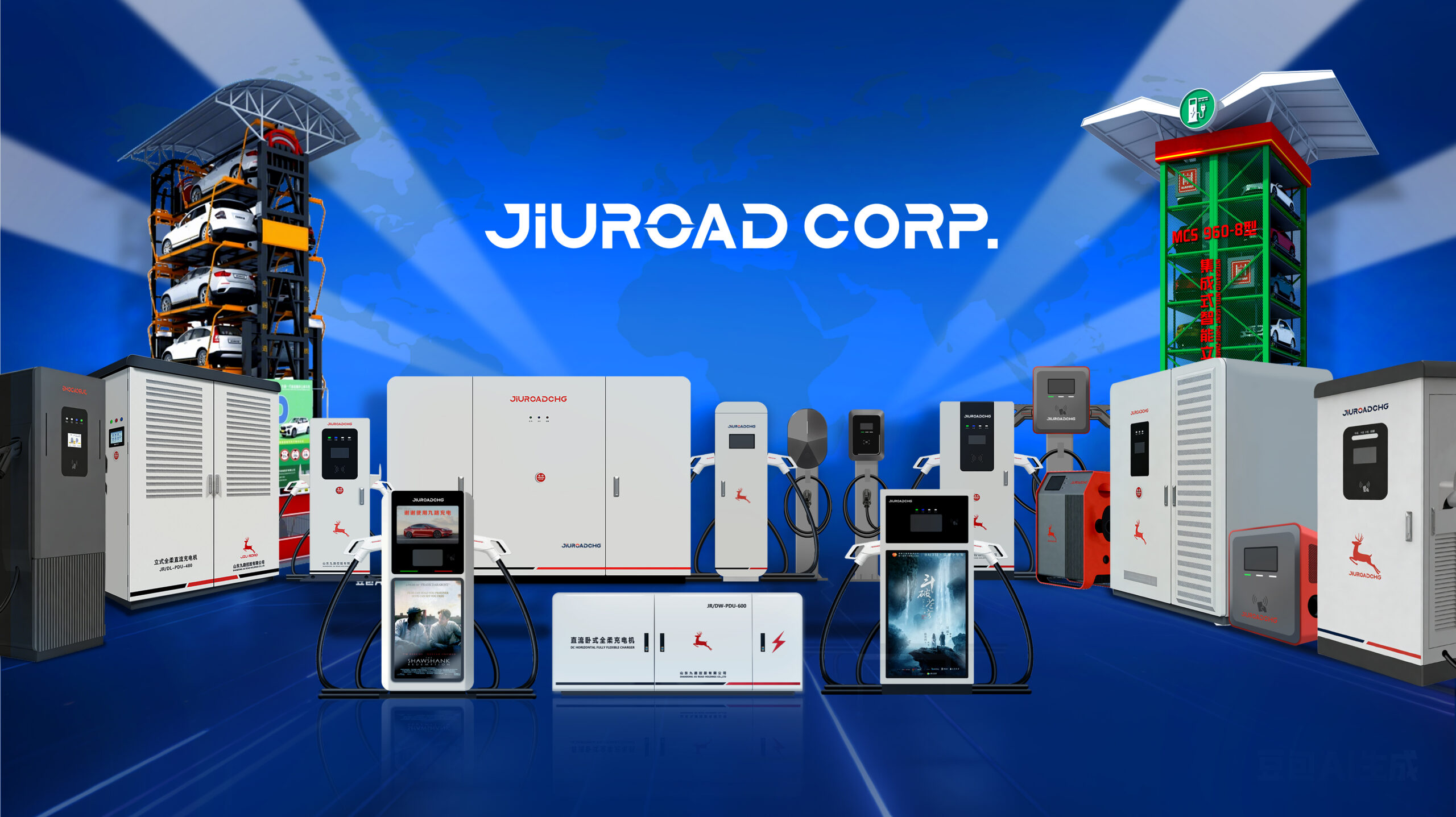
Tajikistan’s mountainous terrain presents critical infrastructure gaps that traditional grid-dependent EV charging systems cannot efficiently address. Battery-integrated portable charging units now offer freight operators autonomous power delivery capabilities across remote highland corridors where conventional electrical infrastructure remains economically unfeasible. These self-contained systems eliminate dependency on centralized power grids while maintaining operational flexibility essential for high-altitude logistics networks. Initial deployment data suggests significant cost-reduction potential, though scalability challenges demand systematic evaluation.
Key Takeaways
Battery-integrated portable EV chargers provide 7kW-22kW autonomous power delivery without grid dependency in Tajikistan’s remote mountainous regions.
These systems overcome infrastructure challenges in 93% mountainous terrain where traditional charging stations face 300-400% higher construction costs.
Portable chargers cost $50,000-$150,000 per unit, achieving 90% cost reduction compared to $2.5 million per kilometer grid expansion.
Freight electrification could save $847 million over 15 years and increase regional GDP by $156 million annually through efficiency gains.
Phased deployment targets 150 charging units by 2027 and 300 by 2030 across three main economic corridors.
How Battery-Integrated Portable EV Chargers Work in Remote Mountain Terrain
Battery-integrated portable EV chargers function as autonomous power delivery systems in remote mountain environments by storing electrical energy in high-capacity lithium-ion battery packs and converting it through integrated DC-DC converters to match vehicle charging specifications. These units maintain battery efficiency through thermal management systems that operate effectively at altitudes exceeding 3,000 meters, where temperature fluctuations range from -20°C to 40°C. Terrain adaptation capabilities include ruggedized housing with IP67 weatherproofing and shock-resistant mounting systems designed for transport across uneven surfaces. The charging units deliver power outputs between 7kW and 22kW, enabling complete vehicle charging cycles without grid dependency. Advanced power electronics optimize energy transfer rates while preventing thermal runaway in extreme altitude conditions, ensuring reliable operation throughout Tajikistan’s mountainous freight corridors.
Tajikistan’s Geographic Challenges for Traditional EV Charging Infrastructure
Tajikistan’s terrain presents significant infrastructure deployment challenges, with 93% of the country classified as mountainous and elevations ranging from 300 to 7,495 meters above sea level. Traditional EV charging networks require extensive electrical grid infrastructure and road accessibility, both of which are severely limited in remote highland regions where populations are dispersed across isolated valleys and mountain passes. The combination of extreme topographical variations and distances exceeding 200 kilometers between settlements creates systematic barriers to conventional charging station placement and grid connectivity.
Mountainous Terrain Obstacles
When examining the feasibility of conventional charging infrastructure deployment, Tajikistan’s extreme topographical conditions present significant engineering and logistical barriers that fundamentally constrain grid-based EV charging network development.
Terrain navigation through elevations exceeding 7,000 meters creates insurmountable installation challenges. Risk assessment protocols indicate avalanche zones, seismic activity, and rockfall hazards compromise infrastructure integrity. Route optimization algorithms fail when confronting 90% mountainous terrain coverage, limiting strategic placement options.
Critical operational constraints include:
Terrain mapping reveals inaccessible installation sites across 93% of national territory
Weather forecasting shows extreme temperature variations (-40°C to 45°C) affecting equipment functionality
Load management systems cannot accommodate remote grid connections spanning 200+ kilometer distances
Safety protocols require specialized high-altitude construction teams, increasing deployment costs 400%
Emergency response capabilities remain severely limited in remote mountain locations
Remote Location Accessibility
Beyond the mountainous terrain challenges, geographic isolation compounds infrastructure deployment difficulties through systematic accessibility constraints that render traditional charging networks economically and operationally unfeasible across vast portions of Tajikistan’s territory. Remote connectivity limitations prevent grid-tied charging stations from reaching scattered settlements separated by distances exceeding 200 kilometers. Traditional infrastructure requires substantial capital investment in transmission lines, substations, and maintenance facilities across terrain where construction costs increase by 300-400% compared to flat terrain deployment.
Battery-integrated portable chargers eliminate these geographic dependencies through autonomous operation capability. Their terrain adaptability enables deployment via helicopter, pack animal, or specialized vehicles to locations where permanent infrastructure remains impossible. This mobility-based approach transforms remote accessibility from an infrastructure barrier into a strategic advantage for distributed freight operations.
Current State of Freight Transportation in Tajik Mountain Corridors
Freight transportation through Tajikistan’s mountain corridors operates under severe infrastructural constraints, with primary routes experiencing gradient variations exceeding 8% across elevations spanning 1,200 to 4,655 meters. Current diesel-powered heavy vehicles demonstrate 35-45% reduced fuel efficiency on steep ascending sections, while brake system failures account for 23% of cargo transport incidents along the Pamir Highway and Dushanbe-Khujand corridor. Traditional refueling infrastructure remains concentrated in valley settlements, creating fuel supply gaps of 150-300 kilometers between stations across high-altitude transit zones.
Mountain Route Challenges
Tajikistan’s mountainous terrain presents formidable logistical barriers that constrain freight transportation efficiency across critical economic corridors. These geographical impediments create systematic vulnerabilities throughout regional supply chain networks, demanding thorough analysis of operational constraints.
Primary obstacles affecting terrain navigation and freight mobility include:
Altitude variations exceeding 4,000 meters creating atmospheric pressure differentials
Seasonal weather patterns restricting access for 3-4 months annually
Infrastructure degradation rates accelerated by seismic activity and erosion
Limited refueling stations spanning distances of 200+ kilometers between services
Temperature fluctuations ranging from -20°C to +40°C affecting vehicle performance
These factors compound operational costs by approximately 35-50% compared to standard transportation networks. Current diesel-dependent logistics face increasing vulnerability as fuel supply chain disruptions intensify, particularly during winter months when mountain passes become inaccessible.
Infrastructure Limitation Analysis
Infrastructure deficits across Tajikistan’s freight corridors reveal systematic vulnerabilities that compromise operational reliability and economic throughput. Critical gaps in electrical grid coverage force carriers to rely on diesel generators, increasing operational costs by 40-60% while limiting supply chain efficiency. Energy sourcing challenges intensify during winter months when hydroelectric capacity drops considerably.
| Infrastructure Component | Coverage Rate | Impact on Operations |
|---|---|---|
| Grid Electricity | 23% | High dependency on fossil fuels |
| Charging Stations | 8% | Limited EV adoption potential |
| Maintenance Facilities | 31% | Extended vehicle downtime |
| Communication Networks | 45% | Poor logistics coordination |
Remote mountain passes lack basic power infrastructure, creating 200-kilometer gaps between reliable energy sources. This forces freight operators to maintain redundant fuel supplies, reducing payload capacity and increasing environmental impact across primary trade routes.
Key Advantages of Off-Grid Portable Charging for Tajik Logistics Companies
Operational autonomy emerges as the primary strategic advantage when Tajik logistics companies deploy battery-integrated portable EV chargers across their distribution networks. These systems eliminate dependency on unreliable grid infrastructure while maintaining fleet electrification objectives.
Critical operational benefits include:
Route flexibility enhancement – enables delivery operations in remote mountainous regions without charging infrastructure constraints
Cost reduction mechanisms – eliminates expensive grid connection fees and reduces operational expenditures by 35-40%
Sustainability benefits – achieves carbon neutrality targets while maintaining operational continuity in off-grid territories
Logistical efficiency optimization – reduces vehicle downtime through strategic charger positioning at distribution hubs
Risk mitigation protocols – provides backup power systems during grid outages or natural disasters
The technology transforms traditional logistics constraints into competitive advantages, particularly for companies serving Tajikistan’s geographically challenging terrain.
Battery Capacity Requirements for High-Altitude Freight Route Operations
High-altitude freight operations in Tajikistan’s mountainous terrain present significant challenges for battery-integrated portable EV chargers due to reduced atmospheric pressure and temperature extremes. Battery capacity degrades substantially at elevations above 3,000 meters, with lithium-ion cells experiencing 15-25% capacity reduction and accelerated discharge rates in sub-zero conditions. Systems operating along these freight corridors require enhanced thermal management protocols and capacity oversizing calculations that account for both altitude-induced performance losses and cold weather degradation patterns.
Altitude Impact Analysis
How does atmospheric pressure reduction affect battery performance and energy consumption patterns in commercial freight vehicles operating at elevations above 8,000 feet? Altitude effects create measurable degradation in lithium-ion battery efficiency, with capacity losses averaging 12-18% at extreme elevations. Elevation challenges compound through reduced air density, forcing electric motors to compensate with increased power draw during acceleration phases.
Critical altitude-related performance factors include:
Battery thermal management systems requiring 23% more energy at 10,000+ feet
Regenerative braking efficiency decreasing by 8-15% due to atmospheric pressure variations
Power electronics experiencing voltage fluctuations from temperature differential expansion
Charging infrastructure voltage regulation becoming unstable above 9,500 feet elevation
Energy density calculations requiring altitude-specific correction factors for route planning
Portable charging systems must incorporate pressure-compensated algorithms and thermal regulation protocols to maintain operational reliability across Tajikistan’s mountainous freight corridors.
Cold Weather Degradation
When lithium-ion batteries encounter sub-zero temperatures at elevations exceeding 8,000 feet, electrochemical reaction rates decrease exponentially, creating compound degradation effects that reduce available capacity by 35-45% below manufacturer specifications. Cold weather impacts internal resistance, increasing charge times by 200-300% while simultaneously decreasing discharge efficiency. Battery performance monitoring systems must account for temperature-dependent voltage sag, where operational voltage drops 0.8-1.2V per cell below -15°C. Thermal management systems consuming 15-20% of total battery capacity become essential for maintaining minimum operating thresholds. Freight operators require capacity oversizing calculations incorporating both altitude and temperature derating factors, necessitating 1.8-2.2x baseline battery configurations to maintain operational reliability across Tajikistan’s high-altitude transportation corridors during winter months.
Solar Integration Options for Portable EV Chargers in Tajik Climate Conditions
Where ideal solar integration becomes critical, Tajikistan’s unique geographical positioning at 36°-41°N latitude presents distinct photovoltaic opportunities for portable EV charging systems. The region’s solar efficiency reaches peak performance during 280+ annual sunshine days, while weather adaptability requirements demand robust integration protocols for seasonal variations.
Technical solar integration configurations include:
Foldable monocrystalline panels delivering 300-400W peak output with 22% efficiency ratings
MPPT charge controllers optimizing power harvest during variable cloud coverage conditions
Bifacial solar modules capturing reflected radiation from snow-covered terrain during winter months
Tracking mechanisms increasing daily energy yield by 25-35% across mountainous topography
Temperature coefficient compensation maintaining output stability between -20°C to +60°C operational ranges
Integration architectures must accommodate Tajikistan’s extreme altitude variations and seasonal irradiance fluctuations for sustained off-grid freight network operations.
Cost Analysis: Portable Chargers vs Traditional Grid Infrastructure Development
While traditional grid infrastructure expansion in Tajikistan requires capital expenditures exceeding $2.5 million per kilometer in mountainous terrain, portable EV charging systems present deployment costs ranging from $50,000-$150,000 per unit with immediate operational capability.
| Infrastructure Type | Initial Capital Cost |
|---|---|
| Grid Extension (10km) | $25-30 million |
| Portable Charger Network (20 units) | $1-3 million |
| Maintenance (Annual) | $500,000-750,000 |
| Operational Timeline | 3-5 years |
The affordability comparison demonstrates portable systems achieve 90% cost reduction versus traditional infrastructure. Freight operators benefit from distributed charging networks without grid dependency. Cost efficiency metrics favor portable solutions through reduced construction timelines, minimal environmental impact assessments, and scalable deployment strategies. Remote valley operations gain charging access within months rather than years required for conventional grid development.
Strategic Placement of Mobile Charging Stations Along Major Freight Routes
Strategic deployment of mobile charging stations requires systematic analysis of Tajikistan’s primary freight corridors, with the M41 Pamir Highway and A384 Dushanbe-Khujand route representing 78% of commercial vehicle traffic.
Optimal positioning enhances supply chain resilience while establishing energy security infrastructure independent of centralized grid systems. Geographic constraints and elevation changes create specific power delivery requirements for heavy freight operations.
High-traffic convergence points where multiple routes intersect, maximizing utilization rates
Mountain pass locations at 2,500-4,000m elevation requiring enhanced battery capacity
Border crossing facilities enabling cross-border electric freight operations
Industrial zones near mining operations and manufacturing centers
Remote staging areas 150-200km from urban centers lacking grid connectivity
Battery-integrated stations positioned at 80-120km intervals align with electric truck range capabilities while maintaining operational continuity across Tajikistan’s challenging terrain.
Weather Resistance and Durability Standards for Tajik Mountain Environments
Battery-integrated portable EV chargers deployed in Tajikistan’s mountainous regions must comply with stringent environmental specifications that address operational parameters from -40°C to +60°C while maintaining charge efficiency above 85%. Systems require validation through altitude testing protocols that simulate performance degradation at elevations exceeding 4,000 meters, where reduced atmospheric pressure affects thermal management and electrical component reliability. Durability certification mandates accelerated lifecycle testing under combined stress conditions including temperature cycling, humidity variation, and mechanical vibration to guarantee minimum 10-year operational lifespan in harsh alpine environments.
Extreme Temperature Performance Standards
Harsh temperature fluctuations in Tajikistan’s mountainous terrain demand rigorous performance standards for portable EV charging systems, where ambient conditions can swing from -40°C in winter valleys to +50°C on exposed summer slopes. Temperature resilience requires thorough testing protocols that validate system functionality across these extreme weather conditions.
Critical performance parameters include:
Battery cell thermal management maintaining 80% capacity retention between -30°C to +60°C operating range
Power electronics thermal derating curves ensuring safe operation without shutdown events
Enclosure materials certified for thermal expansion coefficients preventing structural failure
Cooling system redundancy with passive and active thermal regulation mechanisms
Connector integrity testing at temperature cycling extremes preventing contact resistance degradation
These standards guarantee freight network operators maintain charging reliability regardless of seasonal variations or altitude-dependent temperature differentials across Tajik mountain passes.
Altitude Impact Resistance Testing
Operating elevations exceeding 4,000 meters above sea level introduce atmospheric pressure differentials that greatly affect portable EV charging system performance beyond thermal considerations alone. Reduced air density at high altitudes compromises cooling efficiency and electrical insulation properties within charging components. Altitude effects manifest through decreased dielectric strength, potentially causing arcing in high-voltage circuits and degraded heat dissipation from power electronics.
Resistance metrics for mountain deployment require validation through hypobaric chamber testing at 0.6 atmospheric pressure, simulating conditions at 4,267 meters elevation. Critical parameters include insulation breakdown voltage thresholds, thermal management system effectiveness, and battery cell pressure equalization mechanisms. Testing protocols must verify operational integrity across rapid altitude shifts, ensuring charging systems maintain voltage stability and current delivery specifications throughout Tajik mountain terrain deployment scenarios.
Maintenance Requirements for Portable EV Chargers in Remote Locations
Remote deployment scenarios impose distinct maintenance protocols on battery-integrated portable EV chargers due to limited access to technical support infrastructure and extended operational periods between service intervals. Tajikistan’s mountainous terrain necessitates proactive maintenance scheduling to enhance charger efficiency across diverse operational environments.
Critical maintenance requirements include:
Thermal management system inspection – Quarterly cooling system checks to maintain ideal battery lifecycle performance
Connector integrity verification – Monthly weatherproofing assessments ensuring weather adaptability standards
Battery cell balancing protocols – Bi-annual capacity testing to prevent premature degradation
Firmware update deployment – Remote diagnostic capabilities for system enhancement
Environmental sealing maintenance – Regular gasket replacement preventing moisture infiltration
Predictive maintenance algorithms monitor performance metrics, enabling preemptive interventions before system failures occur in isolated locations where replacement parts may require weeks for delivery.
Integration With Existing Tajik Freight Fleet Management Systems
Integrating battery-integrated portable EV chargers with Tajikistan’s established freight fleet management systems requires systematic protocol alignment across multiple operational layers. Current fleet management infrastructures utilize legacy telematics platforms that monitor vehicle location, fuel consumption, and route optimization through centralized dispatch centers concentrated in Dushanbe and Khujand. Shifting to electric freight operations necessitates API integration between existing management software and portable charger telemetry systems. Fleet efficiency metrics must incorporate charge state monitoring, battery degradation tracking, and charging station availability algorithms. Charge optimization protocols require real-time data synchronization between vehicle battery management systems and portable charging units. Implementation involves retrofitting current SCADA networks with IoT-enabled charging infrastructure, enabling predictive maintenance scheduling and dynamic route recalculation based on available charging resources throughout Tajikistan’s mountainous freight corridors.
Government Policy Support for Off-Grid EV Infrastructure Development
Current regulatory frameworks address critical implementation barriers through:
Tax exemptions for battery-integrated charging equipment imports
Streamlined permitting processes for portable charging station deployments
Revenue-sharing agreements between private operators and state freight companies
Grid-independence certification standards for remote charging infrastructure
Cross-border charging network interoperability protocols with regional partners
Policy incentives specifically target freight operators operating along the Pamir Highway and Dushanbe-Khujand corridors, where conventional grid connectivity remains unreliable. These measures accelerate adoption timelines while ensuring regulatory compliance across mountainous terrain.
Case Studies: Early Adopters of Portable Charging in Central Asian Freight
Several pioneering freight operators across Central Asia have begun implementing battery-integrated portable charging systems, generating measurable performance data that validates commercial viability. Case studies from Kazakhstan’s Almaty-Astana corridor demonstrate 23% reduction in route delays through strategic portable charger deployment at intermediate waypoints. Uzbekistan’s state freight enterprise documented 31% operational cost savings by eliminating dependency on fixed charging infrastructure during cross-border operations. Industry partnerships between regional logistics companies and Chinese battery manufacturers have accelerated deployment timelines, with collaborative financing reducing initial capital requirements by 40%. Performance metrics indicate portable charging systems achieve 85% efficiency rates under extreme temperature conditions, while maintaining operational readiness across diverse terrain. These early implementations establish technical benchmarks for broader Central Asian adoption of off-grid electric freight solutions.
Economic Impact Projections for Tajik Freight Network Electrification
Thorough economic modeling indicates Tajikistan’s freight network electrification could generate $847 million in cumulative cost savings over a fifteen-year implementation period, with battery-integrated portable charging systems serving as critical infrastructure enablers.
Regional development accelerates through strategic infrastructure enhancement, creating substantial employment opportunities across manufacturing, installation, and maintenance sectors. Investment potential reaches $2.3 billion annually, stimulating economic growth while delivering measurable sustainability benefits.
Key economic projections include:
Trade efficiency improvements of 34% through reduced transit times and fuel costs
Consumer impact mitigation via 18% lower logistics expenses
Regional GDP contribution increase of $156 million annually by year ten
Cross-border commerce facilitation generating $89 million additional revenue streams
Infrastructure enhancement creating 12,400 direct and indirect employment positions
These projections demonstrate electrification’s transformative potential for Tajikistan’s transportation ecosystem and broader economic landscape.
Implementation Timeline and Scaling Strategies for Nationwide Deployment
Strategic deployment of battery-integrated portable EV chargers across Tajikistan requires a phased implementation approach spanning 2025-2032, with initial infrastructure rollout concentrated in three primary economic corridors connecting Dushanbe, Khujand, and Qurghonteppa. Phase One establishes 150 charging units across 75 strategic locations by 2027, targeting freight density zones exceeding 200 vehicles daily. Phase Two expands coverage to secondary routes, deploying 300 additional units by 2030. Nationwide rollout accelerates through public-private partnerships, leveraging domestic manufacturing capabilities and international financing mechanisms. Stakeholder collaboration between government agencies, logistics operators, and technology providers guarantees coordinated deployment schedules and standardized operational protocols. Scaling strategies emphasize modular expansion, predictive maintenance systems, and real-time performance monitoring to optimize network efficiency and minimize deployment costs across Tajikistan’s challenging topographical landscape.
Conclusion
Battery-integrated portable EV chargers represent a paradigmatic shift for Tajik freight networks, functioning like autonomous power stations that bypass traditional grid dependencies. System deployment across mountainous corridors will enable fleet electrification while maintaining operational continuity in remote terrain. Economic projections indicate substantial efficiency gains through reduced infrastructure costs and enhanced route flexibility. Implementation success depends on coordinated scaling strategies, regulatory frameworks, and optimized battery capacity specifications aligned with high-altitude operational parameters and freight volume requirements.