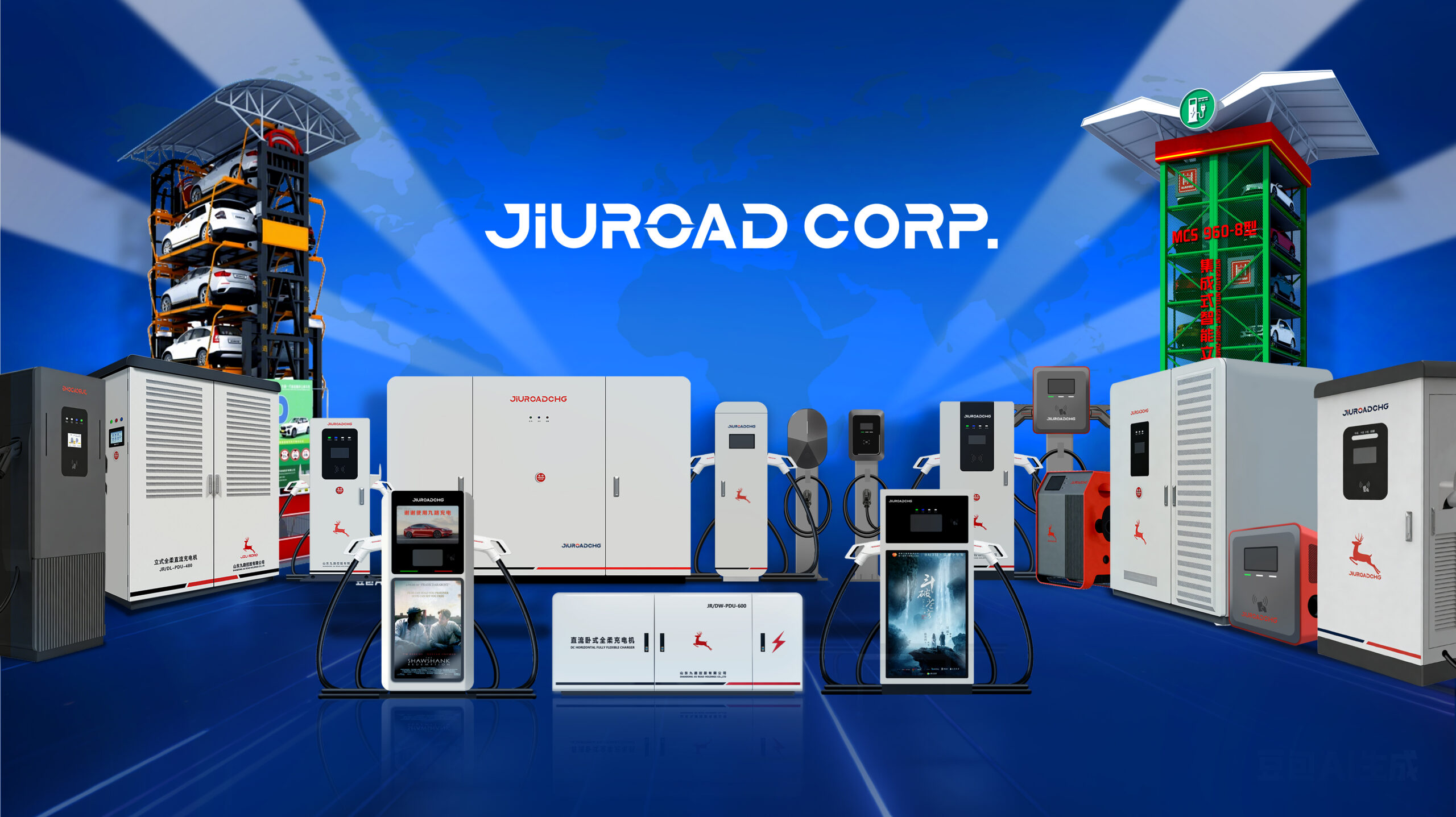
Kazakh tech parks are implementing 120kW DC compact charging hubs to address employee commuting challenges and promote electric vehicle (EV) adoption. These hubs considerably reduce charging time and utilize space efficiently, creating a sustainable workplace environment. By alleviating range anxiety, they not only enhance employee satisfaction but also support broader environmental goals. Understanding the role of these charging solutions reveals their potential impact on corporate strategies and workforce dynamics. What further implications do these advancements hold for the future of work in Kazakhstan?
Key Takeaways
- The 120kW DC compact charging hubs enable rapid EV charging, significantly reducing downtime for employees during work breaks.
- Strategic placement in tech parks maximizes convenience, supporting higher EV adoption rates among employees.
- Integration of smart technology enhances energy efficiency and monitors usage, promoting sustainable commuting practices.
- Workplace charging options alleviate range anxiety, allowing employees to confidently use EVs for their daily commutes.
- Government policies and partnerships facilitate the development of charging infrastructure, supporting Kazakhstan’s transition to greener transportation solutions.
Why Electric Vehicles Are Key to Sustainable Workplaces in Kazakhstan
Electric vehicles (EVs) increasingly emerge as a crucial component in promoting sustainable workplaces in Kazakhstan. Recent studies indicate that electric vehicle adoption can remarkably reduce carbon emissions and improve air quality, aligning with Kazakhstan’s environmental goals. The country’s urban areas experience high traffic congestion and pollution, making the shift to sustainable commuting essential. By encouraging EV use, workplaces can contribute to a systemic change towards greener transport solutions. Additionally, the integration of EV charging infrastructure at workplaces not only incentivizes employees to adopt electric vehicles but also fosters a culture of sustainability. Data show that businesses investing in such infrastructure can enhance their corporate image while potentially reducing operational costs linked to conventional fuel consumption. Solutions to EV adoption, consequently, are crucial for sustainable workplaces in Kazakhstan.
Benefits of Workplace Charging for Employees
While many employees seek efficient solutions for their daily commutes, workplace charging facilities for electric vehicles offer significant advantages that extend beyond mere convenience. Access to charging stations enhances employee satisfaction by alleviating range anxiety and ensuring that employees can start their day with a fully charged vehicle, thereby reducing the stress associated with commuting. Additionally, by providing charging options, employers demonstrate commitment to sustainability, positively impacting corporate culture. Data indicates that businesses with workplace charging see higher employee retention rates, as staff appreciate the convenience and environmental responsibility. Ultimately, incorporating charging facilities not only fosters a culture of innovation but also serves as a strategic approach to attract and retain talent, making it an investment in both employee welfare and organizational growth.
What Are 120kW DC Compact Charging Hubs?
120kW DC compact charging hubs are designed to deliver rapid charging capabilities, greatly reducing downtime for electric vehicles. Their compact size and high efficiency make them ideal for installation in various settings, including workplaces and public areas where space is limited. By strategically placing these hubs, organizations can enhance convenience for users and promote increased adoption of electric vehicles.
Benefits of Fast Charging
Fast charging technology has emerged as a pivotal solution for enhancing the accessibility and efficiency of electric vehicle (EV) infrastructure. The implementation of 120kW DC compact charging hubs greatly reduces charging time, enabling users to quickly replenish their EVs during brief stops. This advancement in charging technology not only enhances user convenience but also optimizes energy efficiency, as faster charging cycles reduce the overall energy consumed per vehicle. Furthermore, these hubs facilitate increased EV adoption by addressing range anxiety, thereby encouraging more individuals to shift from traditional fuel vehicles to electric alternatives. Ultimately, the advantages of fast charging extend beyond individual users, supporting broader environmental goals by promoting sustainable energy practices within corporate and community contexts.
Features of Compact Hubs
Rapid advancements in electric vehicle (EV) infrastructure have paved the way for the development of 120kW DC compact charging hubs, designed to meet the growing demand for efficient and accessible charging solutions. These compact hubs feature specifications that optimize space and performance, providing considerable advantages for workplace charging.
- High Power Output: Capable of delivering 120kW, considerably reducing charging time.
- Compact Design: Space-efficient, allowing installation in various locations without extensive infrastructure changes.
- Multiple Connection Options: Compatibility with different EV models enhances user accessibility.
- Smart Technology Integration: Monitors usage and optimizes charging schedules for energy efficiency.
Ideal Locations for Installation
The strategic placement of 120kW DC compact charging hubs is essential for maximizing their utility and accessibility in workplace environments. Ideal site selection involves identifying high-traffic areas within tech parks, where employee commuting patterns converge. Strategic installation points should include parking lots near building entrances, ensuring convenience for users and minimizing idle time for electric vehicles. Additionally, locations close to employee entrances promote increased utilization during peak hours. Analyzing daily foot traffic and vehicle entry patterns can inform decisions on the best hubs’ density and locations. Implementing charging hubs in well-lit, secure areas also enhances safety and encourages usage, ultimately supporting a sustainable approach to employee commuting in Kazakh tech parks.
How Charging Hubs Support Kazakhstan’s Tech Parks
Charging hubs are instrumental in bolstering the growth and sustainability of Kazakhstan’s tech parks, providing essential infrastructure that supports both innovation and environmental goals. The integration of charging stations aligns with global electric vehicle trends, promoting workplace sustainability by encouraging the use of electric vehicles among employees.
Key benefits include:
- Enhanced accessibility for electric vehicle users.
- Reduced carbon emissions, contributing to environmental stewardship.
- Positive brand image, attracting talent and investment focused on sustainability.
- Alignment with government policies supporting green technology initiatives.
Enhancing the Employee Experience With Charging Stations
Integrating charging stations within Kazakhstan’s tech parks considerably enhances the employee experience by providing convenient access to electric vehicle (EV) infrastructure. This strategic implementation fosters improved employee engagement, as workers feel supported in their choice of environmentally friendly commuting options. By facilitating green commuting, these charging hubs not only reduce commuting-related stress but also promote a culture of sustainability within the workplace. Employees are more likely to adopt EVs when they perceive the availability of charging stations, thereby increasing overall satisfaction and productivity. Research indicates that such amenities can lead to higher retention rates, ultimately benefiting organizations in the competitive tech industry. Consequently, the availability of charging infrastructures directly aligns with enhancing employee well-being and operational efficiency.
How Electric Vehicles Align With Kazakhstan’s Sustainability Goals
As Kazakhstan seeks to advance its sustainability agenda, the adoption of electric vehicles (EVs) emerges as a pivotal strategy in reducing greenhouse gas emissions and lowering air pollution levels. Electric vehicles not only promote clean energy but also support sustainable transportation initiatives across the nation. The integration of EVs aligns with Kazakhstan’s long-term environmental goals through several key aspects:
- Reducing dependency on fossil fuels
- Lowering urban air pollution levels
- Decreasing greenhouse gas emissions
- Promoting the use of renewable energy sources
These measures not only enhance public health but also contribute to the fulfilment of international climate commitments. By fostering a robust EV infrastructure, Kazakhstan is positioning itself as a leader in sustainable innovation while promoting a cleaner, greener future for its citizens.
What Challenges Do Electric Vehicle Users Face?
Electric vehicle users encounter several significant challenges that hinder the widespread adoption of this technology. Insufficient charging infrastructure, coupled with range anxiety, leads to concerns about the feasibility of long-distance travel. Additionally, the high costs associated with charging can deter potential users, highlighting the need for strategic investments in charging networks and pricing solutions.
Insufficient Charging Infrastructure
While the adoption of electric vehicles (EVs) continues to grow, the challenge of insufficient charging infrastructure remains a significant barrier for users. The lack of adequate charging accessibility impedes vehicle utilization, affecting overall EV market growth. Key challenges include:
- Limited availability of charging stations in urban and rural areas
- Inconsistent charging speeds across different locations
- High installation costs discouraging new infrastructure investment
- Insufficient integration of charging solutions in existing commercial buildings
To enhance EV adoption, targeted infrastructure investment is essential. By developing more charging hubs, especially in workplaces like Kazakh Tech Parks, and ensuring equitable distribution across regions, stakeholders can alleviate these barriers and promote a sustainable shift to electric vehicles.
Range Anxiety Issues
Even though innovative battery technologies have made strides in extending the range of electric vehicles (EVs), range anxiety remains a prominent challenge for prospective users. This concern arises from the fear of running out of power before reaching a charging station, which can be exacerbated by insufficient charging solutions in urban planning. A systematic approach is necessary to mitigate these worries.
| Factors | Impact on Range Anxiety | Potential Solutions |
|---|---|---|
| Charging Infrastructure | Limited availability | More public charging stations |
| EV Range | Variability in mileage | Improved battery technology |
| Urban Layout | Poor access to chargers | Strategic urban planning |
Addressing these factors through better charging solutions and thorough urban planning can alleviate range anxieties for current and potential EV users.
High Charging Costs
The financial burden associated with charging electric vehicles (EVs) poses a significant barrier to widespread adoption. High charging costs arise from several factors impacting users, primarily due to high infrastructure investment and fluctuating electricity prices. These challenges can deter potential EV buyers and limit the growth of electric mobility.
- Charging network expansion costs: Substantial investments are required to build extensive charging infrastructures.
- Variable electricity rates: Fluctuations in energy pricing can unpredictably increase charging expenses.
- Inadequate workplace charging options: Limited availability of charging stations can lead to higher costs for employees.
- Consumer education gap: Lack of knowledge about cost-effective charging solutions can hinder adoption.
Addressing these issues through improved infrastructure planning and stable energy pricing strategies is essential for stimulating EV market growth.
The Impact of Charging Infrastructure on Commuting Choices
A growing body of evidence suggests that the availability of electric vehicle (EV) charging infrastructure greatly influences commuting choices among urban populations. Research indicates that well-placed charging stations encourage the adoption of electric vehicles, altering traditional commuting patterns. Employees with access to reliable charging options tend to exhibit more environmentally conscious charging habits, favoring EVs for daily commutes. In addition, data shows that charging infrastructure enhances average trip distances, as users feel assured they can recharge conveniently during work hours. This accessibility potentially leads to reduced reliance on fossil-fuel-based transportation modes. Ultimately, the integration of charging hubs within urban transport systems not only promotes EV adoption but also positively impacts sustainable commuting behavior, advancing the shift towards greener urban mobility solutions.
Why Fast Charging Is a Game-Changer for Busy Routines
Fast charging technology greatly enhances productivity by allowing employees to optimize their breaks for vehicle charging, thereby minimizing downtime. It also alleviates range anxiety, encouraging more consistent usage of electric vehicles, which aligns with a sustainable commuting strategy. Additionally, the ability to charge quickly promotes convenient multi-tasking opportunities, empowering users to efficiently manage both work and personal commitments.
Enhanced Productivity During Breaks
Workplace charging solutions that offer rapid charging capabilities greatly enhance productivity during breaks. By ensuring that electric vehicles can recharge quickly, employees can maximize their breaktime activities while minimizing downtime. This efficiency fosters productivity improvements across the organization.
Key benefits include:
- Time optimization: Employees can recharge in under 30 minutes, allowing them to engage in meaningful activities.
- Reduced stress: Quick access to charging alleviates concerns over time management and vehicle readiness.
- Encouraged social interactions: Enhanced break opportunities promote teamwork and collaboration.
- Increased overall satisfaction: A conducive environment for balancing personal and work commitments leads to higher employee morale.
Reduced Range Anxiety Issues
Range anxiety remains a considerable barrier for electric vehicle (EV) users, particularly for those with demanding schedules. The introduction of robust charging infrastructure, such as 120kW DC compact hubs in Kazakh tech parks, is a pivotal solution to this challenge. These fast chargers considerably reduce the time required for recharging, often taking less than an hour to restore substantial battery life. Consequently, EV users can better plan their workday without the worry of running low on power. This enhancement not only fosters employee convenience but also contributes to a more sustainable transportation ecosystem. By alleviating range anxiety, organizations can encourage higher EV adoption rates, resulting in environmental benefits and improved employee satisfaction with hassle-free commuting options.
Convenient Multi-Tasking Opportunities
The implementation of advanced charging options in Kazakh tech parks remarkably enhances the ability for users to manage their time effectively. Fast charging solutions, such as the 120kW DC compact hubs, facilitate smart commuting and support flexible schedules, allowing employees to optimize their productivity during charging sessions.
Key advantages include:
- Reduced Downtime: Employees can charge their vehicles while attending meetings or completing tasks.
- Increased Flexibility: Multiple charging stations enable users to pick charging times that suit their routines.
- Enhanced Efficiency: Quick charging boosts energy levels, subsequently reducing idle time.
- Maximized Productivity: Users can utilize charging periods for multitasking, maintaining workflow without interruption.
Such innovations considerably transform daily work-life dynamics, ensuring a seamless commuting experience.
Planning for the Growth of Electric Vehicles in Kazakhstan’s Workforce
Kazakhstan is poised for a significant change in its transportation landscape as electric vehicles (EVs) gain traction within its workforce. To accommodate this growing trend, the government must implement effective electric vehicle policies that encourage adoption and infrastructure development. This includes allocating resources for the installation of charging stations and offering incentives for companies to shift their fleets to electric. Additionally, workforce training programs must be established to equip employees with skills necessary for managing and maintaining EVs. By fostering a thorough approach that combines policy, infrastructure, and education, Kazakhstan can guarantee a smooth integration of electric vehicles into its workforce, ultimately enhancing sustainability and promoting economic growth while reducing carbon emissions.
Integrating Workplace Charging With Renewable Energy Solutions
Significant opportunities exist for integrating workplace charging stations with renewable energy sources to enhance the sustainability of electric vehicle adoption in Kazakhstan. This integration can provide dual benefits of reducing carbon footprints while promoting energy efficiency. Key aspects include:
- Solar Panel Installation: Harnessing solar energy to power charging stations.
- Wind Energy Utilization: Incorporating wind turbines to generate electricity for workplace charging.
- Energy Storage Solutions: Implementing battery systems to store excess renewable energy for peak demand times.
- Smart Grid Technologies: Enabling efficient management of energy distribution from renewable sources to charging stations.
The Tech Behind DC Fast Chargers
Integrating renewable energy solutions lays a strong foundation for the adoption of advanced charging technologies, including DC fast chargers. DC charger technology enhances charging efficiency through high power output, enabling quicker Electric Vehicle (EV) charging processes. Key parameters such as voltage, amperage, and the power electronics design notably contribute to the overall effectiveness of these chargers.
| Feature | Description |
|---|---|
| Power Output | 120kW for rapid charging |
| Efficiency Rate | Typically 95% and above |
| Voltage Compatibility | Supports multiple EV models |
These features optimize the user experience, promoting wider adoption of electric vehicles. By leveraging advanced DC fast chargers, Kazakh tech parks can facilitate employee commuting while contributing to sustainable energy practices.
Cost Savings for Companies Offering EV Charging Solutions
Companies that implement EV charging solutions can realize substantial cost savings through reduced fuel expenses for employees who shift from conventional vehicles to electric ones. Additionally, providing charging infrastructure has been shown to enhance employee retention rates, as workers are increasingly attracted to organizations that prioritize sustainability and offer modern amenities. By adopting these solutions, businesses not only improve their operational efficiency but also strengthen their employer brand in a competitive labor market.
Reduced Fuel Expenses
Cost savings through reduced fuel expenses represent a significant advantage for organizations implementing electric vehicle (EV) charging solutions. By adopting these systems, companies can achieve substantial cost reductions while simultaneously benefiting from various financial incentives.
Key aspects of reduced fuel expenses include:
- Lower electricity costs compared to gasoline or diesel
- Decreased overall fleet operating expenses
- Availability of tax credits and rebates for EV infrastructure
- Reduced maintenance and operational costs for electric vehicles
These factors collectively contribute to long-term financial savings for businesses, allowing them to reallocate resources towards growth and innovation. Additionally, promoting EV charging solutions positions companies as environmentally responsible, potentially attracting customers and partners who prioritize sustainability.
Enhanced Employee Retention
While many factors influence employee satisfaction and retention, offering electric vehicle (EV) charging solutions emerges as a compelling strategy for organizations seeking to foster a supportive work environment. Recent studies indicate that companies implementing EV charging stations typically see a 20% increase in employee satisfaction, as staff perceive these green initiatives as a value-added benefit. Additionally, organizations can reduce turnover costs by up to 25% due to improved workplace morale and a culture that prioritizes sustainability. Investing in EV infrastructure not only demonstrates a commitment to environmental responsibility but also enhances the employer brand, making the company more attractive to potential recruits. Overall, integrating EV charging solutions is a strategic approach to boost employee retention while promoting sustainable practices.
Government Initiatives Supporting Electric Vehicle Adoption
As electric vehicle (EV) adoption accelerates globally, government initiatives play an essential role in facilitating this shift through supportive policies and infrastructure development. Numerous countries are implementing effective electric vehicle policies and government incentives aimed at overcoming adoption barriers. These strategies not only encourage individual consumers but also promote corporate investments in EV technologies. Key initiatives include:
- Tax credits and rebates to reduce purchase costs
- Grants for EV infrastructure installation, such as charging stations
- Regulatory frameworks that prioritize sustainable transport solutions
- Research and development funding aimed at advancing EV technology
Such measures are critical for creating a thorough ecosystem that supports the shift to electric mobility, ultimately enhancing the overall sustainability of transportation systems.
Successful EV Initiatives in Kazakh Tech Parks
Kazakhstan’s tech parks are emerging as pivotal hubs for electric vehicle (EV) initiatives, aligning with the country’s broader goals to enhance sustainable transportation and reduce carbon emissions. Through strategic investments in EV infrastructure, these parks are setting benchmarks for Kazakh innovation. Importantly, the implementation of 120kW DC charging stations has facilitated increased accessibility for employees commuting in electric vehicles, highlighting an innovative approach to workplace charging solutions. Additionally, partnerships with local governments and private sectors have accelerated the deployment of charging networks, ensuring sustainable energy sources are utilized effectively. These successful initiatives not only showcase Kazakhstan’s commitment to reducing its carbon footprint but also create a replicable model that can be adopted by other regions seeking to advance their EV infrastructure.
Conclusion
Incorporating 120kW DC compact charging hubs into Kazakh tech parks presents a strategic advantage for businesses committed to sustainability. While concerns about the initial investment may arise, the long-term benefits, including enhanced employee satisfaction and retention, far outweigh the costs. By fostering a supportive EV infrastructure, companies can not only align with national sustainability goals but also position themselves as leaders in innovation, ultimately driving both environmental stewardship and profitability in an increasingly eco-conscious market.