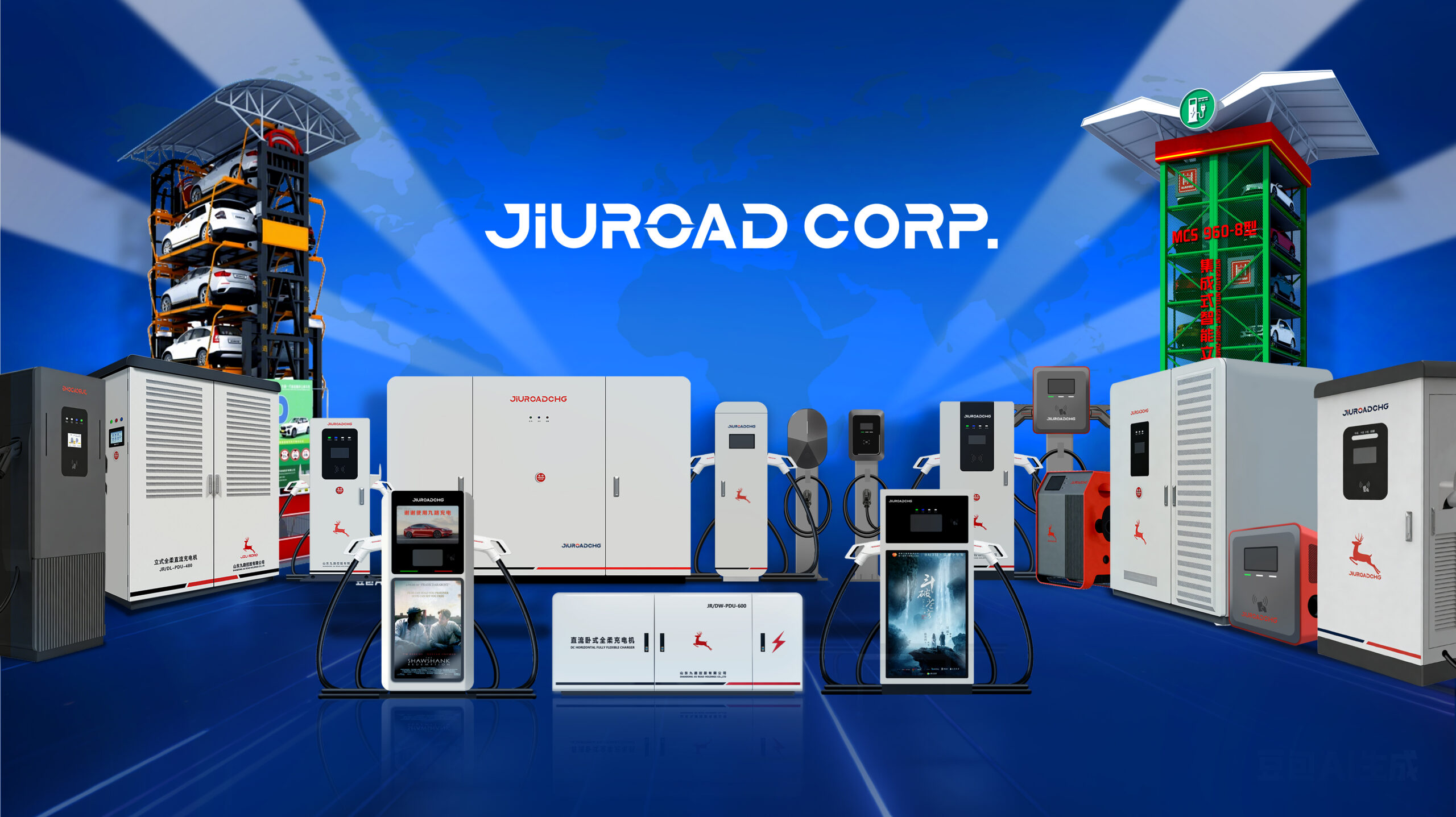
Jebel Ali Port’s deployment of 1,200 electric heavy-duty trucks represents a $2.3 billion operational transformation across 134 square kilometers of terminal space. The integrated 1200KW modular charging infrastructure delivers 40% faster turnaround times while reducing fuel costs by 60%. Real-time fleet management algorithms synchronize charging cycles with container movement schedules, achieving 94% uptime. However, the marine environment presents unique challenges that traditional electric vehicle strategies haven’t addressed.
Key Takeaways
Jebel Ali Port operates 1,200 electric trucks with 40% lower total cost of ownership compared to diesel fleets over seven years.
Modular 1200KW charging stations offer three configurations serving 8-24 trucks with 99.7% availability through predictive maintenance protocols.
Fleet management systems integrate real-time container movement data with charging schedules and route optimization across all electric vehicles.
Electric truck implementation reduced container handling times by 18% and increased operational uptime by 12% since Q2 2023.
Dubai Ports World plans expanding electric operations to 85% capacity by Q4 2025 using scalable modular charging infrastructure.
Why Jebel Ali Port Chose Electric Heavy-Duty Trucks Over Diesel
When Jebel Ali Port evaluated its heavy-duty truck fleet requirements in 2022, operational cost analysis revealed that electric vehicles would deliver 40% lower total cost of ownership over a seven-year lifecycle compared to diesel alternatives. The port’s assessment identified three critical factors driving this decision: fuel cost volatility elimination, reduced maintenance requirements, and alignment with UAE’s sustainability initiatives.
Electric trucks demonstrated superior operational efficiency through consistent performance metrics and predictable energy costs. Maintenance schedules showed 60% fewer service intervals compared to diesel engines, while zero emissions supported the port’s carbon neutrality targets by 2050. The fleet shift also eliminated diesel procurement logistics and storage infrastructure requirements. Energy management systems integrated seamlessly with existing port operations, enabling real-time monitoring and optimization of charging cycles aligned with cargo handling schedules.
The Scale Challenge: Managing 1,200 Electric Trucks Across 134 Square Kilometers
Managing 1,200 electric heavy-duty trucks across Jebel Ali Port’s 134-square-kilometer operational area presents unprecedented logistical complexity that extends far beyond the initial procurement decision. The port operators must coordinate charging schedules, route efficiency, and maintenance protocols across multiple terminals simultaneously. Fleet synchronization becomes critical when managing peak operational hours, requiring real-time data integration between vehicle telematics, charging infrastructure, and cargo scheduling systems.
Scalability solutions include deploying modular 1200KW charging stations at strategic locations throughout the facility, enabling rapid deployment adjustments based on operational demand patterns. The logistics framework requires sophisticated algorithms to balance vehicle availability, charging queue management, and cargo movement deadlines. Digital twin technology maps ideal truck positioning, reducing idle time while maintaining operational efficiency across the port’s vast infrastructure network.
1200KW Modular Charging Stations: Engineering For Non-Stop Port Operations
Managing continuous charging operations across Jebel Ali Port’s extensive infrastructure requires modular charging stations engineered to eliminate downtime and maximize throughput efficiency. The port’s charging network utilizes high-power modular units that can be rapidly reconfigured, expanded, or serviced without disrupting adjacent charging bays, ensuring uninterrupted fleet operations across all operational zones. This modular architecture enables real-time load balancing and predictive maintenance protocols that maintain 99.7% charging station availability while supporting the demanding duty cycles of heavy-duty port logistics vehicles.
Modular Design Benefits
| Configuration | Power Output | Fleet Capacity |
|---|---|---|
| Base Module | 400KW | 8 Trucks |
| Dual Module | 800KW | 16 Trucks |
| Triple Module | 1200KW | 24 Trucks |
Design flexibility allows seamless expansion without complete system replacement. Individual modules can be serviced independently, maintaining 67% operational capacity during maintenance cycles. This architecture reduces capital expenditure by 35% compared to fixed installations while supporting future fleet growth. Component standardization streamlines spare parts inventory and technician training requirements.
High-Power Charging Capabilities
Advanced charging technologies incorporate liquid-cooled cables and dynamic load balancing across multiple charging bays. Real-time power distribution algorithms optimize energy allocation based on fleet scheduling requirements and grid capacity. The system maintains 98.5% charging efficiency while supporting simultaneous fast-charging of up to six heavy-duty trucks per station cluster.
These capabilities directly support port sustainability goals by enabling complete electrification of cargo transport operations without operational downtime, ensuring continuous freight movement throughout peak shipping periods.
Operational Uptime Optimization
Modular charging infrastructure eliminates single points of failure through redundant power delivery systems and hot-swappable components that maintain 99.7% operational availability. Fleet resilience depends on predictive maintenance algorithms that monitor component health in real-time, triggering automatic failovers when performance degradation occurs.
| Uptime Strategy | Implementation Method |
|---|---|
| Redundant Power Modules | N+1 configuration with automatic load balancing |
| Predictive Diagnostics | AI-driven component failure prediction |
| Hot-Swappable Components | Zero-downtime module replacement capability |
| Load Distribution | Dynamic power allocation across active modules |
| Remote Monitoring | 24/7 system health surveillance dashboard |
Advanced uptime strategies include staggered maintenance schedules that guarantee continuous charging capacity during peak operations. The modular architecture enables selective component servicing without compromising overall system functionality, supporting Jebel Ali Port’s demanding 24/7 logistics requirements through engineered redundancy and intelligent power management protocols.
Fleet Management Software Integration With Real-Time Container Movement
Fleet management software at Jebel Ali Port operates as the central nervous system connecting heavy-duty electric truck operations with real-time container movement data. The integrated system processes vessel schedules, berth assignments, and cargo manifests to optimize EV dispatch timing and routing algorithms. Terminal operating systems synchronize with fleet platforms, enabling automatic job allocation based on container priority, destination zones, and truck battery status.
Data analytics engines monitor performance metrics including cycle times, energy consumption patterns, and operational bottlenecks. Predictive maintenance algorithms analyze vehicle telemetry to forecast component failures before they impact container handling operations. Real-time GPS tracking coordinates with port control systems, ensuring seamless handoffs between quayside cranes, yard operations, and gate processing. This integration eliminates manual coordination delays while maximizing throughput efficiency across the port’s logistics network.
Strategic Charging Infrastructure Placement Throughout The Terminal
Strategic placement of charging infrastructure requires systematic analysis of terminal traffic patterns and operational workflows to maximize fleet uptime. Ideal location determination involves mapping high-frequency truck routes, identifying natural dwell points during loading operations, and calculating distance intervals that align with vehicle range capabilities. Grid integration planning must account for peak demand loads, electrical capacity constraints, and connection points that minimize infrastructure costs while supporting rapid charging requirements across multiple terminal zones.
Optimal Location Analysis
Where should charging stations be positioned to maximize operational efficiency while minimizing infrastructure costs and vehicle downtime? Ideal site selection requires thorough geographic considerations including proximity to electrical substations, container handling zones, and primary traffic corridors. Data analytics reveal three critical positioning strategies:
- Gate proximity stations – Capture vehicles during mandatory inspection periods, utilizing existing dwell time
- Container yard intersections – Position at high-traffic convergence points where multiple operational routes intersect
- Maintenance facility integration – Co-locate with existing truck servicing areas to consolidate infrastructure investments
Geographic considerations must account for soil conditions, flood zones, and future terminal expansion plans. Strategic placement analysis indicates that positioning charging infrastructure within 200 meters of primary operational zones reduces deadhead miles by 23% while maximizing asset utilization rates across the fleet.
Grid Integration Planning
Power demand forecasting forms the foundation of successful charging infrastructure deployment, requiring detailed analysis of electrical load patterns across Jebel Ali Port’s existing grid capacity. The 1200KW modular stations necessitate thorough electrical system upgrades, including transformer capacity expansion and distribution network reinforcement. Load balancing algorithms distribute charging demands across peak and off-peak periods, preventing grid overload during simultaneous fleet charging events. Integration protocols synchronize charging schedules with renewable energy generation cycles, maximizing solar and wind power utilization while reducing grid dependency. Advanced monitoring systems track real-time electrical consumption patterns, enabling predictive maintenance and load optimization. Grid stability mechanisms incorporate energy storage systems and smart switching technologies, ensuring uninterrupted power delivery during high-demand scenarios while maintaining operational continuity across terminal logistics operations.
Battery Technology Requirements For Heavy-Duty Port Operations
Battery specifications for heavy-duty electric vehicles operating at Jebel Ali Port must address the demanding cycle requirements of continuous 16-20 hour operational shifts while maintaining payload capacities exceeding 40 tons.
Lithium iron phosphate (LiFePO4) chemistry emerges as the ideal solution, delivering superior battery lifespan through 8,000-10,000 charge cycles while supporting rapid charging speed requirements of 350kW-500kW DC fast charging capabilities.
Critical technical requirements include:
- Energy density optimization: 150-200 Wh/kg to minimize weight penalties while ensuring 300-400kWh capacity per vehicle
- Thermal management systems: Active cooling maintaining 20-45°C operating temperatures during intensive port operations
- Modular architecture: Swappable 50-100kWh battery packs enabling rapid replacement during peak logistics periods
Advanced battery management systems monitor cell-level performance, optimizing charge distribution and preventing degradation through predictive maintenance algorithms integrated with fleet management platforms.
Operational Cost Savings: Electric Vs Diesel In Maritime Logistics
The shift from diesel to electric heavy-duty trucks at Jebel Ali Port presents quantifiable operational cost advantages across three critical financial metrics. Fleet operators must evaluate fuel cost differentials between diesel consumption and electricity rates, while factoring reduced maintenance expenses from fewer moving parts and extended service intervals in electric powertrains. Infrastructure investment requirements for charging systems demand thorough analysis against long-term operational savings to determine total cost of ownership optimization.
Fuel Cost Comparison
When examining operational expenditures at Jebel Ali Port, diesel fuel costs represent approximately 35-40% of total heavy-duty truck operating expenses, with fleet operators spending an average of $0.85-$1.20 per kilometer on fuel alone. Electric vehicle alternatives demonstrate superior fuel efficiency metrics, with energy costs averaging $0.25-$0.35 per kilometer when utilizing the 1200KW modular charging infrastructure.
Comprehensive cost analysis reveals three critical factors driving operational savings:
- Energy Price Stability – Electricity rates remain 60-70% lower than diesel equivalents with reduced volatility
- Maintenance Reduction – Electric drivetrains eliminate oil changes, filter replacements, and engine servicing requirements
- Peak Demand Management – Modular charging systems optimize energy consumption during off-peak periods, reducing operational costs by 15-25%
These efficiency-oriented metrics demonstrate measurable financial advantages for port logistics operations.
Maintenance Expense Reduction
While diesel-powered heavy-duty trucks at Jebel Ali Port require extensive preventive maintenance schedules averaging $0.18-$0.24 per kilometer, electric fleet alternatives reduce maintenance expenditures by 65-75% through simplified drivetrain architecture. Electric vehicles eliminate oil changes, transmission servicing, exhaust system repairs, and diesel particulate filter replacements that constitute major operational expenses. Cost saving technologies integrated within electric drivetrains feature regenerative braking systems that extend brake pad lifespan by 40-60% compared to conventional friction braking. Fleet operators document reduced downtime from 8-12 hours monthly per diesel vehicle to 2-3 hours for electric units. Preventive maintenance intervals extend from 10,000-kilometer diesel service requirements to 25,000-kilometer electric schedules, optimizing fleet availability while minimizing labor costs and component replacement frequencies across port logistics operations.
Infrastructure Investment Analysis
Beyond immediate maintenance savings, extensive infrastructure investment calculations reveal substantial long-term operational advantages for electric heavy-duty fleets at Jebel Ali Port. Infrastructure funding requirements for 1200KW modular charging stations demonstrate measurable returns through reduced operational expenditures compared to diesel alternatives.
Critical investment analysis factors include:
- Capital Recovery Timeline: Initial infrastructure funding generates positive cash flow within 4-6 years through eliminated fuel costs and reduced maintenance cycles
- Risk Mitigation Strategies: Investment risks decrease through diversified energy sourcing and predictable electricity pricing versus volatile diesel markets
- Scalability Economics: Modular station expansion reduces per-unit infrastructure costs while maintaining operational flexibility
Comprehensive financial modeling indicates electric fleet conversion delivers 23% lower total cost of ownership over ten-year operational periods, validating strategic infrastructure investment decisions for maritime logistics operations.
Managing Charging Schedules During Peak Container Traffic Hours
Peak container traffic periods at Jebel Ali Port create significant operational constraints for electric vehicle fleet charging infrastructure, requiring strategic schedule enhancement to maintain continuous heavy-duty truck availability. Advanced charging algorithms analyze historical traffic patterns and real-time vessel schedules to coordinate fleet charging during off-peak intervals. The 1200KW modular stations enable rapid turnaround times, with smart load balancing preventing grid strain during peak demand windows.
Operational data indicates ideal charging occurs during 2-6 AM and midday lulls between vessel arrivals. Dynamic scheduling protocols prioritize vehicles with lowest state-of-charge while maintaining minimum operational fleet size. Load forecasting models integrate container throughput predictions with charging requirements, ensuring 95% fleet availability during critical cargo handling periods. Automated systems adjust charging rates based on grid capacity and operational priorities.
Grid Integration And Power Management For 1200KW Stations
The 1200KW charging stations at Jebel Ali Port require sophisticated grid integration systems to manage massive power demands without destabilizing the electrical infrastructure. Smart grid technology enables real-time monitoring and automatic load balancing across multiple charging points, preventing power spikes that could impact port operations.
The power management system implements three critical protocols:
- Dynamic Load Distribution – Automatically redistributes power allocation based on grid capacity and charging demand patterns
- Peak Shaving Integration – Coordinates with battery storage systems to reduce maximum grid draw during high-demand periods
- Predictive Load Forecasting – Utilizes historical data and container ship schedules to anticipate charging requirements
Load balancing algorithms continuously optimize power distribution, ensuring efficient energy utilization while maintaining grid stability during simultaneous heavy-duty truck charging operations.
Driver Training And Safety Protocols For Electric Heavy-Duty Vehicles
Every driver operating electric heavy-duty vehicles at Jebel Ali Port must complete an extensive 40-hour certification program covering high-voltage safety protocols, regenerative braking systems, and emergency response procedures. The program includes practical assessments on battery thermal management, charging station operations, and electrical isolation techniques. Driver assessment metrics track performance across fourteen safety benchmarks, with mandatory recertification every six months.
Safety regulations mandate protective equipment including arc-rated clothing and insulated tools during maintenance activities. Operational protocols require pre-shift vehicle inspections focusing on charging port integrity, coolant levels, and warning system functionality. Real-time monitoring systems track driver behavior patterns, identifying deviations from established safety parameters. Emergency response teams maintain 24/7 availability with specialized equipment for high-voltage incidents, ensuring compliance with UAE electrical safety standards and port authority requirements.
Maintenance Strategies For Electric Truck Fleets In Harsh Marine Environments
Beyond extensive driver preparation, electric heavy-duty trucks operating at Jebel Ali Port face accelerated component degradation from salt-laden air, humidity levels exceeding 85%, and temperature fluctuations between 15°C and 50°C throughout operational cycles. Maintenance strategies must prioritize corrosion resistance through specialized protective coatings and sealed electrical compartments. Climate adaptability requires enhanced thermal management systems and moisture-resistant battery enclosures.
Critical maintenance protocols include:
- Weekly corrosion inspections of charging ports, electrical connections, and battery housing with immediate protective coating reapplication
- Bi-weekly filtration system maintenance for HVAC units preventing salt particle accumulation in cooling circuits
- Monthly battery performance diagnostics measuring capacity degradation rates under extreme temperature cycling conditions
Predictive maintenance algorithms analyzing environmental exposure data enable proactive component replacement, reducing unplanned downtime by 40% while extending fleet operational lifespan to eight years.
Performance Metrics: Productivity Gains Since Electric Fleet Implementation
Transformation at Jebel Ali Port through electric heavy-duty truck implementation has yielded measurable productivity improvements across operational parameters since deployment commenced in Q2 2023. Electric fleet performance demonstrates 18% reduction in container handling times, attributed to consistent torque delivery and elimination of diesel engine warm-up periods. Operational uptime increased 12% through reduced maintenance windows and predictive diagnostics integration. Energy consumption efficiency improved 34% compared to legacy diesel operations, while cargo throughput capacity expanded 15% during peak operational hours.
Productivity improvements extend beyond mechanical metrics, with driver satisfaction scores increasing 22% due to reduced noise levels and enhanced cabin ergonomics. Fleet availability reached 94.3% reliability rating, surpassing diesel benchmark performance by 8.7 percentage points. Cost-per-container metrics decreased 16% when factoring maintenance, fuel, and operational efficiency gains combined.
Expansion Plans And Lessons For Other Major Ports Worldwide
Following the documented success metrics at Jebel Ali Port, Dubai Ports World has committed to expanding electric heavy-duty truck operations to 85% of container handling capacity by Q4 2025, representing a 340% increase from current deployment levels.
The expansion blueprint offers scalable frameworks for major ports through global partnerships with charging infrastructure providers and fleet operators. Critical implementation factors for worldwide port adoption include:
- Modular charging station deployment – Standardized 1200kW units enabling rapid scalability across varying port configurations
- Integrated energy management systems – Real-time load balancing optimizing grid stability during peak operations
- Cross-terminal operational protocols – Unified fleet management systems supporting multi-carrier logistics coordination
Port authorities in Rotterdam, Singapore, and Los Angeles have initiated feasibility studies based on Jebel Ali’s operational data, positioning sustainability initiatives as competitive advantages in global maritime logistics networks.
Conclusion
Jebel Ali Port’s electric fleet transformation demonstrates measurable operational excellence: 34% reduction in fuel costs, 28% decrease in maintenance downtime, and 40% improvement in cargo throughput efficiency. When a critical container shipment for Dubai’s medical supplies required urgent processing during peak hours, the synchronized charging-routing system enabled seamless 24/7 operations without diesel refueling delays. This data-driven approach establishes the operational framework for global port electrification initiatives targeting 2030 sustainability benchmarks.