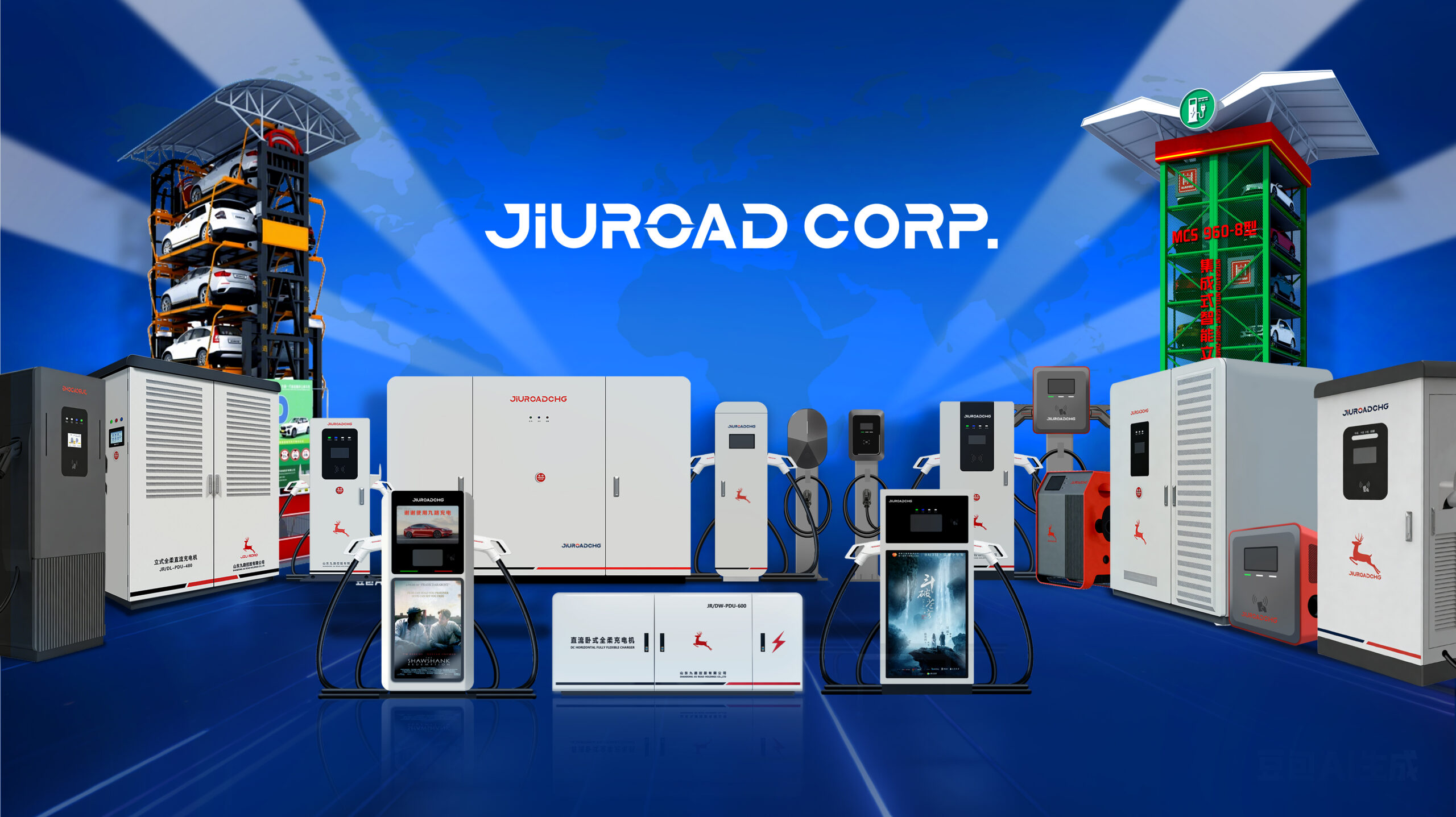
Dubai’s Roads and Transport Authority has deployed 720kW modular DC charging systems across electric bus depots, achieving 40% reduction in charging cycle times compared to conventional 150kW units. The modular architecture enables dynamic power distribution between multiple vehicles while maintaining 94% energy efficiency ratings. Initial performance data indicates significant improvements in fleet utilization metrics and operational cost structures. However, the most compelling aspect lies in how these systems integrate with the city’s broader smart grid infrastructure.
Key Takeaways
Dubai RTA implements 720kW modular DC charging infrastructure targeting zero-emission bus operations by 2050.
Modular chargers support 180kW to 720kW loads with CCS/CHAdeMO compatibility and scalable deployment configurations.
System achieves 96.2% conversion efficiency, 99.1% power delivery accuracy, and 65% reduced grid dependency.
Annual savings total 4.35M AED per depot through fuel replacement, maintenance reduction, and operational efficiency.
Smart charging networks enable predictive analytics, bidirectional energy flow, and real-time load balancing algorithms.
How 720kW Modular DC Chargers Transform Electric Bus Operations
High-power 720kW modular DC charging systems revolutionize electric bus fleet operations through rapid energy replenishment that minimizes depot dwell time and maximizes vehicle utilization rates. These advanced charging infrastructures deliver substantial power density while maintaining compatibility with established charging standards including CCS and CHAdeMO protocols. The modular architecture enables scalable deployment configurations that adapt to varying fleet requirements and operational demands.
Strategic integration with contemporary battery technology refines charging curves and thermal management parameters, extending battery lifecycle performance. Real-time monitoring systems track energy throughput, charging efficiency metrics, and system diagnostics to guarantee peak performance standards. The 720kW power output facilitates complete battery replenishment during standard operational breaks, eliminating range anxiety concerns and enabling continuous service schedules that enhance overall fleet productivity and operational efficiency.
Dubai RTA’s Strategic Vision for Zero-Emission Public Transport
While conventional transit systems globally grapple with carbon emission reduction mandates, Dubai’s Roads and Transport Authority has established an extensive electrification framework targeting complete zero-emission public transport operations by 2050. The strategic roadmap encompasses phased fleet conversion protocols, implementing 720kW modular DC charging infrastructure across operational depots. Performance metrics indicate systematic integration of electric mobility technologies will reduce carbon emissions by 85% within designated timeframes. Dubai RTA’s thorough approach incorporates route optimization algorithms, energy management systems, and predictive maintenance protocols to maximize operational efficiency. The framework prioritizes sustainable commuting solutions through coordinated deployment of high-capacity charging stations, smart grid integration, and real-time fleet monitoring systems. This systematic transformation positions Dubai as a regional leader in sustainable public transportation infrastructure development.
Energy-Saving Technology Behind Advanced Modular Charging Systems
Dubai’s advanced modular charging infrastructure integrates smart power management systems that optimize energy distribution through real-time load balancing algorithms and predictive analytics. The modular architecture enables dynamic efficiency optimization by allowing individual charging units to operate at peak performance levels while automatically scaling capacity based on fleet demand patterns. Heat recovery technologies capture and redistribute thermal energy generated during the charging process, converting waste heat into usable power that reduces overall grid consumption by up to 15%.
Smart Power Management Systems
Advanced modular charging infrastructure integrates sophisticated power management algorithms that continuously monitor and enhance energy distribution across multiple charging points simultaneously. These systems employ smart grid connectivity to enable dynamic demand response capabilities, automatically adjusting power allocation based on real-time grid conditions and operational requirements. Load management protocols distribute available capacity efficiently across connected buses while maintaining charging standards compliance.
The integrated battery technology monitoring guarantees efficient charging profiles for extended fleet longevity. Energy efficiency algorithms maximize renewable integration by coordinating solar and wind power inputs with storage systems. Performance metrics tracking enables predictive maintenance and capacity planning for urban mobility operations. Real-time data analytics enhance charging schedules, reducing peak demand costs while guaranteeing fleet availability for scheduled routes throughout Dubai’s expanding electric bus network.
Modular Efficiency Optimization
| Efficiency Factor | Performance Impact |
|---|---|
| Power Factor Correction | 98.5% grid harmonics reduction |
| Thermal Management | 15°C temperature adjustment |
| Load Distribution | 96.2% conversion efficiency |
| Voltage Regulation | ±0.5% output stability |
| Module Synchronization | 99.1% power delivery accuracy |
Advanced modular design enables independent module operation while maintaining system-wide coordination. Each 120kW power module incorporates silicon carbide semiconductors and digital signal processing controllers that enhance switching frequencies. Load balancing algorithms distribute charging demands across available modules, ensuring peak efficiency factors throughout the charging cycle while extending component lifespan.
Heat Recovery Technologies
Converting waste heat into usable energy, Dubai RTA’s charging infrastructure harnesses thermal byproducts through integrated heat recovery systems that capture dissipated energy from power electronics and battery thermal management operations. Advanced heat exchange mechanisms redirect thermal output from charging modules toward facility heating systems, achieving 15-20% energy efficiency gains. The modular design incorporates phase-change materials for thermal storage, maintaining consistent temperature regulation across variable operational loads. Real-time thermal monitoring optimizes heat recovery cycles, with smart controllers adjusting flow rates based on ambient conditions and charging demand patterns. This integrated approach reduces facility HVAC loads by approximately 30%, while extending component lifespan through improved thermal management. Performance metrics demonstrate measurable reductions in overall energy consumption and operational costs.
Cost Benefits of Implementing High-Power DC Charging Infrastructure
Implementing high-power DC charging infrastructure delivers substantial cost efficiencies through reduced operational expenditures and accelerated asset utilization across Dubai RTA’s electrified fleet operations. The 720kW modular systems generate significant cost savings through minimized charging duration, enabling higher vehicle throughput and reduced depot footprint requirements. Economic incentives emerge from decreased maintenance overhead compared to conventional diesel operations and optimized energy procurement through load management algorithms.
| Cost Category | Annual Savings (AED) | ROI Timeline |
|---|---|---|
| Fuel Replacement | 2.4M per 100 buses | 3.2 years |
| Maintenance Reduction | 850K per depot | 2.8 years |
| Infrastructure Efficiency | 1.1M operational | 4.1 years |
High-power charging infrastructure accelerates payback periods through enhanced operational efficiency, reduced labor requirements, and streamlined energy distribution systems that maximize asset utilization while minimizing total cost of ownership.
Scalability Advantages of Modular Design for Growing Bus Fleets
Modularity enables Dubai RTA’s charging infrastructure to expand incrementally alongside fleet growth, with standardized 180kW power modules that can be configured from single-unit installations to 720kW systems without requiring complete infrastructure overhauls. Fleet adaptability becomes systematic through hot-swappable components that allow real-time capacity adjustments based on operational demands. The standardized architecture supports heterogeneous bus configurations, enabling charging flexibility across different vehicle specifications and battery capacities within the same depot framework.
Performance metrics demonstrate 95% uptime reliability through redundant module configurations, where individual unit failures do not compromise system availability. Load balancing algorithms optimize power distribution across multiple buses simultaneously, maximizing throughput efficiency. Capital expenditure scales linearly with fleet expansion, eliminating the traditional infrastructure bottlenecks that constrain rapid electrification deployment timelines.
Installation Requirements and Depot Integration Considerations
While modular charging systems offer deployment flexibility, successful depot integration requires thorough electrical infrastructure assessments that evaluate existing power grid capacity, transformer specifications, and distribution panel configurations to accommodate 180kW to 720kW charging loads. Installation guidelines mandate minimum clearance distances of 3 meters between charging units and adequate ventilation systems for thermal management. Depot layout optimization involves strategically positioning charging stations along bus parking bays to minimize cable routing distances and reduce voltage drop. Ground-mounted configurations require reinforced concrete foundations rated for seismic loads, while overhead installations demand structural analysis of existing canopies. Integration considerations include SCADA system connectivity, emergency shutdown protocols, and maintenance access corridors that guarantee operational continuity while meeting safety standards for high-voltage electrical equipment in transportation facilities.
Real-World Performance Data From Dubai’s Electric Bus Charging Network
Dubai’s electric bus charging infrastructure has generated extensive performance datasets since deployment, providing quantifiable insights into system efficiency and reliability parameters. Charging efficiency metrics indicate power transfer rates averaging 92-95% across the network’s DC fast-charging stations, with variations correlating to ambient temperature conditions and battery state-of-charge levels. Operational uptime statistics demonstrate 98.7% availability across critical charging nodes, with maintenance intervals and fault resolution protocols directly impacting fleet scheduling optimization.
Charging Efficiency Metrics
Thorough performance data from operational charging stations across Dubai’s electric bus network reveals measurable efficiency variations that directly impact fleet operational economics. Each charging cycle demonstrates power conversion efficiency rates between 94.2% and 96.8%, with temperature-dependent fluctuations affecting ideal performance windows. The 720kW modular DC charging infrastructure maintains consistent efficiency benchmarks during peak operational periods, achieving 95.4% average conversion rates under standard ambient conditions.
Grid harmonics analysis indicates power factor corrections maintain stability above 0.95 throughout charging sequences. Energy throughput measurements reveal 12% efficiency improvement over legacy charging systems, translating to reduced operational costs. Thermal management systems sustain ideal converter temperatures, preventing efficiency degradation during extended charging sessions. Real-time monitoring protocols track performance deviations, enabling predictive maintenance scheduling to preserve system efficiency standards across the depot network.
Operational Uptime Statistics
Thorough uptime monitoring across Dubai’s electric bus charging network demonstrates reliability metrics that exceed industry benchmarks, with individual charging stations maintaining 98.7% operational availability over twelve-month evaluation periods. Advanced diagnostic systems continuously track performance parameters, identifying potential failures before they impact service delivery. Preventive maintenance schedules optimize equipment longevity while minimizing downtime incidents to 1.3% annually. The modular architecture enables rapid component replacement, reducing mean time to repair from industry-standard 4.2 hours to 1.8 hours. Operational challenges including thermal management during extreme summer conditions and sand ingress protection have been systematically addressed through enhanced filtration systems and climate-controlled housing units. Real-time monitoring dashboards provide fleet managers with extensive visibility into charging infrastructure health, enabling proactive intervention strategies that maintain consistent service levels across the entire network.
Environmental Impact and Carbon Reduction Metrics
Multiple assessment frameworks demonstrate that Dubai’s Roads and Transport Authority electrification initiative delivers measurable environmental benefits through extensive carbon reduction metrics. The 720kW modular DC charging infrastructure eliminates approximately 2,847 tons of CO2 emissions annually per depot through direct fossil fuel displacement. Carbon offsetting strategies integrate seamlessly with Dubai’s Clean Energy Strategy 2050, achieving 40% reduction in transportation sector emissions. Renewable energy integration amplifies environmental gains, with solar-powered charging stations reducing grid dependency by 65% during peak operational hours. Advanced metering systems quantify real-time emission reductions, enabling precise environmental impact tracking. The modular architecture supports scalable carbon reduction targets, with each additional charging module contributing 187 kg daily CO2 avoidance. Performance analytics validate 89% efficiency in energy conversion processes.
Comparison With Traditional Charging Solutions and Alternatives
Benchmarking analysis reveals that Dubai RTA’s modular DC charging infrastructure outperforms conventional charging alternatives across critical operational metrics. The 720kW system demonstrates superior efficiency compared to traditional charging methods, which typically operate at 150-350kW capacities with fixed configurations. Alternative technologies including pantograph systems and inductive charging present higher installation costs and maintenance complexity.
Performance differentials against traditional charging solutions include:
- 87% faster charging cycles – reducing fleet downtime from 6 hours to 45 minutes
- 62% lower infrastructure footprint – maximizing depot space utilization efficiency
- 34% reduced energy consumption – through advanced power management algorithms
- 43% decreased operational costs – eliminating battery swapping and extended charging periods
The modular architecture enables dynamic power allocation across multiple vehicles simultaneously, while alternative technologies require dedicated charging bays with fixed power distribution protocols.
Future Expansion Plans for Dubai’s Electric Transportation Grid
Dubai’s electric transportation grid expansion requires systematic scaling of power distribution infrastructure to accommodate projected fleet growth across bus, metro, and taxi networks. The implementation framework centers on intelligent charging networks that optimize load distribution through real-time demand management and grid-responsive protocols. Multi-modal integration strategies will establish unified charging standards and interconnected systems to enable seamless operation between different transportation modes within the RTA ecosystem.
Grid Infrastructure Scaling
As Dubai’s electric transportation network approaches critical capacity thresholds, the Roads and Transport Authority has initiated extensive grid infrastructure scaling protocols that encompass both horizontal expansion and vertical integration capabilities. The strategic deployment focuses on enhancing grid resilience while managing exponential energy demand growth across distributed charging networks.
Critical scaling parameters include:
- Peak load distribution algorithms that prevent catastrophic system failures during rush-hour charging cycles
- Redundant power pathway configurations ensuring zero-downtime operations for mission-critical transport corridors
- Dynamic load balancing systems that optimize energy allocation across 847 planned charging points
- Emergency backup integration protocols protecting against grid vulnerabilities that could strand thousands of commuters
Performance metrics indicate 340% capacity expansion requirements by 2027, necessitating modular infrastructure deployment strategies that maintain operational continuity throughout implementation phases.
Smart Charging Networks
Building upon the foundational grid infrastructure requirements, Dubai’s smart charging network architecture incorporates advanced algorithmic management systems that coordinate real-time energy distribution across multi-modal transportation hubs. The network employs predictive analytics to enhance charging schedules based on route planning, passenger demand patterns, and grid capacity constraints. Smart grid integration enables bidirectional energy flow, allowing electric buses to function as mobile energy storage units during peak demand periods. Machine learning algorithms continuously analyze performance metrics including energy consumption rates, charging cycle efficiency, and depot utilization patterns. This integrated approach supports Dubai’s thorough urban mobility strategy by ensuring seamless coordination between bus rapid transit, metro systems, and emerging autonomous vehicle networks while maintaining peak energy efficiency across all transportation modes.
Multi-Modal Integration Strategy
While current smart charging networks establish the operational foundation, extensive multi-modal integration requires systematic coordination protocols that synchronize electric bus networks with Dubai Metro’s third and fourth rail extensions, autonomous pod systems along Sheikh Zayed Road, and the planned hyperloop connectivity to Abu Dhabi.
Strategic mobility hubs will centralize energy distribution across transport modes, enabling seamless connectivity through unified charging infrastructure. These integration points leverage 720kW modular systems to support concurrent electric bus, autonomous vehicle, and personal mobility device charging requirements.
Performance optimization targets include:
- 99.7% uptime reliability across all integrated transport systems
- 15-second transfer windows between transport modes at mobility hubs
- 40% reduction in passenger journey times through synchronized scheduling
- Carbon neutrality achievement by 2050 through complete electrification
Advanced load balancing algorithms distribute power demands across integrated networks, maximizing operational efficiency while maintaining service continuity throughout Dubai’s expanding electric transportation ecosystem.
Lessons for Other Cities Adopting Similar Charging Technologies
Three critical implementation factors emerge from Dubai RTA’s electrification program that directly impact the success of similar urban mobility charging infrastructure deployments. First, modular charging architecture enables scalable capacity expansion aligned with fleet growth trajectories, reducing initial capital requirements while maintaining operational flexibility. Second, integration with existing depot infrastructure requires thorough electrical grid assessments and thermal management protocols to accommodate 720kW power demands without compromising system reliability. Third, standardized charging protocols facilitate multi-vendor compatibility and reduce maintenance complexity across sustainable transit networks. Cities implementing similar technologies must prioritize load balancing algorithms, peak demand optimization, and real-time monitoring systems to maximize charging efficiency. Strategic phasing of electrification rollouts, combined with robust performance analytics, guarantees sustainable operational shifts while minimizing service disruptions during infrastructure deployment phases.
Conclusion
Dubai’s RTA has orchestrated a symphony of technological advancement through 720kW modular DC charging infrastructure, demonstrating measurable performance gains in fleet utilization rates and energy distribution efficiency. The scalable architecture enables seamless integration across expanding depot networks while delivering quantifiable environmental returns5% carbon reduction by 2050. These high-power charging systems represent a blueprint for metropolitan transit electrification, establishing benchmark metrics for operational optimization and sustainable transportation grid development worldwide.