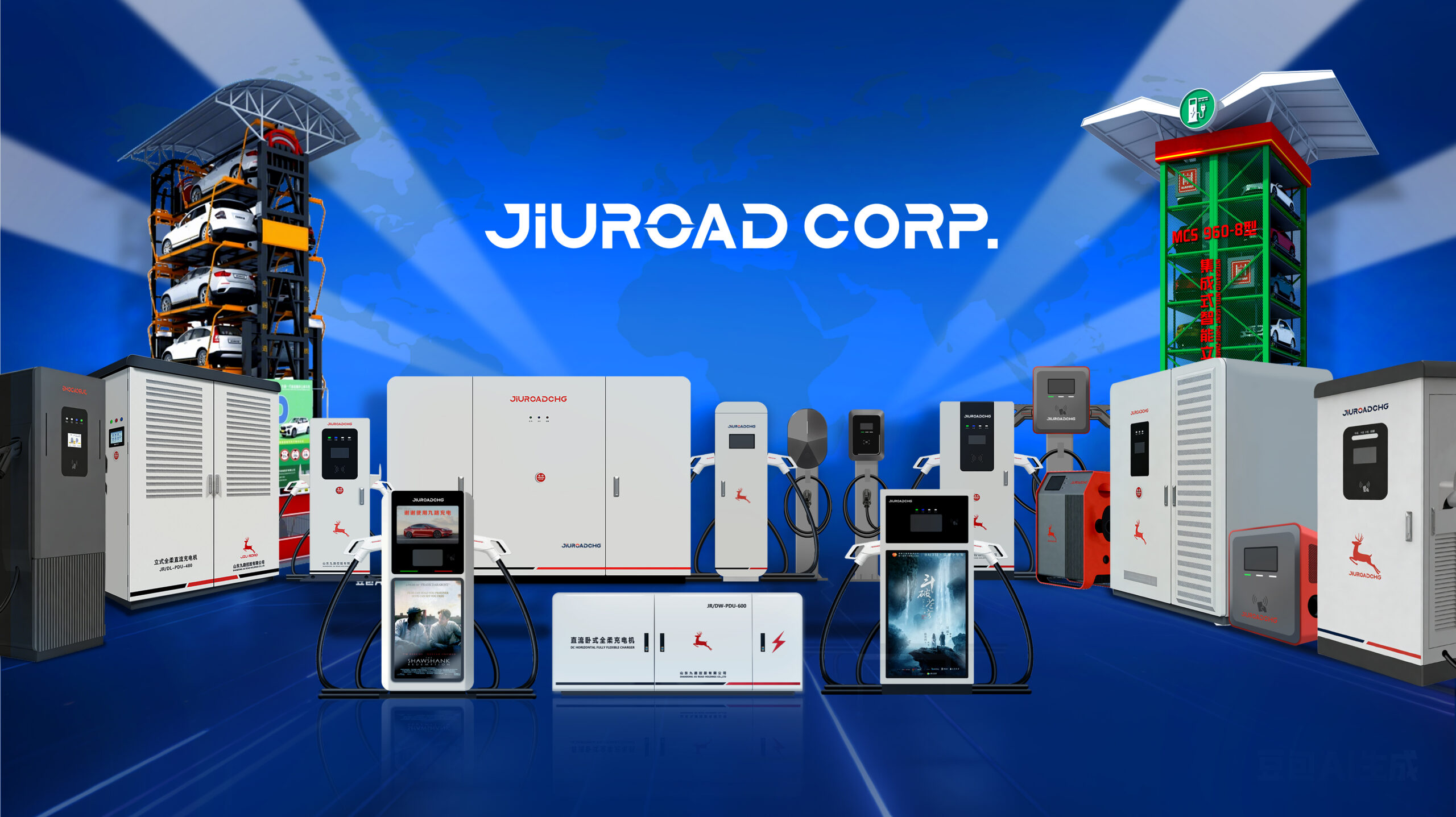
The shift to electric heavy-duty trucks in logistics parks necessitates the establishment of robust charging depots at ports. These facilities are essential for alleviating range anxiety associated with electric vehicles while ensuring operational reliability. Strategic planning and collaboration with utility companies are paramount for creating an efficient charging infrastructure. However, several challenges remain in integrating these systems effectively. Understanding these complexities will illuminate the path toward sustainable logistics solutions.
Key Takeaways
- Heavy-duty electric truck charging depots are essential for reducing range anxiety and supporting seamless freight movement in logistics parks.
- Strategic depot design enhances truck maneuverability, minimizes congestion, and optimizes simultaneous charging capacity for multiple vehicles.
- Real-time energy monitoring and load management ensure efficient energy distribution and lower operational costs at charging stations.
- Collaborations between utility companies and logistics operators foster innovative solutions and regulatory compliance for charging infrastructure development.
- Future trends indicate a shift towards ultra-fast charging systems and renewable energy sources to support the growing demand for electric trucking.
Understanding the Need for Heavy-Duty Electric Truck Charging
As the transportation industry increasingly shifts towards electrification, the necessity for heavy-duty electric truck charging infrastructure becomes paramount. The surging electric vehicle demand, driven by environmental regulations and technological advancements, requires a robust charging network expansion to support operational efficiency. Heavy-duty trucks, essential for logistics and freight operations, face unique challenges; their extensive range and power demands necessitate high-capacity charging solutions. The integration of strategically placed depots is critical to facilitate the shift from diesel to electric, alleviating range anxiety and ensuring seamless freight movement. Adequate charging infrastructure not only enhances the operational reliability of electric trucks but also contributes to sustainable logistics practices, paving the way for a greener transportation framework in the heavy-duty sector.
How Electric Truck Charging Depots Work in Logistics Parks
Electric truck charging depots in logistics parks are designed with specific infrastructure requirements to facilitate efficient charging of heavy-duty vehicles. Key design considerations include space allocation, deployment of fast-charging technology, and integration with existing logistics operations. Additionally, effective energy management solutions are essential to optimize power distribution and minimize operational costs within these depots.
Charging Infrastructure Requirements
While the shift to electric heavy-duty trucks is gaining momentum, the establishment of efficient charging infrastructure in logistics parks presents several crucial requirements. Key considerations include adherence to charging standards to guarantee compatibility, while selection of appropriate energy sources provides reliable power. Connectivity requirements must facilitate seamless integration of trucks with the charging system. Furthermore, demand forecasting is essential for optimizing charging station utilization. User accessibility and technology integration enhance the user experience. Maintenance protocols, alongside fortified safety measures, safeguard operational integrity. Finally, grid compatibility is critical for energy sustainability, and charging optimization maximizes efficiency, enabling rapid turnaround times important to logistics operations.
| Requirement | Importance | Impact |
|---|---|---|
| Charging Standards | Guarantees compatibility | Reduces downtime |
| Demand Forecasting | Optimizes usage | Enhances efficiency |
| Safety Measures | Protects users and equipment | Builds trust and reliability |
Depot Design Considerations
The design of heavy-duty truck charging depots in logistics parks requires meticulous planning to guarantee peak operational effectiveness and efficiency. Key considerations include the depot layout, which must accommodate the size and maneuverability of large trucks while optimizing space for charging stations. A strategic arrangement can facilitate streamlined flow for incoming and outgoing vehicles, minimizing congestion and wait times. Moreover, determining the appropriate charging capacity is critical; it guarantees simultaneous charging of multiple trucks, thereby reducing downtime. Adequate electrical infrastructure, including transformers and power supply systems, must be integrated to support this capacity. Additionally, future scalability should be considered, allowing for the adaptation to evolving industry demands and advancements in electric vehicle technology.
Energy Management Solutions
Integrating advanced energy management solutions is essential for optimizing operations within heavy-duty truck charging depots in logistics parks. These solutions leverage energy optimization techniques and demand forecasting to enhance charging efficiency and reduce operational costs.
| Aspect | Description | Benefits |
|---|---|---|
| Energy Monitoring | Tracks consumption in real-time | Identifies inefficiencies |
| Demand Forecasting | Predicts energy needs based on usage | Facilitates resource allocation |
| Load Management | Balances energy distribution | Prevents peak demand charges |
| Integration with Renewables | Combines with solar or wind power | Enhances sustainability |
The Role of Ports in Supporting Electric Truck Infrastructure
Ports play an essential role in the development of electric truck infrastructure through targeted investment strategies aimed at enhancing charging capabilities. By addressing environmental impact considerations, ports can align their operations with sustainability goals while facilitating the shift to electric freight transport. Additionally, collaboration among stakeholders—such as shipping companies, logistics providers, and government entities—is vital to create an integrated approach that supports efficient charging networks within port facilities.
Infrastructure Investment Strategies
While the shift to electric heavy-duty trucks presents significant challenges, strategic investments in infrastructure can leverage existing port facilities to accommodate this change effectively. Investment trends indicate a growing commitment from both private and public sectors to integrate sustainable technologies. Financing models such as public-private partnerships and innovative funding mechanisms are critical to facilitate necessary upgrades, ensuring access to reliable charging networks within logistics parks.
| Investment Trend | Potential Impact | Financing Model |
|---|---|---|
| Increased port electrification | Enhanced operational efficiency | Public-Private Partnerships |
| Sustainable energy sources | Reduced carbon footprint | Green Bonds |
| Smart grid integration | Optimized energy distribution | Federal Grants |
| Collaborative infrastructure | Streamlined logistics operations | Utility Incentives |
Environmental Impact Considerations
The shift to electric heavy-duty trucks necessitates a thorough assessment of environmental impacts, particularly within the context of port operations. Ports serve as critical hubs for logistics, where the integration of electric trucking can considerably contribute to emission reduction. Implementing electric truck charging depots at these facilities supports sustainable logistics by facilitating the movement to low-emission transportation options. This infrastructure not only reduces greenhouse gas emissions but also minimizes local air pollution, promoting healthier living conditions for surrounding communities. Moreover, the adoption of renewable energy sources to power charging stations amplifies these benefits, ensuring that sustainability measures extend beyond the trucks themselves. Collectively, these efforts position ports as pivotal players in advancing environmentally responsible logistics systems.
Collaboration Among Stakeholders
As the adoption of electric heavy-duty trucks accelerates, collaboration among various stakeholders becomes increasingly significant in advancing the infrastructure needed to support this change. Effective stakeholder engagement facilitates the establishment of robust partnership models, which are essential for deploying charging depots at logistics parks. Ports, as critical hubs in the supply chain, play a pivotal role by fostering partnerships among truck manufacturers, energy providers, and transportation authorities. These collaborations enable the pooling of resources and expertise required to design efficient charging networks that meet the demand of electric fleets. Additionally, integrating stakeholder feedback into planning processes guarantees that infrastructure solutions are not only technically sound but also aligned with operational needs, ultimately driving the shift towards sustainable logistics practices.
Top Benefits of Switching to Electric Trucks in Logistics
A growing number of logistics companies are recognizing the significant advantages associated with switching to electric trucks. These vehicles provide substantial cost savings through reduced fuel expenses and lower maintenance costs. Moreover, electric trucks enhance operational efficiency by minimizing downtime and streamlining routes with advanced technology.
| Benefit | Description |
|---|---|
| Cost Savings | Lower fuel and maintenance expenses |
| Operational Efficiency | Reduced downtime with faster charging |
| Environmental Impact | Decreased emissions and noise pollution |
| Regulatory Compliance | Easier adherence to environmental regulations |
The shift to electric trucking not only presents financial incentives but also yields operational benefits that can revolutionize logistics practices.
Tackling Long-Haul Challenges With Electric Trucks
Electric trucks face significant challenges in long-haul operations, primarily related to range anxiety and the adequacy of charging infrastructure. Addressing these concerns involves the development of advanced charging depots strategically located along major freight corridors to guarantee efficient recharging. Enhancing charging capabilities and establishing robust networks will be essential for facilitating the widespread adoption of electric trucks in long-distance logistics.
Reducing Range Anxiety
Although the shift to electric trucks offers significant environmental benefits, the challenge of range anxiety remains a critical barrier to widespread adoption, particularly in the long-haul segment of the freight industry. Effective range management strategies are essential for mitigating this issue. Advanced battery enhancement technologies can improve vehicle performance, extending the operational range of electric trucks. By employing regenerative braking and vehicle weight reduction methods, fleet operators can maximize energy efficiency. Furthermore, utilizing telematics for real-time data analysis empowers drivers to plan optimal routes and charging stops, reducing the fear of running out of power. The integration of these techniques not only alleviates range anxiety but also increases overall productivity and reliability, fostering greater acceptance of electric trucks in long-haul applications.
Improving Charging Infrastructure
Range management strategies are only one part of the solution to the challenges faced by long-haul electric trucking. To effectively address these challenges, significant advancements in charging technology are vital. Fast-charging infrastructure must be expanded to support high-capacity battery systems, enabling optimized turnover times for fleets. In addition, strategic placement of charging depots in logistics parks enhances operational efficiency by reducing downtime and improving route planning. Fleet electrification strategies also play a critical role; operators need to assess total cost of ownership, including charging costs and infrastructure investments. Partnerships between stakeholders, such as utility companies and logistics operators, are essential to foster innovative charging solutions. This collaborative effort will ultimately drive the adoption of electric trucks in long-haul applications, securing a sustainable future for logistics.
Comparing Electric Truck Charging Solutions: Fast vs. Ultra-Fast
The evolution of charging solutions for heavy-duty trucks presents a critical junction in optimizing efficiency and operational capabilities within the logistics sector. A charging speed comparison between fast and ultra-fast solutions reveals significant implications for fleet operations. Fast chargers typically provide an output ranging from 150 kW to 350 kW, suitable for depot-based operations or interim stops. Conversely, ultra-fast chargers, surpassing 350 kW, facilitate rapid turnaround times, essential for high-utilization fleets. Infrastructure scalability becomes a central concern; ultrafast charging demands more robust electrical systems and grid enhancements. The decision for logistics operators hinges on balancing charging time reduction with infrastructure investment, ensuring that the chosen solution aligns with operational demands and future growth while maximizing efficiency.
Environmental Benefits of Electric Truck Charging
Sustainability emerges as a pivotal consideration in the shift towards electric truck charging. The conversion from diesel to electric heavy-duty trucks plays a significant role in implementing sustainability initiatives, particularly in logistics parks and ports. By embracing electric truck charging, companies can substantially lower greenhouse gas emissions associated with freight transportation. This technology not only minimizes harmful pollutants but also addresses noise pollution, contributing to enhanced urban air quality. Additionally, the strategic placement of charging depots facilitates the widespread adoption of electric trucks, amplifying emissions reduction efforts. As logistics operators increasingly commit to eco-friendly practices, the environmental benefits of electric truck charging become a cornerstone in the broader agenda of decarbonizing the transportation sector and achieving long-term sustainability goals.
How Ports and Logistics Companies Can Collaborate on Electric Truck Initiatives
Collaboration between ports and logistics companies is essential for optimizing the deployment of electric truck initiatives. Establishing effective collaborative frameworks can enhance operational efficiencies and reduce emissions. The following strategies illustrate key areas for strategic partnerships:
- Infrastructure Development: Joint investments in charging depots guarantee adequate power supply and accessibility for heavy-duty electric trucks.
- Data Sharing: Collaborating on real-time data analytics can lead to improved route planning and reduced idle times.
- Regulatory Engagement: Working together to understand and influence policy shifts fosters an environment conducive to electric vehicle adoption.
- Workforce Training: Developing programs for technicians and drivers guarantees the smooth changeover to electric truck operations.
These cooperative efforts can yield significant advancements in both sustainability and logistics efficiency.
Lessons From Successful Electrified Logistics Parks
Successful electrified logistics parks serve as model ecosystems, demonstrating the potential of integrating electric vehicle technology within supply chain operations. These parks highlight effective strategies for supply chain optimization through the seamless integration of freight electrification initiatives. For instance, they utilize data analytics to optimize charging schedules, ensuring that electric trucks can operate at maximum efficiency without disrupting delivery timelines. Infrastructure investments, such as strategically placed charging stations, minimize downtime and enhance route planning for electric fleets. Collaborative efforts with energy providers also foster reliable access to renewable energy sources, further promoting sustainability. By analyzing performance metrics from these successful models, stakeholders can develop best practices that facilitate broad adoption of electric vehicles across regional supply chains, ultimately leading to significant emissions reductions.
Navigating Regulatory Aspects of Charging Depots
Compliance with regulatory frameworks is essential for the establishment of heavy-duty truck charging depots, as these guidelines dictate the operational landscape within which electrified logistics can thrive. Steering through regulatory compliance requires attention to several critical aspects:
- Zoning Regulations: Adhering to local zoning laws to identify suitable locations for charging infrastructure.
- Permitting Processes: Securing necessary permits and approvals from relevant authorities to guarantee legal operation.
- Environmental Regulations: Understanding and complying with environmental impact assessments to mitigate adverse effects.
- Safety Standards: Implementing safety protocols aligned with national electrical codes to protect users and infrastructure.
The Future of Heavy-Duty Truck Charging at Ports
The expansion of heavy-duty truck charging infrastructure at ports is poised to play a pivotal role in the shift towards sustainable logistics. By investing in this infrastructure, ports can greatly contribute to sustainability initiatives and propel logistics innovation forward. As electric truck adoption increases, ports will require advanced charging systems to accommodate varying operational needs.
| Aspect | Current Trends | Future Opportunities |
|---|---|---|
| Charging Speed | Fast Charging | Ultra-Fast Solutions |
| Energy Source | Grid Supply | Renewable Sources |
| Cost Efficiency | High Initial Costs | Long-term Savings |
| Infrastructure Development | Gradual Growth | Rapid Scaling |
| Technology Integration | Basic Digital Systems | Smart Grid Connectivity |
This transformative infrastructure will not only reduce emissions but also enhance operational efficiency across logistics networks.
Key Technologies for Port Electric Truck Charging Stations
As heavy-duty electric truck adoption becomes more prevalent, the implementation of advanced technologies for port electric truck charging stations emerges as a fundamental requirement. Key technologies driving this development include:
- Advanced Battery Technology: Innovations in battery design, such as solid-state batteries, enhance energy density and reduce charging times.
- High-Power Charging Systems: Stations equipped with high-power chargers facilitate rapid recharging, critical for minimizing downtime.
- Smart Charging Solutions: These technologies allow dynamic load management, incorporating renewable energy sources to optimize efficiency during peak operational hours.
- Universal Charging Standards: Adhering to standardized protocols guarantees compatibility across various truck models, streamlining the user experience and encouraging adoption.
Collectively, these technologies lay the groundwork for efficient, sustainable electric truck operations within port logistics.
Planning Effective Charging Infrastructure in Ports
While advancing electric truck technology is crucial, effective planning of charging infrastructure in ports is equally essential for ensuring seamless operations. Strategic charging station integration within logistics parks maximizes logistical efficiency, accommodating heavy-duty electric trucks’ operational demands. Ports must assess current traffic patterns, predict charging needs, and evaluate existing power supply capabilities to design a robust network of charging stations. Incorporating fast-charging solutions tailored to high-utilization timeframes will minimize downtime, ensuring that trucks can complete their routes efficiently. Moreover, data analytics can optimize station placement, aligning charging facilities with peak operational zones to enhance turnaround times. By adopting these technical measures, ports can facilitate a smoother shift towards a fully electrified logistics environment, ultimately contributing to sustainability goals and operational effectiveness.
Conclusion
In the evolving landscape of logistics, the electrification of ports is akin to planting seeds in fertile soil for a greener future. As heavy-duty truck charging depots take root, they nourish the burgeoning fleet of electric vehicles, allowing them to traverse the highways of sustainability with newfound vigor. While regulatory winds may challenge the growth, strategic planning and technological innovation will guarantee these infrastructures flourish, ultimately transforming the logistics ecosystem into a thriving, environmentally conscious landscape.