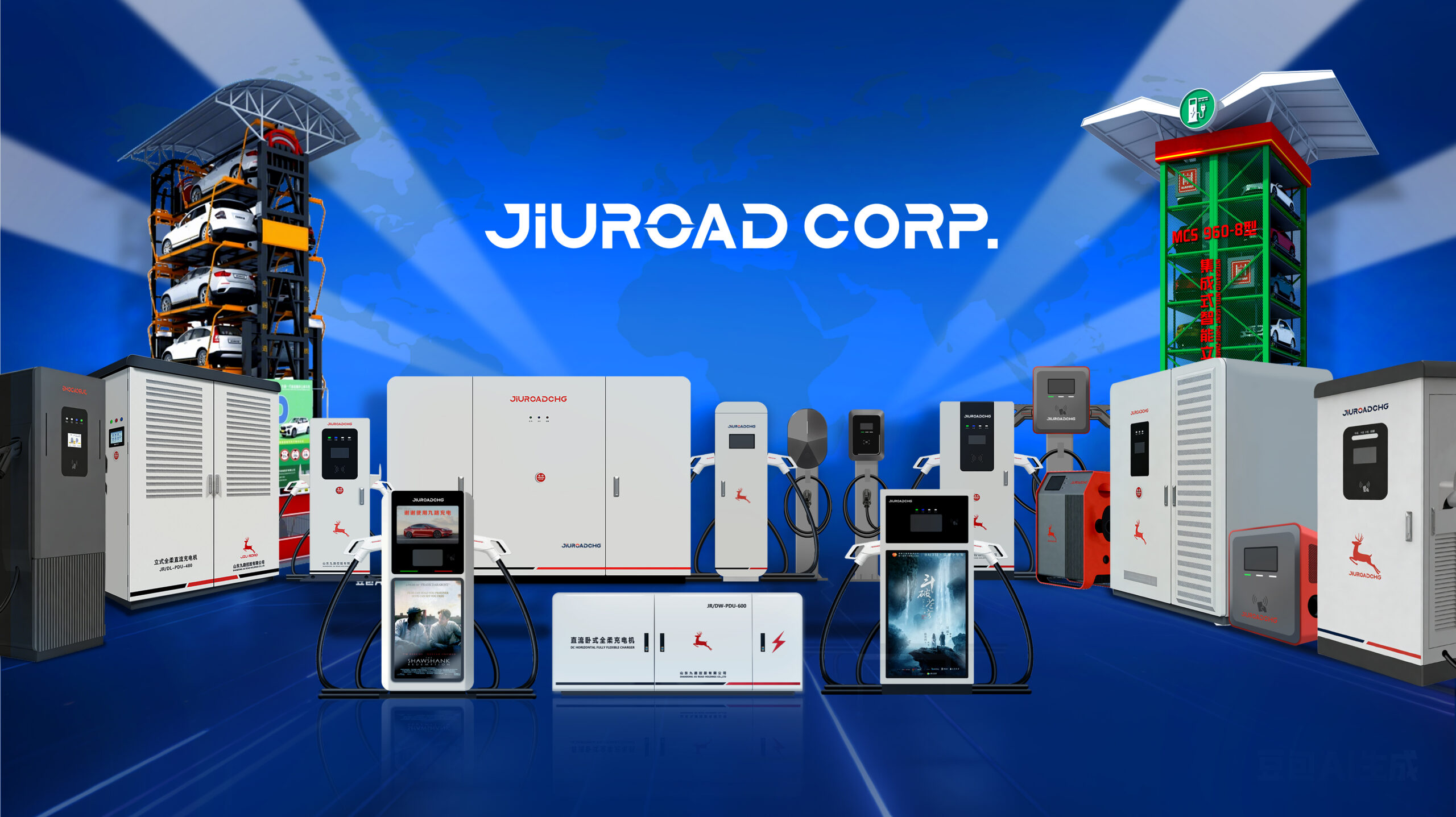
The integration of multi-megawatt charging infrastructure at airport and railway hubs represents a critical advancement in urban mobility. This approach not only answers the increasing demand for electric buses but also aligns transit systems with sustainability goals. By utilizing innovative technologies and renewable energy, authorities can enhance operational efficiency while reducing emissions. The next steps in this shift involve exploring collaborative strategies and evaluating the long-term impact on urban transport dynamics. What challenges lie ahead?
Key Takeaways
- Multi-megawatt charging infrastructure is essential for efficiently powering electric public transit buses at airport and railway hubs while supporting grid stability.
- Integrating real-time data analytics ensures optimized bus routes and charging schedules to enhance overall operational efficiency at transport hubs.
- Innovative technologies like wireless charging and smart energy management can facilitate seamless energy distribution and improve transit reliability.
- Strategic placement of charging stations, combined with renewable energy sources, minimizes congestion and addresses the accessibility needs of urban populations.
- Global case studies demonstrate successful multi-megawatt implementations, providing insights into best practices for sustainable urban mobility in transportation networks.
The Importance of Multi-Megawatt Charging Infrastructure
As the global transportation sector increasingly shifts toward electrification, the establishment of multi-megawatt charging infrastructure emerges as a critical necessity for airport and railway hubs. This infrastructure not only facilitates rapid charging for electric vehicles but also guarantees grid compatibility, allowing hubs to absorb and manage significant energy loads without compromising overall grid stability. Additionally, the scalability of charging solutions becomes paramount as regional and global demands for electric public transit rise. Planning for future expansion, these robust systems must incorporate adaptable technology that can grow alongside increasing electric vehicle adoption. Coordination with local energy providers is essential to guarantee that charging requirements align with energy supply, enhancing efficiency and reliability while supporting the ongoing shift toward sustainable transportation solutions.
How Electric Buses Enhance Urban Transit Systems
The electrification of public transportation systems is greatly propelled by the integration of electric buses, which offer a transformative approach to urban transit. These vehicles remarkably enhance urban mobility, providing a cleaner, quieter alternative to traditional diesel buses. With their zero-emission performance, electric buses align with global sustainability initiatives aimed at reducing air pollution and greenhouse gas emissions. Additionally, their ability to optimize routes and incorporate real-time data for scheduling fosters increased operational efficiency. This technology not only improves passenger experience through reduced wait times but also facilitates the development of integrated transit systems, encouraging multi-modal transport solutions. As cities increasingly invest in electric bus fleets, the foundations for resilient and sustainable urban infrastructure are strengthened, promoting an environmentally friendly future.
Innovative Technologies Driving Multi-Megawatt Charging Solutions
Driving advancements in electric mobility necessitates the development of innovative multi-megawatt charging solutions, which are becoming pivotal for scaling up the adoption of electric vehicles, particularly in public transportation. Key technologies include autonomous charging and wireless solutions that allow for rapid deployment and efficient operations. Modular systems facilitate scalable installations, easily integrating into existing infrastructure. Smart technologies and energy management systems optimize grid integration, ensuring reliable power distribution while leveraging vehicle-to-grid capabilities for enhanced energy efficiency. Multi-use stations support diverse transit needs while incorporating demand response strategies, allowing real-time adjustments based on energy requirements. Collectively, these innovations are shaping the future landscape of sustainable public transit, enhancing operational efficiency and environmental benefits.
How to Build Efficient Charging Stations at Airports?
Efficient charging stations at airports will play an essential role in supporting the growing number of electric vehicles used for transportation to and from terminals. To achieve this, integrating smart grid technology is vital. Such systems enable real-time monitoring and management of energy distribution, ensuring peak utilization of resources. Additionally, leveraging renewable energy sources like solar and wind will greatly reduce the carbon footprint of airport operations. Strategic placement of charging stations is also key, ensuring accessibility while minimizing congestion. Advanced battery technology and fast-charging solutions will further enhance the efficiency of these stations. Ultimately, a well-designed infrastructure, backed by innovative energy management systems, will enable airports to shift smoothly into the era of electric mobility, meeting future demands sustainably.
Strategies for Integrating Charging Hubs With Railway Operations
Integrating charging hubs with railway operations requires a strategic approach that maximizes synergy between electric vehicle infrastructure and public transport systems. Emphasizing operational synergies and schedule coordination is essential for seamless connectivity. Technology alignment facilitates infrastructure sharing, allowing both rail and electric buses to use common charging stations. Implementing robust safety protocols guarantees compliance with regulatory standards while enhancing passenger connectivity. Effective energy management strategies and data integration systems optimize charging times and maintenance strategies for both fleets, ultimately improving operational efficiency.
| Strategy | Benefits | Key Considerations |
|---|---|---|
| Schedule Coordination | Improved service reliability | Coordination with rail timetables |
| Infrastructure Sharing | Cost-effective solutions | Joint investments |
| Safety Protocols | Risk mitigation | Regulatory compliance |
| Technology Alignment | Enhanced efficiency | Compatibility standards |
| Data Integration | Informed decision-making | Real-time analytics |
Overcoming Challenges in Charging Infrastructure Implementation
Although the shift to electric charging infrastructure presents numerous benefits for airport and railway hubs, a range of challenges must be addressed to guarantee successful implementation. Regulatory hurdles often impede progress, necessitating alignment with evolving technological standards. Effective stakeholder engagement is critical for fostering utility partnerships that enable robust grid integration. Operational logistics must also be streamlined to make sure that charging solutions harmonize with existing infrastructure. Maintenance strategies need development to uphold safety compliance and mitigate downtime. Additionally, heightened public awareness is essential to shape community acceptance and facilitate compliance with stringent environmental regulations. Addressing these interconnected challenges will allow for a resilient, efficient charging infrastructure that supports the shift to electrified public transit systems.
Creative Funding Options for Multi-Megawatt Charging Projects
The successful establishment of multi-megawatt charging projects at airport and railway hubs hinges on innovative funding strategies that can bridge the financial gap associated with large-scale infrastructure deployment. Public private partnerships offer a collaborative approach, leveraging both governmental and private resources. Grant funding and technology grants can facilitate groundbreaking projects, while crowd funding allows community investments that maintain local engagement. Additionally, carbon credit incentives and utility rebates enhance financial viability. Sponsorship opportunities from corporations can further enrich funding streams. Innovative financing mechanisms such as investment tax credits also attract private capital by reducing investorsrisks. Collectively, these avenues create a robust financial ecosystem essential for advancing the electrification of public transit.
Effective Strategies for Strategic Charging Station Placement and Design
Effective strategies for charging station placement and design require a multifaceted approach that incorporates ideal location analysis, power demand planning, and user experience considerations. By leveraging data-driven insights, stakeholders can identify high-traffic areas that maximize accessibility and minimize congestion. Additionally, anticipating future power needs and integrating user-friendly designs will enhance the overall functionality and appeal of these essential infrastructure components.
Optimal Location Analysis
As urban transportation evolves, strategically positioning charging stations within airport and railway hubs emerges as a critical factor for maximizing efficiency and user satisfaction. Ideal location analysis utilizes spatial analysis to identify key location determinants aimed at enhancing accessibility metrics and minimizing environmental impact. Effective strategies include:
- Evaluating regional demand to guarantee appropriate resource allocation.
- Analyzing traffic patterns to enhance route optimization.
- Considering land use regulations for seamless integration into existing infrastructure.
- Incorporating stakeholder input to address community needs and concerns.
- Leveraging technology integration for real-time data monitoring and user interaction.
These strategies collectively promote the strategic placement and design of charging stations, ensuring they meet both current and future demands in a rapidly changing urban landscape.
Power Demand Planning
Strategic power demand planning is essential for optimizing charging station placement and design within airport and railway hubs, guaranteeing that infrastructure aligns with user requirements and emerging technologies. Effective power forecasting techniques must be employed to anticipate energy needs based on expected transit schedules and passenger volumes. Such methods allow for a proactive approach, mitigating congestion at charging stations. Additionally, energy balancing strategies can minimize peak load pressures, distributing demand evenly across the grid. This approach not only enhances operational efficiency but also guarantees grid reliability during high-demand periods. Ultimately, integrating advanced analytics within planning processes empowers stakeholders to develop a robust, future-proof charging infrastructure that meets evolving transit demands while supporting sustainability initiatives.
User Experience Considerations
Power demand planning sets the foundation for enhancing user experience at airport and railway hubs. Effective strategies for strategic charging station placement and design can greatly elevate passenger interactions and satisfaction. Key considerations include:
- User interface: Intuitive design streamlines navigation.
- Passenger feedback: Continuous input shapes improvements and adaptations.
- Accessibility features: Guarantee inclusivity for all users.
- Real-time notifications: Keep passengers informed about charging status and delays.
- Comfort amenities: Integrate seating and Wi-Fi to enhance waiting experiences.
Collaborations Among Airports, Railways, and Transit Agencies
Collaborations among airports, railways, and transit agencies are pivotal for future infrastructure development, supporting seamless multimodal transportation networks. Strategic partnerships can enhance operational efficiency while addressing funding opportunities and challenges that arise in an evolving landscape. By aligning objectives, these entities can drive innovations that prioritize sustainability and connectivity, ultimately fostering enhanced passenger experiences.
Strategic Partnerships For Success
Leveraging synergies among airports, railways, and transit agencies is critical for enhancing operational efficiency and passenger experience. Strategic partnerships can foster collaboration through various mechanisms:
- Stakeholder engagement to align diverse interests and influence project outcomes.
- Regulatory compliance to navigate the evolving transportation landscape efficiently.
- Public-private partnerships that enhance investment opportunities and resource sharing.
- Technological alignment to guarantee seamless integration of innovative solutions across platforms.
- Market analysis to identify emerging trends and optimize service offerings.
Infrastructure Development Initiatives
As infrastructure demands evolve in response to increased passenger volumes and technological advancements, collaborative initiatives among airports, railways, and transit agencies emerge as essential strategies for sustainable development. These partnerships focus on integrating sustainable materials into construction processes, ensuring that facilities meet current environmental standards while preparing for future needs. Urban planning becomes a critical element, facilitating seamless connectivity between various transit modes and optimizing land usage around transit hubs. By aligning their goals, stakeholders can maximize resource efficiency, enhance passenger experience, and promote eco-friendly practices. Such initiatives not only improve operational efficiency but also foster innovation, paving the way for smarter, more resilient transportation networks that can adapt to evolving urban dynamics and passenger expectations.
Funding Opportunities And Challenges
With the push for innovative infrastructure development, identifying funding opportunities and managing associated challenges has become increasingly important for airports, railways, and transit agencies. Effective collaborations can enhance project viability through diverse funding sources, yet budget constraints often pose significant hurdles. Key strategies include:
- Leveraging grant applications for federal and state funding
- Utilizing public-private partnerships to share risks and resources
- Implementing innovative cost-sharing models among stakeholders
- Exploring financial incentives to attract private investments
- Conducting thorough risk assessments to inform investment strategies
Future Trends in Electric Bus Charging Technology
Although traditional electric bus charging methods have served their purpose for years, the landscape is rapidly evolving to accommodate the increasing demands of urban mobility and sustainability. Future trends in charging technology reflect substantial advancements in battery capacity, enabling vehicles to support longer ranges. Rapid charging techniques are becoming commonplace, allowing fleets to recharge in minimal time. Additionally, smart grid integration transforms charging infrastructure into responsive systems, optimizing energy allocation based on demand response systems. Wireless charging solutions are emerging, providing seamless charging experiences while enhancing operational efficiency. These innovations emphasize sustainability considerations, helping urban transport systems reduce their carbon footprint and better align with future electrification goals. Ultimately, advancements in electric bus charging technology signify a pivotal shift in urban transit architecture.
Assessing the Environmental Benefits of Electric Buses in Transport Hubs
The integration of electric buses in transport hubs represents a transformative approach to addressing environmental challenges associated with urban mobility. By focusing on sustainability metrics, operators can quantify the benefits of electric buses while achieving emissions reduction through various mechanisms, such as:
- Substantial decreases in greenhouse gas emissions compared to diesel alternatives
- Improved air quality in urban environments, benefiting public health
- Lower noise pollution levels, enhancing overall hub experience
- Enhanced energy efficiency through regenerative braking systems
- Contribution to local policies aimed at reducing carbon footprints
As electric buses converge with charging infrastructure advancements, they pave the way for a sustainable future, advancing urban transit systems into eco-friendly operations and aligning with global sustainability goals.
Case Studies: Successful Implementations of Charging Infrastructure
Case studies of successful implementations of charging infrastructure present valuable insights into innovative charging solutions and integrated infrastructure models. These examples demonstrate how strategic planning and technology integration can enhance operational efficiency and user experience in airport and railway hubs. Analyzing these implementations will reveal best practices for future-proofing transport networks against evolving demand for electric mobility.
Innovative Charging Solutions
- Solar-Powered Charging Stations: Utilizing photovoltaic panels for off-grid charging.
- Dynamic Load Management: Adjusting energy distribution based on demand to enhance efficiency.
- Vehicle-to-Grid (V2G) Technologies: Allowing buses to return energy to the grid during peak demand periods.
- Modular Charging Units: Providing scalable power solutions that adapt as transit demands evolve.
- Automated Charging Solutions: Integrating robotics and AI for improved operational efficiency.
These initiatives pave the way for greener public transit, promoting a sustainable future in transportation.
Integrated Infrastructure Models
Frequently, cities around the world are adopting integrated infrastructure models to enhance the implementation of charging solutions for public transit systems. These models often leverage smart grid integration, optimizing energy distribution while accommodating the demands of multimodal transport hubs. Successful case studies illustrate the effectiveness of this approach in urban planning.
| City | Charging Model | Key Features |
|---|---|---|
| San Francisco | Semi-Automated | Real-time energy monitoring |
| Amsterdam | Hub Coordination | Seamless transport integration |
| Berlin | Renewable Sources | 100% green energy for charging |
| Tokyo | Dynamic Load Sharing | Balances demand across networks |
The insights gained from these implementations will be essential for future developments in sustainable urban mobility systems.
Conclusion
In the evolving landscape of urban mobility, the integration of multi-megawatt charging infrastructure at airport and railway hubs stands as a beacon of progress. By harmonizing electric buses with innovative charging solutions, cities can construct a resilient framework for sustainable transportation. As these electric chariots glide through urban corridors, they herald a future where efficiency and eco-friendliness coexist, illuminating pathways to cleaner air and enhanced passenger experiences. The journey toward a greener tomorrow begins with these strategic investments in transit technology.