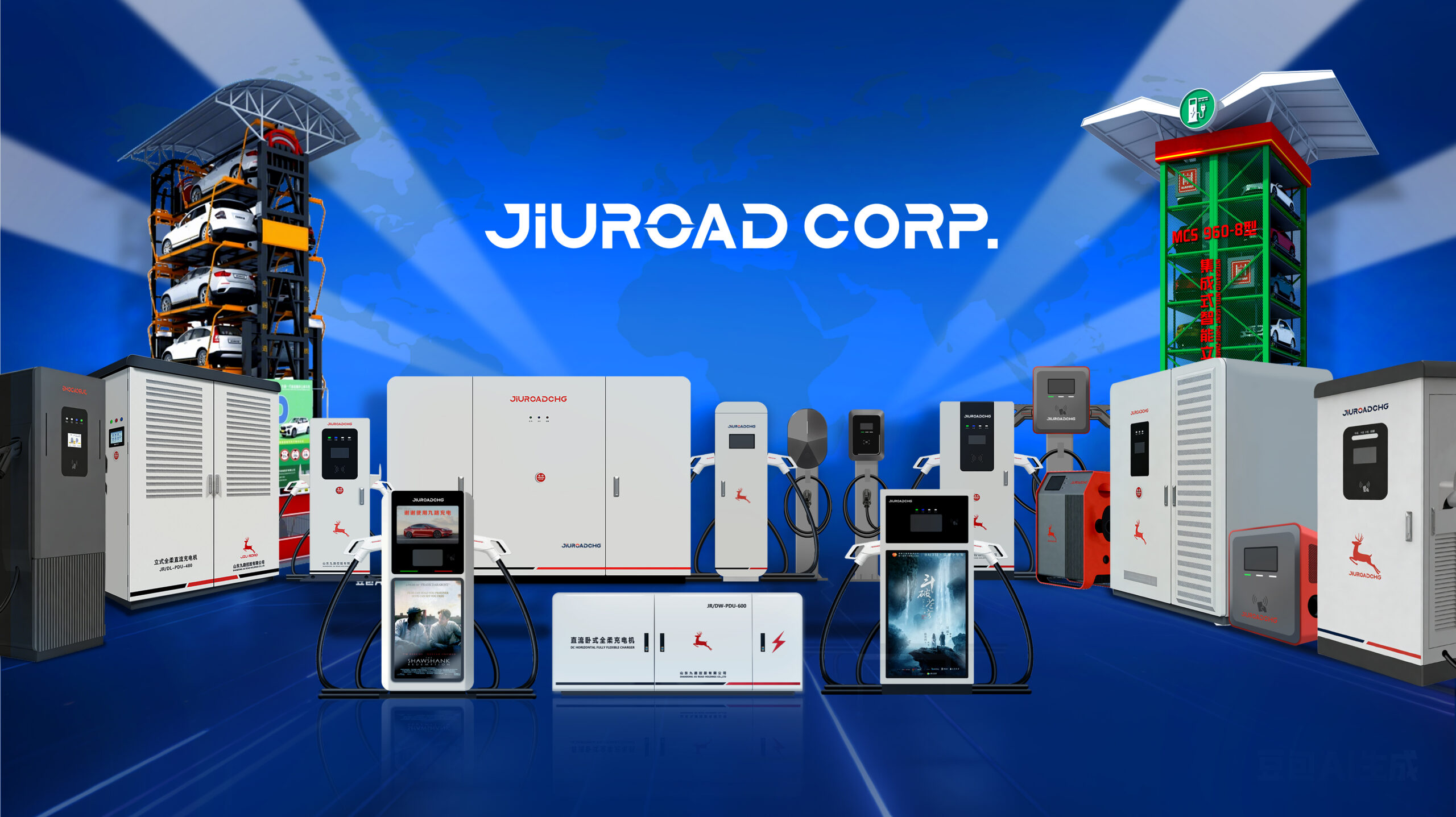
Apartment management companies face mounting pressure to eliminate billing discrepancies that erode profit margins and damage tenant relationships. CSMS cloud platforms offer a systematic approach to automating precise charge calculations across utilities, rent, and ancillary fees. These systems integrate directly with meter data, lease terms, and payment processors to generate accurate invoices without manual intervention. The technical architecture behind this automation reveals why traditional spreadsheet methods cannot compete.
Key Takeaways
- CSMS cloud platforms aggregate utility data from multiple sources and automate complex billing calculations to eliminate manual errors.
- Smart meters transmit real-time consumption data directly to billing engines, ensuring tenant charges accurately reflect actual usage.
- Automated systems apply customizable billing rules, including varied allocation methods and distinct billing cycles for different lease types.
- Integration with accounting software synchronizes financial records automatically while maintaining audit trails and compliance documentation without manual intervention.
- Transparent itemized billing with real-time usage tracking reduces payment disputes and builds tenant trust through clear consumption-based charges.
Why Manual Tenant Billing Costs Apartment Companies Time and Money
Manual tenant billing drains apartment management companies of two critical resources: staff hours and revenue accuracy. Inefficient processes force property managers to manually calculate utility allocations, chase down discrepancies, and reconcile spreadsheets—dramatically increasing employee workload while introducing billing errors that erode profit margins.
Outdated systems compound these challenges. Without automated data integration, staff spend hours inputting information across disconnected platforms, creating budgeting challenges and rising costs that scale with portfolio size. Each manual touchpoint represents potential revenue leakage.
The downstream effects extend beyond operations. Billing errors and lack of transparency generate tenant dissatisfaction, triggering disputes that consume additional administrative time. When residents question charges they cannot verify, trust deteriorates. Studies indicate properties using manual billing experience 23% higher dispute rates, directly correlating with increased turnover and vacancy losses.
What CSMS Cloud Platforms Actually Do for Property Managers
CSMS cloud platforms function as centralized hubs that aggregate utility data from multiple sources—meters, sensors, and provider feeds—into a single dashboard accessible to property managers. These systems execute automated billing calculations by applying complex rate structures, allocation formulas, and lease-specific parameters without manual intervention. Real-time usage monitoring capabilities enable managers to identify consumption anomalies, detect potential leaks, and generate accurate tenant invoices based on actual metered data rather than estimates.
Centralized Utility Data Tracking
When property managers oversee portfolios spanning dozens or hundreds of units, tracking utility consumption across multiple providers, meter types, and billing cycles becomes exponentially complex. CSMS cloud platforms solve this through robust data integration capabilities that consolidate information from disparate sources into unified dashboards.
These systems enable thorough utility tracking by:
- Aggregating meter readings from electric, gas, water, and sewer providers automatically
- Normalizing data formats across different utility company systems
- Storing historical consumption patterns for trend analysis and anomaly detection
- Synchronizing billing cycles to eliminate timing discrepancies
This centralized approach eliminates manual data entry errors and reduces administrative overhead. Property managers gain real-time visibility into consumption metrics across their entire portfolio, enabling faster decision-making and more accurate tenant billing calculations.
Automated Billing Calculations
Centralized utility data gains practical value only when transformed into accurate tenant charges through systematic billing calculations. CSMS cloud platforms apply predefined allocation formulas—whether ratio utility billing, submetering, or square footage distribution—to raw consumption data automatically. The system cross-references lease terms, occupancy dates, and unit specifications to generate precise charges without manual intervention.
Automated invoice generation eliminates calculation errors and reduces administrative workload considerably. These platforms compile utility costs, common area allocations, and applicable fees into consolidated tenant statements. Integration with accounting software guarantees financial records remain synchronized across systems.
Tenant payment reminders deploy automatically based on configurable schedules, reducing delinquency rates. The platform tracks payment status, applies late fees when applicable, and escalates overdue accounts according to established protocols. Property managers access real-time billing dashboards for immediate financial visibility.
Real-Time Usage Monitoring
Property managers leverage these capabilities for:
- Instant leak detection through abnormal consumption alerts that prevent costly water damage
- Peak demand identification enabling service optimization and load balancing strategies
- Comparative benchmarking across similar unit types to flag inefficiencies
- Predictive maintenance triggers based on usage anomalies indicating equipment failure
These monitoring systems eliminate manual meter reads and reconciliation delays. Data streams continuously to cloud servers, where algorithms process consumption information and generate automated reports. Property managers receive notifications when thresholds exceed predetermined parameters, enabling proactive intervention before billing disputes arise.
Core Features That Make Automated Tenant Billing Accurate
Automated tenant billing systems achieve accuracy through a combination of integrated data sources, real-time calculations, and rule-based logic that eliminates manual entry errors. These platforms synchronize meter readings, lease terms, and utility rate structures into unified databases, guaranteeing every charge reflects actual consumption patterns.
Effective tenant billing strategies rely on configurable algorithms that automatically apply property-specific allocation methods, whether ratio utility billing, submetering, or hybrid approaches. The automation benefits extend beyond error reduction—systems flag anomalies, generate audit trails, and maintain compliance documentation without human intervention.
CSMS Cloud platforms leverage API connections to pull data directly from smart meters, property management software, and utility providers. This integration-first architecture guarantees billing calculations update dynamically as rates change or occupancy shifts, delivering precise invoices that withstand tenant scrutiny and regulatory review.
How CSMS Clouds Calculate Utility Cost Allocation by Unit
CSMS cloud platforms leverage unit-level metering data to capture precise consumption metrics for each apartment, enabling accurate cost attribution based on actual usage rather than estimates. When individual meters are unavailable, these systems apply square footage calculations to distribute shared utility costs proportionally across units within a property. The integration of both methodologies allows property management companies to implement hybrid billing models that combine direct metering with ratio-based allocation for maximum accuracy.
Unit-Level Metering Data
Granular consumption tracking forms the foundation of accurate utility cost allocation within CSMS cloud platforms. Modern metering technology advancements enable real-time data capture at each individual unit, eliminating estimation-based billing inaccuracies. These systems leverage tenant behavior analytics to identify consumption patterns and detect anomalies that may indicate leaks or equipment malfunctions.
Key components of unit-level metering infrastructure include:
- Smart meters transmitting interval data every 15 minutes to cloud servers
- Automated data validation algorithms filtering erroneous readings
- Integration APIs connecting meter hardware with billing software
- Historical consumption databases enabling trend analysis and forecasting
This data architecture guarantees property managers access precise consumption metrics for each tenant. The resulting transparency supports defensible billing practices while providing actionable insights for property-wide efficiency improvements.
Square Footage Calculations
| Metric | CSMS Function |
|---|---|
| Unit Square Footage | Automated import from property database |
| Allocation Ratio | Real-time percentage calculation |
| Cost Distribution | Proportional billing generation |
| Adjustment Factors | Space efficiency modifiers |
These systems eliminate manual spreadsheet errors while ensuring transparent, defensible billing practices. Advanced platforms incorporate space efficiency variables—including ceiling heights and HVAC zone coverage—to refine allocations beyond basic square footage ratios. This data-driven approach directly impacts tenant satisfaction by demonstrating equitable cost distribution through verifiable calculations.
Setting Up Automated Rent and Fee Calculations in Your CSMS
Configuring automated rent and fee calculations within a CSMS requires property managers to establish precise parameters that govern recurring charges, late fees, and variable cost allocations. Effective tenant billing strategies depend on accurate system configuration that eliminates manual calculation errors and guarantees consistent charge application across all units.
Automated fee structures within modern CSMS platforms typically include:
- Base rent calculations tied to unit specifications and lease terms
- Prorated charge algorithms for mid-month move-ins and move-outs
- Late fee triggers activated by predefined grace period thresholds
- Utility cost-sharing formulas based on occupancy ratios or submeter data
Property managers must validate calculation logic through systematic testing before deployment. Integration with payment processing systems guarantees charges flow directly into tenant portals, reducing administrative overhead while maintaining data integrity across interconnected financial modules.
Integrating Payment Processing for Seamless Tenant Transactions
How effectively a CSMS handles payment processing directly determines tenant satisfaction rates and cash flow predictability for property management operations.
Modern CSMS platforms integrate with multiple payment gateways, enabling ACH transfers, credit card processing, and digital wallet transactions through unified APIs. These integrations synchronize payment data in real-time, automatically reconciling transactions against outstanding balances and generating instant confirmation receipts.
Billing transparency increases substantially when tenants access detailed payment histories, itemized charges, and automated payment schedules through self-service portals. Analytics dashboards track payment velocity metrics, identify delinquency patterns, and forecast revenue streams with precision.
Secure tokenization protocols protect sensitive financial data while maintaining PCI compliance standards. Automated retry logic for failed payments and configurable payment reminder sequences reduce administrative intervention while improving collection rates and overall tenant satisfaction across managed properties.
Real-Time Data Syncing Between Property Systems and CSMS Clouds
Payment processing efficiency depends on the underlying data infrastructure that connects disparate property management systems to centralized CSMS cloud environments. Real-time data synchronization eliminates latency issues that traditionally caused billing discrepancies and tenant disputes.
Cloud integration architectures enable bidirectional data flows between on-premise systems and centralized platforms. Property managers gain immediate visibility into consumption metrics, occupancy changes, and rate adjustments.
Key components of effective real-time syncing include:
- API-driven connections that transmit meter readings instantly to billing engines
- Automated conflict resolution protocols that reconcile data inconsistencies across systems
- Event-triggered updates that capture lease modifications within milliseconds
- Redundant data pathways ensuring continuous synchronization during network interruptions
Modern CSMS clouds leverage webhook notifications and streaming protocols to maintain data integrity. This infrastructure eliminates manual reconciliation tasks while ensuring tenant charges reflect current usage patterns accurately.
Customizing Billing Rules for Different Lease Types and Properties
Because lease structures vary considerably across residential, commercial, and mixed-use properties, billing engines must support granular rule customization that adapts to each contract’s unique parameters. CSMS clouds enable property managers to configure distinct billing flexibility settings based on lease types, accommodating property variations without manual intervention.
| Configuration Parameter | Residential Application | Commercial Application |
|---|---|---|
| Billing Cycles | Monthly fixed dates | Net-30/60/90 terms |
| Usage Allocation | Per-unit splits | Square footage ratios |
| Rate Structures | Flat tenant preferences | Tiered consumption models |
Automation benefits extend beyond efficiency—accurate rule application directly impacts revenue management outcomes. Properties utilizing customized billing engines report fewer disputes and accelerated payment cycles. This systematic approach guarantees each lease type receives appropriate calculations while maintaining audit-ready documentation across diverse portfolios.
How Automated Billing Reduces Disputes and Improves Tenant Trust
Automated billing systems strengthen tenant trust by delivering transparent, itemized charges that clearly break down each cost component, enabling residents to verify exactly what they are paying for. These platforms eliminate manual calculation errors through algorithmic processing of rates, usage data, and lease-specific variables, removing the human mistakes that frequently trigger billing disputes. Real-time usage tracking further enhances accuracy by capturing consumption data directly from smart meters and IoT sensors, providing tenants with up-to-date visibility into their utility usage and associated costs.
Transparent Charges Build Confidence
When tenants can access itemized breakdowns of every charge through integrated billing platforms, the likelihood of payment disputes decreases considerably. Billing transparency eliminates ambiguity, providing residents with real-time visibility into utility consumption, service fees, and recurring costs.
CSMS Cloud integrations deliver measurable improvements in tenant trust through:
- Automated consumption tracking that links charges directly to meter readings
- Digital audit trails documenting every billing calculation and adjustment
- Self-service portals enabling 24/7 access to payment histories and statements
- Instant notifications alerting tenants to upcoming charges before due dates
Property management companies implementing these transparent systems report reduced call volumes to accounting departments and faster payment cycles. Data-driven billing processes remove subjective interpretations from financial transactions, establishing clear expectations between management and residents while maintaining accurate records for compliance purposes.
Eliminating Manual Calculation Errors
Manual billing calculations introduce error rates that compound across hundreds of tenant accounts, creating discrepancies that erode resident confidence and generate time-consuming disputes. Industry data indicates manual entry processes produce error rates between 2-5%, translating to significant financial reconciliation challenges for portfolio managers.
CSMS Clouds eliminates these vulnerabilities through algorithmic calculation accuracy that processes utility allocations, late fees, and prorated charges without human intervention. The platform cross-references meter data, lease terms, and rate structures instantaneously, ensuring every statement reflects precise amounts owed.
This automation directly reduces dispute volume by removing subjective interpretation from billing workflows. When tenants question charges, property managers access transparent audit trails showing exactly how figures were derived. The result: faster resolution times, reduced administrative overhead, and measurable improvements in tenant trust metrics across managed properties.
Real-Time Usage Tracking Benefits
How effectively can property managers address tenant billing concerns when usage data remains invisible until statement generation? Real-time usage tracking transforms this dynamic by providing continuous visibility into consumption metrics.
CSMS Clouds delivers measurable advantages through automated monitoring:
- Instant anomaly detection identifies unusual usage patterns within hours rather than billing cycles
- Tenant engagement portals enable residents to monitor their own consumption daily
- Automated alerts notify both managers and tenants when thresholds approach
- Historical data visualization provides transparent documentation for any billing inquiries
This data-driven approach eliminates the information asymmetry that typically fuels disputes. When tenants access the same real-time metrics as management, trust increases organically. Property managers report greatly fewer contested charges when usage patterns remain visible throughout each billing period.
Scaling CSMS Automation Across Multi-Property Portfolios
As apartment management companies expand their portfolios beyond single properties, the complexity of utility billing operations increases exponentially, demanding centralized systems capable of handling diverse rate structures, varying utility providers, and property-specific configurations simultaneously.
Effective scalability strategies require CSMS platforms with multi-tenant architecture that isolates property data while maintaining unified reporting dashboards. Portfolio management teams benefit from standardized API connections that replicate billing workflows across new acquisitions within hours rather than weeks.
Cloud-based CSMS solutions enable centralized meter data aggregation from geographically dispersed properties, applying location-specific utility rates automatically. This infrastructure supports bulk invoice generation, consolidated financial reporting, and cross-property analytics. Management companies leveraging these automated systems achieve operational efficiency gains of 40-60% compared to fragmented, property-by-property billing approaches.
Security and Compliance Standards for Cloud-Based Billing Data
Because cloud-based CSMS platforms process sensitive tenant financial data and personally identifiable information across distributed infrastructure, security frameworks must address encryption protocols, access controls, and regulatory compliance at every integration point.
Property management organizations must implement thorough risk management strategies that guarantee tenant privacy while maintaining operational efficiency. Vendor accountability becomes critical when third-party platforms handle billing transactions.
Key security requirements include:
- Cloud encryption utilizing AES-256 standards for data at rest and TLS 1.3 for data in transit
- Access controls implementing role-based permissions with multi-factor authentication
- Audit trails documenting every billing modification, user action, and system access event
- Compliance regulations alignment with PCI-DSS, SOC 2, and state-specific data security mandates
These protocols establish defensible data governance across multi-property portfolios.
Common Implementation Mistakes and How to Avoid Them
Even organizations that establish robust security frameworks frequently undermine their CSMS deployments through preventable implementation errors that compromise data integrity and operational performance.
The most critical implementation pitfalls include inadequate data migration validation, insufficient staff training on platform functionality, and failing to establish clear tenant communication protocols before system activation. Property managers often neglect parallel testing periods, resulting in billing discrepancies that erode resident trust.
To mitigate these risks, organizations should conduct thorough data audits pre-migration, implement phased rollouts across property portfolios, and establish automated tenant communication workflows that explain billing changes transparently. Additionally, configuring proper API connections between existing property management software and CSMS platforms prevents data silos. Regular system audits and establishing feedback mechanisms enable continuous optimization while maintaining billing accuracy across all managed properties.
Measuring ROI After Switching to CSMS Cloud Billing Automation
While successful implementation establishes the foundation for cloud billing automation, property management companies must quantify tangible returns through systematic performance measurement to justify CSMS investments.
Effective ROI analysis requires tracking specific metrics that demonstrate measurable cost savings and operational improvements:
- Labor hour reduction: Calculate staff time previously spent on manual billing versus automated processing cycles
- Error rate decline: Monitor billing disputes and correction requests pre- and post-implementation
- Collection velocity: Measure days-to-payment improvements through automated invoicing and payment integration
- Operational overhead: Track reduced paper, postage, and administrative expenses
Data-driven organizations establish baseline measurements before migration, enabling accurate comparisons. Quarterly performance reviews allow property managers to identify optimization opportunities and validate projected cost savings against actual financial outcomes.
Conclusion
The journey from manual billing chaos to automated precision mirrors a ship finally finding its compass. CSMS cloud platforms serve as that navigational instrument, transforming scattered data streams into unified revenue channels. Property managers who embrace this digital transformation don’t merely adopt software—they architect scalable ecosystems where accuracy compounds across portfolios. The numbers speak clearly: integrated automation delivers measurable ROI, operational efficiency, and the competitive advantage modern apartment management demands.