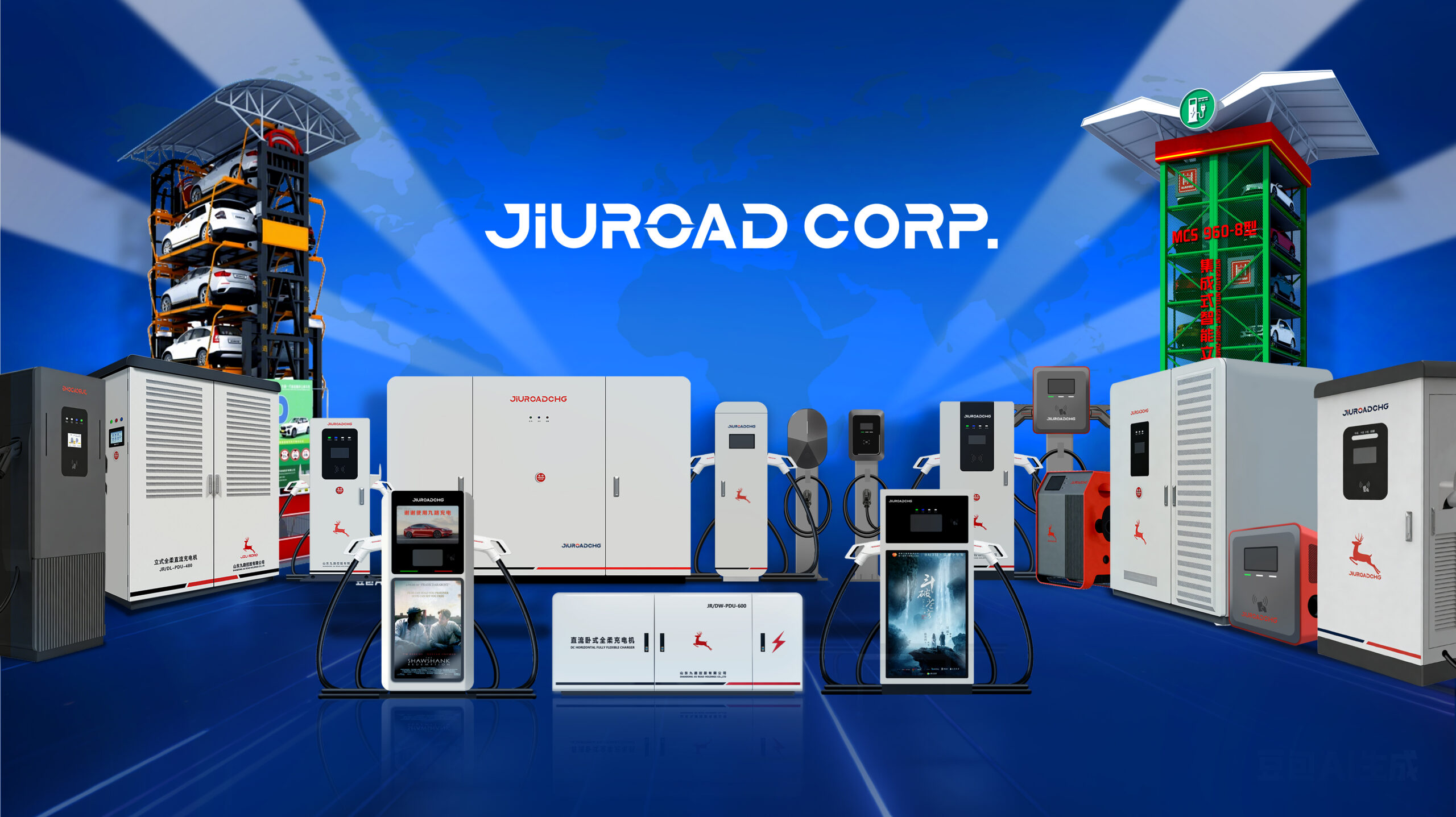
The Independent CPO Guide to Deploying Highway Service Area Charging in Extreme Cold Climates identifies critical challenges inherent in cold weather scenarios. Reduced battery performance and increased charging times pose significant barriers. Strategic site selection and the implementation of innovative technologies are necessary for effective deployment. Understanding these elements is crucial for ensuring infrastructure resilience against harsh conditions. The guide further explores essential practices that can enhance the user experience and operational efficiency in such environments.
Key Takeaways
- Select charging locations with adequate accessibility and proximity to existing services, ensuring safe vehicle approach and departure in cold weather.
- Incorporate advanced thermal insulation and heating mechanisms to maintain battery performance and reduce charging times in extreme cold climates.
- Utilize weather-resistant materials and design layouts that enhance user safety and comfort during adverse weather conditions at service areas.
- Implement real-time monitoring systems for proactive maintenance and immediate issue resolution, ensuring charging reliability in harsh environments.
- Engage the community through education and feedback mechanisms to enhance user awareness and support for sustainable highway charging initiatives.
Identifying Key Challenges for Cold Climate Electric Vehicle Charging
How do cold climates uniquely impact the performance of electric vehicle (EV) charging infrastructure? In frigid conditions, EV charging stations face distinct challenges, including reduced battery efficiency and prolonged charging times due to thermal constraints. Effective thermal insulation becomes essential to maintain operational performance, ensuring that charging equipment remains functional despite extreme temperatures. Additionally, user education plays a significant role; informing EV drivers about the implications of cold weather on battery range and charging capabilities can optimize their charging experience. Strategies must be developed to mitigate these challenges, incorporating advanced insulation technologies and continuous user engagement, which collectively enhance the reliability of highway service area charging in cold climates while maximizing the infrastructure’s utility and fostering EV adoption in these regions.
Critical Factors for Selecting Cold Climate Charging Sites
Selecting appropriate sites for electric vehicle (EV) charging stations in cold climates requires careful consideration of various factors that influence operational efficiency and user experience. Site selection should prioritize locations with adequate accessibility, ensuring that vehicles can safely approach and depart. Additionally, evaluating the environmental impact is essential. Charging stations should be positioned to minimize disruption to local ecosystems while benefiting from natural windbreaks and sun exposure to mitigate adverse weather effects. Proximity to existing infrastructure, including electricity sources and maintenance facilities, is also critical for operational continuity. Furthermore, regional policies and incentives can play a significant role in site selection, encouraging the strategic placement of charging stations to maximize utilization and support EV adoption in harsh climates.
Choosing Suitable Charging Solutions for Extreme Cold
As extreme cold temperatures pose unique challenges for electric vehicle (EV) charging, it becomes imperative to identify suitable charging solutions that can withstand harsh environmental conditions. Key considerations include the selection of charging equipment engineered for peak battery performance under low temperatures. Solutions should incorporate advanced heating mechanisms to guarantee efficient energy transfer and maintain battery integrity. Heating solutions can mitigate the adverse effects of cold on battery chemistry, enhancing overall charging efficiency and reducing downtime. Additionally, charging stations should be strategically located to leverage thermal insulation and maximize energy use. The integration of robust monitoring systems can provide real-time data, facilitating proactive maintenance and performance assessments in frigid climates, ensuring reliable and effective EV service in extreme cold.
How to Manage EV Batteries in Frigid Conditions
Cold weather notably impacts electric vehicle (EV) battery performance, necessitating targeted management strategies to sustain functionality and longevity. Optimizing thermal regulation is vital, as low temperatures adversely affect battery chemistry, leading to diminished capacity and increased internal resistance. Effective management strategies include preconditioning batteries before usage to maintain ideal temperatures and deploying robust thermal management systems during charging.
| Strategy | Impact |
|---|---|
| Preconditioning | Enhances battery efficiency |
| Insulation | Reduces heat loss |
| Active thermal regulation | Maintains ideal performance |
| Monitoring battery health | Prevents failure and extends life |
Implementing these strategies can greatly enhance EV battery resilience, ensuring reliable operation in frigid conditions while supporting overall sustainability efforts in electric mobility.
Build Resilient Charging Infrastructure for Cold Weather
A robust charging infrastructure is essential for ensuring that electric vehicles operate effectively in cold weather conditions. To achieve this, a strategic approach must prioritize heat retention and ice prevention. Implementing insulated charging stations can mitigate heat loss, thereby maintaining ideal ambient temperatures for both equipment and vehicles. Additionally, proactive ice prevention techniques, such as heated charging pads and effective drainage systems, can avert hazardous conditions that may thwart accessibility and functionality. By integrating materials and technologies designed to withstand extreme cold, charging networks can enhance reliability and user confidence. Overall, constructing resilient infrastructures is crucial not only for operational effectiveness but also for fostering the broader adoption of electric vehicles in regions susceptible to severe winter climates.
Optimizing Accessibility at Cold Weather Charging Stations
Focusing on accessibility at cold weather charging stations necessitates a multifaceted approach that integrates station design considerations, proactive maintenance strategies, and user-friendly navigation systems. Effective design can enhance shelter and safety, while robust maintenance protocols guarantee consistent operational readiness in harsh conditions. Additionally, intuitive navigation systems can greatly enhance user experience, facilitating easier access even during adverse weather.
Station Design Considerations
As temperatures plummet, designing highway service area charging stations requires careful consideration of factors that enhance accessibility and functionality in cold weather conditions. Effective station layout should prioritize ease of vehicle maneuverability and proximity to amenities, ensuring that users can efficiently access charging points. Material selection is essential; anti-slip surfaces and weather-resistant materials can mitigate hazards and prolong station longevity. Integrating heating solutions, such as heated pavements or overhead heaters, can prevent snow and ice accumulation, ensuring that chargers remain operational. Signage design must be clear and visible in low-visibility conditions, guiding users to charging stations efficiently. Additionally, optimizing power capacity is critical to support simultaneous charging demands, particularly during peak travel periods in extreme cold, thereby maximizing user convenience.
Proactive Maintenance Strategies
Maintaining accessibility at cold weather charging stations necessitates a proactive approach that addresses potential issues before they arise. Implementing preventive maintenance and routine inspections can enhance reliability, ensuring systems remain operational during extreme temperatures. User training is essential for staff to effectively manage equipment upgrades and respond to challenges. Robust monitoring systems should be established, allowing for real-time feedback on infrastructure performance.
| Strategy | Key Actions | Purpose |
|---|---|---|
| Preventive Maintenance | Scheduled checks on equipment | Reduce breakdowns |
| Weatherproofing | Insulating components | Protect against cold weather |
| Emergency Preparedness | Develop rapid response plans | Enhance safety and accessibility |
A well-defined maintenance schedule reinforces the station’s resilience against cold climate impacts.
User-Friendly Navigation Systems
User-friendly navigation systems play a critical role in enhancing accessibility at cold weather charging stations. Effective implementation of navigation aids, such as real-time location tracking and updated maps, guarantees that electric vehicle users can easily locate charging stations in challenging weather conditions. Route optimization is essential in this situation, as driving in extreme cold can greatly impact battery life and vehicle performance. By providing users with ideal pathways to charging points, navigation systems not only improve the overall charging experience but also enhance safety and efficiency. Strategic integration of these technologies can lead to increased usage of charging facilities, thereby promoting electric vehicle adoption in regions prone to harsh winter conditions, ultimately supporting broader sustainability goals.
Enhancing User Experience in Extreme Cold Charging Environments
Steering the challenges of extreme cold charging environments necessitates a strategic approach to enhance the overall user experience. Key user experience enhancements focus on maintaining thermal comfort for users while they wait during the charging process. Implementing sheltered charging stations with heated waiting areas can considerably reduce discomfort caused by low temperatures. Additionally, equipping charging units with user-friendly interfaces that provide live updates on charging progress and estimated wait times fosters transparency and reduces uncertainty. Further, integrating these systems with mobile applications can allow users to monitor charging status remotely, thereby optimizing their time management. Collectively, these strategies contribute to a more pleasant, efficient, and user-centric experience in extreme cold climates, ultimately encouraging higher adoption rates of electric vehicles.
Maintaining Charging Stations and Preparing for Emergencies
Effective management of charging stations requires a multifaceted approach to guarantee operational reliability and readiness for emergencies. This entails a strategic focus on emergency preparedness and robust incident response protocols tailored for extreme cold climates. Key considerations include:
- Regular Maintenance: Periodic inspections and servicing of charging infrastructure to prevent failures.
- Real-time Monitoring: Implementation of systems to track performance metrics and alert operators to potential issues.
- Emergency Drills: Conducting training exercises simulating various emergency scenarios to make certain staff are well-prepared.
- Communication Plans: Establishing clear lines of communication among stakeholders during incidents, facilitating a coordinated response.
Collaborating With Local Governments for Effective Deployment
While the successful deployment of charging stations largely hinges on technological advancements, collaborating with local governments remains a critical component of the strategic planning process. Effective partnerships facilitate community engagement and can drive the implementation of policy incentives that enhance infrastructure development. Local governments can help identify ideal locations and guarantee compliance with regulations. Additionally, their involvement fosters public support and encourages collaborative funding opportunities.
| Key Component | Description | Benefits |
|---|---|---|
| Community Engagement | Involving local stakeholders | Builds trust and improves usage rates |
| Policy Incentives | Government grants and discounts | Encourages investment and reduces costs |
| Infrastructure Planning | Evaluating site viability and access | Guarantees strategic site placements |
| Public Outreach | Educational campaigns about benefits | Increases public awareness and usage |
| Feedback Mechanisms | Gathering user input for adjustments | Improves service offerings continually |
Innovative Technologies for Cold Climate Charging
Innovative technologies are essential for enhancing the viability of electric vehicle charging in cold climates, where performance can be adversely affected by low temperatures. Thermal management solutions can mitigate battery performance issues, while advanced charging infrastructure is integral to addressing increased energy demands. Additionally, smart grid integration offers the potential to optimize energy distribution and reduce costs, ensuring efficiency in cold weather charging scenarios.
Thermal Management Solutions
Cold climates pose significant challenges for electric vehicle (EV) charging due to the detrimental effects low temperatures have on battery performance and charging efficiency. Implementing effective thermal management solutions is essential to mitigate these impacts. Strategies focusing on thermal insulation and heat recovery can enhance charging processes in extreme conditions. Key innovations include:
- Reflective thermal insulation: Reduces heat loss, maintaining ideal battery temperatures.
- Phase change materials: Utilize latent heat storage to stabilize thermal fluctuations.
- Heat recovery systems: Capture waste heat from charging units for redistribution.
- Active thermal management: Employs smart controls to regulate heating according to real-time data.
These technologies present a strategic framework aimed at enhancing EV charging in cold environments, ensuring both efficiency and reliability.
Advanced Charging Infrastructure
The evolution of charging infrastructure in cold climates has necessitated the integration of advanced technologies specifically designed to address the unique challenges posed by low temperatures. Recent charging technology advancements have led to the development of robust systems that enhance efficiency and reliability, thereby ensuring effective vehicle charging in frigid conditions. Innovations such as insulated charging cables and heated charging pads minimize energy loss, while advanced battery management systems optimize charging times based on ambient conditions. Additionally, strategic user interface design plays a vital role by providing intuitive interactions that guide users through the charging process, ensuring ease of use even in harsh environments. Together, these elements form a resilient charging ecosystem that supports electric vehicle adoption in extreme cold climates.
Smart Grid Integration
Advancements in charging infrastructure have paved the way for the integration of smart grid technologies, particularly vital in regions with frigid climates. This integration provides significant smart grid benefits that enhance the efficiency and reliability of electric vehicle (EV) charging in extreme conditions. Key strategies include:
- Real-time energy management, optimizing the load on local grids during peak charging hours.
- Demand response capabilities, allowing the network to adapt to fluctuating energy demand and prevent outages.
- Environmental monitoring, for early detection of severe weather impacts on charging stations.
- Distributed energy resources, incorporating renewable energy to reduce reliance on traditional power sources and improve energy resilience.
Collectively, these advancements align with strategic goals to meet energy demands while ensuring dependable service in harsh climates.
Exploring Sustainable Energy Sources for EV Charging
Sustainable energy sources play a pivotal role in the development of efficient electric vehicle (EV) charging infrastructure. Integrating solar panels, wind turbines, and geothermal energy can greatly enhance the sustainability of EV charging stations. The strategic implementation of bioenergy solutions further diversifies energy portfolios, providing resilience against fluctuations in energy supply. Energy storage systems complement these renewable sources by ensuring availability during peak demand periods, thereby optimizing charging efficiency. Demand response initiatives can align charging patterns with renewable generation, promoting effective renewable integration. Engaging local communities fosters support for these initiatives, enhancing their environmental impact. By prioritizing sustainability in EV charging infrastructure, stakeholders can create a cleaner, more efficient future for transportation while addressing the pressing challenges of climate change.
What Are Best Practices for Cold Weather Charging?
Though cold weather presents significant challenges for electric vehicle (EV) charging, implementing best practices can optimize performance and secure reliability. The strategies outlined below focus on preserving battery performance while adhering to proper charging etiquette.
- Utilize optimized charging stations equipped with thermal management systems to maintain battery temperatures.
- Schedule charging during off-peak hours to utilize more favorable energy rates and reduce infrastructure strain.
- Educate users about the importance of preconditioning vehicles before charging to enhance battery efficiency.
- Monitor ambient temperatures and adapt charging speeds accordingly to prevent battery degradation and secure longer lifespan.
Conclusion
To sum up, effectively deploying EV charging in extreme cold climates necessitates a thorough approach that encompasses strategic site selection, robust infrastructure, and user education. By addressing the unique challenges posed by low temperatures, stakeholders can enhance the viability of electric vehicles in these conditions. As the demand for sustainable transportation grows, one must ask: How can innovation in technology and collaboration among various sectors pave the way for a reliable EV charging network in even the harshest environments?