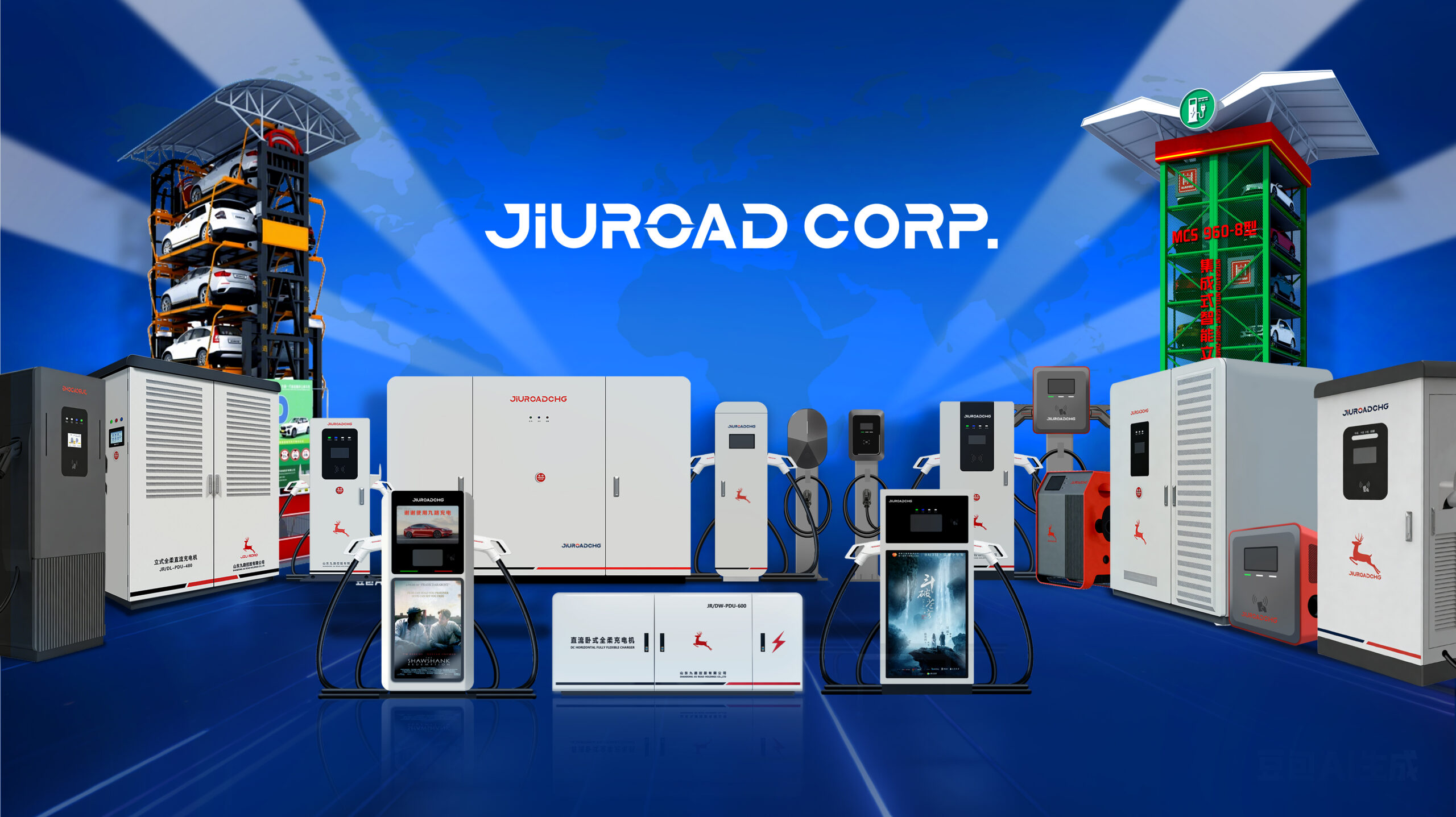
The deployment of 800V charging infrastructure across Asian highways requires stringent technical specifications that address regional grid variations, safety protocols, and interoperability standards. Charge Point Operators must navigate complex regulatory frameworks spanning multiple jurisdictions while ensuring compliance with country-specific requirements from Japan’s rigorous safety protocols to China’s GB/T standards. Critical considerations include power delivery efficiency, thermal management systems, and site-specific design parameters that directly impact operational viability and long-term profitability in this rapidly evolving market landscape.
Key Takeaways
800V systems require medium voltage grid connections (11kV-35kV) and specialized transformers for highway charging stations exceeding 1MW capacity.
Asian markets mandate country-specific certifications: GB/T standards in China, KS C IEC 61851 in South Korea, and JIS C 8714 in Japan.
Highway stations must deliver minimum 350kW output with 10-80% charging in 18 minutes while maintaining 95% energy efficiency ratings.
Infrastructure requires IP54 protection, seismic resistance, harmonic filtering under 5% THD, and real-time grid stability monitoring systems.
CPO tenders must include CCS2 DC connectors, local payment integration, emergency protocols, and compliance with disability accommodation requirements.
Understanding 800V Charging Technology and Its Impact on Asian Highway Networks
The proliferation of 800V charging architecture represents a fundamental shift in electric vehicle infrastructure requirements across Asian highway networks. This advanced system operates at nearly double the voltage of conventional 400V platforms, enabling power delivery rates exceeding 350kW while maintaining stringent safety protocols. The technology markedly enhances battery efficiency through reduced charging times and thermal management optimization, critical factors for long-distance highway travel scenarios.
Asian highway corridors demand robust charging solutions that guarantee seamless highway accessibility across diverse geographical terrains and climate conditions. The 800V standard necessitates upgraded electrical infrastructure, enhanced cooling systems, and specialized safety mechanisms including arc fault detection and ground fault monitoring. Regional charge point operators must evaluate compatibility matrices, thermal derating parameters, and grid integration capabilities when specifying these next-generation charging systems for highway deployment projects.
Key Differences Between 800V and 400V Systems for Highway Deployment
Voltage architecture selection fundamentally determines charging infrastructure specifications, operational parameters, and deployment strategies across highway networks. The shift from 400V to 800V systems introduces significant technical differentiations affecting charging efficiency and market competitiveness.
| Parameter | 400V Systems | 800V Systems |
|---|---|---|
| Current Requirements | 500-625A for 250kW | 312A for 250kW |
| Cable Specifications | Heavier gauge conductors | Reduced conductor size |
| Thermal Management | Higher heat generation | Lower resistive losses |
Higher voltage architectures reduce current flow proportionally, minimizing resistive losses and improving charging efficiency. Cable thermal stress decreases substantially, enabling lighter infrastructure components and reduced cooling requirements. Safety protocols require enhanced insulation standards and arc fault protection systems. Installation complexity increases through specialized high-voltage certification requirements, while operational maintenance demands advanced technical expertise for system diagnostics and component replacement procedures.
Asian Market Overview: Country-Specific EV Adoption Rates and Infrastructure Goals
Asian markets demonstrate significant variation in EV adoption trajectories, with China leading at approximately 35% market share, South Korea achieving 15%, and Japan maintaining 3% as of 2024. Infrastructure development targets reflect these disparities, ranging from China’s goal of 20 million charging points by 2025 to Japan’s more conservative 150,000 quick-charging stations by 2030. These metrics directly influence 800V charging infrastructure specifications, as higher adoption rates necessitate enhanced power delivery capabilities and standardized connector protocols across regional networks.
EV Adoption Metrics
Several Asian markets demonstrate accelerated electric vehicle adoption trajectories that directly influence 800V charging infrastructure requirements and deployment strategies. China leads with 35.7% EV market share in 2024, followed by South Korea at 8.8% and Japan at 3.9%. Market trends indicate exponential growth patterns requiring systematic impact assessment methodologies for charging network planning.
South Korea targets 8.87 million EVs by 2030, necessitating 15,000 ultra-fast charging stations. Japan’s 2035 electrification mandate drives infrastructure acceleration, while Thailand aims for 1.2 million EVs by 2030. Singapore’s carbon neutrality goals mandate extensive charging networks.
These adoption metrics establish critical performance benchmarks for 800V charger specifications. Regional charging point operators must align technical requirements with projected vehicle volumes, ensuring adequate power delivery capacity and grid integration capabilities across diverse regulatory frameworks.
Infrastructure Development Targets
Meeting projected EV volumes requires extensive infrastructure development frameworks that translate adoption metrics into concrete charging station deployment schedules and technical specifications. Asian governments establish mandatory deployment ratios, typically requiring one 800V-capable charging point per 10-15 projected EVs by 2030. China targets 20 million charging points nationwide, while Japan specifies 150,000 rapid chargers along highway corridors. Investment incentives include accelerated depreciation schedules, tax credits up to 40% of installation costs, and guaranteed grid connection timelines. Public private partnerships facilitate large-scale deployments through revenue-sharing models and standardized procurement frameworks. Technical specifications mandate CCS2 compatibility, 350kW minimum power output, and 99.5% uptime requirements to guarantee reliable high-voltage charging infrastructure supports projected vehicle penetration rates across regional highway networks.
Japan’s Technical Requirements: Safety Protocols and Grid Integration Standards
Japan’s regulatory framework for 800V high-voltage EV chargers establishes thorough safety protocols through the Electric Appliance and Material Safety Act (PSE) and specific technical standards outlined in JIS C 8715-1 for conductive charging systems. These safety regulations mandate insulation resistance testing exceeding 1MΩ, ground fault protection activating within 40ms, and arc fault detection mechanisms for high-voltage DC applications.
Grid interoperability requirements follow JIS C 8714 specifications, ensuring power factor correction above 0.95 and total harmonic distortion below 5%. Chargers must integrate with Japan’s smart grid infrastructure through OpenADR 2.0b protocols, enabling demand response functionality. Temperature monitoring systems require thermal cutoffs at 85°C for critical components, while electromagnetic compatibility must comply with CISPR 11 Class A emission limits to prevent interference with adjacent electrical systems.
China’s Charging Standards: GB/T Compliance and Power Grid Specifications
China mandates thorough compliance with GB/T national standards for 800V high-voltage EV charging infrastructure, establishing stringent technical specifications through GB/T 18487.1-2015 for general charging requirements and GB/T 27930-2015 for communication protocols between electric vehicles and charging equipment. The State Grid Corporation enforces voltage stability requirements within ±5% tolerance and harmonic distortion limits below 5% THD for power quality assurance. GB/T 34657.1-2017 addresses charging interoperability protocols, ensuring seamless integration across manufacturer platforms. Power grid specifications mandate three-phase 380V AC input with power factor correction above 0.95. Standardization challenges emerge from rapid technology evolution and regional grid variations. Safety certifications require CCC marking and compliance with GB/T 18487.3-2015 for protection systems, including ground fault monitoring and emergency shutdown protocols for highway deployment scenarios.
South Korea’s Highway Charging Mandates and KS Certification Requirements
South Korea enforces extensive highway charging infrastructure mandates through the Korea Electric Power Corporation (KEPCO) framework, requiring 800V high-voltage charging stations to achieve KS C IEC 61851 certification for electrical safety and KS C 9750 compliance for communication protocols. Highway charging stations must deliver minimum 350kW output while maintaining IP54 ingress protection ratings. KEPCO specifications mandate Type 2 AC and CCS2 DC connectors with integrated payment systems supporting Korea’s T-money infrastructure. Environmental impact assessments require stations to demonstrate energy efficiency ratings above 95% and implement thermal management systems preventing ground temperature elevation beyond 5°C. Charging speed verification testing must validate 10-80% battery capacity achievement within 18 minutes for compliant 800V vehicle architectures, with mandatory load balancing capabilities across multiple charging points.
India’s Grid Stability Challenges and 800V Charging Solutions
Multiple grid stability challenges across India’s power distribution network necessitate specialized 800V charging infrastructure designed to operate within voltage fluctuations ranging from 380V to 440V at the grid connection point. CPO specifications must mandate power factor correction systems maintaining unity power factor during peak grid load conditions. Voltage regulation circuitry requires automatic tap changing transformers with ±10% regulation capability to compensate for grid instabilities. Charging stations must integrate harmonic filtering to THD levels below 5% as mandated by Central Electricity Authority regulations. Grid-tied energy storage systems provide load leveling during high-demand periods while maintaining continuous 800V DC output. Protective relaying schemes must include under/over voltage protection, frequency deviation monitoring, and automatic disconnection protocols ensuring grid code compliance across India’s diverse electrical infrastructure zones.
Southeast Asian Markets: Thailand, Indonesia, and Malaysia Infrastructure Needs
Southeast Asian markets present distinct infrastructure challenges that require tailored 800V charging specifications to address varying grid capacities and regulatory environments across Thailand, Indonesia, and Malaysia. Current charging networks in these nations exhibit significant gaps in high-voltage capability, with existing infrastructure primarily supporting lower voltage standards that cannot accommodate next-generation EV requirements. The regulatory frameworks governing electrical safety standards and grid interconnection protocols differ substantially between these markets, necessitating region-specific compliance strategies for 800V charger deployment.
Current Infrastructure Gaps
Disparities in charging infrastructure development across Thailand, Indonesia, and Malaysia present considerable challenges for 800V high-voltage EV adoption in the region. Critical gaps exist in standardized DC fast-charging networks, particularly along major highway corridors where 800V compatibility remains limited.
| Country | Current 800V Stations | Highway Coverage Gap |
|---|---|---|
| Thailand | 12 operational | 68% uncovered routes |
| Indonesia | 3 operational | 89% uncovered routes |
| Malaysia | 8 operational | 72% uncovered routes |
Infrastructure financing mechanisms vary greatly between markets, creating inconsistent charging ecosystem development. Thailand leads with government-backed initiatives, while Indonesia struggles with regulatory frameworks. Malaysia maintains moderate progress through public-private partnerships. Standardization gaps include incompatible payment systems, varying safety protocols, and inconsistent power delivery specifications across borders, hindering seamless regional EV travel.
Regulatory Framework Analysis
Convergence of regulatory standards across Thailand, Indonesia, and Malaysia remains fragmented despite growing 800V EV charging infrastructure demands. Thailand’s Energy Regulatory Commission mandates IEC 61851 compliance with additional grid stability requirements, while Indonesia’s Ministry of Energy enforces SNI standards alongside power factor correction specifications. Malaysia’s Energy Commission requires MS ISO 15118 implementation with mandatory surge protection protocols.
Regulatory compliance frameworks vary markedly in safety certification processes, with Thailand requiring third-party validation, Indonesia mandating government-approved testing facilities, and Malaysia accepting international certification bodies. Environmental impact assessments demonstrate inconsistent approaches: Thailand emphasizes carbon footprint reduction targets, Indonesia focuses on grid integration efficiency standards, and Malaysia prioritizes renewable energy source integration requirements. These disparities create substantial challenges for regional CPO deployment strategies and standardized procurement specifications.
Vehicle Compatibility Matrix: Current 400V and Emerging 800V EV Models
The automotive industry’s shift to higher-voltage architectures necessitates an extensive understanding of vehicle compatibility requirements across both established 400V platforms and next-generation 800V systems. Contemporary charging infrastructure must accommodate diverse powertrain configurations while guaranteeing peak vehicle interoperability across manufacturer specifications.
| Vehicle Architecture | Peak Power Capacity | Charging Protocol |
|---|---|---|
| 400V Standard | 150-250 kW | CCS2/CHAdeMO |
| 800V Native | 250-350 kW | CCS2 Enhanced |
| Multi-Voltage | 150-350 kW | Adaptive Protocol |
Regional charge point operators must evaluate compatibility matrices encompassing battery management system protocols, thermal management requirements, and communication standards. Native 800V vehicles achieve maximum charging efficiency when paired with appropriate infrastructure, while 400V systems require voltage conversion mechanisms. Standards compliance guarantees seamless integration across manufacturer boundaries, supporting widespread deployment of high-voltage charging networks throughout Asian highway corridors.
Power Output Specifications: 350kW vs 500kW Charging Station Requirements
The selection between 350kW and 500kW charging stations requires careful evaluation of peak power delivery capabilities against vehicle acceptance rates and grid infrastructure limitations. Current 800V electric vehicles typically accept maximum charging rates between 270kW and 350kW, while emerging models target 400kW+ capabilities that justify higher-output installations. Infrastructure deployment costs scale considerably with power output, demanding rigorous analysis of utilization patterns, electrical service requirements, and thermal management systems to optimize return on investment.
Peak Power Delivery
Power delivery capacity represents the fundamental differentiator between contemporary 350kW and emerging 500kW charging stations in 800V high-voltage infrastructure deployments. Peak power specifications require precise thermal management systems and advanced power electronics to maintain sustained output levels without derating. The 350kW systems deliver adequate charging speeds for current-generation vehicles, while 500kW stations accommodate next-generation battery architectures with enhanced cell chemistry capabilities.
Efficiency optimization becomes critical at higher power levels, demanding sophisticated cooling systems and power factor correction mechanisms. Station operators must evaluate grid connection requirements, as 500kW installations necessitate upgraded electrical infrastructure and enhanced safety protocols. Thermal monitoring systems prevent component degradation during peak power delivery cycles, ensuring consistent performance across varying ambient conditions and operational loads.
Infrastructure Cost Analysis
Capital expenditure differentials between 350kW and 500kW charging installations extend beyond equipment procurement to encompass extensive infrastructure modifications. The 500kW configuration requires upgraded electrical service connections, enhanced cooling systems, and reinforced foundation specifications, increasing total project costs by 35-42% compared to 350kW installations. Thorough cost benefit analysis demonstrates that 500kW stations achieve operational break-even within 18-24 months in high-traffic corridors, while 350kW units require 24-36 months. Investment strategies must factor grid connection fees, ranging from $150,000-$400,000 for 500kW installations versus $75,000-$200,000 for 350kW systems. Power utility demand charges represent ongoing operational expenses of $8,000-$15,000 monthly for 500kW stations, greatly impacting long-term profitability calculations for charge point operators.
Grid Connection Requirements for High-Power 800V Charging Infrastructure
Grid connection requirements for high-power 800V charging infrastructure demand careful analysis of electrical supply capacity, voltage regulation, and power quality parameters to assure safe and reliable operation. Medium voltage connections typically ranging from 11kV to 35kV become essential for charging stations exceeding 1MW capacity. Power factor correction systems must maintain grid stability during peak charging loads, while harmonic distortion levels require compliance with IEEE 519 standards. Load management protocols enable technology scalability by coordinating multiple high-power chargers without overwhelming distribution transformers. Three-phase supply configurations with adequate short-circuit capacity guarantee proper protection coordination. Real-time monitoring systems track voltage fluctuations, frequency variations, and thermal loading to prevent grid instabilities. Utility interconnection agreements must specify fault ride-through capabilities and reactive power compensation requirements for seamless integration.
Site Design Considerations for Asian Highway Charging Stations
Highway charging stations across Asian markets require specialized site layouts that accommodate unique traffic patterns, climate conditions, and regulatory frameworks specific to regional infrastructure development. Site layout configurations must integrate high-capacity 800V charging units with strategic vehicle circulation patterns, ensuring seamless ingress and egress flow for heavy commercial traffic. User accessibility standards mandate compliance with local disability accommodation requirements, including proper pathway widths, tactile guidance systems, and multilingual signage positioning.
Critical design elements encompass weatherproofing specifications for monsoon conditions, seismic resistance calculations, and thermal management systems adapted to extreme temperature variations. Cable management infrastructure requires underground routing with appropriate protective conduits. Emergency safety protocols necessitate clear evacuation routes, fire suppression system integration, and 24/7 monitoring capabilities aligned with national electrical safety codes.
Cost Analysis: 800V Charger Investment vs Revenue Projections by Market
Multiple financial variables determine the viability of 800V high-voltage charging infrastructure investments across diverse Asian markets, with initial capital expenditures ranging from $45,000 to $85,000 per charging unit depending on power output specifications and local installation requirements.
Strategic investment strategies must account for market-specific dynamics affecting revenue forecasting accuracy:
- Japan: Premium pricing tolerance enables $0.45-0.60/kWh rates with 18-24 month ROI periods due to high EV adoption and regulatory support
- South Korea: Government subsidies reduce initial CAPEX by 30-40%, accelerating payback timelines despite moderate utilization rates
- China: High-volume traffic corridors generate 85-120 charging sessions daily, compensating for lower per-kWh margins through frequency
- Southeast Asia: Extended 36-48 month payback periods require careful load forecasting given developing EV market penetration rates
Revenue forecasting models must integrate local electricity costs, demand patterns, and competitive positioning for accurate financial projections.
Tender Submission Best Practices for Asian Government Highway Projects
Successful procurement of 800V charging infrastructure through government tender processes requires extensive documentation that demonstrates technical compliance, financial stability, and operational readiness across multiple evaluation criteria. Asian highway authorities typically evaluate submissions based on technical specifications, cost competitiveness, maintenance capabilities, and local partnership arrangements.
| Tender Evaluation Criteria | Required Documentation |
|---|---|
| Technical Compliance | IEC 61851 certification, 800V compatibility testing |
| Financial Capacity | Audited statements, performance bonds |
| Safety Standards | ISO 45001 certification, emergency protocols |
| Local Partnerships | Joint venture agreements, regional support networks |
Submission timelines demand rigorous project management, with documentation preparation typically requiring 8-12 weeks before deadline. Compliance matrices linking specifications to proposed solutions enhance evaluation scoring, while detailed maintenance schedules and spare parts availability demonstrate long-term operational commitment essential for highway infrastructure projects.
Future-Proofing Specifications for Next-Generation Charging Technology
While current 800V charging infrastructure represents a significant advancement in electric vehicle technology, specification frameworks must anticipate emerging standards that will define the next decade of high-power charging systems. Forward-thinking tender specifications must integrate scalability provisions for future technology evolution while maintaining operational safety protocols.
Future-ready charging specifications should address:
- Modular power scaling capabilities – Infrastructure supporting 1MW+ charging rates with standardized expansion protocols
- Bidirectional energy flow systems – Vehicle-to-grid integration for sustainable energy management and grid stabilization
- Advanced thermal management – Liquid-cooled cables and enhanced heat dissipation for continuous high-power operation
- Dynamic load balancing – AI-driven power distribution optimizing multiple simultaneous charging sessions
These specifications guarantee infrastructure investments remain viable as battery technology advances and charging demands intensify across Asian highway networks.
Conclusion
Despite meticulous specifications demanding triple-redundant safety systems, weather-resistant housings rated for monsoons, and compliance matrices spanning seventeen different national standards, the ultimate success of these 800V charging networks will ironically depend on whether drivers can locate the stations amid Asia’s labyrinthine highway signage systems. Technical perfection means little when GPS coordinates lead to rice paddies, though the waterproof IP67 ratings will prove unexpectedly relevant.