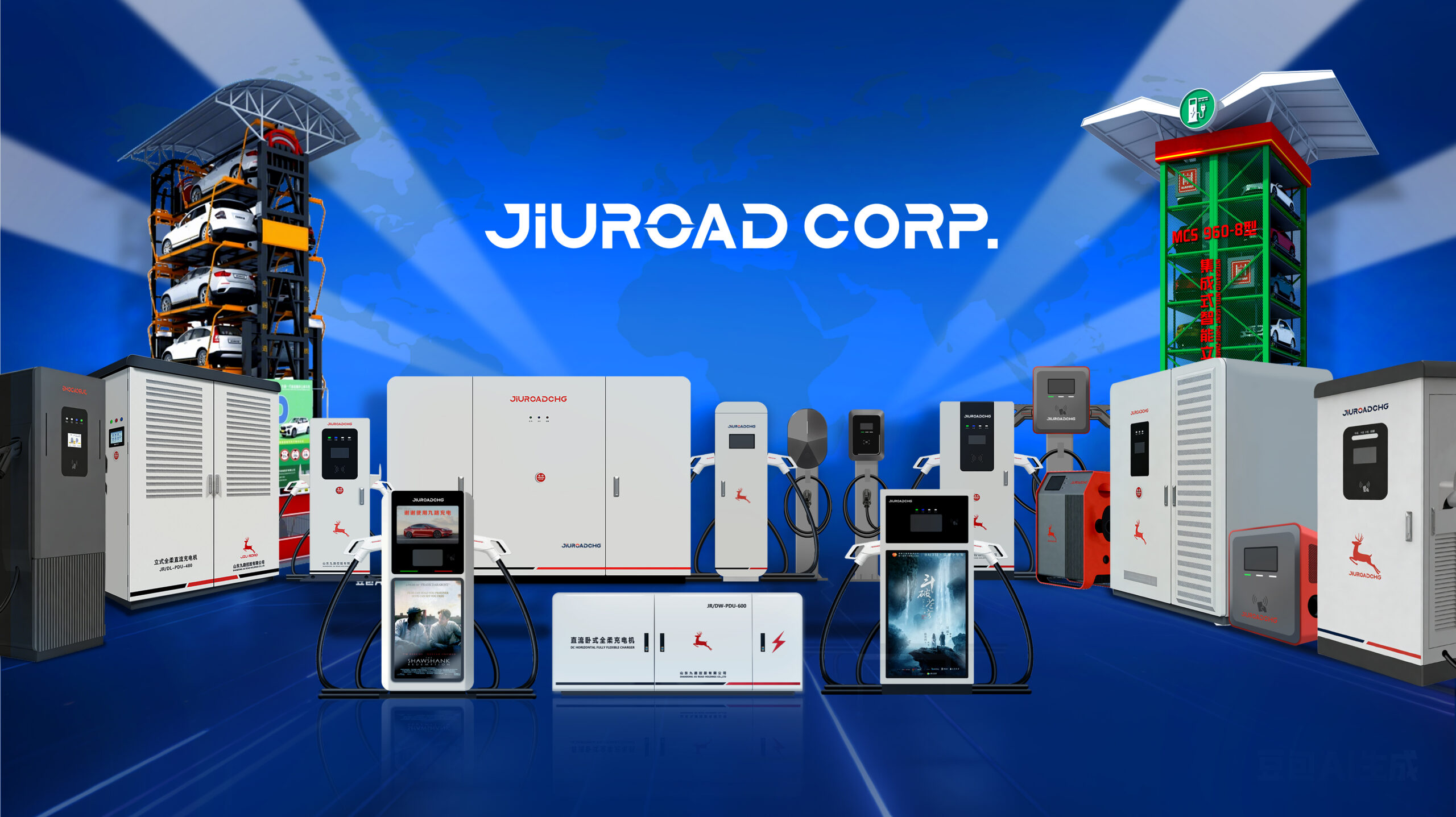
The challenge of scaling operations and maintenance for residential charging point operators involves a delicate balance. Advanced technologies can play a pivotal role in optimizing these efforts. Predictive analytics, IoT connectivity, and automation present opportunities for enhancing efficiency and reducing labor costs. This raises questions about the effectiveness of current strategies. How can CPOs guarantee long-term sustainability while adapting to evolving demands? The implications of such a shift may redefine industry standards.
Key Takeaways
- Leverage AI-driven predictive maintenance to anticipate issues and minimize on-site labor requirements for micro-regional EV operations and maintenance.
- Implement cloud-based analytics for real-time resource allocation, enhancing efficiency without the need for additional staff.
- Utilize IoT integration for remote diagnostics, reducing labor costs associated with regular site visits and maintenance checks.
- Adopt automation for routine operational tasks, streamlining processes and optimizing staff workload in residential charging station management.
- Foster partnerships and innovative funding models to support technological integration without the need for expanding the workforce.
Understanding Micro-Regional EV O&M Needs
Understanding the operational and maintenance (O&M) needs of electric vehicles (EVs) at a micro-regional level is essential for maximizing performance and reliability. Each micro-regional characteristic, such as climate, terrain, and local charging infrastructure, greatly influences the operational efficiency of EVs. Analyzing data derived from localized engagement with community stakeholders reveals specific maintenance requirements and operational challenges unique to each area. For instance, regions with harsher weather conditions may demand more frequent battery inspections and software updates. Additionally, understanding the local charging habits can inform ideal deployment strategies for charging stations. Through tailored O&M practices that reflect these micro-regional characteristics, stakeholders can enhance the overall user experience and reduce downtime, ultimately promoting greater adoption of electric vehicles in varied environments.
How Tech Can Simplify Operations
Advancements in technology present significant opportunities to streamline operations within the electric vehicle (EV) ecosystem, particularly when addressing the specific needs identified at the micro-regional level. AI integration enables predictive maintenance by analyzing IoT connectivity data, facilitating timely interventions and minimizing downtime. Smartphone applications enhance user engagement, allowing vehicle owners to monitor performance and receive real-time feedback. Remote diagnostics streamline troubleshooting processes, reducing the need for on-site visits and thereby decreasing labor costs. Cloud solutions support service automation, ensuring seamless communication between systems. Cross-platform tools enhance workflow optimization, improving operational efficiency across varied platforms. Collectively, these technologies form a thorough strategy to simplify EV operations while reducing labor burdens.
Leveraging Data Analytics for Smart Resource Allocation
Data analytics plays a crucial role in optimizing resource allocation within the electric vehicle (EV) sector. By harnessing data-driven insights, operators can make informed decisions regarding the distribution of resources, thereby enhancing operational efficiency. Predictive analytics allows for the anticipation of demand fluctuations, enabling organizations to allocate personnel and assets where they are most needed. This proactive approach mitigates the risk of over- or under-utilizing resources, leading to cost savings and improved service delivery. Analyzing historical data patterns further facilitates refinement of predictive models, ensuring that resource allocation adapts to changing conditions in real time. In this context, leveraging data analytics not only streamlines operations but also contributes to the sustainability and scalability of EV charging infrastructure management.
Best Practices for Remote Monitoring of Charging Stations
Remote monitoring of charging stations necessitates the implementation of effective data collection methods to guarantee accurate performance tracking and user satisfaction. By utilizing real-time analytics, operators can identify and address issues proactively, minimizing downtime and enhancing service reliability. This approach not only optimizes operational efficiency but also contributes to better resource management within residential CPO strategies.
Effective Data Collection Methods
- Utilizing advanced data collection tools: These tools facilitate the gathering of real-time usage statistics and energy consumption metrics, essential for performance analysis.
- Incorporating sensor integration: Sensors provide significant insights into charging station functionality and user behavior, enabling proactive maintenance cycles.
- Employing cloud-based analytics platforms: These platforms aggregate and analyze data, offering remote accessibility and informed decision-making based on historical trends and predictive analytics.
Proactive Issue Resolution Strategies
Implementing proactive issue resolution strategies is vital for optimizing the performance and reliability of charging stations. Utilizing real-time monitoring technology, operators can efficiently engage in proactive maintenance, reducing downtime and increasing user satisfaction. Structure a systematic approach for incident response that integrates issue tracking and fault diagnosis, allowing for rapid identification and correction of anomalies. Regular customer feedback plays an important role in evaluating service quality and prioritizing risks, facilitating effective risk evaluation protocols. Additionally, service alerts should be automated to notify technicians promptly, while compliance checks guarantee adherence to industry standards. Ultimately, seamless solution implementation fosters an agile operational environment, effectively minimizing costs without compromising service quality in the micro-regional context.
Are Your Charging Stations Experiencing Unnecessary Downtime?
Charging stations often encounter downtime due to various factors, including hardware malfunctions, network issues, and inadequate maintenance protocols. Analyzing these common causes is essential for identifying effective monitoring solutions that can preemptively address issues before they lead to extended service interruptions. Implementing robust data analytics and remote oversight can greatly enhance the operational reliability of charging infrastructure.
Common Causes Of Downtime
Downtime at electric vehicle charging stations can considerably hinder operational efficiency and user satisfaction. Identifying the common causes of this downtime is essential for enhancing equipment reliability and implementing effective maintenance prioritization. A thorough downtime analysis can reveal frequent issues, such as:
- Infrastructure Challenges: Inadequate power quality or unstable electrical systems can lead to service interruptions, affecting charge station availability.
- User Behavior: Inappropriate usage or lack of user awareness regarding charging protocols can lead to increased troubleshooting techniques and downtime.
- Performance Metrics: Failure to monitor and analyze performance metrics regularly can obscure underlying technical issues requiring immediate attention.
Effective Monitoring Solutions
Monitoring solutions play an essential role in addressing the issues plaguing electric vehicle charging stations. By leveraging IoT integration, stakeholders can access real-time alerts that identify potential failures before they escalate. Implementing performance benchmarks establishes a baseline for operational efficiency, while customizable dashboards enhance user engagement by providing actionable insights. Predictive maintenance techniques further optimize uptime, allowing operators to anticipate malfunctions based on historical data trends, thereby minimizing downtime. Additionally, a thorough cost analysis can be conducted to evaluate financial impacts, ensuring that investments in monitoring technologies yield favorable returns. Finally, verifying system compatibility across various platforms enhances the overall effectiveness of these monitoring solutions, making them indispensable in maintaining reliable charging station operations.
User Insights: Enhancing Service Quality
How can a deeper understanding of user behavior drive improvements in service quality for residential charging point operators (CPOs)? An analytical approach to user insights can remarkably enhance service quality through focused engagement strategies. By systematically gathering customer feedback, CPOs can identify the following key areas for quality improvements:
- Service Expectations: Understanding user expectations informs operators about potential gaps in service delivery, allowing for targeted interventions.
- User Experiences: Analyzing user experiences can reveal common frustrations and highlight areas requiring responsive support, ultimately leading to sustained satisfaction metrics.
- Service Innovation: Innovating based on user input fosters a culture of continuous improvement, leading to more effective solutions that meet evolving demands.
Partnering Strategically for Cost-Effective Solutions
While the landscape of residential charging point operations continues to evolve, strategic partnerships emerge as a pivotal strategy for mitigating costs and enhancing service delivery. These strategic alliances enable organizations to pool resources, thereby facilitating cost-sharing initiatives that considerably lower operational expenses. Data indicates that collaborative models often lead to reduced overhead costs, with a potential decrease of up to 30% in maintenance expenditures. By leveraging shared technology platforms and logistical infrastructures, firms can optimize their operational efficiency without increasing labor costs. Moreover, partnerships with local governments and utility companies can reveal funding opportunities, additionally supporting cost-effective solutions in expanding electric vehicle infrastructure. This approach not only reinforces service reliability but also promotes sustainable growth within the industry.
Automating Routine Tasks for Efficiency
As operational demands increase, automating routine tasks becomes essential for enhancing efficiency within residential charging point operations. By integrating advanced technologies, organizations can implement key strategies that yield measurable improvements. The following measures can facilitate this conversion:
- Task Prioritization Techniques: Automating task sorting based on urgency and impact helps optimize response times.
- Predictive Maintenance Scheduling: Implementing algorithms to predict system failures allows for preemptive interventions, minimizing downtime.
- Data-Driven Efficiency Metrics Evaluation: Continuous assessment of performance metrics through automation identifies bottlenecks and areas for improvement.
With these approaches, residential charging point operators can streamline operations, reduce labor costs, and guarantee reliable service delivery while meeting growing demands in the electric vehicle market.
Upskilling Staff for Better Performance
To enhance operational efficiency within residential CPO strategies, the implementation of structured training programs emerges as critical. Data indicates that organizations that invest in continuous learning opportunities for their staff report a significant increase in productivity and job satisfaction. Such training initiatives are essential for equipping employees with the necessary skills to adapt to evolving market demands and technological advancements.
Training Program Implementation
Implementing an all-inclusive training program is essential for enhancing staff performance within the residential Chief Product Officer (CPO) framework. A structured approach can leverage various strategies to optimize outcomes:
- Training Methodologies: Employ diverse learning modules that cater to different learning styles, ensuring thorough knowledge acquisition.
- Mentorship Programs: Foster knowledge sharing through mentorship frameworks, matching experienced staff with newer employees for guided development.
- Assessment Tools: Utilize robust skill mapping and feedback loops to effectively evaluate staff performance and align competencies with organizational goals.
Continuous Learning Opportunities
The effectiveness of training programs can be greatly enhanced through the integration of continuous learning opportunities that prioritize upskilling staff. Such initiatives foster greater employee engagement and drive skill development, enabling staff to adapt to evolving operational demands. Learning platforms that facilitate knowledge sharing become essential resources, complemented by mentorship programs that enhance individual growth. Certification courses and training seminars systematically develop expertise, while community workshops promote collaborative learning. To guarantee sustained progress, organizations should implement performance evaluation mechanisms that gauge learning outcomes and areas for continuous improvement. By strategically embedding these components, organizations can cultivate a workforce proficient in emerging technologies, ultimately optimizing operational protocols and maintaining competitive advantage within the micro-regional EV operations sector.
Engaging Customers Through Mobile Apps
A significant number of consumers now rely on mobile applications for their daily activities, prompting businesses to adapt their engagement strategies accordingly. Enhancing customer engagement through mobile interaction requires careful consideration of app features that cater to user preferences and behaviors. Key strategies include:
- Gamification Strategies: Incorporating game-like elements to incentivize user participation, fostering a more engaging user experience.
- Loyalty Programs: Implementing rewards systems that motivate users to return and utilize services, reinforcing brand loyalty and customer retention.
- User Feedback Mechanisms: Actively soliciting input to improve service accessibility and adapt features based on consumer needs, ensuring that the app evolves in alignment with user expectations.
These strategies, when executed effectively, facilitate improved customer interaction and satisfaction, which are essential for optimizing long-term engagement outcomes.
How Smart Charging Can Help Manage Your Load
As mobile applications enhance customer engagement, the integration of smart charging solutions presents a significant opportunity for load management across residential settings. Smart charging technologies enable the synchronization of electric vehicle (EV) charging with periods of lower electricity demand and higher availability of renewable energy sources. By leveraging smart grid integration, these systems can dynamically adjust charging schedules based on real-time data, thereby optimizing energy usage and reducing peak load stress on the grid. Data-driven analyses show that implementing smart charging can lead to substantial cost savings and increased grid stability. Furthermore, as renewable energy adoption increases, smart charging solutions are pivotal in aligning EV charging with cleaner energy supply, ultimately promoting a more sustainable energy ecosystem in residential areas.
Is Outsourcing O&M Worth It?
How can organizations determine the value of outsourcing operations and maintenance (O&M) for residential energy systems? A complete approach involves evaluating several key facets:
- Outsourcing Benefits: Organizations must weigh potential advantages against in-house capabilities, including cost savings and efficiency gains.
- Vendor Relationships: Strategic partnerships can enhance service quality, leveraging specialized expertise and improving operational flexibility.
- Cost Analysis and Risk Management: A detailed cost-benefit analysis, alongside an assessment of risk management strategies, is essential in addressing scalability issues amid changing labor market conditions.
Building Resilient EV Component Supply Chains
Outsourcing operations and maintenance has implications that extend into various sectors, including the supply chains required for electric vehicle (EV) components. A robust strategy for building resilient supply chains is essential for ensuring consistent component sourcing and mitigating disruptions. Recent data indicates that supply chain optimization techniques, such as just-in-time inventory management and predictive analytics, can enhance efficiency while reducing costs. By prioritizing diverse sourcing channels and fostering relationships with local suppliers, organizations can better navigate fluctuations in demand and unexpected market volatility. Additionally, employing blockchain technology for transparency can improve traceability and accountability within the supply chain. As the EV market evolves, leveraging these strategies will be critical for maintaining operational stability and competitiveness in a rapidly changing landscape.
Exploring Innovative Funding Models for O&M Expansion
The pursuit of innovative funding models for operations and maintenance (O&M) expansion is critical in the context of residential Charge Point Operator (CPO) strategies. Public-private partnerships (PPPs) and alternative financing options are emerging as viable mechanisms to enhance capital availability and risk-sharing. Analyzing their impact on cost efficiency and project scalability can yield valuable insights into optimizing O&M frameworks.
Public-Private Partnerships
- Community Engagement: Involving local stakeholders guarantees that O&M strategies align with community needs, promoting sustainability.
- Policy Alignment: PPPs facilitate frameworks that synchronize public regulations with private sector efficiencies, aiding in compliance.
- Risk Mitigation: Shared responsibilities between public and private entities reduce financial risks, enabling a more resilient operational model.
Alternative Financing Options
Public-Private Partnerships (PPPs) often pave the way for innovative solutions in operational and maintenance (O&M) strategies, yet these traditional models may not suffice in addressing the expansive funding needs of residential projects. Alternative financing options, such as crowdfunding initiatives, present new avenues for securing capital while engaging community stakeholders. Green bonds offer an environmentally conscious funding mechanism that aligns with sustainability goals. Additionally, community financing can leverage local support for O&M expansion. Impact investing targets funds willing to prioritize social outcomes alongside financial returns. Implementing structures like pay-for-performance arrangements, subscription services, lease agreements, or cooperative models may optimize resource allocation, reduce upfront costs, and enhance community participation, ultimately contributing to a more sustainable and scalable O&M framework for micro-regional EV services.
Future Trends in Effective EV O&M Management
As electric vehicle (EV) adoption accelerates, innovative strategies for effective operations and maintenance (O&M) management are becoming essential for sustaining performance and maximizing fleet longevity. Future trends in this domain will likely encompass:
- Advanced Technologies: Incorporation of AI and IoT for real-time diagnostics and predictive maintenance, enhancing operational efficiency.
- Sustainable Practices: Adoption of environmentally friendly protocols in O&M, aligning with consumer preferences for sustainability and regulatory impacts.
- Collaboration Opportunities: Partnerships across the supply chain to optimize charging infrastructure and energy management, addressing market evolution and stakeholders’ expectations.
These developments reflect a shift toward a more integrated, data-driven approach in EV O&M, prompting stakeholders to adapt and innovate in response to dynamic market conditions.
Conclusion
In the rapidly evolving landscape of electric vehicle operations and maintenance, the integration of technology has emerged as a panacea for traditional inefficiencies. By harnessing predictive analytics, IoT connectivity, and automation, residential CPOs can achieve operational supremacy, effectively transforming micro-regional O&M into a sleek, autonomous machine. This revolution not only eradicates excess labor costs but also positions these entities at the forefront of sustainable mobility, ensuring a robust, future-proof infrastructure that dazzles users and investors alike.