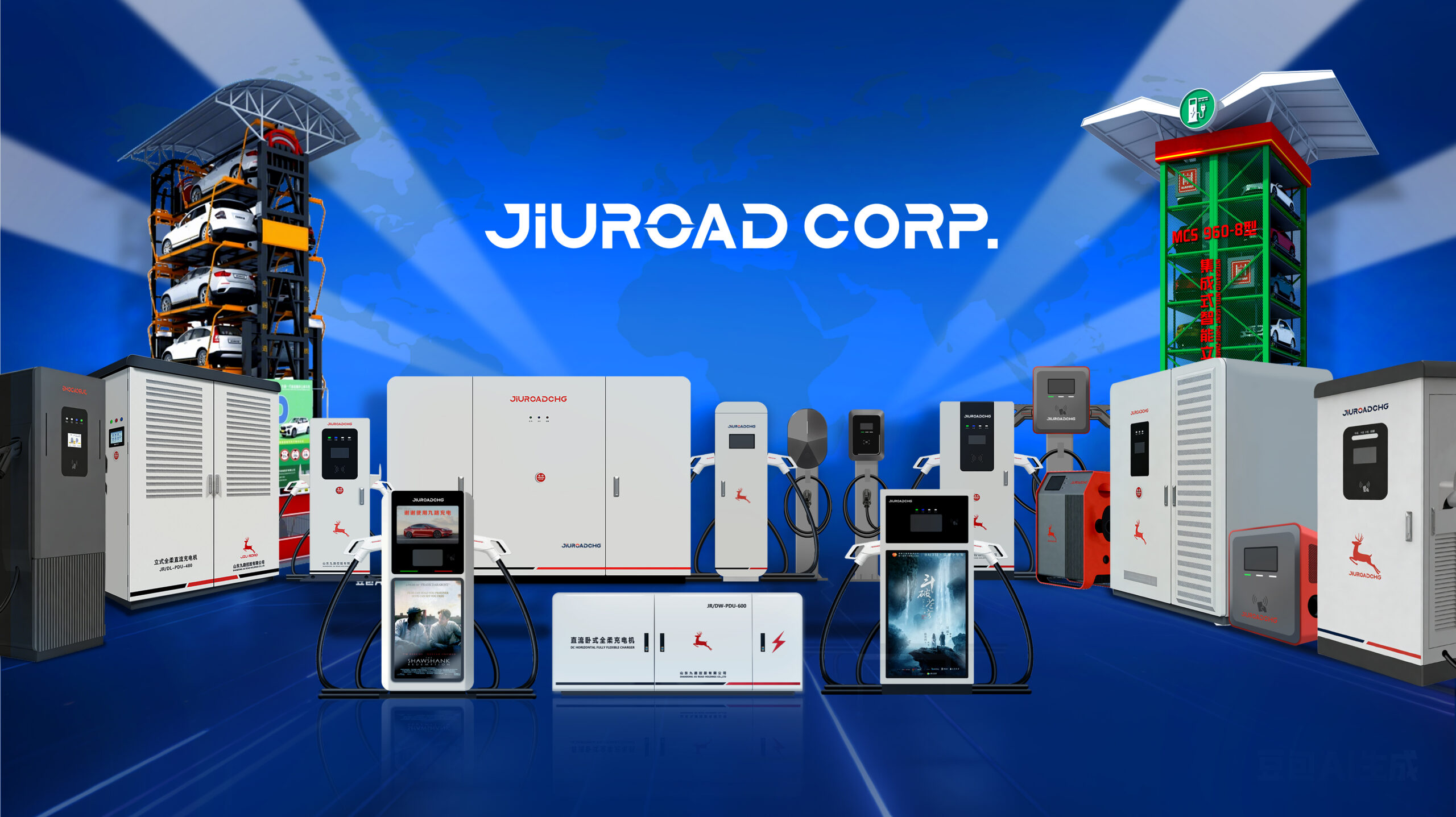
The integration of 7kW smart wallboxes in Tashkent’s new high-rise apartments marks a strategic response to the increasing demand for electric vehicle infrastructure. These installations not only enhance energy management but also align with broader urbanization initiatives aimed at sustainability. As Tashkent embraces advanced technologies, the implications for energy independence and environmental impact warrant further exploration. What challenges and opportunities lie ahead for the city’s developers and residents in this evolving landscape?
Key Takeaways
- 7kW smart wallboxes offer efficient EV charging, crucial for high-rise apartments amid Tashkent’s urbanization and rising demand for sustainable living solutions.
- These wallboxes enhance user experience by providing real-time data on charging status, improving convenience and safety for residents.
- Local incentives promote EV adoption, fostering energy independence and supporting environmentally sustainable urban mobility initiatives in Tashkent.
- Smart wallboxes reduce energy costs and peak load pressures while integrating renewable energy into local grids, promoting cleaner urban environments.
- Installation of smart wallboxes requires supportive developer regulations, tax breaks, and standardized protocols to ensure efficient integration and future-proofing.
Understanding the Need for Smart Wallboxes in Tashkent
As urbanization accelerates in Tashkent, the demand for efficient electric vehicle (EV) charging solutions becomes increasingly critical. The surge in vehicle ownership and environmental awareness necessitates the integration of smart charging systems within high-rise apartment complexes. These systems not only optimize energy usage but also enhance user engagement by providing real-time data on charging status and availability. By leveraging smart wallboxes, residents can effectively manage their charging schedules, reducing peak load and lowering energy costs. In addition, the implementation of user-friendly interfaces fosters greater participation in sustainable practices, contributing to a cleaner urban environment. Strategically placing these charging solutions within residential developments aligns with Tashkent’s growth objectives and positions the city as a forward-thinking hub for EV adoption.
The Benefits of 7kW Smart Wallboxes for Urban Residents
Numerous urban residents stand to benefit considerably from the implementation of 7kW smart wallboxes within high-rise apartments. These advanced charging solutions enhance urban mobility while promoting energy independence. By integrating smart grids with residential infrastructures, they guarantee improved charging accessibility and user experience.
Key benefits include:
- Optimized Energy Management: Smart wallboxes facilitate efficient energy use, promoting infrastructure resilience against overloads.
- Incentivized Technology Adoption: Electric incentives offered by local regulations further encourage residents to shift to electric vehicles.
- Enhanced Convenience: Residents enjoy seamless charging experiences linked with their daily routines, supporting both lifestyle and environmental goals.
The 7kW smart wallboxes represent a strategic advancement for urban living, aligning with sustainability initiatives and modern urban planning.
Smart Wallboxes: Driving Electric Vehicle Adoption in Tashkent
Smart wallboxes in Tashkent represent a critical component in enhancing the overall convenience of electric vehicle (EV) charging, directly influencing adoption rates among urban residents. Their widespread implementation not only promotes environmental sustainability by reducing carbon emissions but also positions the city as a leader in future-ready infrastructure development. In this regard, the integration of these technologies into high-rise apartments could markedly accelerate the shift to electric mobility in the region.
Enhanced Charging Convenience
- 24/7 Availability: Residents can charge their EVs at their convenience, eliminating range anxiety.
- Space Efficiency: Smart wallboxes optimize limited parking areas, facilitating higher EV ownership in densely populated locales.
- User-Friendly Interfaces: Smart technology allows for easy monitoring and management of charging sessions, enhancing overall satisfaction.
Environmental Sustainability Impact
The integration of smart wallboxes in high-rise apartments considerably contributes to environmental sustainability by facilitating the widespread adoption of electric vehicles (EVs) in urban settings like Tashkent. These smart devices represent a pivotal aspect of green technology, enhancing urban ecology through sustainable design principles. By supporting eco-innovation, wallboxes serve as a catalyst for renewable investment in energy infrastructure, promoting energy conservation. Lifecycle assessments reveal significant emission reductions associated with centralized EV charging, aligning with green architecture goals aimed at enhancing climate resilience. The deployment of smart wallboxes not only fosters a cleaner urban environment but also positions Tashkent as a leader in sustainable urban living, thereby influencing the long-term viability and attractiveness of electric mobility solutions.
Future-Ready Infrastructure Development
As urban centers evolve, the necessity for future-ready infrastructure becomes paramount for facilitating electric vehicle (EV) adoption in Tashkent. Smart wallboxes are pivotal for enhancing infrastructure resilience and promoting urban mobility. Through strategic installation, they not only support EV users but also advance the city’s sustainable transport goals. Key considerations include:
- Integrated charging networks that blend seamlessly with existing frameworks to maximize efficiency.
- Technological adaptability, ensuring wallboxes can upgrade with evolving EV norms and energy management systems.
- Community engagement, educating residents on the benefits of EVs, fostering a culture of eco-conscious urban mobility.
Sustainable Living Strategies in Tashkent
While urban centers worldwide increasingly prioritize sustainability, Tashkent faces unique challenges and opportunities in implementing sustainable living strategies. Central to this endeavor is the promotion of green building practices, which can greatly enhance energy efficiency and resource management within the city’s evolving architectural landscape. Integrating sustainable materials, efficient energy systems, and innovative waste management solutions can reduce the ecological footprint of new developments. Furthermore, fostering urban ecology through the incorporation of green spaces and biodiversity initiatives can improve residents’ quality of life while enhancing climate resilience. Strategic partnerships among government, developers, and community stakeholders will be essential to prioritize sustainability in urban planning. Ultimately, Tashkent’s successful embrace of these strategies can position the city as a model for sustainable urban development in the region.
The Role of Smart Wallboxes in Energy Management
Integrating smart wallboxes into high-rise apartments greatly enhances energy management and fosters the adoption of electric vehicles (EVs). These advanced charging solutions operate within a smart grid framework, allowing for optimized energy usage while addressing peak demand.
Key benefits include:
- Demand Response: Smart wallboxes can adjust charging rates based on grid conditions, helping to stabilize energy supply and demand.
- User Accessibility: Enhanced interface options permit users to monitor and schedule charging times conveniently, promoting efficient energy consumption.
- Data Analytics: Continuous data collection allows property managers to make informed decisions, improving overall energy efficiency.
Convenient Smart Wallbox Charging Solutions
Convenient smart wallbox charging solutions are essential in enhancing user experience for residents in high-rise apartments. By integrating advanced smart technology, these systems can optimize charging schedules based on energy demand and availability, ensuring maximum efficiency. This strategic approach not only improves convenience but also aligns with broader energy management goals within urban environments.
Enhanced Charging Convenience
The advent of smart wallboxes revolutionizes the charging experience for residents of high-rise apartments, addressing considerable barriers associated with limited access to charging infrastructure. By focusing on user experience and strategic design considerations, these installations enhance user accessibility. Key advantages include:
- Installation Process: Streamlined protocols guarantee wallboxes meet safety standards, allowing for efficient integration into existing structures.
- Charging Speed: The 7kW capacity notably reduces charging time, enabling residents to recharge their electric vehicles swiftly and conveniently.
- User Accessibility: Smart technology offers real-time data on charging status, ensuring users can monitor their energy consumption and plan their charging cycles effectively.
These advancements not only simplify the ownership experience but also comply with regulations, promoting safety and efficiency in urban environments.
Smart Technology Integration
While traditional charging solutions often lack the sophistication to meet modern demands, smart wallboxes are increasingly equipped with advanced technology that enhances their functionality and user experience. The integration of smart home automation facilitates seamless user interface design, maximizing charging accessibility for residents. Additionally, smart wallboxes support smart grid integration, allowing for ideal energy consumption monitoring and efficient energy distribution. Current tech installation trends showcase a growing emphasis on resident engagement initiatives that encourage sustainable practices. However, urban planning strategies must address regulatory compliance challenges and infrastructure investment needs to guarantee the successful deployment of these systems. Overall, smart wallboxes represent a strategic advancement in urban residential developments, balancing modern technology with practical charging solutions.
The Impact of Smart Charging on Public Infrastructure
Smart charging solutions are poised to transform public infrastructure considerably, particularly as the adoption of electric vehicles (EVs) accelerates. The integration of smart charging technologies necessitates significant infrastructure upgrades, impacting energy distribution systems and the overall electrical grid.
Key areas of impact include:
- Urban Charging Infrastructure: Enhanced deployment of charging stations in urban areas will streamline EV accessibility.
- Demand Forecasting: Improved analytics will allow for better prediction of energy needs and optimize grid performance.
- Public Policy and Regulatory Frameworks: Development of supportive policies will guarantee sustainable integration, addressing societal impacts effectively.
These advancements not only require strategic planning but also emphasize community outreach to align stakeholders with the proposed changes and innovations in public infrastructure.
Why 7kW Smart Wallboxes Are the Best Choice
As urban charging infrastructure evolves to accommodate the increasing demands of electric vehicles, the selection of appropriate charging solutions becomes paramount. 7kW smart wallboxes emerge as a highly effective choice for high-rise apartments, striking a balance between efficiency and practicality. Their user interface enhances the user experience by simplifying management of charging sessions, while the installation process aligns with current regulatory compliance and safety standards. The charging speed offered by these wallboxes meets consumer preferences, supporting market trends toward integrated smart city technologies. Cost analysis shows they are economically viable, particularly when considering energy tariffs and potential utility partnerships. Additionally, maintenance guidelines guarantee longevity and address compatibility issues, thereby aligning with future technologies and product innovations in urban planning.
Lowering Carbon Footprints With Smart Wallboxes
Smart wallboxes represent a strategic innovation in electric vehicle charging, particularly in urban high-rise settings. By integrating eco-friendly charging solutions with enhanced energy efficiency measures, these devices considerably contribute to reducing the overall carbon footprint of residents. Such advancements align with broader sustainability goals, offering a practical approach to minimizing environmental impact in dense living environments.
Eco-Friendly Charging Solutions
While the shift toward electric vehicles (EVs) is essential for mitigating climate change, the integration of eco-friendly charging solutions, such as wallboxes in high-rise apartments, plays a critical role in maximizing their environmental benefits. These smart wallboxes facilitate the development of robust charging networks and enhance urban mobility through the following strategies:
- Optimized Energy Consumption: Smart wallboxes can adapt charging times based on grid demand, reducing peak load pressures while promoting the use of renewable energy sources.
- User-Centric Accessibility: By providing convenient charging options in densely populated areas, they address urban mobility challenges and encourage EV adoption.
- Grid Integration: Their ability to communicate with local grids enables energy flow management, contributing to overall carbon footprint reductions in urban environments.
Enhancing Energy Efficiency
Although the shift to electric vehicles (EVs) presents numerous challenges, the implementation of smart wallboxes greatly enhances energy efficiency and contributes to lowering carbon footprints. Smart technology embedded in these wallboxes enables real-time energy monitoring and optimized charging schedules that align with energy conservation goals. By utilizing renewable energy sources when available, residents can markedly reduce their reliance on fossil fuels.
| Feature | Impact on Energy Conservation |
|---|---|
| Dynamic Load Balancing | Minimizes peak demand |
| Scheduled Charging | Utilizes off-peak energy |
| Renewable Integration | Reduces grid dependency |
| User Customization | Encourages mindful consumption |
| Real-Time Monitoring | Promotes efficient usage |
The strategic implementation of smart wallboxes ultimately reshapes residential energy consumption patterns, driving sustainable urban development.
Understanding Smart Wallbox Charging Costs for Residents?
As residents in high-rise apartments adopt electric vehicles (EVs), understanding the charging costs associated with smart wallboxes becomes increasingly essential. A thorough approach to charging cost estimation can greatly aid in effective budget analysis for EV owners.
Key considerations include:
- Installation Fees: The initial setup of smart wallboxes can vary notably, impacting overall costs.
- Electricity Rates: Variable rates may influence charging expenses, particularly during peak hours.
- Energy Consumption: The efficiency of the wallbox and the specific EV model determine energy usage and, consequently, costs.
A strategic assessment of these factors allows residents to align their EV charging habits with budgetary constraints, ensuring a financially sustainable shift to electric mobility in their living environment.
Integrating Smart Wallboxes With Renewable Energy
Integrating smart wallboxes with renewable energy sources, particularly solar power, presents significant opportunities for enhancing energy efficiency in high-rise apartments. By aligning charging schedules with peak solar production, residents can optimize their reliance on grid energy while minimizing costs and carbon footprints. This strategic synergy not only promotes sustainable charging solutions but also supports overall grid stability during peak demand periods.
Solar Energy Synergy
The integration of smart wallboxes with renewable energy sources, particularly solar power, presents a significant opportunity for enhancing energy efficiency in high-rise apartments. The strategic collaboration between developers and energy providers facilitates this shift, leading to sustainable urban living. Key aspects of solar energy synergy include:
- Solar Panel Integration: Smart wallboxes can be directly linked to solar energy systems, allowing residents to charge electric vehicles using clean energy.
- Cost-Effectiveness: Utilizing renewable energy reduces dependence on grid electricity, lowering operational costs for both residents and building management.
- Renewable Energy Partnerships: Collaborations with local solar firms can streamline installations, ensuring compliance with regulations while maximizing returns on investment.
Such synergies are essential for promoting a sustainable future in urban development.
Grid Energy Optimization
Optimizing grid energy usage through the deployment of smart wallboxes in high-rise apartments presents an opportunity for enhanced energy management. By integrating these devices with renewable energy sources, developers can implement grid optimization strategies that balance demand and supply effectively. Smart wallboxes facilitate energy consumption analytics, allowing users to track and manage their electricity usage in real-time. This granular data empowers residents to optimize charging times, particularly during periods of low demand or when renewable energy generation is at its peak. Additionally, demand response mechanisms can be established, enabling utilities to harness fluctuations in energy consumption, thereby enhancing overall grid stability. Such strategic integration not only supports individual energy efficiency but also promotes a sustainable, resilient energy system.
What’s Next for Electric Vehicles in Tashkent?
How can Tashkent position itself as a leader in the electric vehicle (EV) landscape? Strategic initiatives are vital for fostering an EV-friendly environment.
- Comprehensive Electric Vehicle Policies: Implementing robust policies that incentivize EV adoption, including tax breaks and subsidies, is critical.
- Integration with Urban Planning: Incorporating EV infrastructure into urban development plans will guarantee seamless integration and accessibility for residents.
- Public-Private Partnerships: Encouraging collaboration between government and private sectors can enhance investment in charging stations and maintenance services.
Through these focused approaches, Tashkent can not only facilitate the growth of its EV market but also contribute to sustainable urban development, aligning with global trends towards eco-friendly transportation solutions.
Developer Regulations for Smart Wallboxes
As urban centers increasingly shift to electric mobility, establishing extensive developer regulations for smart wallboxes becomes essential to guarantee the effective deployment of charging infrastructure in high-rise apartments. These regulations should focus on promoting developer incentives, such as tax breaks and grant programs, to encourage the integration of smart wallboxes in new constructions. By outlining standardized protocols for installation, maintenance, and accessibility, developers can ensure regulatory compliance while promoting uniformity across projects. In addition, regulations can mandate the adoption of future-proof technologies that facilitate interoperability, scalability, and user accessibility. Thorough guidelines will not only streamline the development process but also enhance the long-term viability of electric vehicle infrastructure, ultimately contributing to a sustainable urban ecosystem.
Success Stories: How Tashkent High-Rises Are Leading the Charge
Although many urban centers face challenges in integrating electric vehicle infrastructure, Tashkent’s high-rise developments are setting a remarkable precedent by successfully implementing smart wallbox technology. This initiative exemplifies Tashkent innovation in promoting urban mobility and sustainability through effective residential integration. The strategic adoption of technology is addressing pressing infrastructure challenges while facilitating energy shift:
- Enhanced Charging Networks: The installation of 7kW smart wallboxes supports the growing demand for electric mobility in urban settings.
- Sustainable Urbanism: These high-rise solutions contribute to lowering carbon footprints and fostering a greener environment.
- Community Engagement: Stakeholders actively participate in promoting technology adoption, ensuring a smooth shift for residents towards electric vehicle usage.
Tashkent’s approach serves as a model for cities seeking effective electric vehicle integration.
Overcoming Challenges in Smart Wallbox Infrastructure Maintenance
Maintenance of smart wallbox infrastructure is critical to maximizing the efficiency and longevity of electric vehicle charging systems in high-rise apartments. Overcoming infrastructure challenges requires strategic maintenance strategies that incorporate regular performance monitoring and proactive technology adaptation. Effective user education plays an essential role in ensuring proper usage and minimizing wear. Service availability must be optimized to prevent downtime while addressing potential regulatory obstacles that can complicate maintenance procedures. Additionally, cost management is important; incorporating predictive analytics can help anticipate issues before they escalate, reducing long-term expenditures. Establishing a feedback loop between users and service providers enhances the adaptability of infrastructure management, ensuring that smart wallboxes consistently meet the evolving demands of residents in dynamic urban environments.
Conclusion
To sum up, the integration of 7kW smart wallboxes in Tashkent’s high-rise residential developments not only facilitates the growing electric vehicle market but also enhances energy management and sustainability efforts. For instance, a hypothetical case could involve a high-rise where residents report a 30% reduction in peak energy usage, demonstrating the wallboxes’ effectiveness in promoting efficient energy consumption. As Tashkent moves towards a more sustainable urban landscape, these innovations are poised to become a critical component of its energy strategy.