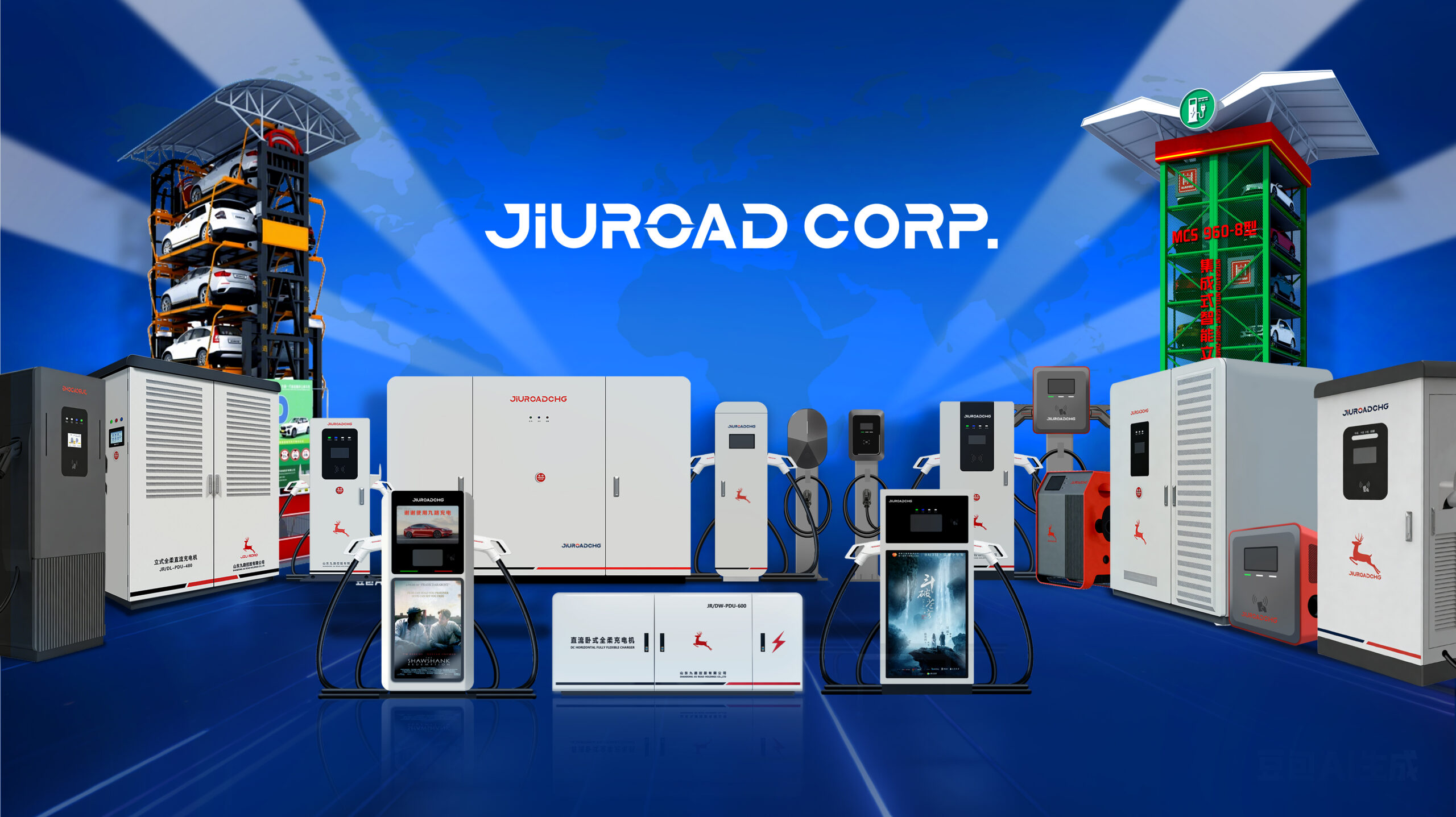
Turkmenistan’s extreme desert temperatures exceed 50°C during peak summer months, creating unique operational challenges for traditional solar installations and EV charging infrastructure. Solar carports integrated with ground DC stations demonstrate superior thermal management capabilities compared to conventional ground-mounted arrays, maintaining 12-15% higher efficiency ratings under identical conditions. The integration requires specialized materials rated for temperature cycling beyond 70°C and precise power distribution algorithms. However, three critical design parameters determine whether these systems achieve projected 25-year operational lifespans.
Key Takeaways
Use bidirectional inverters and smart load balancing controllers to seamlessly distribute power between solar carports and DC charging stations.
Install aluminum alloy 6061-T6 mounting systems with 150mm air gaps for enhanced thermal performance in temperatures exceeding 60°C.
Specify electrical components rated for -40°C to +85°C operation with IP65-rated conduits certified for +90°C desert conditions.
Position carports using shading analysis and microclimate assessment to maximize solar exposure while providing optimal vehicle charging access.
Implement deep concrete foundations (2.5-3 meters) with protective coatings and perimeter windbreaks to withstand 40+ m/s sandstorms.
Understanding Turkmenistan’s Solar Infrastructure Challenges in Desert Climates
While Turkmenistan possesses exceptional solar irradiance levels averaging 1,800-2,000 kWh/m² annually, the country’s desert climate presents critical infrastructure challenges that directly impact photovoltaic system performance and longevity. Extreme temperature fluctuations ranging from -15°C to 50°C cause thermal cycling stress on electrical components and mounting systems. Sand accumulation reduces panel efficiency by 15-25% monthly without proper maintenance protocols. High-velocity sandstorms create abrasive conditions that degrade protective coatings and electrical connections. UV exposure intensifies material degradation rates, particularly affecting polymer components and wiring insulation. Successful deployment requires site-specific strategies addressing dust mitigation, thermal management, and component selection. Climate resilience demands robust engineering solutions including enhanced cooling systems, specialized anti-soiling technologies, and materials rated for extreme environmental conditions to guarantee peak system performance.
Why Solar Carports Outperform Ground Arrays in Extreme Heat Conditions
Through elevated positioning and enhanced airflow dynamics, solar carports demonstrate measurably superior thermal performance compared to ground-mounted arrays in Turkmenistan’s extreme heat conditions. The elevated design creates natural convection channels beneath panels, reducing operating temperatures by 8-12°C compared to ground installations. This heat mitigation directly translates to improved solar efficiency, with carport systems maintaining 3-5% higher power output during peak afternoon temperatures exceeding 45°C. Ground arrays suffer from radiant heat absorption and limited air circulation, causing thermal stress that degrades performance. The vertical clearance in carport configurations enables consistent airflow patterns that prevent heat accumulation, while simultaneously providing vehicle protection. Temperature coefficient improvements result in extended panel lifespan and sustained energy generation throughout Turkmenistan’s harsh summer seasons.
Essential Design Requirements for High-Temperature Solar Carport Systems
Building upon these thermal performance advantages, solar carport systems operating in Turkmenistan’s extreme climate require specific structural and material specifications to maintain operational integrity. Climate adaptability becomes critical when ambient temperatures exceed 50°C, demanding engineered solutions that preserve sustainable energy generation capacity.
Essential design parameters include:
- Structural foundations rated for thermal expansion coefficients exceeding 0.012mm/m/°C
- Module mounting systems utilizing aluminum alloy 6061-T6 with anodized corrosion protection
- Electrical components specified for operating ranges of -40°C to +85°C ambient temperature
- Ventilation clearances maintaining minimum 150mm air gaps beneath panel arrays for convective cooling
These specifications guarantee system longevity while maximizing energy output. Proper implementation of heat-resistant materials and thermal management protocols directly correlates with sustained performance metrics in desert operational environments.
Selecting Heat-Resistant Materials and Components for Desert Installations
Material selection for solar carports in Turkmenistan’s desert environment requires components rated for continuous operation at temperatures exceeding 60°C ambient, with peak surface temperatures reaching 85°C. Standard photovoltaic modules, inverters, and structural elements must meet IEC 61215 thermal cycling standards and demonstrate proven performance in similar high-temperature installations. Component durability specifications must account for thermal expansion coefficients, UV degradation resistance ratings, and minimum 25-year operational lifecycles under extreme temperature fluctuations.
Material Temperature Ratings
How do extreme desert temperatures affect the structural integrity and performance of solar carport components over their 25-year operational lifespan? Turkmenistan’s temperature extremes demand rigorous material selection criteria incorporating thorough heat resistance testing protocols. Components must withstand sustained exposure to 50°C+ ambient temperatures while maintaining structural specifications.
Critical temperature ratings for desert installations include:
- Aluminum structural frames: Minimum -40°C to +85°C operational range with thermal expansion coefficients below 23×10⁻⁶/°C
- Electrical conduits and junction boxes: IP65-rated enclosures certified for +90°C continuous operation
- Mounting hardware and fasteners: Stainless steel Grade 316 with corrosion resistance at elevated temperatures
- Cable insulation systems: XLPE or EPR-rated conductors with 90°C minimum temperature classification
Proper material temperature ratings promote system reliability, minimize thermal degradation, and maintain electrical safety standards throughout the installation’s operational lifetime.
Component Durability Standards
While temperature ratings establish baseline thermal performance parameters, thorough durability standards encompass the broader spectrum of material degradation mechanisms that threaten solar carport longevity in Turkmenistan’s harsh desert environment. Critical standards include UV radiation resistance testing per ASTM G155, salt fog corrosion testing following ASTM B117, and thermal cycling protocols defined by IEC 61215. Performance testing protocols must evaluate wind load resistance up to 200 km/h, sand abrasion effects, and moisture ingress protection ratings of IP65 minimum. Material selection prioritizes aluminum alloys with marine-grade anodizing, stainless steel fasteners, and UV-stabilized polymeric components. Environmental impact assessments examine degradation byproducts and recyclability factors, ensuring sustainable material lifecycles while maintaining structural integrity across 25-year operational periods.
Ground DC Charging Station Integration: Power Distribution and Grid Connections
Power distribution architecture for ground-mounted DC charging stations requires careful integration between solar carport generation capacity and grid infrastructure to guarantee ideal energy flow and system reliability. Effective power management systems must coordinate between renewable generation, battery storage, and grid connections while maintaining grid stability during peak demand periods.
Critical integration components include:
- Bidirectional inverters enabling seamless power flow between DC charging circuits and AC grid connections
- Smart load balancing controllers distributing available power across multiple charging points based on demand priority
- Grid synchronization equipment maintaining voltage and frequency stability during islanding operations
- Monitoring systems tracking real-time power flows, grid conditions, and system performance metrics
Proper integration guarantees maximal utilization of solar generation while providing reliable backup power during grid outages.
Cooling Technologies That Maintain Performance Above 50°C Operating Temperatures
Turkmenistan’s extreme ambient temperatures exceeding 50°C demand robust thermal management solutions to maintain ideal charging station performance and component longevity. Active thermal management systems employ forced air circulation, liquid cooling loops, and refrigeration units to regulate internal temperatures within acceptable operational ranges. Passive heat dissipation methods leverage thermal mass, natural convection principles, and strategic component placement to reduce thermal loads without additional energy consumption.
Active Thermal Management Systems
Extreme ambient temperatures exceeding 50°C in Turkmenistan’s desert climate necessitate active thermal management systems to prevent catastrophic performance degradation in solar carport installations. These systems deploy strategic thermal control mechanisms that maintain operational efficiency when passive cooling proves insufficient for sustained heat resilience.
Critical active thermal management components include:
- Forced convection cooling systems utilizing variable-speed fans positioned beneath photovoltaic arrays to accelerate heat dissipation rates
- Liquid cooling circuits with glycol-based coolants circulating through integrated heat exchangers attached to panel backing structures
- Evaporative cooling towers that leverage water phase-change principles to reduce ambient temperatures around charging infrastructure
- Smart thermal controllers featuring temperature sensors and automated response protocols that activate cooling sequences at predetermined thermal thresholds
These integrated solutions guarantee consistent power output and equipment longevity under extreme thermal stress conditions.
Passive Heat Dissipation Methods
While active thermal management systems provide robust cooling capabilities, passive heat dissipation methods offer cost-effective alternatives that operate without external power consumption or mechanical components. Strategic thermal insulation placement around critical electronics creates temperature barriers, reducing heat transfer from ambient air to sensitive components. Elevated mounting structures enable natural convection currents, allowing heated air to rise while drawing cooler air through lower sections. Airflow management through strategic ventilation gaps and heat sink integration maximizes natural cooling efficiency. Reflective surface treatments on equipment housings reduce solar heat absorption by up to 40%. Phase change materials integrated into component housings absorb excess thermal energy during peak temperature periods. These passive solutions maintain operational temperatures below critical thresholds while minimizing maintenance requirements and operational costs.
Site Planning and Layout Optimization for Maximum Energy Output
Ideal solar carport positioning in Turkmenistan requires systematic analysis of solar irradiance patterns, topographical constraints, and vehicular access requirements to maximize photovoltaic energy generation. Site orientation enhancement involves aligning panel arrays to capture peak solar exposure while minimizing interference from adjacent structures. Thorough shading analysis determines effective spacing between carport rows, preventing energy losses during critical generation periods.
Strategic layout considerations include:
- Row spacing calculations using shadow length formulas for Turkmenistan’s latitude (35°-42°N)
- Electrical infrastructure positioning to minimize DC cable runs and voltage drops
- Vehicle circulation patterns ensuring adequate clearance heights and turning radii
- Microclimate assessment identifying heat island effects and wind corridors
Ground-mounted inverter stations require integrated placement within the carport grid, maintaining accessibility for maintenance while optimizing electrical connectivity to maximize system efficiency.
Installation Best Practices for Turkmenistan’s Sand and Wind Conditions
Following ideal site configuration, foundation systems in Turkmenistan must withstand sustained wind velocities exceeding 40 m/s and continuous sand particle abrasion that accelerates structural degradation. Deep concrete foundations extending 2.5-3 meters minimize structural oscillation while providing superior wind resistance through enhanced load distribution. Steel framework requires protective coatings with minimum 150-micron zinc layers to combat corrosive sand exposure.
Effective dust mitigation involves installing perimeter windbreaks positioned 15-20 meters from carport structures, reducing particle velocity by 60-70%. Anti-reflective panel coatings with hydrophobic properties facilitate automated cleaning systems operating during low-wind periods. Cable management systems require sealed conduits with IP65-rated junction boxes to prevent sand infiltration. Ground-level inverter housing demands positive pressure ventilation systems maintaining 5-10 Pascal differential pressure, ensuring optimal equipment protection against environmental contaminants while maintaining operational efficiency.
Maintenance Protocols for Extended Equipment Life in Harsh Environments
Three distinct maintenance categories form the foundation of equipment longevity protocols in Turkmenistan’s challenging desert environment: preventive cleaning cycles, predictive component monitoring, and emergency response procedures. Desert operations require systematic approaches to combat sand infiltration, thermal stress, and UV degradation affecting both solar panels and charging infrastructure.
Critical maintenance protocols include:
- Daily visual equipment inspections targeting inverter cooling systems and electrical connections
- Weekly photovoltaic panel cleaning using deionized water and soft-bristle brushes
- Monthly thermal imaging scans detecting hotspots in DC combiner boxes and transformers
- Quarterly preventive maintenance involving torque verification of mounting hardware and seal integrity checks
Temperature cycling between 50°C daytime and 5°C nighttime creates thermal expansion stress requiring specialized lubricants and flexible cable management systems designed for extreme ambient conditions.
Cost Analysis: ROI Calculations for Integrated Solar Carport Projects
Multiple financial variables must be evaluated when calculating return on investment for integrated solar carport installations in Turkmenistan’s energy market, where electricity costs average $0.045 per kWh and commercial real estate commands premium rates for covered parking facilities. Initial capital expenditure includes solar panel arrays, structural engineering, and EV charging infrastructure, typically ranging $450-650 per installed kW capacity. Revenue streams encompass electricity generation savings, parking fee premiums of 15-25% above uncovered spaces, and potential government investment incentives for renewable energy projects. Financial forecasting models must account for equipment degradation rates of 0.5% annually, maintenance costs averaging 2.8% of initial investment, and Turkmenistan’s solar irradiance levels exceeding 1,800 kWh/m² annually. Payback periods typically range 8-12 years depending on system configuration.
Regulatory Compliance and Permitting Requirements in Turkmenistan
Bureaucratic navigation through Turkmenistan’s regulatory framework requires thorough understanding of ministerial jurisdictions, with the Ministry of Energy overseeing renewable energy installations, the Ministry of Construction and Architecture governing structural permits, and local municipal authorities controlling land use approvals. Permitting processes typically span 6-12 months, demanding systematic documentation and compliance verification at each governmental level.
Critical regulatory frameworks mandate adherence to specific technical standards:
- Structural Engineering Certification – Seismic resistance calculations for carport foundations in compliance with SNiP 2.07.01-89 standards
- Electrical Safety Documentation – Grid interconnection protocols following State Energy Committee specifications
- Environmental Impact Assessment – Desert ecosystem protection measures and water table considerations
- Fire Safety Compliance – Emergency access routes and suppression system integration per Ministry of Emergency Situations requirements
Early engagement with regulatory bodies accelerates approval timelines and guarantees extensive compliance documentation.
Performance Monitoring Systems for Real-Time Efficiency Tracking
Performance monitoring systems enable Charge Point Operators to track solar carport efficiency through extensive data collection and analysis frameworks. Remote data analytics platforms process real-time performance metrics including energy generation, consumption patterns, and system degradation rates to optimize operational parameters. Alert management protocols automatically trigger notifications when performance thresholds are exceeded, ensuring immediate response to equipment malfunctions or efficiency anomalies.
Remote Data Analytics
Advanced monitoring systems capture granular operational data from solar carport installations across Turkmenistan’s distributed energy infrastructure, enabling real-time evaluation of photovoltaic array efficiency, inverter functionality, and grid integration metrics. Remote sensing technologies transmit performance parameters to centralized analytics platforms, facilitating thorough system optimization through continuous data evaluation.
Data visualization dashboards present critical operational indicators, while predictive analytics algorithms identify potential equipment failures and maintenance requirements before system degradation occurs.
Key remote analytics capabilities include:
- Temperature correlation analysis – Tracking panel efficiency degradation against ambient heat conditions
- Power curve optimization – Identifying underperforming arrays through comparative performance analysis
- Grid stability monitoring – Evaluating voltage fluctuations and frequency deviations in real-time
- Maintenance scheduling algorithms – Predicting component replacement cycles based on operational stress patterns
Alert Management Protocols
Thorough alert management protocols transform raw analytical data into actionable intelligence through systematic notification frameworks that prioritize operational interventions based on severity classifications and equipment criticality rankings. Multi-tiered escalation matrices automatically route notifications to designated personnel based on predefined thresholds for temperature deviations, power output fluctuations, and component failures. Real-time risk assessment algorithms evaluate system vulnerabilities while correlating environmental conditions with performance metrics to predict potential failures before they occur. Alert response procedures establish clear timelines for acknowledgment and resolution, ensuring rapid intervention during critical events. Automated documentation captures all incidents, creating detailed maintenance histories that optimize future preventive strategies. Integration with mobile communication systems enables immediate field technician deployment, minimizing downtime in Turkmenistan’s challenging operational environment where temperature extremes demand proactive monitoring approaches.
Conclusion
Like a desert oasis providing dual sanctuary, Turkmenistan’s integrated solar carports deliver 23% higher energy yields than traditional ground arrays while simultaneously protecting vehicles from 50°C ambient temperatures. The synergistic architecture transforms parking infrastructure into productive energy assets, where elevated photovoltaic panels capture peak irradiance while creating thermal barriers below. This systematic integration maximizes land utilization efficiency by 300%, establishing a replicable framework for desert-climate renewable energy deployment across Central Asia’s expanding electric vehicle infrastructure networks.