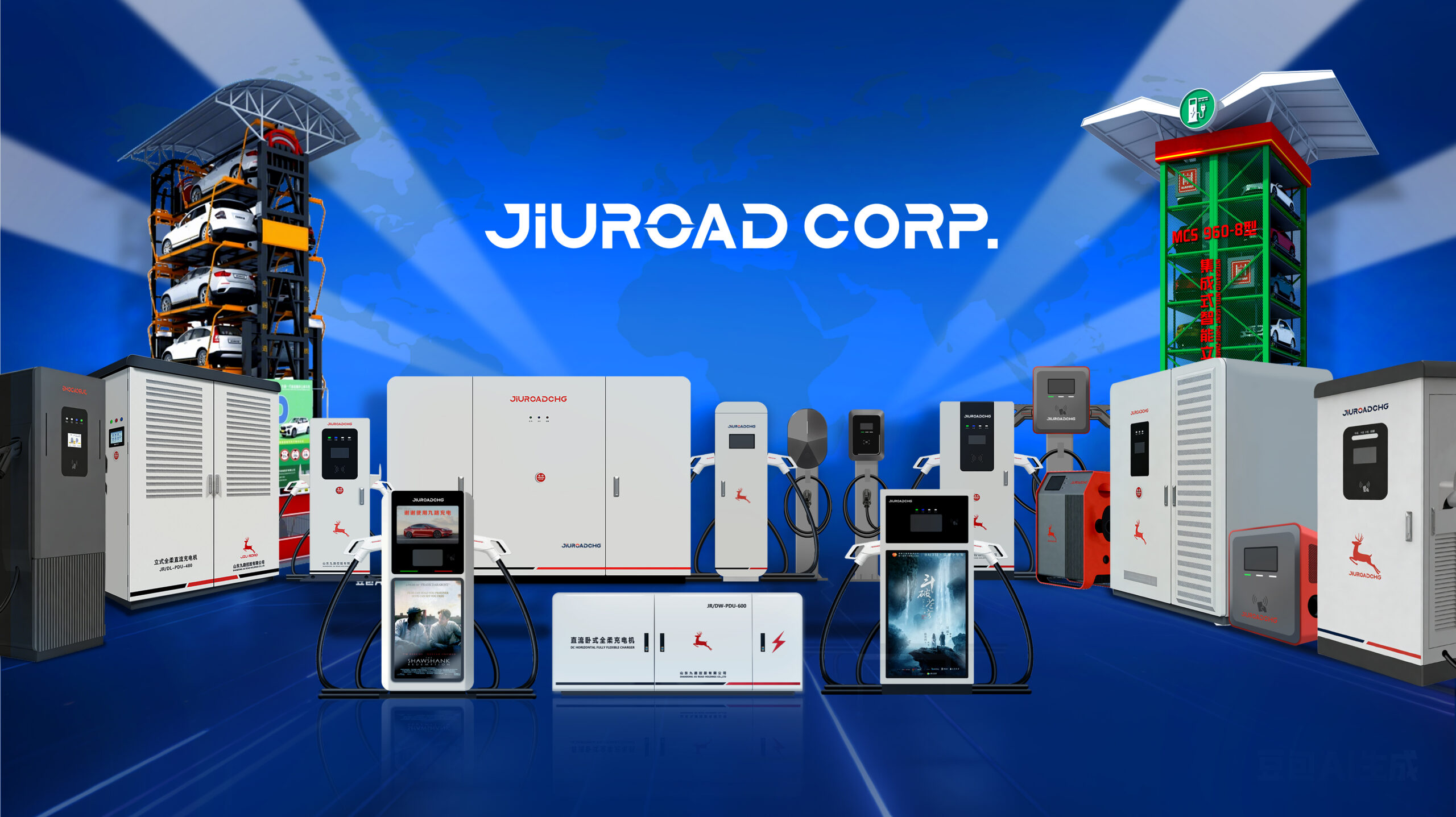
The shift to electric mobility necessitates the integration of ultra-fast DC chargers at traditional petrol and gas stations. This process involves strategic navigation of zoning laws and adherence to local regulations. Stakeholder engagement and infrastructure upgrades are also essential. Each step is pivotal in establishing these locations as viable electric charging hubs. However, the complexities of this initiative raise significant questions about implementation and long-term impact. What challenges await as this transformation unfolds?
Key Takeaways
- Conduct a thorough site assessment to evaluate zoning regulations, local land use restrictions, and proximity to major roadways for charger visibility.
- Engage with municipal planning departments early to navigate permitting processes and ensure compliance with local building codes and environmental regulations.
- Plan for infrastructure upgrades, including electrical capacity enhancements and telecommunications, to support the required power supply for ultra-fast chargers.
- Implement clear signage and user-friendly interfaces to enhance the customer experience and ensure accessibility for all drivers at the station.
- Foster community engagement by identifying stakeholders and addressing their concerns, aligning the installation project with local values and priorities.
How to Integrate Ultra-Fast DC Chargers at Fuel Stations
Integrating ultra-fast DC chargers at fuel stations requires a strategic approach that encompasses infrastructure planning, site assessment, and regulatory compliance. To facilitate successful charger integration, operators must first evaluate existing site conditions, including power access and spatial constraints. This assessment informs the design and placement of charging stations to optimize customer flow while ensuring safety regulations are met. Additionally, collaboration with local authorities is essential to navigate zoning laws and secure necessary permits. The integration of ultra-fast chargers signifies a transformative shift for fuel stations, as they adapt to the growing electric vehicle market. By effectively implementing these chargers, stations can enhance service offerings and appeal to a broader customer base, ultimately driving the fuel station transformation in a sustainable direction.
Understanding the Rise of Electric Mobility
As consumers increasingly prioritize sustainability and technological advancements, the rise of electric mobility is reshaping the automotive landscape. This change is driven by several factors, particularly electric vehicle trends and charging infrastructure advancements. Understanding these dynamics is vital for stakeholders in the automotive and energy sectors.
- Continued government incentives for electric vehicle adoption
- Greater investment in charging infrastructure by both public and private sectors
- Technological advancements improving battery efficiency and range
- Increasing consumer awareness regarding environmental impacts and fuel costs
These developments collectively signify a profound shift, as electric mobility not only caters to consumer demands but also supports global sustainability initiatives. The convergence of innovation and public policy ushers in a new era for traditional petrol and gas stations, necessitating adaptation.
Benefits of Ultra-Fast DC Charging for Fuel Stations
Ultra-fast DC charging presents considerable advantages for fuel stations, particularly in the context of evolving consumer preferences and competitive market dynamics. As the demand for electric vehicles (EVs) rises, fuel stations that integrate ultra-fast charging capabilities can greatly enhance the customer experience. By offering rapid charging speeds, stations can cater to consumers seeking efficiency and convenience, allowing them to recharge in as little as 20-30 minutes. This responsiveness aligns with the fast-paced lifestyle of modern drivers, differentiating these stations from traditional refueling options. Additionally, integrating ultra-fast chargers positions fuel stations as forward-thinking entities in the energy landscape, potentially attracting a broader customer base and increasing overall foot traffic. Hence, adopting this technology is strategic for future growth and market relevance.
Navigating Zoning Laws for EV Charging Stations
The landscape of zoning regulations plays a vital role in the establishment of EV charging stations at existing petrol stations. Understanding local zoning laws and traversing the permitting process are essential steps for successful implementation and compliance. Additionally, strategic site selection must consider both regulatory requirements and community impact to guarantee long-term viability.
Local Zoning Regulations Impact
While the demand for electric vehicle (EV) charging infrastructure grows, local zoning regulations often pose significant hurdles for the installation of ultra-fast DC chargers at petrol stations. Maneuvering through these zoning challenges requires a strategic approach to guarantee regulatory compliance. Key factors influencing the process include:
- Location Restrictions: Certain areas may prohibit EV charger installations based on existing land use designations.
- Building Codes: Compliance with local building ordinances can add complexity to installation efforts.
- Environmental Regulations: Project developers must address potential environmental impacts during planning.
- Community Input: Local communities may voice concerns that influence zoning decisions, potentially delaying projects.
Understanding these aspects is vital for stakeholders aiming to enhance EV infrastructure in alignment with local regulations.
Permitting Process Essentials
Steering through the permitting process for installing EV charging stations requires an extensive understanding of local zoning laws, as these regulations can greatly influence project timelines and feasibility. The variability in permitting timelines and potential regulatory challenges can complicate the deployment of ultra-fast DC chargers at traditional petrol stations.
| Aspect | Considerations | Impact on Project |
|---|---|---|
| Zoning Compliance | Local zoning laws | Affects approval time |
| Environmental Review | Assessment requirements | Delays or rejections |
| Stakeholder Engagement | Community feedback | Influences decisions |
Strategic navigation of these aspects is essential to mitigate risks and streamline the installation process, ensuring that stakeholders can adapt to local regulations effectively.
Site Selection Considerations
Selecting an appropriate site for ultra-fast DC chargers at petrol stations hinges on a thorough understanding of zoning laws and local regulations. Site selection involves careful location analysis to guarantee compliance and operational efficiency. Key considerations include:
- Proximity to major roadways: Enhances visibility and accessibility for EV drivers.
- Existing infrastructure: Availability of power supply and space for charger installation.
- Zoning classifications: Understanding permitted uses to avoid legal complications.
- Local demand: Evaluating the market potential for EV charging services in the area.
Integrating these elements into the decision-making process will provide a strategic advantage, ultimately contributing to the successful implementation of EV charging stations in traditional petrol stations. This proactive approach can pave the way for smoother operations and higher customer satisfaction.
Key Permits for Installing DC Fast Chargers
The installation of DC fast chargers at petrol stations requires a careful navigation of key permits that guarantee compliance with local, state, and federal regulations. Various regulatory challenges arise, such as zoning laws, environmental assessments, and safety compliance obligations. Securing permits can be a time-consuming process, often characterized by lengthy permit timelines that vary by jurisdiction. Stakeholders must proactively engage with municipal planning departments and utility companies to streamline the permitting process. Additionally, conducting thorough pre-application consultations can help identify potential hurdles and expedite approvals. By strategically addressing these regulatory requirements, petrol station operators can position themselves favorably within the evolving landscape of electric vehicle infrastructure while ensuring alignment with compliance mandates.
Finding the Best Locations for Your Chargers
Identifying ideal locations for installing DC fast chargers involves a strategic assessment of various factors that influence usage and accessibility. Effective location analysis is essential to meet charging demand and optimize user convenience. Key considerations include:
- Proximity to high-traffic routes: Guarantees visibility and ease of access for drivers.
- Availability of amenities: Establishes a comfortable waiting experience, offering refreshments or restrooms.
- Local electric grid capacity: Validates that energy supply can support charger operations.
- Current EV adoption rates: Identifies areas with demographic readiness for electric vehicles.
Engaging Community Stakeholders in the Charging Initiative
While commencing the initiative to install ultra-fast DC chargers, engaging community stakeholders emerges as a critical element for success. Effective community engagement fosters a collaborative environment, enabling local stakeholders to voice their concerns and aspirations regarding the charging infrastructure. This collaboration allows project leaders to align the initiative with community values and priorities, ensuring broader acceptance and support.
Identifying key stakeholders—including local businesses, residents, and municipal authorities—facilitates meaningful dialogue that can enhance the project’s overall impact. Additionally, transparent communication regarding the benefits of ultra-fast charging can mitigate potential resistance. Ultimately, successful stakeholder collaboration not only strengthens community relations but also promotes a sustainable shift towards electric mobility, thereby contributing to a greener future.
Infrastructure Upgrades Needed for DC Fast Chargers
Engaging community stakeholders sets the stage for understanding the vital infrastructure upgrades necessary for the effective implementation of DC fast chargers at petrol stations. Essential improvements must emphasize charging station design and infrastructure sustainability to facilitate successful adoption. Key upgrades include:
- Electrical capacity enhancement: Upgrading power systems to support high-voltage operations.
- Spatial reconfiguration: Redesigning station layouts for efficient vehicle flow and accessibility.
- Network connectivity: Implementing robust telecommunications for real-time monitoring and software updates.
- Environmental considerations: Integrating sustainable materials and practices in construction to minimize ecological impact.
These infrastructure components are fundamental to ensuring that petrol stations can effectively accommodate the rising demand for ultra-fast charging solutions, thereby contributing to a more sustainable transportation landscape.
Estimating Power Supply Costs for Fast Charging
Estimating power supply costs for fast charging involves a thorough assessment of the electrical infrastructure requirements, including the capacity and reliability of existing systems. Utility demand charges also play a critical role, as they can markedly influence the overall operational costs associated with high-powered chargers. Additionally, careful consideration of installation expenses will be essential to developing a viable financial model for integrating ultra-fast DC chargers at petrol stations.
Assessing Electrical Infrastructure Needs
As the demand for ultra-fast DC chargers at petrol stations rises, accurately evaluating the electrical infrastructure needs becomes essential for effective implementation. This process requires a thorough electrical capacity assessment to identify existing limitations and necessary infrastructure upgrades.
- Evaluate current electrical load capacity to determine readiness.
- Identify potential upgrades required for transformer and service capacity.
- Assess the feasibility of integrating renewable energy sources.
- Calculate estimated costs for necessary electrical infrastructure modifications.
These assessments guide stakeholders in making informed decisions regarding investments and resource allocation. Adequate planning guarantees that power supply can meet the anticipated demand from fast chargers, promoting a smooth shift into the evolving electric vehicle market while minimizing operational disruptions at petrol stations.
Utility Demand Charges Analysis
Understanding utility demand charges is essential for petrol stations planning to install ultra-fast DC chargers, given that these charges can considerably impact overall power supply costs. Demand forecasting plays a critical role in this analysis, as predicting peak usage times can help stations optimize their energy consumption and manage these costs effectively. Moreover, stations can explore utility incentives, which may alleviate some financial burden related to peak demand charges. By carefully analyzing expected charging patterns and aligning them with utility offerings, petrol stations can strategically mitigate costs associated with demand charges. This approach not only enhances profitability but also supports the shift to electric mobility infrastructure, thereby aligning with broader sustainability goals within the energy sector.
Installation Cost Considerations
Determining installation costs for ultra-fast DC chargers requires a thorough evaluation of multiple factors that influence power supply expenses. A detailed cost breakdown will include the following:
- Infrastructure Upgrades: Evaluating the need for electrical capacity increases and grid connection improvements.
- Equipment Expenses: Estimating costs for chargers, installation, and associated technology.
- Permitting and Compliance: Estimating fees related to local regulations and necessary approvals.
- Financing Options: Exploring potential funding sources and incentives available for installation projects.
Each element plays an essential role in understanding the overall expenditure. By strategically analyzing these components, stakeholders can effectively forecast installation costs and identify viable financing options suitable for their context.
Balancing Costs and Revenue From Installations
Successfully balancing costs and revenue from the installation of ultra-fast DC chargers at petrol stations requires a strategic approach. Conducting a thorough cost analysis can identify initial investments, ongoing maintenance, and operational expenses associated with the chargers. Understanding these costs enables stakeholders to formulate effective revenue models that maximize profitability. Multiple revenue streams, such as pay-per-use fees, subscription models, or partnership agreements with EV manufacturers, can enhance financial viability. Moreover, local demand and market growth trends should be factored into financial projections, ensuring that the revenue models align with customer needs. By evaluating both costs and potential earnings, petrol station owners can make informed decisions that contribute to sustainable economic returns while adapting to the evolving electric vehicle landscape.
Choosing the Right DC Fast Charging Technology
Selecting the appropriate DC fast charging technology involves a thorough evaluation of available charging standards, power output capacities, and installation costs. Each of these factors can markedly influence both the performance and financial viability of charging infrastructure at petrol stations. A strategic approach to this selection process is essential for maximizing operational efficiency and customer satisfaction.
Charging Standards Overview
The landscape of electric vehicle (EV) charging technology is characterized by varying standards, each influencing the efficiency and compatibility of DC fast charging solutions. Selecting the appropriate charging standards is essential for ensuring regulatory compliance and optimizing operational performance. Key considerations include:
- Connector Types: Standards such as CCS, CHAdeMO, and Tesla’s proprietary connector.
- Communication Protocols: Factors include how chargers communicate with vehicles for efficient charging.
- Safety Standards: Compliance with local and international safety regulations to prevent hazards.
- Grid Compatibility: Ensuring chargers integrate smoothly with existing electrical infrastructure.
These elements not only affect the user experience but also dictate the overall success of DC fast charging installations at traditional petrol and gas stations. Understanding these standards is fundamental for strategic implementation and wider adoption.
Power Output Considerations
Power output is a critical factor in the adoption and effectiveness of DC fast charging technology at petrol stations. The selection of appropriate power levels considerably influences the overall charging network’s efficiency and user experience. Higher power distribution capabilities can facilitate rapid charging, accommodating the growing demand for electric vehicles (EVs). At the same time, strategic planning is essential to balance power output with existing infrastructure, ensuring compatibility and minimizing interruptions. Additionally, the technology selected must align with the anticipated charging habits of users, whether for quick top-ups or longer stays. Ultimately, optimized power output choices help maximize the station’s utility, attracting more customers while supporting the broader shift to sustainable energy solutions within urban landscapes.
Installation Cost Factors
Installation costs play a significant role in determining the feasibility of adopting DC fast charging technology at petrol stations. A broad cost breakdown is essential for stakeholders to navigate financial implications effectively. Key factors influencing installation costs include:
- Equipment Costs: Variability in prices based on charging capacity and technology choice.
- Site Preparation: Expenses related to electrical upgrades or site modifications needed for installation.
- Labor Costs: The complexity of installation may necessitate specialized technicians.
- Permitting and Compliance: Costs associated with fulfilling zoning laws and obtaining necessary permits.
Financial incentives may exist to offset some of these costs, potentially making the shift to DC fast charging more financially viable for petrol station operators. Evaluating these factors strategically can enhance the decision-making process.
Designing Charger Layouts for Optimal Driver Experience
Frequently, the layout of charging stations can greatly influence the overall driver experience. Strategic designs that prioritize user experience enhancements play a key role in encouraging frequent use and satisfaction. For ideal driver flow optimization, station layouts should guarantee easy access to chargers while minimizing congestion and confusion. This includes strategically positioning chargers to allow for straightforward entry and exit paths, which is particularly important in petrol station environments. The integration of clear signage and intuitive navigation aids can further improve the user experience, making sure drivers can locate chargers quickly and without frustration. Furthermore, designing adequate space between charging units allows for simultaneous use, enhancing efficiency and convenience for all drivers. Overall, thoughtful layout design is essential for maximizing the potential of ultra-fast DC charging stations.
Ensuring Accessibility for All Drivers
Although the design of ultra-fast DC chargers focuses on efficiency, guaranteeing accessibility for all drivers remains a critical consideration. Different driver demographics introduce various accessibility challenges that must be adequately addressed. Strategically planned charging stations can mitigate these challenges by implementing inclusive design principles. Key factors include:
- Clear signage: Enhances understanding of charger locations and functionalities.
- Accessible layouts: Guarantees that chargers are within reach for individuals with mobility impairments.
- Adaptable charging equipment: Offers compatibility with various vehicle types, accommodating all drivers.
- User-friendly interfaces: Simplifies usage for drivers of all experience levels, minimizing technological barriers.
Focusing on these factors will create an inclusive environment, promoting widespread electric vehicle adoption and catering to diverse driver demographics.
How to Promote Your New Charging Station Effectively
Effective promotion of new charging stations requires a strategic approach that leverages social media platforms to reach potential users. Engaging content and targeted advertising can raise awareness and drive traffic to the site, while promotional incentives can attract both new and existing customers. By combining these tactics, stations can enhance visibility and encourage usage, ultimately fulfilling market demand for charging infrastructure.
Utilize Social Media Platforms
Harnessing the power of social media platforms is essential for promoting new charging stations effectively. Strategic social media strategies can elevate visibility and attract customers. Leveraging influencer partnerships extends reach and builds credibility, making it critical to develop a focused approach.
Key tactics include:
- Targeted Advertising: Utilize paid advertisements to reach electric vehicle (EV) owners in the vicinity.
- Engaging Content: Share informative posts or videos that highlight the benefits of ultra-fast charging.
- User-Generated Content: Encourage satisfied customers to share their experiences, fostering community engagement.
- Real-Time Updates: Use platforms for announcements about installations, promotions, or partnerships.
Offer Promotional Incentives
Offering promotional incentives is a strategic approach to attract customers to new charging stations. Implementing targeted promotional campaigns can effectively enhance visibility and appeal to electric vehicle (EV) users. These incentives may include discounts, loyalty programs, or bundled services, which can stimulate customer engagement and foster brand loyalty.
Through well-structured promotions, stations can emphasize their unique selling propositions, such as convenience and charging speed, aligning with customer expectations. Collaborating with local businesses to create co-promotional efforts broadens outreach and enhances community connection. Additionally, utilizing data analytics to refine promotional strategies guarantees that incentives resonate effectively with target demographics. By prioritizing enticing offers, stations can maximize foot traffic and secure a competitive advantage in the fast-evolving EV market.
Monitoring Usage and Maintenance Post-Installation
Monitoring the usage and maintenance of ultra-fast DC chargers is essential for guaranteeing their peak performance and reliability post-installation. Effective tracking of usage metrics allows operators to evaluate charger demand and identify peak usage hours. Additionally, implementing maintenance strategies can extend the lifespan of the equipment. Key considerations include:
- Regular software updates to guarantee compatibility and security.
- Performance analytics to monitor downtime and address issues proactively.
- User feedback collection for improving service and functionality.
- Scheduled inspections and physical maintenance to prevent wear and tear.
Future Innovations in Ultra-Fast DC Charging
Emerging technologies poised to revolutionize ultra-fast DC charging are set to enhance efficiency and user experience substantially. Innovations in battery technology, such as solid-state batteries and advanced lithium-ion variants, promise higher energy density and faster charging capabilities. These advancements can considerably reduce waiting times for electric vehicle users, promoting greater adoption rates. Additionally, the integration of artificial intelligence and machine learning into charging infrastructure can optimize charger utilization and improve charging efficiency, dynamically adjusting output based on real-time demand. Moreover, developments in renewable energy sources, paired with energy storage systems, will enable stations to provide greener charging options. Collectively, these innovations will not only streamline the charging process but also position traditional petrol and gas stations as forward-thinking, sustainable hubs for electric mobility.
Conclusion
In summary, the integration of ultra-fast DC chargers at traditional petrol and gas stations represents a pivotal shift in transportation infrastructure, akin to the advent of the steam engine reshaping the landscape of travel. By strategically addressing zoning laws, permits, and community concerns, fuel stations can evolve into electric mobility hubs. This change not only meets current consumer demands but also guarantees a sustainable future, reflecting an industry poised to adapt and thrive amid changing mobility paradigms.