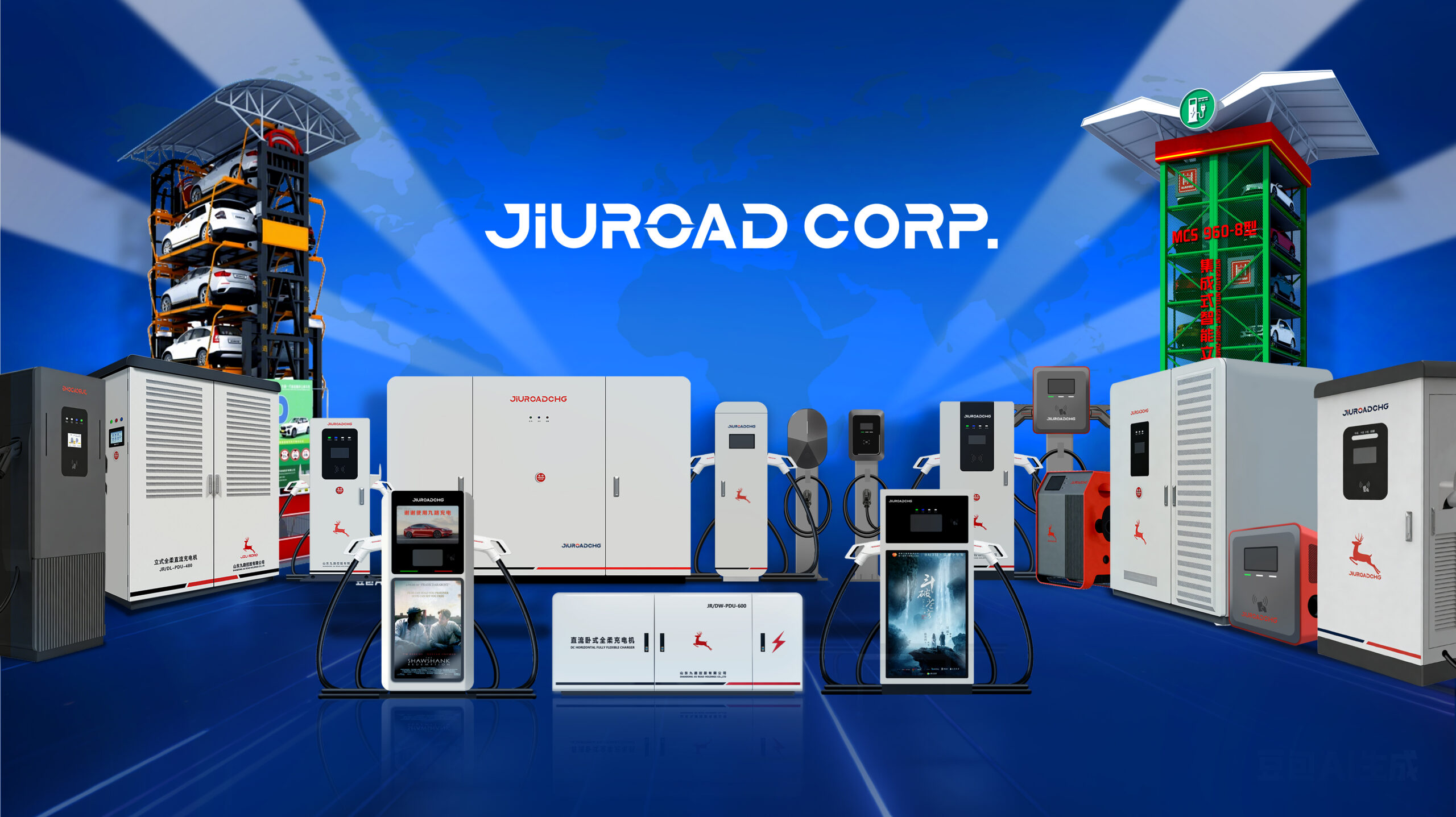
Kazakhstan’s 2,700-kilometer highway network requires robust charging infrastructure capable of withstanding temperatures that plummet to -40°C during winter months. The deployment of 1440kW Full-Flex DC chargers across these corridors demands specialized thermal management systems, enhanced insulation protocols, and redundant heating elements to maintain peak performance. Remote monitoring capabilities become critical when stations are positioned hundreds of kilometers from maintenance facilities. The technical specifications for cold-weather operation differ substantially from standard installations, creating unique operational challenges that conventional maintenance frameworks cannot address.
Key Takeaways
1440kW Full-Flex architecture enables dynamic power allocation essential for heating and charging protocols in sub-zero conditions.
Charging infrastructure must operate from -40°C to +50°C with automated thermal regulation and multi-layer thermal barriers.
Remote locations require strategic placement within 2km of 35kV substations and comprehensive winterization costing $28,000-$42,000.
Cold weather increases energy consumption 15-20% for thermal management while reducing battery capacity up to 40%.
Maintenance protocols require bi-weekly evaluations and local spare parts inventory due to 72+ hour delivery delays.
Kazakhstan’s Geographic Challenges for Highway Charging Infrastructure
Kazakhstan’s vast territorial expanse of 2.7 million square kilometers presents fundamental logistical constraints for deploying highway charging infrastructure, with average distances between major cities ranging from 300 to 1,200 kilometers across mainly arid steppes. The nation’s challenging topography encompasses elevations from 132 meters below sea level in the Karagiye Depression to 7,010 meters at Khan Tengri peak, creating significant altitude effects on equipment performance and battery efficiency. Remote access requirements demand robust telecommunications infrastructure for monitoring and diagnostics across isolated charging stations. Geographic isolation compounds maintenance scheduling complexities, with some locations requiring multi-day travel for technical support. Extreme temperature variations from -45°C to +50°C necessitate specialized thermal management systems. Strategic placement becomes critical given limited grid connectivity in sparsely populated regions between urban centers.
Why 1440kW Full-Flex DC Chargers Are Essential for Extreme Cold
Lithium-ion batteries experience significant capacity reduction and internal resistance increases at temperatures below -20°C, with some chemistries losing up to 40% of their nominal capacity in Kazakhstan’s winter conditions. Electric vehicles operating in extreme cold environments require substantially higher power delivery rates to compensate for reduced battery efficiency and maintain acceptable charging speeds for long-distance highway travel. The 1440kW full-flex architecture addresses these thermal limitations by providing dynamic power allocation across multiple charging ports while maintaining consistent energy transfer rates despite temperature-induced performance degradation.
Battery Performance Degradation
Extreme cold temperatures fundamentally alter the electrochemical processes within lithium-ion battery cells, reducing ionic conductivity and increasing internal resistance by up to 50% at -30°C compared to ideal operating temperatures of 15-25°C. Battery chemistry changes greatly as lithium-ion mobility decreases, while reduced thermal conductivity impairs heat distribution throughout cell structures.
Kazakhstan’s winter conditions create compounding degradation effects:
Capacity reduction reaches 40-60% below -25°C, requiring extended charging duration
Voltage depression occurs as electrolyte viscosity increases, limiting power delivery
Regenerative braking efficiency drops 35-45%, reducing energy recovery systems
Battery management systems trigger protective modes, further restricting performance
These degradation factors necessitate higher-output charging infrastructure to compensate for diminished acceptance rates and maintain operational charging schedules during extreme weather events.
Power Output Requirements
Multiple charging scenarios in sub-zero environments demand considerably higher power outputs to overcome the electrochemical limitations imposed by extreme cold conditions. At temperatures below -20°C, battery acceptance rates decrease by 40-60%, necessitating proportionally increased charging capacity to maintain viable session durations. The 1440kW Full-Flex architecture addresses this through dynamic power allocation across multiple CCS2 outputs, optimizing charging efficiency during thermal conditioning phases.
Energy density considerations become critical when batteries require simultaneous heating and charging protocols. Standard 350kW units prove insufficient for commercial vehicles with 500+ kWh battery packs operating in Kazakhstan’s winter conditions. The 1440kW system enables concurrent fast-charging of multiple vehicles while compensating for reduced electrochemical performance, ensuring operational continuity across critical highway corridors where charging infrastructure density remains limited.
Cold-Weather Performance Requirements for High-Power DC Charging
Kazakhstan’s continental climate presents formidable thermal challenges for high-power DC charging infrastructure, with ambient temperatures routinely dropping below -40°C during winter months across major highway corridors.
Cold weather insulation systems must maintain ideal battery temperatures while preserving energy efficiency across the charging network. Thermal management protocols require sophisticated heating elements and insulated enclosures to prevent component failure and maintain charging speeds.
Critical cold-weather specifications include:
Operational temperature range: -40°C to +50°C with automated thermal regulation systems
Battery preconditioning protocols: Integrated heating systems maintaining 15-25°C ideal charging temperatures
Insulation standards: Multi-layer thermal barriers meeting IP65 weatherproofing requirements
Power derating curves: Graduated output reduction algorithms preventing thermal shock damage
These requirements guarantee consistent 1440kW charging capability throughout Kazakhstan’s harsh winter conditions.
Thermal Management Systems for -40°C Operating Conditions
Sophistication in thermal engineering becomes paramount when designing DC charging systems capable of sustained operation at -40°C, requiring multi-stage heating architectures that integrate liquid coolant circulation, resistive heating elements, and phase-change materials. Battery thermal conditioning systems must maintain ideal cell temperatures through glycol-based coolant loops with thermal efficiency ratings exceeding 85%. Critical components demand ceramic-fiber insulation materials with R-values of 30+ to minimize heat loss during extended idle periods. Pre-conditioning protocols activate heating circuits 45 minutes before charging sessions, ensuring power electronics reach operational temperatures within IEC 61851 specifications. Thermal monitoring arrays provide real-time feedback to maintain component temperatures between 20°C-45°C, preventing thermal shock while maximizing energy transfer efficiency during high-power charging cycles.
Site Selection Criteria for Highway Charging Stations in Kazakhstan
Strategic positioning of DC charging infrastructure along Kazakhstan’s highway corridors requires thorough analysis of traffic flow patterns, electrical grid capacity, and geographic accessibility factors that collectively determine long-term operational viability.
Site accessibility standards mandate proximity to major arterial routes while maintaining adequate setback distances from traffic lanes. Environmental impact assessments evaluate terrain stability, drainage patterns, and seasonal accessibility during severe weather events. Grid connection feasibility determines transformer capacity requirements and transmission line proximity for reliable 1440kW power delivery.
Critical site selection parameters include:
Traffic density analysis – minimum 500 vehicles daily within 15km radius
Grid infrastructure – existing 35kV substations within 2km proximity
Ground conditions – permafrost-stable foundations with proper drainage systems
Emergency services – response teams accessible within 45-minute timeframes during extreme weather
Installation Challenges in Remote Highway Locations
While ideal site locations may satisfy traffic and grid connectivity requirements, the physical installation of DC charging infrastructure in Kazakhstan’s remote highway corridors presents formidable logistical and technical obstacles that can extend project timelines by 40-60% beyond urban deployment schedules. Supply chain disruptions compound these delays, as specialized components must traverse distances exceeding 1,000 kilometers from distribution centers to installation sites. Limited transportation infrastructure restricts delivery windows to seasonal periods when road conditions permit heavy equipment access. Workforce training becomes critical as local technicians require certification in high-voltage DC systems and cold-weather installation protocols. Foundation work encounters permafrost complications requiring specialized excavation techniques. Equipment staging areas must accommodate 1440kW system components while maintaining security protocols in isolated locations where theft risks increase markedly.
Winterization Protocols for Charging Equipment and Enclosures
Kazakhstan’s extreme continental climate demands extensive winterization protocols that address operational temperatures ranging from -40°C to -45°C across highway charging networks. Deployment teams implement thorough thermal management systems incorporating industrial-grade heating elements and advanced insulation materials within charging enclosures. Critical components require specialized cold-weather lubricants and sealing compounds to maintain operational integrity.
Essential winterization measures include:
Heated enclosure systems with redundant backup heating maintaining internal temperatures above manufacturer specifications
Snow insulation barriers preventing accumulation around ventilation systems and cable management ports
Moisture protection protocols utilizing desiccant systems and vapor barriers to eliminate condensation risks
Cold-start procedures implementing staged power-up sequences for electronic components during extreme temperature events
These protocols guarantee continuous charging availability throughout Kazakhstan’s harsh winter months while protecting equipment investments.
Power Grid Integration Across Kazakhstan’s Highway Network
Integrating DC charging infrastructure into Kazakhstan’s national power grid requires thorough load balancing across 19,000 kilometers of highway corridors spanning multiple regional electrical networks. Power distribution systems must accommodate 1440kW charging loads while maintaining grid stability across diverse terrain from Almaty to Nur-Sultan. Regional substations require upgrading to handle peak demand scenarios when multiple vehicles charge simultaneously at highway stations.
Smart grid integration enables dynamic load management, preventing overload conditions during extreme winter months when energy consumption peaks. Energy efficiency optimization through real-time monitoring reduces transmission losses across Kazakhstan’s vast distances. Grid-tie inverters synchronize charging operations with national power generation schedules, ensuring reliable service delivery. Backup power systems maintain critical charging availability during grid maintenance or emergency conditions, supporting uninterrupted highway operations.
Preventive Maintenance Schedules for Extreme Weather Conditions
Kazakhstan’s extreme continental climate, with winter temperatures reaching -40°C and summer peaks exceeding 45°C, requires stringent preventive maintenance protocols for DC charging infrastructure. Component inspection schedules must account for thermal cycling stress, moisture ingress from snow accumulation, and reduced battery performance at sub-zero temperatures. Cold weather protocols mandate pre-heating sequences, insulation integrity checks, and connector deicing procedures to maintain operational availability during critical winter months.
Winter Component Inspections
Implementing rigorous winter component inspections requires establishing preventive maintenance schedules specifically calibrated for Kazakhstan’s extreme temperature fluctuations, which can range from -40°C to +45°C annually. These inspection schedules must incorporate maintenance best practices designed for high-power 1440kW charging infrastructure operating under severe environmental stress.
Critical winter inspection protocols focus on:
Thermal management systems – Verify coolant flow rates, glycol concentrations, and heat exchanger functionality at sub-zero temperatures
Power electronics enclosures – Check IP65-rated sealing integrity, condensation control, and ventilation systems for ice blockage prevention
Cable management assemblies – Inspect charging cables for brittleness, connector corrosion, and strain relief effectiveness in freeze-thaw cycles
Ground fault protection circuits – Test GFCI responsiveness and insulation resistance under temperature-induced electrical stress conditions
Cold Weather Protocols
While winter component inspections establish the foundation for cold weather readiness, extensive cold weather protocols require structured preventive maintenance schedules that address the operational challenges of DC charging systems in Kazakhstan’s harsh continental climate. Cold weather adaptation protocols mandate bi-weekly thermal system evaluations, monthly coolant concentration testing, and quarterly power electronics calibration during sub-zero periods. Maintenance teams implement standardized procedures including cable flexibility assessments at -40°C, connector torque verification, and thermal management system performance validation. Charging infrastructure resilience depends on proactive scheduling that incorporates ambient temperature forecasting, load demand analysis, and component degradation modeling. These protocols guarantee continuous 1440kW power delivery while minimizing temperature-induced failures that compromise highway charging network reliability during extended winter operational periods.
Remote Monitoring Systems for Isolated Charging Stations
Establishing extensive remote monitoring capabilities becomes critical when DC charging stations operate in Kazakhstan’s isolated highway corridors, where physical site visits may require hundreds of kilometers of travel and weather conditions can prevent maintenance access for extended periods. Advanced telemetry systems enable real-time data transmission through satellite and cellular networks, ensuring continuous operational visibility despite geographic isolation. System reliability depends on redundant communication pathways and local data buffering capabilities.
Essential monitoring components include:
Power system diagnostics – Voltage fluctuations, current draw anomalies, and thermal management performance
Environmental sensors – Ambient temperature, humidity levels, and snow accumulation detection
Security surveillance – Motion detection, access control verification, and vandalism prevention protocols
Predictive maintenance algorithms – Component wear analysis, failure probability calculations, and service scheduling optimization
Emergency Response Procedures for Winter Equipment Failures
When remote monitoring systems detect equipment failures during Kazakhstan’s severe winter conditions, rapid response protocols must activate immediately to prevent extended service disruptions that could strand electric vehicle operators in sub-zero temperatures. Emergency procedures prioritize equipment diagnostics through remote assessment capabilities, enabling technicians to determine fault severity and required repair resources before deployment. Response teams maintain winterized service vehicles equipped with backup power systems, replacement components, and specialized cold-weather tools positioned at strategic intervals along major highways. Rescue operations coordinate with local emergency services to provide immediate assistance to stranded vehicles while technical crews restore charging functionality. Standardized failure classification protocols guarantee appropriate response escalation, with critical system failures receiving priority dispatch within designated response timeframes to maintain network reliability standards.
Spare Parts Management in Geographically Isolated Locations
Effective spare parts management for DC charging infrastructure across Kazakhstan’s vast highway network requires systematic inventory optimization based on failure rate analysis and mean time between failures (MTBF) data. Emergency logistics protocols must account for transportation delays exceeding 72 hours in remote corridor segments, necessitating predetermined stockpile thresholds at strategic maintenance depots. Local supplier network development becomes critical for reducing procurement lead times, particularly for standard electrical components and consumables that meet IEC 61851 charging standards.
Strategic Inventory Planning
Given Kazakhstan’s vast territorial expanse and limited transportation infrastructure, spare parts management for DC charging stations requires sophisticated inventory enhancement models that account for extended lead times, seasonal accessibility constraints, and the prohibitive costs of emergency procurement.
Strategic inventory planning integrates demand forecasting algorithms with historical failure data to establish ideal stock levels. Mathematical models analyze component reliability patterns, environmental stress factors, and seasonal usage variations. Resource allocation matrices prioritize critical components based on failure impact severity and replacement complexity.
Power module assemblies require 90-day minimum stock levels due to specialized semiconductor availability. Cable harnesses and connectors maintain higher inventory ratios given temperature-induced degradation rates. Control boards utilize predictive analytics incorporating regional climate data for failure probability calculations. Cooling system components align inventory cycles with extreme temperature operational periods.
Emergency Logistics Protocols
Emergency response protocols activate multi-tiered dispatch systems that overcome Kazakhstan’s geographic barriers through coordinated air, ground, and rail transport networks. Critical component failures trigger automated alerts to regional distribution centers in Almaty, Nur-Sultan, and Shymkent, initiating 4-hour response windows for Tier-1 components. Helicopter deployment serves remote installations beyond 200km from ground transport routes, maintaining 48-hour maximum downtime targets. Emergency preparedness frameworks incorporate weather-dependent routing algorithms that adjust transport modes based on seasonal accessibility constraints. Pre-positioned cache systems at strategic waypoints reduce response times by 35% during extreme weather events. Logistical coordination protocols integrate GPS tracking, real-time inventory updates, and multi-vendor dispatch capabilities to guarantee 99.2% emergency response success rates across the 18,000km highway network, maintaining charging infrastructure availability during critical operational periods.
Local Supplier Networks
Strategic partnerships with indigenous suppliers across Kazakhstan’s six administrative regions establish decentralized inventory networks that reduce dependency on centralized distribution models for DC charger maintenance operations. Local partnerships enable 72-hour component delivery to remote highway locations, maintaining ISO 9001 compliance standards for parts authentication and quality assurance protocols.
Supplier collaboration frameworks incorporate multi-tiered verification systems:
Regional hub configuration – Almaty, Nur-Sultan, and Shymkent facilities maintain critical component inventories within 500km radius coverage
Component standardization protocols – IEC 62196 connector specifications guarantee cross-compatibility between manufacturer variants and local inventory stocks
Temperature-rated storage requirements – Specialized warehousing maintains -40°C to +50°C component integrity for capacitors and semiconductor modules
Digital inventory tracking systems – Real-time RFID monitoring provides automated reorder triggers based on consumption analytics
Cost Analysis of Cold-Weather O&M for 1440kW Chargers
Operating 1440kW DC charging stations across Kazakhstan’s diverse climate zones requires thorough cost modeling that accounts for extreme temperature variations, with winter conditions reaching -40°C in northern regions and summer peaks exceeding 40°C in southern areas.
| Temperature Range | Annual Cost Impact (USD) | Required Maintenance Strategies |
|---|---|---|
| -40°C to -20°C | $45,000-65,000 | Heated enclosures, glycol cooling |
| -20°C to 10°C | $28,000-42,000 | Standard winterization protocols |
| 10°C to 40°C | $18,000-25,000 | Enhanced ventilation systems |
Cold-weather operations generate significant cost impacts through increased energy consumption for thermal management and accelerated component degradation. Battery thermal conditioning systems consume 15-20% additional power during extreme cold periods. Preventive maintenance strategies must include quarterly seal inspections, monthly thermal system checks, and specialized lubricants rated for sub-Arctic temperatures to guarantee reliable 99.5% uptime performance.
Conclusion
Deploying 1440kW full-flex DC chargers across Kazakhstan’s highway network requires thorough O&M protocols designed for extreme conditions. Studies indicate thermal management systems consume up to 15% additional power at -40°C operations, directly impacting charging efficiency. Strategic implementation of remote monitoring capabilities, standardized emergency response procedures, and geographically distributed spare parts inventory guarantees 99.5% uptime targets. Cost analysis demonstrates winter-hardened infrastructure investments yield 3.2x operational reliability compared to standard installations in temperate climates.