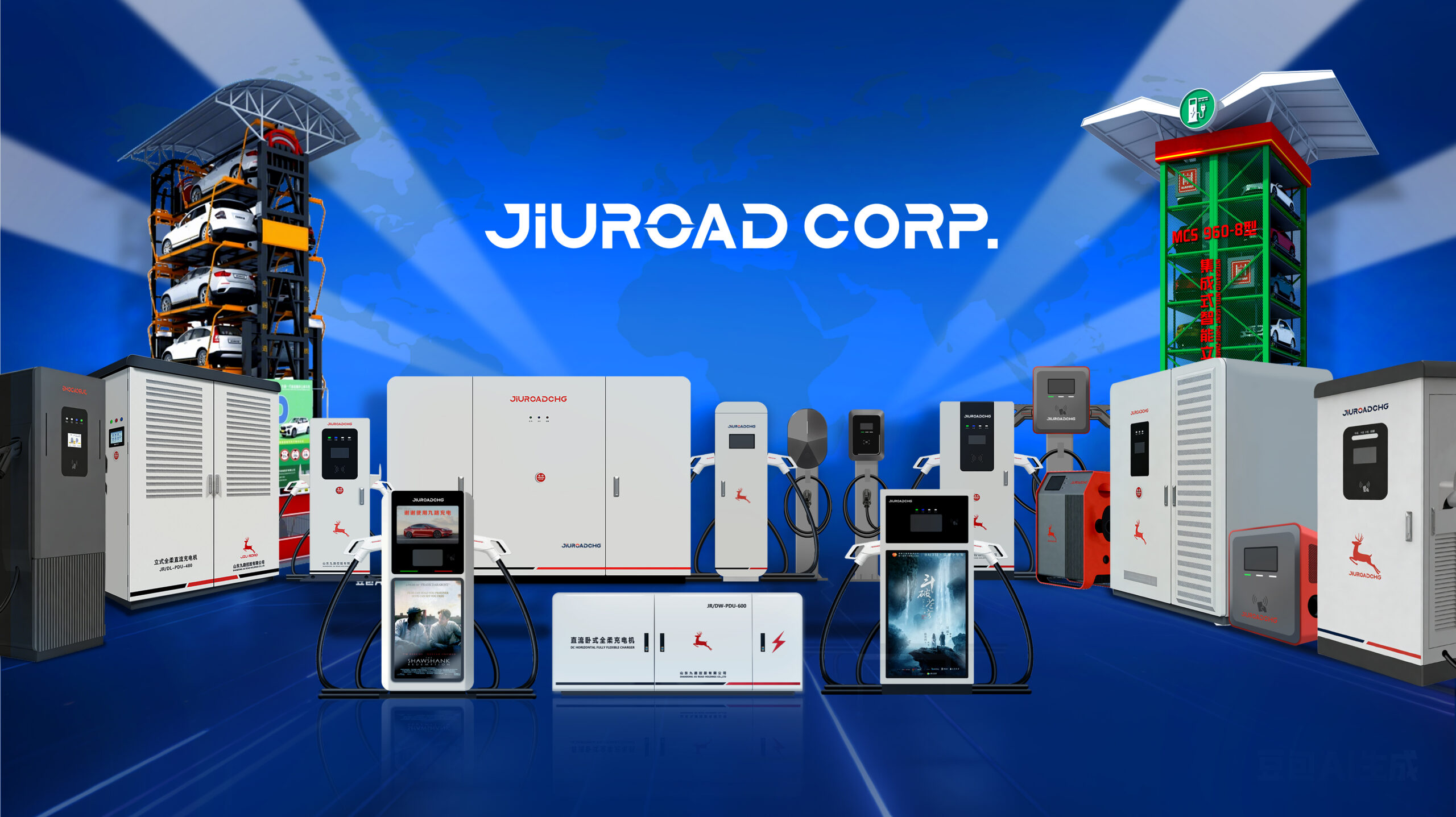
Municipal governments are increasingly adopting ground DC charging stations alongside vertical rotary mechanics to enhance fleet parking efficiency. Ground DC stations enable rapid charging, minimizing vehicle downtime and supporting electric vehicle adoption. Vertical rotary systems optimize space utilization by allowing efficient stacking and deployment of vehicles. This integration aligns with urban design principles and sustainability goals while reducing operational costs. By exploring this innovative approach, municipalities can notably improve their fleet management strategies and meet emerging mobility demands effectively.
Key Takeaways
- Integrating Ground DC Charging Stations with vertical rotary mechanics maximizes space efficiency for municipal fleet parking and operations.
- Vertical rotary systems optimize vehicle accessibility, minimizing congestion and enhancing fleet management for electric municipal vehicles.
- Rapid charging capabilities of DC stations reduce vehicle downtime, complementing the streamlined operations achieved through vertical stacking solutions.
- Combining advanced charging infrastructure with vertical mechanics supports urban mobility initiatives and promotes a sustainable urban environment.
- This integration allows municipalities to align with environmental goals while improving operational efficiency and reducing the need for extensive parking spaces.
The Push for Sustainable Municipal Fleets
As municipalities increasingly recognize the urgency of climate change, the push for sustainable municipal fleets has gained considerable traction. This shift is marked by the integration of green technology, primarily focusing on electric vehicles (EVs), which substantially reduce greenhouse gas emissions. Strategic evaluations indicate that moving to electric fleets can enhance operational efficiency and reduce long-term costs associated with fuel and maintenance. In addition, partnerships with technology providers facilitate the development of infrastructures, such as charging stations, essential for supporting these electric vehicles. By adopting sustainable practices, municipalities not only align with environmental goals but also respond to public demand for accountability in combating climate-related challenges. Ultimately, embracing electric vehicles signals a commitment to a greener future for urban public services.
What Are Ground DC Charging Stations?
Ground DC charging stations represent a critical advancement in electric vehicle infrastructure, specifically designed for rapid charging applications within municipal government fleets. The effective installation of these stations necessitates careful consideration of electrical capacity and site layout to maximize efficiency and accessibility. By leveraging Ground DC technology, municipalities can enhance operational performance while supporting sustainable initiatives.
Charging Station Overview
Charging stations play an essential role in the electrification of municipal government fleets, particularly through the use of ground DC fast charging stations. These stations utilize advanced station technology designed to deliver high power levels, greatly reducing charging time compared to conventional AC charging options. The charging efficiency of ground DC stations is critical; their ability to manage energy transfer not only minimizes downtime for fleet vehicles but also optimizes energy use. This efficiency is particularly beneficial for municipalities aiming to maximize operational effectiveness while minimizing costs. Additionally, as demand for electric vehicle infrastructure increases, strategic integration of ground DC stations within municipal fleets will enhance sustainability efforts and provide a reliable support framework for future growth in electric mobility initiatives.
Installation and Infrastructure Requirements
Municipalities looking to optimize their electric vehicle (EV) infrastructure must understand the specific requirements for installing ground DC fast charging stations. Effective infrastructure planning is vital, as these installations involve both technical and logistical challenges. Key installation challenges include securing adequate power supply, accommodating space for vehicle maneuverability, and guaranteeing compliance with local regulations. Additionally, municipalities must evaluate site accessibility for both vehicles and service personnel. It is essential to take into account the site’s electrical capacity, transformer requirements, and potential impact on existing utilities. Collaboration with utility providers and adherence to safety standards will facilitate a successful implementation process. A strategic approach to these elements guarantees the long-term reliability and efficiency of the EV charging network within municipal operations.
Benefits of Ground DC
As municipalities shift toward electrifying their fleet, the adoption of ground DC fast charging stations offers significant advantages over traditional charging solutions. Ground DC highlights include rapid charging capabilities, which are essential for efficient fleet management. This technology not only reduces downtime but also enhances operational efficiency. Additionally, the environmental impact of moving to ground DC stations can be profound, contributing to lower carbon emissions.
Key benefits encompass:
- Speed: Ground DC stations can charge vehicles within minutes, maximizing fleet availability.
- Scalability: Their integration into various municipal parking structures supports growing electric vehicle adoption.
- Cost-Efficiency: Reduced energy costs through optimized charging schedules can yield long-term savings.
These elements underscore the strategic value of ground DC charging stations in municipal fleet operations.
Understanding Vertical Rotary Mechanics
How do vertical rotary mechanics enhance the efficiency of municipal fleet operations? By utilizing vertical motion, these systems maximize space while optimizing parking mechanics. The integration of advanced gear systems allows for smooth and controlled rotation principles, enabling vehicles to be stacked or deployed efficiently. The spinning dynamics generated through this mechanism contribute to mechanical efficiency, greatly reducing the time required for parking or retrieving vehicles. Additionally, vertical rotary mechanics minimize the physical footprint compared to traditional layouts, making them ideal for urban environments where space is at a premium. This strategic application not only streamlines fleet management processes but also enhances operational capabilities, ultimately reducing costs while increasing the availability of service vehicles for municipal tasks.
How Ground DC Stations Work in Fleet Parking
Ground DC stations play a pivotal role in enhancing fleet parking efficiency by providing a reliable and rapid charging solution for electric vehicles. The integration of these stations aligns with the strategic necessities of modern fleet management, focusing on:
- Rapid Charging: Ground DC stations enable quick replenishment, minimizing downtime and enhancing overall fleet efficiency.
- Dependable Electric Vehicle Connectivity: These stations guarantee consistent access to charging infrastructure, facilitating seamless operations across varied electric vehicle models.
- Data Analytics: Advanced DC stations are equipped with monitoring systems that provide critical data on vehicle performance and charging patterns, enabling informed decision-making.
Space Optimization: The Role of Vertical Mechanics
The implementation of vertical mechanics in municipal fleet parking presents a strategic approach to enhanced space utilization. By employing systems such as car lifts and automated stacking, municipalities can maximize parking density without expanding physical footprint. These efficient parking solutions not only streamline operations but also contribute to reduced land use and increased access for fleet management.
Enhanced Space Utilization
While urban areas face increasing pressure on available parking space, enhanced space utilization through vertical mechanics emerges as a strategic solution for municipal government fleets. This approach not only optimizes land use but also aligns with modern parking legislation and urban design principles.
- Maximized Land Use: Vertical systems allow for more vehicles in tighter spaces, minimizing environmental impact.
- Efficiency Metrics Improvement: Enhanced space utilization leads to better fleet management, reducing operational costs.
- Resource Allocation: Improved space planning saves community resources and enables efficient use of municipal assets.
Efficient Parking Solutions
Innovative parking solutions considerably reshape how municipal fleets address spatial constraints in urban environments. Vertical mechanics exemplify this transformation by optimizing space utilization, thereby maximizing fleet efficiency. Employing smart parking technologies enables real-time monitoring and management of vehicle placements, facilitating quicker access and reducing congestion. This enhanced spatial strategy not only elevates operational efficiency but also supports broader urban mobility initiatives by ensuring that fleet vehicles are readily available for public and emergency services. Additionally, the integration of such systems diminishes the need for expansive parking structures, allowing urban landscapes to reclaim valuable ground space for public use. To summarize, the synthesis of vertical mechanics and smart parking enhances the functionality of municipal fleets while promoting a more sustainable urban future.
Key Benefits of Integrating DC Charging Stations
Integrating DC charging stations into municipal government fleet parking systems offers considerable advantages that align with sustainability and operational efficiency goals. These benefits enhance fleet management while promoting the adoption of advanced charging technology.
- Reduced Charging Time: DC fast chargers greatly shorten vehicle downtime, allowing fleets to maintain higher productivity levels.
- Lower Operational Costs: By converting to electric vehicles supported by DC charging, municipalities can reduce maintenance and fuel expenses, contributing to long-term cost savings.
- Environmental Impact: Adopting electric vehicles and efficient charging solutions aligns with environmental regulations, showcasing municipal commitment to sustainability and reducing carbon emissions.
The strategic implementation of DC charging stations provides a thorough framework for enhancing operational capabilities and supporting green initiatives within municipality fleet systems.
Challenges in Implementing DC Charging Infrastructure
The installation of DC charging infrastructure presents a series of challenges that municipalities must navigate to fully realize the benefits of electric vehicle fleets. Installation obstacles, such as inadequate grid capacity and complicated site selection processes, can hinder progress. Additionally, funding limitations often restrict the ability to invest in necessary infrastructure costs. Technology integration is vital, yet can be complicated by varying standards and regulatory challenges, which may delay implementation. Stakeholder engagement is essential to gather community support, but differing interests can create friction. Moreover, municipalities face ongoing maintenance issues that require strategic planning. Effective demand forecasting is critical to guarantee that the infrastructure developed meets future needs without overspending. Addressing these challenges is pivotal for sustainable deployment.
Ensuring Compatibility With Various Electric Vehicles
In order to optimize municipal fleet parking for electric vehicles (EVs), standardization across various EV models is essential. Implementing a charging infrastructure that accommodates a diverse range of vehicle types will enhance operational efficiency and reduce downtime. Future-ready charging solutions must incorporate adaptable technology to guarantee compatibility with evolving EV designs and specifications.
Standardization Across EV Models
As municipal governments shift to electric vehicle (EV) fleets, standardization across various EV models emerges as a critical necessity for ensuring compatibility and efficiency. The strategic implementation of model compatibility is essential to optimize fleet management and infrastructure. This involves adhering to unified charging standards to facilitate seamless operations across diverse vehicle types.
Key aspects include:
- Universal Connector Types: Establishing common charging connectors to eliminate compatibility issues between different EV manufacturers.
- Consistent Charging Protocols: Implementing uniform protocols to streamline energy management and billing processes.
- Shared Software Platforms: Utilizing integrated software solutions that enhance monitoring and fleet performance analytics.
Future-Ready Charging Solutions
While ensuring compatibility with a diverse range of electric vehicles, future-ready charging solutions must prioritize adaptability and scalability. This strategic approach enables municipal governments to optimize fleet operations while accommodating emerging vehicle technologies. By incorporating modular charging stations capable of adjusting to various charging standards, municipalities can address the complex dynamics of urban mobility. Future infrastructure should integrate smart grid technologies that facilitate real-time data analysis, allowing for predictive maintenance and efficient energy management. In addition, employing renewable energy sources within charging networks enhances sustainability, aligning with global green initiatives. Such innovations not only enhance operational efficiency but also foster a robust ecosystem, ensuring that municipal fleets remain resilient and responsive to evolving demands in the electric vehicle landscape.
Best Practices for Municipal Fleet Parking Designs
Effective municipal fleet parking designs prioritize functionality and efficiency to support diverse vehicle needs. These designs must address critical components that enhance overall operations through strategic urban design.
- Space Management: Optimize space to improve parking efficiency and increase fleet utilization, ensuring easy vehicle accessibility.
- Safety Considerations: Implement features that enhance safety for both vehicles and personnel, minimizing accidents and promoting a secure environment.
- Technology Adoption: Incorporate smart technology solutions for real-time monitoring, which aids in maintenance strategies and provides data for effective cost assessments.
Case Studies: Successful Integration Examples
Examining successful case studies reveals how municipalities can effectively integrate innovative fleet parking strategies to enhance operational efficiency. A prominent example is the city of San Francisco, which implemented vertical rotary mechanics in their fleet parking facility, optimizing space while minimizing electric vehicle charging downtime. Best practices from this integration include utilizing real-time monitoring systems to manage fleet availability and streamline maintenance schedules. Additionally, the city of Amsterdam has showcased innovative designs by employing automated parking solutions that accommodate diverse vehicle types, improving access and reducing congestion. These municipalities illustrate how strategic investments in technology can not only bolster fleet management but also set benchmarks for sustainable urban mobility, demonstrating the benefits of collaborative planning and execution in fleet parking design.
Future Technologies in Electric Vehicle Charging
Future technologies in electric vehicle charging present critical opportunities for municipal governments to enhance fleet efficiency and sustainability. Innovations such as smart charging infrastructure, which optimizes energy distribution based on demand and grid load, alongside renewable energy integration techniques, could considerably reduce operational costs and carbon footprints. In addition, advancements in autonomous charging technologies may streamline the charging process, enabling fleets to operate with minimal human intervention and maximum reliability.
Smart Charging Infrastructure Solutions
As municipalities increasingly shift to electric vehicle (EV) fleets, the integration of smart charging infrastructure becomes essential for optimizing energy use and enhancing operational efficiency. Effective smart charging solutions can greatly contribute to the development of urban mobility by leveraging smart grid integration and advanced technology. Key components of these solutions include:
- Dynamic Load Management: Adjusts charging rates based on real-time energy demand and availability, reducing costs.
- Vehicle-to-Grid (V2G) Systems: Allows EVs to return energy to the grid during peak periods, enhancing resilience.
- Data Analytics Platforms: Provides insights into charging patterns and fleet usage, enabling strategic decision-making.
Renewable Energy Integration Techniques
How can municipalities effectively harness renewable energy to power their electric vehicle (EV) fleets? Strategic integration of solar panels and wind energy offers a synergistic approach, greatly reducing dependence on traditional energy sources. Solar panel integration on fleet parking infrastructures can generate clean energy during peak sunlight hours, while wind energy utilization complements this by harnessing power during less predictable weather conditions.
| Technique | Description | Benefits |
|---|---|---|
| Solar Panel Integration | Installation of solar panels on rooftops | Reduces energy costs |
| Wind Energy Utilization | Deployment of small wind turbines | Provides additional power |
| Hybrid Systems | Combining solar and wind technologies | Maximizes energy efficiency |
Implementing these techniques lays the groundwork for a sustainable future in municipal EV charging solutions.
Autonomous Charging Technologies Advancements
Advancements in autonomous charging technologies are poised to revolutionize the way municipalities manage their electric vehicle (EV) fleets. These innovations promise greater charging efficiency and streamlined operations. Key developments include:
- Automated Parking Solutions: Autonomous vehicles will navigate to designated charging areas without human intervention, maximizing space usage.
- Dynamic Charging Networks: Real-time data analytics will allow for optimized charging schedules based on vehicle availability and energy costs, improving overall efficiency.
- Wireless Charging Systems: Emerging wireless technologies will enable charging while vehicles are in transit, eliminating downtime and enhancing fleet productivity.
Policy Considerations for Municipal Governments
While considering the management of municipal government fleet parking, decision-makers must evaluate a range of policy factors that influence operational efficiency, environmental sustainability, and fiscal responsibility. Strategic policy development is paramount, requiring proactive stakeholder engagement to align community needs with municipal goals.
| Policy Factor | Impact |
|---|---|
| Environmental Standards | Reduces carbon footprint, promotes green initiatives. |
| Budget Allocations | Guarantees financial feasibility and resource allocation. |
| Parking Regulations | Contributes to efficient space utilization and access. |
| Technology Integration | Enhances operational efficiencies and future growth. |
Effectively addressing these considerations will help municipal governments create cohesive policies that maximize benefits to their fleets and the communities they serve.
How to Fund Your DC Charging Station Project
Municipal governments aiming to bolster their fleet management strategies must consider innovative funding solutions for the implementation of DC charging stations. A multifaceted approach can enhance project viability and sustainability.
- Grant Opportunities: Investigating federal incentives can release essential funds to support infrastructure development.
- Corporate Partnerships: Collaborating with private investments may ease upfront costs, establishing a shared commitment to technological advancement.
- Alternative Financing: Exploring financing methods such as leasing options and crowdfunding strategies promotes community support by engaging various stakeholders in the project.
Community Engagement: Getting Citizen Buy-In
How can municipal governments effectively engage their communities to foster support for initiatives like fleet electrification? A strategic approach lies in establishing transparent communication channels. This can be achieved through targeted community initiatives designed to inform citizens about the benefits and implications of fleet electrification. Public workshops should be organized to facilitate dialogue, allowing residents to voice concerns and ask questions. These workshops serve as platforms for educators and city planners to present data-driven evidence favoring the initiative, thereby demystifying technical aspects. Additionally, utilizing online forums can enhance accessibility for those unable to attend in-person meetings. Overall, a multifaceted engagement strategy that prioritizes community input is essential for securing citizen buy-in and promoting collective ownership of sustainability efforts.
Conclusion
In the evolving landscape of municipal fleet management, the integration of ground DC charging stations with vertical rotary mechanics symbolizes a sustainable future, much like a tree deeply rooted in soil while reaching for the sky. This innovative approach not only optimizes space but also embodies the synergy between technology and environmental responsibility. As municipalities navigate policy and funding challenges, the vision of greener, more efficient fleets is akin to planting seeds that will flourish in urban ecosystems, garnering community support for lasting change.