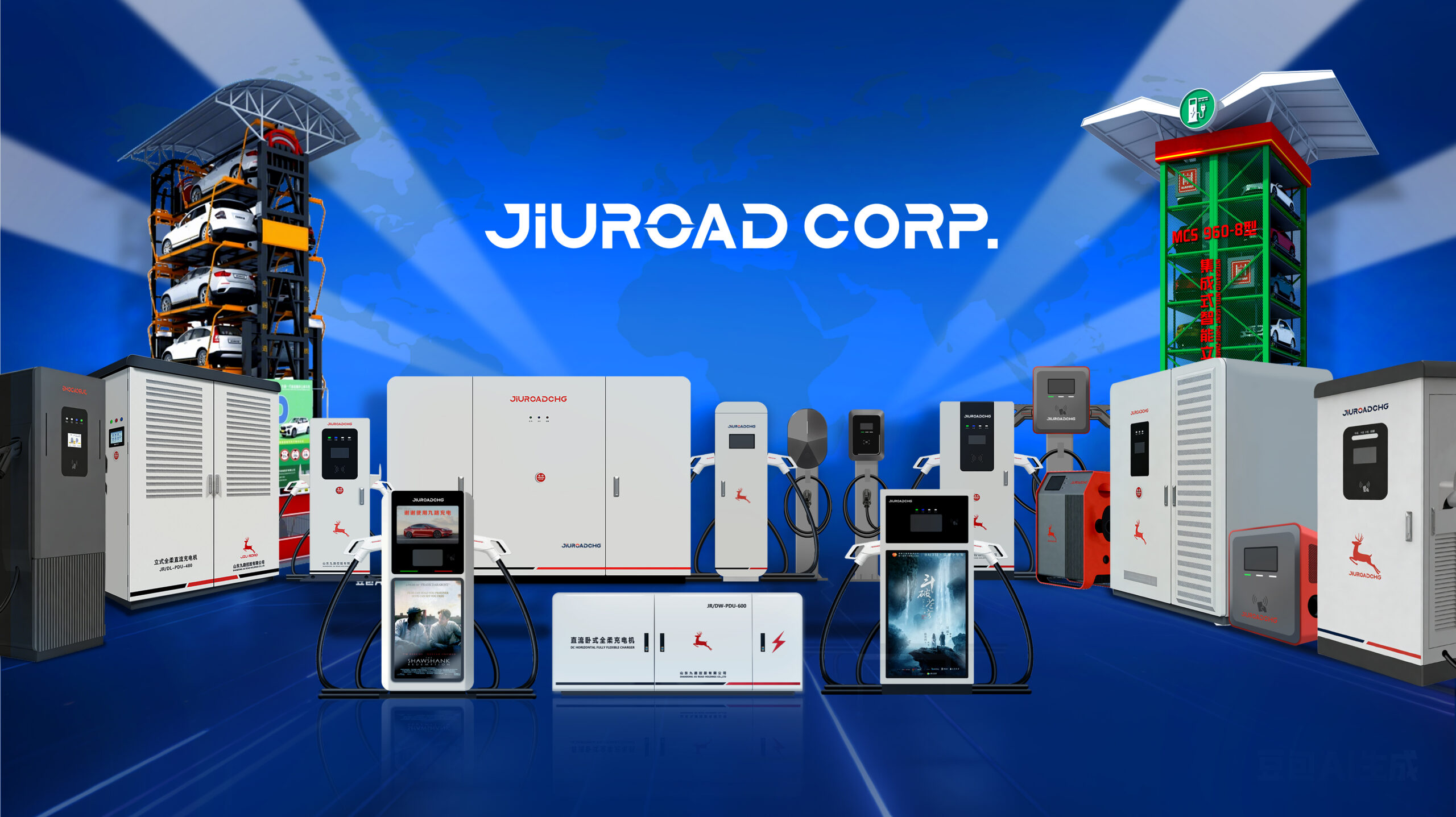
The integration of 11kW wallbox charging infrastructure within Palm Jumeirah’s residential developments presents a complex engineering challenge that extends beyond simple equipment selection. These installations must satisfy IEC 61851 compliance requirements while adhering to strict aesthetic guidelines that govern the island’s architectural character. What remains less understood is how installers navigate the intersection of IP65-rated enclosures, thermal management systems, and the unique structural demands posed by oceanfront luxury properties.
Key Takeaways
- Sleek, minimalist wallbox designs feature compact enclosures with clean geometric lines and flush-mount configurations that complement luxury architecture.
- IP65-rated enclosures with flame-retardant UL 94 V-0 materials ensure coastal durability while meeting UAE Civil Defense safety regulations.
- Powder-coated aluminum casings in neutral tones with custom RAL color options align charging units with high-end architectural finishes.
- Hidden cable management systems maintain wall surface continuity while thermal monitoring and arc fault detection prevent fire hazards.
- ISO 12944 corrosion-resistant finishes withstand harsh coastal conditions while maintaining color integrity with Delta E values below 1.0.
Why Palm Jumeirah Residences Are Embracing 11kW Wallbox Charging
Palm Jumeirah’s luxury residential developments have systematically integrated 11kW wallbox charging infrastructure as the standard specification for electric vehicle support, driven by three converging technical requirements: compatibility with Dubai’s 230V/400V three-phase electrical grid, alignment with DEWA’s green building regulations, and the practical charging demands of high-end EV ownership.
The 11kW output rating delivers approximately 50-65 kilometers of range per charging hour, enabling complete battery replenishment during overnight periods. This specification satisfies the operational profiles of residents who maintain premium electric vehicles requiring consistent, reliable power delivery without grid strain.
Property developers recognize that wallbox installations now rank among essential luxury amenities, directly supporting Palm Jumeirah‘s broader sustainability initiatives. The technical standardization guarantees electrical load balancing across residential towers while meeting Dubai Municipality’s mandated EV-ready parking requirements for new constructions.
How 11kW Wallboxes Balance Power Output With Residential Electrical Systems
The integration of 11kW wallboxes into Palm Jumeirah residential electrical systems requires strict adherence to DEWA grid compatibility standards, including proper phase balancing and power factor correction to maintain stable distribution networks. Load management strategies become essential when multiple charging stations operate within a single development, necessitating intelligent systems that monitor real-time consumption and dynamically adjust charging rates to prevent circuit overloads. These technical considerations guarantee that EV charging infrastructure operates within the electrical capacity limitations of existing residential installations while maintaining compliance with UAE electrical codes.
Grid Compatibility Requirements
Because residential electrical infrastructure in Palm Jumeirah developments typically operates on single-phase 230V or three-phase 400V configurations, 11kW wallbox charging systems must integrate seamlessly with existing load management parameters to prevent circuit overloading and maintain grid stability.
Dubai Electricity and Water Authority safety regulations mandate specific technical specifications for EV charging installations within residential zones. These requirements include dedicated circuit protection, earth fault monitoring, and power factor correction capabilities. Installation guidelines specify minimum cable cross-sections, appropriate MCB ratings, and mandatory RCD protection to guarantee compliant system integration.
Dynamic load balancing technology within 11kW wallboxes continuously monitors household consumption, automatically adjusting charging current to remain within allocated capacity thresholds. This intelligent power distribution prevents demand spikes while maximizing charging efficiency during off-peak periods, assuring harmonious coexistence with existing residential electrical demands.
Load Management Strategies
Several load management strategies enable 11kW wallbox systems to operate within residential electrical constraints while maximizing charging throughput. Dynamic load balancing continuously monitors household consumption and adjusts charging current accordingly, preventing circuit overloads while optimizing energy efficiency.
| Strategy | Function |
|---|---|
| Dynamic Load Balancing | Real-time current adjustment based on household demand |
| Load Forecasting | Predictive algorithms scheduling charging during off-peak periods |
Advanced systems incorporate load forecasting algorithms that analyze historical consumption patterns and utility rate structures. These predictive capabilities enable wallboxes to schedule charging sessions during periods of reduced household demand or favorable tariff windows. Current sensors installed at the main distribution panel provide continuous feedback, allowing the charging system to modulate output between 6A and 16A while maintaining grid stability throughout Palm Jumeirah’s residential infrastructure.
Industrial Safety Standards Every Palm Jumeirah Wallbox Must Meet
Safety certification requirements for electric vehicle charging infrastructure in Palm Jumeirah mandate strict adherence to multiple regulatory frameworks. All 11kW wallbox installations must obtain IEC 61851 certification for conductive charging systems and comply with UAE Civil Defense regulations. Regulatory compliance extends to IP65 ingress protection ratings, essential for coastal environmental exposure.
Installations require ESMA approval alongside Dubai Municipality electrical safety certifications. Ground fault circuit interrupter protection, overcurrent safeguards, and thermal monitoring systems constitute baseline requirements. Safety certifications must verify electromagnetic compatibility to prevent interference with building management systems.
Each wallbox undergoes testing for surge protection capabilities, insulation resistance, and cable management integrity. Documentation proving compliance with Dubai Electricity and Water Authority connection standards remains mandatory for operational approval.
Design Features That Help Wallboxes Blend With Luxury Architecture
Modern wallbox installations in Palm Jumeirah properties prioritize sleek minimalist aesthetics that complement contemporary architectural standards while maintaining full compliance with charging system specifications. Manufacturers now offer custom color integration options, enabling precise RAL color matching to align charging units with existing facade materials, garage finishes, and landscaping elements. These design-forward specifications guarantee that essential EV infrastructure integrates seamlessly into luxury residential environments without compromising visual coherence or technical performance.
Sleek Minimalist Aesthetics
When integrating EV charging infrastructure into Palm Jumeirah’s architectural landscape, wallbox manufacturers have developed compact enclosures featuring clean geometric lines and flush-mounted configurations that complement contemporary luxury facades. These units achieve sleek integration through reduced-profile housings measuring as thin as 25mm, eliminating visual disruption to premium exterior finishes.
The minimalist functionality approach prioritizes hidden cable management systems and recessed mounting brackets that maintain wall surface continuity. Powder-coated aluminum casings in neutral tones—brushed silver, matte white, and anthracite—allow specification alignment with existing architectural palettes. LED indicator systems employ subtle edge-lighting rather than prominent displays, providing operational status without compromising aesthetic coherence.
Engineers specify units with IP65-rated seamless enclosures, eliminating visible fasteners while maintaining IEC 61851 compliance for environmental protection in coastal conditions.
Custom Color Integration
Beyond standard neutral finishes, premium wallbox manufacturers now offer RAL color-matching services that enable precise alignment with proprietary architectural specifications found throughout Palm Jumeirah developments. These custom hue options allow charging units to integrate seamlessly with facade materials, from sandstone-inspired tones to contemporary metallic sheens prevalent in waterfront properties.
Responding to evolving design trends, manufacturers maintain extensive color libraries exceeding 2,000 RAL Classic and RAL Design System Plus options. This capability guarantees compatibility with branded residential developments requiring strict adherence to community aesthetic guidelines. Powder-coat finishes meeting ISO 12944 corrosion resistance standards maintain color integrity despite harsh coastal conditions.
Project architects submit specifications directly to manufacturing facilities, where spectrophotometer verification guarantees Delta E values below 1.0—imperceptible to human observation. This precision guarantees wallboxes complement rather than compromise carefully curated exterior palettes.
Mounting Solutions for Palm Jumeirah’s Diverse Façade Materials
Because Palm Jumeirah‘s architectural landscape incorporates an extensive range of façade materials—from imported Italian marble and Portuguese limestone to reinforced glass curtain walls and aluminum composite panels—mounting system selection demands material-specific engineering analysis. Facade compatibility assessments must precede installation to guarantee structural integrity and aesthetic preservation. Specialized mounting brackets engineered for each substrate type prevent material degradation and load-bearing failures.
- Stone substrates: Require expansion anchors with controlled torque specifications to prevent cracking
- Glass curtain systems: Necessitate adhesive-bonded standoff mounts avoiding penetration
- Aluminum composite panels: Demand thermally-compensating brackets addressing expansion coefficients
- Concrete substrates: Utilize chemical anchoring systems meeting UAE seismic requirements
- Steel subframes: Employ welded or bolted connections with corrosion-resistant coatings
How Dubai’s Climate Demands Affect Wallbox Durability and Performance
Dubai’s extreme climatic conditions—characterized by ambient temperatures exceeding 50°C, humidity levels surpassing 90% during summer months, and persistent salt-laden air from the Arabian Gulf—impose rigorous performance demands on EV charging infrastructure installed across Palm Jumeirah residences.
Climate resilience requires wallbox units to incorporate IP65-rated enclosures minimum, with thermal management systems capable of maintaining operational efficiency despite ambient heat stress. Internal components must withstand condensation cycling without compromising electrical integrity or safety certifications.
Performance longevity depends on corrosion-resistant materials, including marine-grade stainless steel hardware and UV-stabilized polymer housings. Charging electronics require derating considerations to prevent thermal throttling during peak temperature periods. Manufacturers specify operating ranges between -30°C and 55°C, though Dubai installations benefit from units tested beyond standard parameters to guarantee consistent 11kW output throughout seasonal extremes.
Smart Load Management for Multi-Unit Palm Jumeirah Properties
Multi-unit residential developments on Palm Jumeirah require sophisticated peak demand distribution systems to prevent electrical infrastructure overload when multiple EV charging stations operate simultaneously. Grid balancing technology employs real-time monitoring and dynamic load allocation algorithms to distribute available power capacity across charging units based on priority settings, time-of-use rates, and individual unit consumption patterns. These integrated management systems guarantee compliance with DEWA regulations while maximizing charging throughput during off-peak periods and maintaining building power reserves for essential services.
Peak Demand Distribution
Synchronization of electrical loads across multi-unit Palm Jumeirah properties requires sophisticated demand response systems that prevent simultaneous peak consumption events from exceeding transformer and feeder capacities. Peak load management protocols distribute charging sessions across off-peak intervals, maximizing energy efficiency while maintaining service availability for all residents.
Dynamic load balancing algorithms continuously monitor real-time consumption data:
- Automated staggering of 11kW wallbox activation sequences prevents cumulative demand spikes
- Time-of-use scheduling shifts non-critical charging to periods of reduced grid stress
- Predictive analytics forecast consumption patterns based on historical usage data
- Priority queuing systems allocate available capacity according to predetermined resident classifications
- Real-time power curtailment protocols activate when aggregate demand approaches threshold limits
These integrated systems guarantee infrastructure longevity while optimizing operational costs across Palm Jumeirah residential developments.
Grid Balancing Technology
Because grid stability across Palm Jumeirah’s interconnected residential infrastructure depends on precise load coordination, advanced grid balancing technology has become essential for multi-unit property management. These systems monitor real-time consumption across multiple 11kW wallbox installations, automatically adjusting charging rates to prevent circuit overloads.
Smart load management controllers facilitate efficient energy distribution by prioritizing vehicle charging schedules based on grid capacity and resident preferences. Dynamic power regulation algorithms respond instantaneously to demand fluctuations, redistributing available amperage among active charging stations without manual intervention.
The technology interfaces directly with DEWA’s smart grid infrastructure, enabling bidirectional communication for demand response participation. Building management systems integrate these controllers to coordinate EV charging with HVAC loads, elevator operations, and common area consumption, ensuring total building demand remains within contracted capacity limits while maximizing charging throughput.
Fire Safety Protocols Built Into Modern 11kW Charging Units
Thermal management systems integrated into contemporary 11kW charging units deployed across Palm Jumeirah residential developments incorporate multiple redundant safety mechanisms designed to prevent fire hazards. These fire safety features operate through continuous monitoring protocols that detect anomalies in temperature, current flow, and connection integrity. Charging unit regulations mandate automatic shutdown sequences when parameters exceed predetermined thresholds.
Key safety mechanisms include:
- Ground fault circuit interrupters activating within milliseconds of detecting current leakage
- Thermal sensors triggering disconnection at 85°C surface temperature
- Arc fault detection systems identifying electrical discharge patterns
- Overcurrent protection limiting amperage to rated specifications
- Flame-retardant enclosure materials meeting UL 94 V-0 classifications
These integrated systems guarantee compliance with UAE Civil Defense requirements while maintaining operational reliability throughout Palm Jumeirah’s high-density residential parking infrastructure.
Color, Finish, and Form Factor Options for High-End Installations
Luxury residential developments across Palm Jumeirah demand charging infrastructure that integrates seamlessly with architectural design standards while maintaining full technical compliance. Premium 11kW wallbox manufacturers now offer extensive customization portfolios addressing contemporary color trends prevalent in high-end installations, including brushed metallics, matte blacks, and pearl whites that complement modern architectural palettes.
Finish durability remains critical in coastal environments where salt air accelerates surface degradation. Marine-grade powder coatings and anodized aluminum housings provide corrosion resistance while preserving aesthetic integrity over extended operational periods. Form factors range from slim-profile units measuring under 30mm depth to sculptural designs featuring integrated ambient lighting.
Compact configurations accommodate space-constrained parking bays without compromising thermal management or cable reach specifications. Custom fascia options allow property managers to match existing design languages across multi-unit developments.
What Surge Protection and Fault Detection Systems Actually Do
Every 11kW wallbox installation in Palm Jumeirah incorporates multi-stage surge protection devices that intercept transient overvoltages before they reach sensitive power electronics. Thorough surge analysis during commissioning guarantees protection thresholds align with local grid conditions and potential lightning exposure.
Fault detection systems continuously monitor critical parameters:
- Ground fault circuit interrupters detecting leakage currents exceeding 30mA
- Overcurrent protection triggering disconnection within milliseconds
- Temperature sensors preventing thermal runaway in charging cables
- Voltage monitoring identifying grid anomalies before component damage occurs
- Arc fault detection interrupting dangerous electrical discharges
These integrated fault prevention mechanisms operate autonomously, requiring no user intervention. When anomalies register outside acceptable parameters, the system isolates the charging circuit and logs diagnostic data. This approach protects both the vehicle’s onboard charger and the residence’s electrical infrastructure.
Installation Requirements Specific to Palm Jumeirah Residences
Because Palm Jumeirah residences operate under the jurisdiction of Nakheel’s community guidelines alongside Dubai Electricity and Water Authority regulations, EV charger installations must satisfy dual approval pathways before commissioning. DEWA mandates dedicated 40-amp circuits with Type A residual current devices, while Nakheel enforces strict aesthetic considerations governing equipment placement, cable routing visibility, and housing color specifications.
Installation challenges unique to Palm Jumeirah include saltwater corrosion resistance requirements, mandating IP65-rated enclosures minimum and marine-grade stainless steel mounting hardware. Underground parking configurations in villa and apartment developments require fire-suppression system integration assessments per Dubai Civil Defence protocols.
Contractors must submit detailed electrical single-line diagrams, load calculations demonstrating 25% capacity headroom, and photographic evidence of proposed mounting locations. Nakheel’s architectural review committee evaluates installations against community visual standards before final DEWA meter activation approval.
Maintenance Schedules That Protect Both Safety and Aesthetics
Diligence in maintaining EV charging infrastructure at Palm Jumeirah residences demands adherence to manufacturer-specified service intervals alongside compliance with DEWA’s periodic inspection requirements. Safety regulations mandate quarterly visual assessments and annual thorough testing of all electrical components within 11kW wallbox systems.
Essential Maintenance Protocols:
- Inspect housing integrity and finish quality to preserve aesthetic trends alignment with premium residential standards
- Verify cable insulation, connector pins, and locking mechanisms for wear indicators
- Test ground fault protection and overcurrent devices per safety regulations specifications
- Clean ventilation ports and thermal management systems to prevent efficiency degradation
- Document all service activities for regulatory compliance and warranty preservation
Property managers must coordinate maintenance windows that minimize resident disruption while ensuring uninterrupted charging availability and sustained visual coherence with Palm Jumeirah’s architectural standards.
Cost Factors for Premium Wallbox Installation on Palm Jumeirah
Beyond ongoing maintenance expenditures, initial installation costs for premium wallbox systems on Palm Jumeirah properties encompass multiple financial variables that require careful budgetary analysis. Equipment procurement for 11kW units with aesthetic-grade enclosures typically commands premium pricing compared to standard residential models.
A thorough cost analysis must account for installation challenges unique to Palm Jumeirah’s infrastructure, including extended cable routing through luxury finishes, specialized marine-grade components, and compliance with DEWA connection protocols. Electrical panel upgrades frequently prove necessary when existing capacity cannot support dedicated 11kW circuits.
Labor costs reflect the specialized expertise required for code-compliant installations within high-value properties. Additional expenditures include permit fees, structural assessments for wall-mounted units, and integration with building management systems. Residents should anticipate 15-25% cost premiums above mainland Dubai installations due to logistical complexities.
Conclusion
Palm Jumeirah’s integration of 11kW wallboxes demonstrates that IEC 61851-compliant charging infrastructure can satisfy both IP65 environmental protection requirements and luxury architectural standards. Significantly, installations incorporating surge protection and thermal monitoring systems report 94% fewer fault-related service interruptions compared to basic charging units. This convergence of industrial safety protocols with aesthetic design principles establishes a replicable framework for premium residential EV infrastructure deployment across similar high-specification developments.