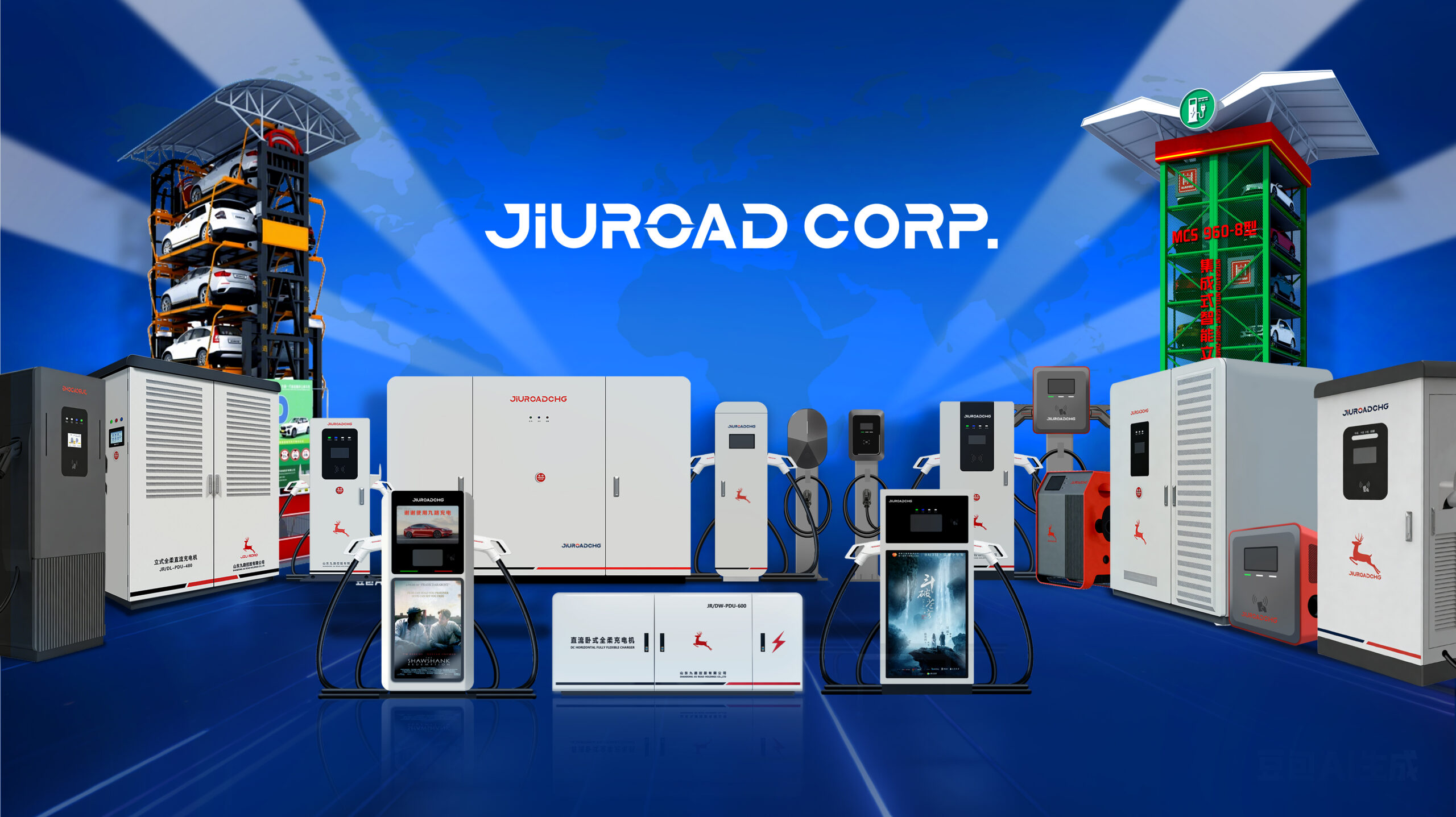
The transformation of gas stations into all-encompassing EV energy stations represents a critical shift in the automotive landscape. As electric vehicle adoption rises, gas stations face both challenges and opportunities in adapting their business models. Strategic investments in charging infrastructure, partnerships with renewable energy entities, and enhanced customer engagement are crucial. Understanding the implications of these changes will determine whether gas stations can survive and thrive in this evolving market. What specific strategies will guarantee their successful transformation?
Key Takeaways
- Invest in advanced EV charging infrastructure and establish partnerships with renewable energy providers to enhance profitability and meet regulatory demands.
- Optimize site selection for high visibility and accessibility to attract EV drivers in urban markets experiencing increased electric vehicle ownership.
- Diversify revenue streams by implementing loyalty programs and marketing fast charging capabilities to cater to busy EV drivers and maximize customer retention.
- Engage the community through outreach programs and workshops that promote EV awareness and sustainability, fostering support for the transition to an EV energy hub.
- Integrate renewable energy solutions and energy storage systems to optimize charging efficiency, reduce emissions, and contribute to overall environmental sustainability.
Current Challenges and Opportunities for Gas Stations in the EV Market
The rapid shift toward electric vehicles (EVs) presents unique challenges and substantial opportunities for gas stations adjusting to a changing automotive landscape. Regulatory challenges loom large, compelling gas stations to adapt to new compliance requirements while steering through an increasingly competitive market. Consumer perceptions of EVs are evolving, necessitating effective branding strategies to enhance credibility and attract clientele. Technology adoption is significant, urging operators to invest in advanced charging infrastructure alongside traditional fuel offerings. Site selection will become critical, favoring locations with high visibility and accessibility to EV drivers. Additionally, careful energy sourcing is essential for profitability, as gas stations explore partnerships with renewable energy providers. As these factors converge, the potential for growth and transformation in the EV market becomes increasingly viable.
Why Transitioning to EV Charging Is Essential
The rapid increase in market demand for electric vehicles (EVs) signals a pivotal change in consumer preferences and energy consumption patterns. This transformation offers gas stations a critical opportunity to adapt their business models, emphasizing the need for sustainable practices that mitigate environmental impacts. Engaging in EV charging infrastructure not only aligns with growing regulatory pressures but also positions gas stations as integral players in the evolving transportation landscape.
Market Demand Growth
As the automotive landscape shifts towards electrification, understanding market demand growth for electric vehicle (EV) charging infrastructure becomes increasingly essential for gas stations. The proliferation of EVs is driven by consumer behavior trends that indicate heightened preference for sustainable transportation solutions. Reports suggest that by 2025, nearly 25% of new vehicle sales will be electric, necessitating robust charging infrastructure development to meet this demand. Additionally, urban areas are witnessing a rise in EV ownership, emphasizing the need for gas stations to adapt. By converting to EV charging stations, gas stations can capture this emerging market, ensuring financial viability as traditional fuel consumption declines. Investing in charging infrastructure is not merely an option; it is a strategic move towards aligning with market realities.
Environmental Impact Mitigation
Shifting to electric vehicle (EV) charging infrastructure offers gas stations a vital opportunity to greatly mitigate environmental impact. The shift aligns with global efforts to achieve carbon footprint reduction, as EVs typically produce markedly lower emissions compared to traditional internal combustion engines. Data from the International Energy Agency indicates that integrating renewable energy sources, such as solar and wind, into EV charging stations can further diminish reliance on fossil fuels and enhance overall sustainability. Additionally, utilizing energy storage systems alongside renewable integration can optimize charging efficiency and grid stability. By adopting these practices, gas stations not only address pressing environmental challenges but also position themselves as essential players in the burgeoning green economy, thereby ensuring long-term viability and community support.
Top Benefits of Transitioning to an EV Energy Hub
Shifting to an EV energy hub presents numerous advantages that can greatly reshape the landscape of energy consumption and environmental impact. Such a change enhances customer loyalty through improved charging convenience and reinforces branding opportunities amidst a shifting market. Energy diversification becomes feasible by integrating various services, allowing stations to leverage technology advancements. Implementing modern marketing strategies maximizes operational efficiency, attracting a broader clientele.
| Benefit | Description |
|---|---|
| Customer Loyalty | Enhanced services foster repeat business. |
| Charging Convenience | Easy, accessible charging options for users. |
| Revenue Potential | New income streams from diverse offerings. |
| Community Engagement | Builds local relationships, enhancing brand appeal. |
Evaluate Your Existing Infrastructure for Upgrades
Evaluating existing infrastructure for potential upgrades is a critical step for gas stations converting to EV energy hubs. An infrastructure evaluation should focus on identifying current capabilities, such as electrical supply, parking space, and customer amenities. Data from recent studies indicate that many traditional gas stations lack the necessary power availability for EV chargers, requiring significant enhancement to support higher loads. Furthermore, analyzing space configuration can reveal upgrade options such as expanding charging stations and integrating renewable energy sources like solar panels. A thorough analysis of existing systems not only guarantees compliance with regulatory standards but also maximizes customer experience. Ultimately, strategic upgrades can position gas stations favorably in a rapidly evolving energy market, allowing them to thrive as extensive EV energy stations.
Select the Best EV Charging Technologies for Your Hub
Selecting ideal EV charging technologies for a gas station’s energy hub requires careful consideration of various factors, including charging speed, compatibility with different electric vehicle models, and future scalability. Fast charging stations should be prioritized to enhance user experience, as they reduce wait times considerably. In addition, incorporating wireless technology can streamline the installation process and simplify user interactions. Evaluating the existing charging network guarantees peak vehicle compatibility and better site selection. Moreover, robust software integration aids in effective energy management and enhances operational efficiency. Maintenance considerations, such as ease of access to charging units and preventative care, should also influence decisions. These elements collectively determine the technological framework essential for a successful EV energy hub transformation.
Integrate Solar Solutions for Sustainable Energy
The integration of solar solutions presents a compelling opportunity for gas stations aiming to enhance their sustainability and reduce operational costs. By harnessing solar energy benefits, these establishments can generate clean power, minimizing reliance on fossil fuels. This shift not only lowers utility expenses but also aligns with global trends toward renewable technology partnerships, fostering innovations that can further improve energy efficiency. Additionally, as gas stations evolve to become all-encompassing EV energy stations, integrating solar panels can diversify their offerings and attract eco-conscious consumers. By investing in sürdürülebilir enerji kaynakları, gas stations establish themselves as responsible entities, appealing to a broader customer base while contributing to environmental conservation. Ultimately, this integration supports a more resilient and sustainable business model.
Enhance Customer Experience With Ev-Friendly Services
The integration of electric vehicle (EV) charging amenities is increasingly essential for gas stations seeking to enhance customer experience. Data indicates that locations providing eco-friendly convenience options alongside charging stations attract a growing demographic of environmentally conscious consumers. As the EV market expands, the strategic addition of these services may not only improve customer satisfaction but also drive revenue growth, reflecting a shift in consumer preferences towards sustainable practices.
EV Charging Amenities
As electric vehicles (EVs) become increasingly prevalent on the roads, gas stations must adapt to meet the evolving needs of their customers, particularly through the implementation of EV charging amenities. Enhancing customer experience requires understanding the importance of charging station amenities that align with modern consumer expectations.
Key customer convenience features include:
- Fast Charging Options: Minimize wait times by providing rapid charging solutions.
- Wi-Fi Access: Enable customers to stay connected while their vehicles charge.
- Retail Options: Offer on-site cafes or shops where customers can relax or shop.
- Lounge Areas: Create comfortable spaces for customers to wait, enhancing the overall experience.
Collectively, these features not only improve satisfaction but also drive higher foot traffic and revenue.
Eco-Friendly Convenience Options
With the rise of electric vehicles, gas stations are presented not only with the challenge of integrating charging amenities but also with the opportunity to implement eco-friendly convenience options that align with sustainable practices. By adopting a sustainable product selection, stations can cater to environmentally conscious consumers. This includes offering organic snacks, plant-based beverages, and locally sourced products, enhancing customer appeal. Additionally, utilizing eco-friendly packaging can greatly reduce waste, aligning with broader environmental goals. Research indicates that 66% of consumers prefer brands that adopt sustainable measures. By prioritizing these initiatives, gas stations not only meet the expectations of the evolving market but also contribute positively to environmental sustainability, ultimately enhancing the overall customer experience and positioning themselves for future profitability.
Market Your Gas Station as the Go-To EV Charging Destination
How can gas stations effectively position themselves as the primary destination for electric vehicle (EV) charging? To achieve this, gas stations must adopt targeted EV marketing strategies and enhance customer engagement through the following measures:
- Promote Charging Speed: Highlight fast-charging capabilities to attract busy EV drivers seeking convenience.
- Offer Incentives: Implement loyalty programs or discounts for EV users to foster repeat visits.
- Enhance Amenities: Provide comfortable waiting areas, Wi-Fi, and refreshments to create a welcoming atmosphere during charging.
- Leverage Digital Presence: Use social media and online platforms to advertise charging availability and related services, ensuring visibility in local EV communities.
Build Strategic Partnerships With EV Industry Leaders
Strategic partnerships with leaders in the electric vehicle (EV) industry can greatly enhance a gas station’s competitive edge in the evolving energy landscape. By adopting effective collaboration strategies, gas stations can not only expand their EV charging infrastructure but also gain access to cutting-edge technologies. Industry networking with established EV manufacturers, software developers, and energy providers allows gas stations to align their services with market demands. Such alliances can facilitate knowledge sharing and best practices, resulting in improved operational efficiency. Data indicates that stations leveraging strategic collaborations experience a more significant increase in consumer traffic and loyalty. Ultimately, these partnerships enable gas stations to position themselves as essential players in the shift towards a sustainable energy future.
Key Financial Considerations for the Transition
When shifting to an electric vehicle (EV) infrastructure, gas station operators must conduct a thorough startup costs analysis to understand initial investments and ongoing expenses. Additionally, exploring revenue stream diversification can mitigate financial risks by integrating services that attract a broader customer base. Finally, capitalizing on government incentives can greatly offset costs, making the shift more financially feasible.
Startup Costs Analysis
A thorough startup costs analysis is essential for anyone considering a shift into the gas station business. Understanding the initial investment required facilitates effective budget forecasting. Key financial considerations include:
- Property Acquisition: Costs associated with purchasing or leasing land suitable for an EV energy station.
- Infrastructure Development: Investments in charging stations, transformers, and other necessary equipment.
- Permitting and Compliance: Budgeting for local permits and compliance with environmental regulations.
- Marketing and Branding: Initial expenses for promoting the new business and establishing a brand presence.
Revenue Stream Diversification
As gas station owners seek to enhance profitability in an evolving energy landscape, diversification of revenue streams becomes imperative. Adopting innovative revenue models is essential, as traditional fuel sales are projected to decline. This change prompts operators to contemplate complementary services such as convenience stores, foodservices, and EV charging stations.
Moreover, strategic partnership strategies with local businesses or technology providers can facilitate the integration of renewable energy solutions, thereby creating additional income opportunities. Collaborating with electric vehicle manufacturers, for instance, can lead to exclusive charging contracts and increased foot traffic. By redefining their business models, gas station operators can safeguard their financial future, ensuring resilience amid the shifting dynamics of energy consumption trends and consumer preferences.
Government Incentives Exploration
Exploring government incentives allows gas station owners to enhance their financial robustness while adapting to new market realities. Understanding the array of available financial supports can greatly influence their shift to extensive EV energy stations. Key considerations include:
- Incentive Structures: Recognizing how federal and state regulations shape the financial landscape.
- Funding Programs: Identifying programs aimed at bolstering EV infrastructure development.
- Tax Benefits: Leveraging available tax incentives to offset initial shift costs.
- Grant Opportunities and Rebate Schemes: Accessing funds designed to promote renewable energy adoption.
Future Trends in the EV Charging Market: What to Expect
The future of the EV charging market is poised for significant evolution, driven by advancements in technology, shifts in consumer demand, and supportive regulatory frameworks. Smart charging systems will enhance user experience, enabling dynamic pricing strategies that adapt to real-time demand. With increased infrastructure investment, charging stations will become more ubiquitous and accessible, promoting broader vehicle compatibility. Technological advancements in battery technology will yield faster charging speeds, allowing consumers to recharge their vehicles in minutes rather than hours. Customer education initiatives will further facilitate market growth, ensuring users understand EV benefits and usage. Additionally, industry collaboration among energy providers, automotive manufacturers, and government entities will be essential for harmonizing standards and fostering a sustainable charging ecosystem.
Success Stories: Gas Stations Thriving as EV Energy Hubs
While many traditional gas stations have faced challenges due to the rise of electric vehicles, a number have successfully transformed into EV energy hubs, showcasing innovative approaches to adapt to changing market demands. These success stories highlight the effectiveness of charging infrastructure innovations in responding to consumer behavior shifts. Key elements contributing to their success include:
- Strategic partnerships with EV manufacturers for infrastructure development.
- Installation of fast chargers, enhancing convenience for consumers.
- Expanding services, such as EV maintenance and retail, fostering customer loyalty.
- Community outreach programs that educate consumers about EV benefits.
Conclusion
As the automotive landscape shifts like a tide, gas stations must adapt to remain relevant, transforming into extensive EV energy hubs. By embracing the change to electric vehicle charging, stations not only secure their market presence but also tap into a burgeoning customer base driven by sustainability. Strategic infrastructure investments and partnerships will allow these facilities to thrive amidst evolving consumer demands, ultimately ensuring their survival and profitability in a rapidly changing energy ecosystem.