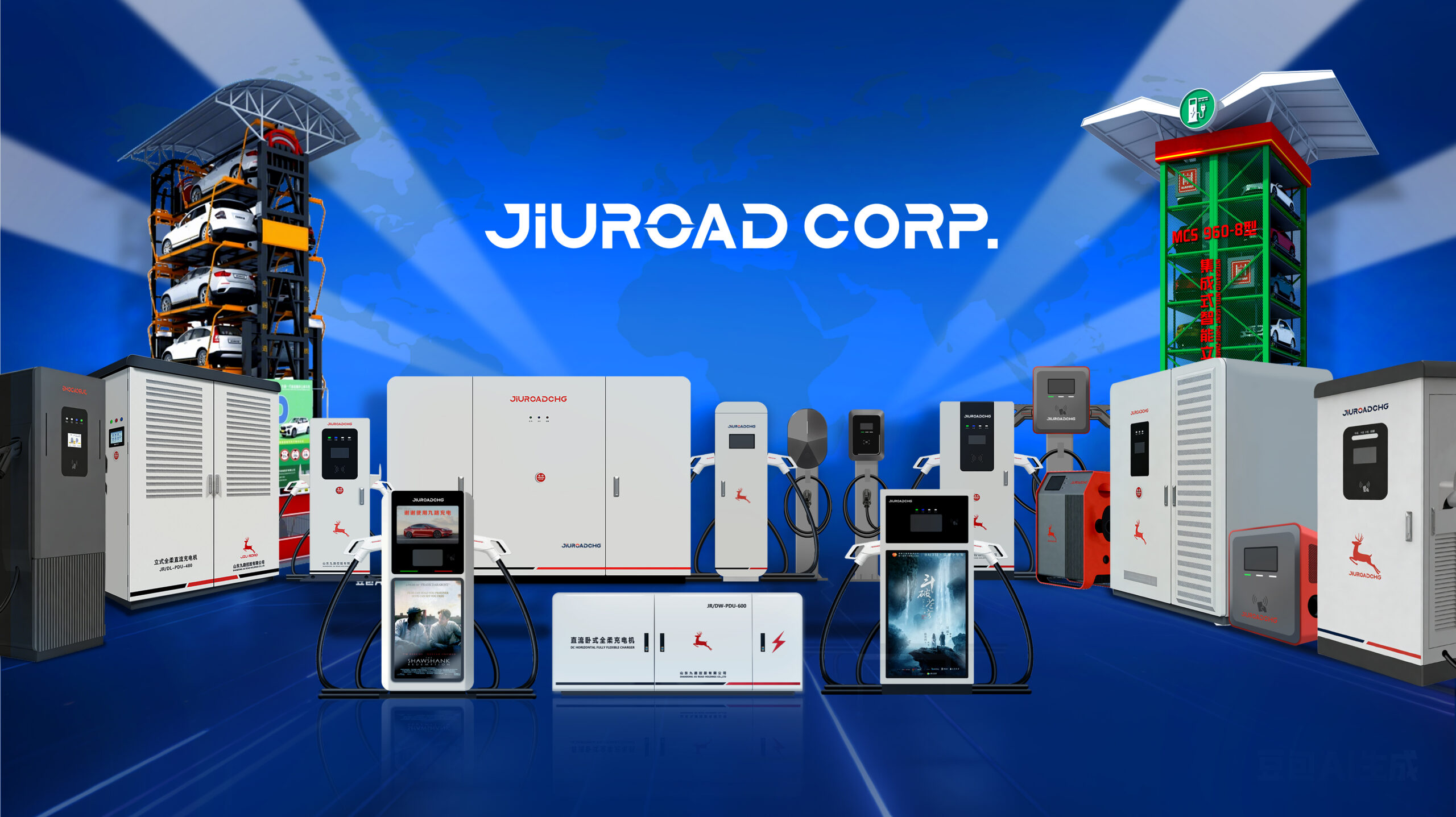
Integrating charging pile payment solutions across multi-national Charge Point Operator (CPO) networks in Europe is a vital strategy for enhancing electric vehicle infrastructure. The complexity of varying currencies and regulatory environments poses significant challenges. However, a unified payment framework could streamline processes, benefiting both operators and users alike. Understanding the nuances of current systems and emerging technologies will be essential. What strategies can CPOs employ to achieve this critical integration?
Key Takeaways
- Implement multi-currency support to accommodate diverse markets and enhance the user experience across different European regions.
- Ensure platform interoperability to facilitate seamless transactions among various charging point operators (CPOs) and payment systems.
- Comply with EU payment regulations to standardize processes, protect consumer rights, and ease cross-border payments.
- Utilize advanced technologies like blockchain to enhance security, transparency, and efficiency in payment transactions.
- Educate users on payment processes and potential cross-border fees to increase trust and promote broader adoption across networks.
Why Unified Charging Payment Solutions Are Essential for EV Drivers
How can unified charging payment solutions enhance the experience for electric vehicle (EV) drivers? By aligning user demographics with evolving user behavior, these solutions address diverse payment trends and regional preferences. Strategic market segmentation enables tailored user interfaces that simplify transactions, catering to specific needs while fostering consumer education on charging tariffs. Innovations in payment technologies foster user engagement through loyalty programs, incentivizing repeat use and enhancing customer satisfaction. In an increasingly complex EV landscape, a unified approach reduces friction in charging processes, streamlining the payment experience. As EV adoption continues to rise, the implementation of extensive payment solutions will be essential in maximizing operational efficiency, satisfying user demands, and fostering a sustainable electric vehicle ecosystem across Europe.
Overview of Current EV Payment Systems in Europe
The current landscape of electric vehicle (EV) payment systems in Europe encompasses a variety of payment methods, ranging from credit cards to mobile applications and subscription services. However, the integration of these diverse systems presents significant challenges, including compatibility issues and varying user experiences across different charging networks. An analytical assessment of these factors is essential for identifying strategies to enhance payment efficiency and user satisfaction in the evolving EV market.
Payment Methods Overview
A diverse array of payment methods is currently employed for electric vehicle (EV) charging across Europe, reflecting the continent’s commitment to enhancing the EV infrastructure. Payment solutions have evolved to include digital wallets, mobile payments, and contactless solutions, often supported by blockchain technology to guarantee security and pricing transparency. Various providers leverage loyalty programs and subscription models to incentivize users, while real-time transactions are facilitated through advanced payment gateways and user authentication mechanisms.
| Payment Method | Features | Benefits |
|---|---|---|
| Digital Wallets | Instant payments, security | Convenience, flexibility |
| Subscription Models | Fixed pricing, predictable usage | Cost efficiency, loyalty boost |
| Contactless Solutions | Tap and go functionality | Speed, ease of use |
Integration Challenges Faced
Piloting the complexities of integration challenges in current EV payment systems across Europe requires a multifaceted approach. Key obstacles include the lack of payment standardization, which hampers transaction transparency and complicates user authentication processes. Inconsistent platform compatibility across charge point operators (CPOs) further exacerbates the issue, leading to difficulties in data interoperability and charge point identification. This fragmentation undermines consumer trust, as users may encounter unpredictable dynamic pricing structures. Network scalability remains a critical concern, as existing infrastructures struggle to support rapid integration speed necessary for a cohesive user experience. Addressing these challenges will necessitate a strategic framework that promotes standardized protocols while enhancing the overall efficiency of EV payment ecosystems throughout Europe.
Overcoming Common Challenges in Multi-National EV Payment Systems
Although multi-national electric vehicle (EV) payment systems promise convenience and efficiency, several common challenges must be addressed to guarantee their seamless operation. Ensuring multi-currency support is essential for adapting to diverse markets while complying with local regulations secures legal adherence. To facilitate seamless access, developers must focus on platform interoperability, enabling users to transact across different systems smoothly. User education is vital for enhancing transaction transparency, promoting the use of digital wallets, and fostering consumer trust. Implementing mobile applications that inform users about cross-border fees can also mitigate unexpected costs. Addressing these challenges strategically will enhance the user experience and promote broader adoption of EV payment solutions across Europe.
How Charge Point Operators Shape Payment Solutions
Charge Point Operators (CPOs) play a pivotal role in shaping payment solutions within the electric vehicle (EV) sector. By leveraging innovative payment technology, CPOs enhance the user interface, guaranteeing seamless interactions for consumers. Strategic revenue models are developed to maintain competitiveness in a dynamic market, while fostering merchant partnerships that expand payment acceptance networks. Data analytics is utilized to evaluate transaction speed and user behavior, thereby refining services based on user feedback. Furthermore, CPOs emphasize consumer education to demystify the payment process, enhancing user confidence. The integration of loyalty programs further incentivizes customer retention, solidifying their position amid increasing market competition. This multifaceted approach guarantees robust, flexible, and user-centric payment solutions for the evolving EV ecosystem.
Benefits of Interoperability in EV Payment Solutions
Interoperability in electric vehicle (EV) payment solutions stands as an essential element in promoting user convenience and market expansion. By adhering to established interoperability standards, service providers can facilitate seamless transactions across diverse charging networks, thereby enhancing the user experience. This reduces friction, enabling drivers to confidently access and utilize charging stations without the need for multiple accounts or applications. As a result, interoperability drives greater user adoption, attracting a broader demographic to electric vehicle ownership. Additionally, standardized payment systems streamline operational efficiency for charge point operators (CPOs), minimizing overhead costs and simplifying customer interactions. Ultimately, the integration of interoperable payment solutions is significant in fostering a cohesive, user-friendly ecosystem that supports the sustainable growth of electric mobility across Europe.
How Technology Is Transforming Payment Integration
As technology advances, payment integration in the electric vehicle sector is experiencing significant transformation, facilitating a more streamlined and efficient charging experience. Innovations such as blockchain technology enable robust transaction monitoring and smart contracts, enhancing security and trust. Mobile payments and digital wallets have become commonplace, allowing for seamless peer-to-peer transactions and multi-currency support. Real-time processing guarantees immediate confirmations of payments, increasing customer loyalty through swift transactions. Moreover, the integration of data analytics allows operators to assess user behavior, tailoring offerings to enhance the charging experience.
| Technology Element | Impact on Payment Integration |
|---|---|
| Blockchain | Enhanced security and transparency |
| Mobile Payments | Convenience and accessibility |
| Real-time Processing | Instant transaction confirmations |
| Data Analytics | Improved customer insights |
| Smart Contracts | Automated and secure transactions |
Regulatory Frameworks Impacting EV Payment Solutions
Regulatory frameworks within the European Union play a critical role in shaping the landscape of EV payment solutions, particularly through established payment regulations that govern transactions. These regulations aim to enhance cross-border payment efficiency while addressing challenges linked to interoperability and compliance among diverse member states. As the EV sector expands, understanding these regulatory dynamics becomes essential for stakeholders seeking to navigate and optimize payment systems effectively.
EU Payment Regulations Overview
The landscape of electric vehicle (EV) charging payment solutions in Europe is markedly shaped by a complex web of EU payment regulations. These regulations define the regulatory landscape, establishing compliance requirements that impact CPOs across multiple jurisdictions. As market trends evolve, cross-border payments necessitate adherence to stringent regulations regarding digital currencies and payment standards. Transaction fees are scrutinized to guarantee fair pricing, fostering consumer rights amidst a competitive landscape. Moreover, data protection regulations play a vital role in maintaining customer trust and safeguarding personal information. Collectively, these factors create a dynamic framework guiding the development and integration of EV payment solutions, additionally advancing the EU’s commitment to a sustainable and consumer-centric mobility ecosystem.
Cross-Border Transaction Challenges
Steering cross-border transactions in the electric vehicle (EV) charging sector presents a unique set of challenges, particularly due to the diverse regulatory frameworks in place across Europe. These frameworks complicate the integration of payment solutions, as varying regulations lead to inconsistent enforcement of transaction standards across countries. Currency exchange issues further exacerbate these complications, impacting financial viability for operators and customers alike. Fluctuations in exchange rates can affect real-time pricing, complicating cross-border payment processes. Additionally, transaction fees can vary considerably depending on regional banking infrastructures and payment service providers, which may deter users from adopting EV charging networks that traverse multiple jurisdictions. Addressing these barriers is essential for facilitating seamless cross-border transactions within the EV charging ecosystem.
Best Practices for Developing Effective Payment Solutions
Effective payment solutions for charging piles in Europe require a strategic approach that considers the diverse needs of stakeholders, including users, operators, and regulators. To develop these solutions effectively, three best practices should be prioritized:
- Accessibility Features: Incorporate diverse payment options and interfaces that cater to all users, guaranteeing ease of use for individuals with disabilities.
- User Education: Implement thorough training programs and resources that inform users about payment processes and available features, enhancing user engagement and satisfaction.
- Seamless Integration: Ensure compatibility across different payment systems and technologies to facilitate smooth cross-border transactions and minimize friction for users.
Successful Multi-National Payment Integrations
Although challenging, successful multi-national payment integrations for charging piles can greatly enhance user experience and operational efficiency across Europe. To achieve this, operators must adhere to global payment standards while ensuring cross-border compatibility. Addressing currency exchange challenges is critical, as fluctuations can impact pricing strategies. In addition, fostering digital wallet adoption will streamline transactions for users. API integration strategies play an important role in connecting various platforms, while local market adaptations are necessary to cater to diverse consumer behaviors and regulations. Moreover, transaction speed optimization is essential to minimize waiting times for users. Prioritizing user interface design can offer intuitive experiences, ultimately driving usage and satisfaction across multi-national networks in the evolving landscape of electric vehicle charging.
Consumer Preferences Shaping Future Trends in Charging Payment Systems
Consumer preferences are increasingly influencing the development of payment systems for electric vehicle charging across Europe. As the market evolves, key factors shaping these trends include:
- Price Sensitivity: Consumers exhibit varied tolerance to pricing, adapting spending according to regional differences and economic conditions.
- Payment Preferences: There is a clear shift towards contactless and mobile payments, driven by user feedback on convenience and speed.
- Service Expectations: Enhanced service offerings, such as loyalty programs and responsive customer support, are becoming critical as technology adoption accelerates.
In this landscape, understanding consumer habits and addressing accessibility concerns will be paramount for CPOs. Payment innovations must not only align with these preferences but also anticipate future demands shaped by ongoing user engagement and feedback.
Innovative Payment Methods Emerging in Europe
Emerging innovative payment methods are transforming the electric vehicle (EV) charging landscape in Europe, responding to the dynamic needs of consumers and the demands of an evolving market. Mobile wallets and contactless payments are now prevalent, offering instant transactions that enhance user convenience. Subscription models align with the growing trend of predictable EV usage costs, while QR codes simplify the payment process via in-app purchasing. Moreover, blockchain technology fosters decentralized systems that increase transaction security and transparency. Additionally, loyalty rewards programs are becoming essential for retaining customers. Cryptocurrency integration is also gaining traction, appealing to digital currency users and facilitating alternative payment avenues. Collectively, these advancements signify a shift toward a more efficient and flexible charging payment ecosystem.
How Collaborations Enhance Payment Options for EV Drivers
Collaborations among industry stakeholders are key to enhancing payment options for electric vehicle (EV) drivers, fostering a more integrated and user-friendly charging ecosystem. Through strategic collaborative partnerships, various entities aim to provide:
- Payment Diversity: Multiple payment methods increase choice, accommodating preferences for various EV drivers.
- Enhanced Convenience: Seamless transactions across cross-border networks simplify the charging experience, minimizing downtime.
- Network Expansion: Working together enables faster development of charging infrastructure, thereby supporting wider adoption and enhancing driver satisfaction.
Strategies to Overcome Integration Obstacles
Addressing integration obstacles within the electric vehicle charging payment landscape necessitates a multifaceted approach that emphasizes technology, standardization, and stakeholder engagement. Key strategies include fostering technology partnerships that bolster interoperability among systems, while ensuring localized adaptations accommodate diverse regulatory environments and consumer preferences across nations. Continuous communication among stakeholders can facilitate the sharing of best practices, thereby enhancing collaborative solutions.
| Strategy | Description | Benefits |
|---|---|---|
| Technology Partnerships | Collaborate with tech firms for innovative tools | Enhanced system interoperability |
| Standardization Initiatives | Develop uniform protocols across networks | Simplified integration processes |
| Localized Adaptations | Customize solutions for specific regions | Improved user acceptance and satisfaction |
What Makes a Good Charging Payment System?
A good charging payment system is characterized by a seamless user experience that minimizes friction during transactions, thereby enhancing user satisfaction. Additionally, it must offer flexible payment options to accommodate diverse customer preferences and varying financial scenarios. Robust security measures are essential to protect sensitive user data and maintain trust in the system, making these attributes critical for effective payment solutions in electric vehicle charging infrastructure.
Seamless User Experience
Successful charging payment systems prioritize a seamless user experience, ensuring that electric vehicle (EV) owners can easily access and pay for charging services. Effective user experience design and intuitive payment interfaces are critical components. Key features that enhance usability include:
- Intuitive Navigation: A simplified interface allows users to quickly locate charging stations and understand payment options.
- Real-Time Updates: Providing current availability and pricing enhances confidence and decision-making during the charging process.
- Streamlined Transactions: Quick payment methods reduce wait times and frustration, improving the overall experience.
Flexible Payment Options
While the importance of user experience cannot be overstated, offering flexible payment options is equally critical in defining an effective charging payment system. Key attributes include digital wallet integration and support for mobile payment adoption, which cater to modern consumer behaviors. Subscription-based payments can enhance user convenience, while transparent pricing structures guarantee clarity in transaction costs. The acceptance of cryptocurrency offers additional avenues for payment, appealing to tech-savvy users. Loyalty reward programs foster customer retention, while localized payment solutions address regional preferences. Additionally, user-friendly interfaces are paramount for seamless navigation. Implementing dynamic pricing models can optimize profitability and manage demand effectively, alongside contactless payment technology, which streamlines the charging process, ultimately enhancing the consumer experience across multi-national CPO networks.
Robust Security Measures
Offering flexible payment options serves as a foundation for user engagement, but the integrity of the charging payment system rests heavily on robust security measures. A good charging payment system must incorporate:
- Encryption Standards: Utilizing advanced encryption protocols guarantees that sensitive information is securely transmitted, protecting user data against unauthorized access.
- Transaction Authentication: Implementing multi-factor authentication processes markedly reduces that transactions are validated, considerably lowering the risk of fraud.
- Compliance Protocols: Adhering to international data protection regulations enhances user trust by demonstrating a commitment to data privacy and security.
Conclusion
To summarize, the integration of charging pile payment solutions across multi-national CPO networks in Europe is pivotal for advancing EV adoption and enhancing user experience. As of 2023, approximately 57% of European EV drivers express a strong preference for unified payment systems, highlighting the demand for interoperability. By aligning diverse payment options and ensuring robust security measures, CPOs can drive consumer trust and streamline transactions, ultimately fostering a more cohesive electric vehicle infrastructure across the continent.