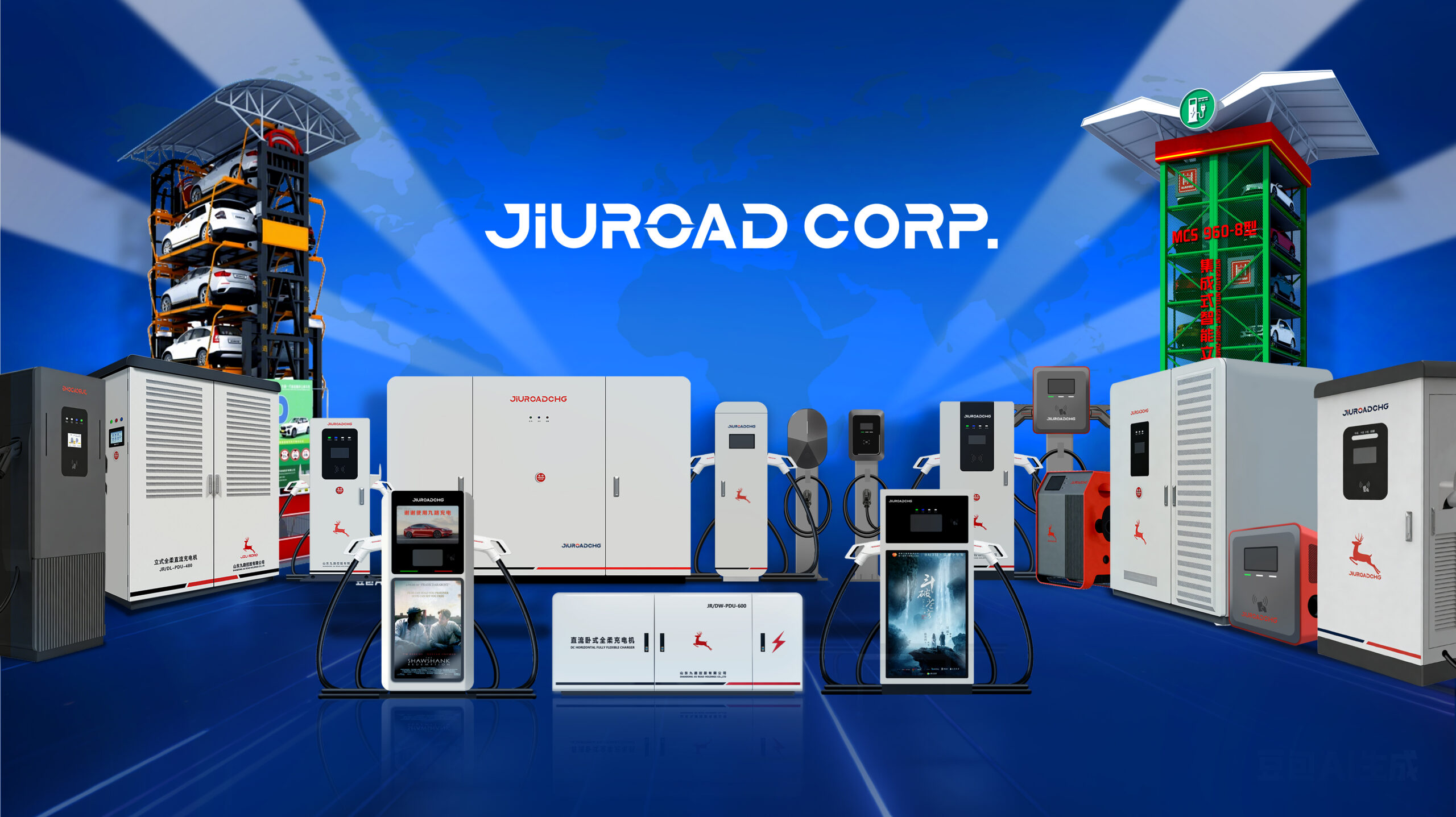
The disparity between urban and rural charging point operator (CPO) landscapes presents distinct opportunities for profit. Rural areas, with their lower competition and government incentives, can greatly benefit from strategically placed DC chargers. While urban centers often rely on dense public networks, rural markets can focus on home charging and local partnerships. This approach invites an exploration of the strategies that can make rural investments not only viable but also profitable, urging stakeholders to reflect on innovative solutions.
Key Takeaways
- Focus on strategic charging station locations in community hubs to maximize visibility and foot traffic in low-traffic rural areas.
- Leverage government incentives and funding opportunities to reduce initial capital burdens when investing in DC chargers in rural regions.
- Implement tiered pricing strategies and bundled service offers to cater to diverse user needs and enhance perceived value.
- Utilize smart charging solutions and mobile app technology for operational efficiency, real-time access, and improved user experience.
- Partner with local businesses for joint marketing efforts and community outreach to foster loyalty and improve brand visibility.
Key Differences Between Urban and Rural Charging Landscapes
In analyzing the charging landscapes for electric vehicles, several key differences emerge between urban and rural settings. Urban areas tend to exhibit diverse charging habits, with greater reliance on public charging networks and an increasing number of fast-charging stations. These preferences align with higher population densities and shorter commuting distances, making convenience paramount. Conversely, rural settings demonstrate distinct regional preferences favoring home charging solutions, primarily due to lower vehicle usage rates and longer distances between chargers. Consequently, charging infrastructure investments in these regions often cater to home installations rather than public stations. Understanding these contrasting charging habits is essential for stakeholders considering investments and planning strategies tailored to optimize the electric vehicle landscape effectively in both urban and rural contexts.
Why Rural Areas Are Ideal for DC Charger Investments
Rural areas present a compelling environment for DC charger investments due to their lower competition landscape, which allows businesses to establish a foothold with less market saturation. Additionally, government incentives tailored for infrastructure development in these regions can greatly enhance the financial viability of such projects. Moreover, the increasing demand for charging solutions driven by long-distance travel underscores the necessity of reliable DC charging options in rural settings.
Lower Competition Landscape
Competitive advantage in the domain of DC charger investments often favors areas with fewer existing infrastructure players, making less populated regions particularly appealing. A competition analysis in these regions reveals significant market gaps, as potential consumers exhibit unique behavior patterns influenced by local demographics. This lowers the barriers for entry, allowing investors to capitalize on growth opportunities.
| Region Type | Competition Level | Pricing Strategy |
|---|---|---|
| Rural | Low | Competitive pricing |
| Semi-Urban | Moderate | Value-based pricing |
| Urban | High | Premium pricing |
| Suburban | Moderate | Tiered pricing |
| Remote Areas | Very Low | Cost-effective pricing |
Targeting rural areas aligns well with technology adoption trends, optimizing both investment returns and service accessibility.
Government Incentives Availability
How can government incentives transform the landscape for DC charger investments in less populated regions? By tapping into various programs, rural areas can greatly enhance the financial viability of charging infrastructure. These incentive programs not only mitigate initial costs but also attract long-term investments. Key benefits include:
- Grant opportunities for installing chargers
- Tax credits that reduce overall expenditure
- Funding sources from state and federal initiatives
- Subsidy options that provide ongoing financial aid
With robust policy support, investors in rural regions can leverage these financial advantages, ultimately reaping investment benefits that make electrification projects more appealing. Consequently, the availability of these incentives positions rural areas as strategic locations for DC charger implementation.
Long-Distance Travel Demand
Increasingly, the demand for long-distance travel serves as a powerful impetus for DC charger investments in less populated regions. Charging infrastructure in rural areas can mitigate accessibility issues while aligning with shifting consumer behavior towards electric vehicles. Efficient route planning becomes essential as travel patterns evolve, particularly for fleet operations that require reliable charging options. Furthermore, rural landscapes often present unique opportunities for exploiting diverse energy sources, catering to the seasonal demand from travelers. The following table highlights key factors influencing the viability of DC charger investments:
| Factor | Impact on Investment |
|---|---|
| Travel Patterns | Increased trips to remote areas |
| Accessibility Issues | Enhanced connectivity |
| Energy Sources | Diverse and local options |
| Seasonal Demand | Fluctuating charging needs |
Benefits of DC Chargers in Low-Traffic Regions
A growing number of studies highlight the advantages of deploying DC chargers in low-traffic regions, where traditional charging solutions may fall short in meeting the unique needs of electric vehicle (EV) users. The strategic implementation of DC chargers offers several benefits that enhance both the charging station features and the overall customer experience:
- Faster Charging Times: Reduces wait times for users, increasing satisfaction.
- Increased Accessibility: Provides essential charging options in underserved areas, catering to longer distances.
- Enhanced Reliability: Low-maintenance and robust, DC chargers guarantee consistent availability.
- Attractive Business Model: The potential for higher profit margins in low-traffic settings due to exclusive access.
These benefits highlight the necessity for stakeholders to evaluate DC chargers as a viable solution, enhancing the EV ecosystem in rural locations.
How to Assess Local Demand for Charging Stations
Evaluating local demand for charging stations requires a thorough understanding of various factors influencing electric vehicle (EV) usage in a given area. Detailed market research is essential, examining consumer habits and local demographics to gauge potential user engagement. A competitive analysis can reveal existing infrastructure and highlight gaps in service, guiding strategic placement. Factors such as site feasibility are critical, evaluating location accessibility and energy sources while considering the latest charging technology. Additionally, analyzing user experience is paramount; convenience and efficiency can greatly impact utilization rates. By understanding infrastructure needs and aligning them with innovative business models, stakeholders can effectively evaluate demand and design charging solutions that meet the unique requirements of both rural and urban environments.
How to Choose the Best Location for Your Charging Station
Selecting an ideal location for a charging station necessitates a thorough analysis of traffic patterns and local amenities. Understanding the flow of vehicle movement can reveal high-traffic areas where demand is likely to be greater. Additionally, proximity to essential services, such as restaurants or shopping centers, can enhance convenience and attract more users.
Analyze Traffic Patterns
Understanding traffic patterns is essential for determining the ideal location of a charging station. Conducting a thorough traffic flow analysis can reveal critical insights into rural commuting patterns, which are often distinct from urban settings. This analysis aids in selecting strategic locations that maximize usage. Key factors to evaluate include:
- Peak travel times: Identify when traffic is heaviest.
- Commuter routes: Focus on main roads frequently used by local drivers.
- Distance to existing charging stations: Understand competitor proximity.
- Local population density: Assess the number of potential users in nearby areas.
Identify Local Amenities
After analyzing traffic patterns, recognizing the presence of local amenities becomes imperative in determining a preferred charging station location. Strategic placement near local attractions—such as parks, shopping centers, or restaurants—can greatly enhance usage rates, as these sites naturally draw potential customers. Additionally, aligning the charging station’s location with community events can further bolster foot traffic and increase visibility. Consideration of planned gatherings, festivals, or even weekly markets can create a symbiotic relationship between local culture and electric vehicle (EV) charging needs. By integrating charging solutions into daily activities, businesses can attract EV drivers who are already in the area for leisure or commerce, ultimately enhancing profitability and community engagement in low-traffic regions.
Effective Marketing Strategies for Rural CPOs
- Community outreach: Hosting local events to build relationships and trust within the community.
- Local advertising: Utilizing regional publications and radio stations to increase brand awareness effectively.
- Social media campaigns: Creating targeted online content that reflects rural values and lifestyle.
- Promotional partnerships: Collaborating with nearby businesses to extend reach and offer mutual benefits.
Building Partnerships With Local Businesses for CPO Success
Building partnerships with local businesses emerges as a pivotal strategy for CPOs seeking to thrive in both rural and urban settings, as these collaborations can enhance brand visibility and foster community loyalty. By engaging in local outreach, CPOs can establish meaningful business collaboration that drives mutual benefits. Cross promotion through joint marketing efforts empowers both entities to share resources and expand their reach. Implementing referral programs incentivizes partnering businesses to promote DC chargers, thereby increasing traffic and customer engagement. Additionally, community involvement solidifies these relationships, creating a network of support that benefits all parties. Formal partnership agreements can clarify expectations, leading to sustainable synergies that greatly boost the overall efficacy of charging station operations in various regions.
Best Practices for Pricing Your Charging Services
When establishing pricing for charging services, it is essential for Charge Point Operators (CPOs) to conduct a thorough competitive market analysis to understand local pricing dynamics. Implementing tiered pricing strategies can effectively cater to diverse user needs, while bundled service offers may enhance perceived value and customer loyalty. These practices can considerably influence profitability and market positioning in both rural and urban settings.
Competitive Market Analysis
Although the competitive landscape for charging services varies markedly between rural and urban areas, understanding best practices for pricing strategies remains essential for Charge Point Operators (CPOs). An effective competitive market analysis must consider various factors influencing pricing decisions, including:
- Current market trends that highlight evolving consumer preferences
- Competitor pricing that provides insights into pricing models in the area
- Local demand fluctuations affecting utilization rates
- Operational costs that must be covered to guarantee profitability
Tiered Pricing Strategies
Implementing tiered pricing strategies can markedly enhance the profitability and attractiveness of charging services for Charge Point Operators (CPOs) in both rural and urban markets. By utilizing dynamic pricing techniques, CPOs can adjust rates based on demand fluctuations, optimizing revenue while ensuring customer satisfaction. Additionally, effective customer segmentation allows operators to tailor their pricing structures, offering varied packages to different user groups based on factors such as frequency of use and vehicle type. This approach not only attracts a diverse customer base but also encourages both casual users and frequent drivers to engage with the charging infrastructure. Consequently, strategic tiered pricing can foster sustainable growth and improve competitiveness in an increasingly crowded market.
Bundled Service Offers
- Combining charging services with subscription models for predictability.
- Incorporating loyalty rewards to incentivize repeat usage.
- Offering multi-tier packages that cater to frequent vs. infrequent users.
- Providing complimentary amenities such as Wi-Fi or refreshments to improve the customer experience.
These approaches can position CPOs competitively in low-traffic regions, fostering long-term customer relationships while optimizing financial outcomes for charging services.
How Government Incentives and Grants Can Help You?
Government incentives and grants play a pivotal role in facilitating the expansion of electric vehicle (EV) infrastructure, particularly in rural and urban areas. These financial mechanisms enable businesses to optimize their investments in DC chargers while enhancing service accessibility. Federal funding can offset installation costs, making it easier for charge point operators (CPOs) to establish a foothold in lower-traffic regions. Strategic utilization of these resources can create a sustainable model for growth within the renewable energy sector.
| Incentive Type | Benefit |
|---|---|
| Federal Grants | Reduced initial investment |
| Tax Credits | Diminished tax liabilities |
| State Programs | Additional funding support |
| Renewable Energy Funds | Focused financing for clean tech |
| Local Initiatives | Community engagement and partnerships |
Overcoming Rural Infrastructure Challenges
The expansion of electric vehicle infrastructure faces distinct challenges in rural areas, where population density and economic viability can be limiting factors. To overcome these issues, strategic infrastructure investments and community collaboration are essential. Consider the following strategies:
- Leverage local partnerships: Collaborating with local businesses can enhance visibility and accessibility of charging stations.
- Target funding opportunities: Identifying grants specifically aimed at rural infrastructure can alleviate cost burdens.
- Implement mobile solutions: Offering portable DC chargers can provide temporary solutions during peak travel seasons.
- Educate stakeholders: Raising awareness about the benefits of electric vehicles can help stimulate local demand.
Addressing these challenges strategically enables rural areas to develop sustainable electric vehicle charging solutions, driving both economic and environmental benefits.
The Importance of Community Engagement for Success
Successful implementation of electric vehicle infrastructure in both rural and urban areas hinges on effective community engagement. Engaging local communities through targeted community outreach initiatives guarantees that residents understand the benefits of DC chargers, thereby fostering acceptance and utilization. Building strong local partnerships with businesses, governments, and organizations can amplify outreach efforts, create shared benefits, and potentially accelerate the deployment of charging stations. By involving community stakeholders in the planning process, project developers can address specific regional needs, mitigate concerns, and promote usage. This participatory approach not only enhances the infrastructure’s long-term viability but also positions charging stations as crucial community assets, ultimately leading to higher return on investment in low-traffic regions. Stakeholder involvement is consequently critical for sustainable success.
Utilizing Technology to Enhance the Charging Experience
The integration of smart charging solutions and mobile app functionalities represents a pivotal advancement in enhancing the charging experience for electric vehicle users. By leveraging real-time data and user-friendly interfaces, these technologies can streamline the charging process and optimize charging station utilization. As both urban and rural areas evolve in their infrastructure capabilities, understanding the impact of these innovations will be essential for improving accessibility and user satisfaction.
Smart Charging Solutions
As electric vehicle (EV) adoption continues to rise, smart charging solutions emerge as pivotal in enhancing the overall charging experience for users. These technologies not only streamline the charging process but also contribute to efficient energy usage through smart grid integration.
Key elements of smart charging solutions include:
- Dynamic load management to optimize energy distribution
- Real-time data analytics for user insights and operational efficiency
- Remote diagnostics for timely maintenance and reduced downtime
- Charging network expansion initiatives that improve accessibility
Mobile App Integration
Mobile applications have become essential tools for enhancing the electric vehicle (EV) charging experience by providing users with instant access to vital information and functionalities. Through mobile payment integration, users can effortlessly complete transactions, reducing friction and thereby increasing customer satisfaction. These applications can offer real-time charging station availability, estimated wait times, and notifications, fostering a more efficient user experience enhancement. Additionally, features such as route planning that include charging station locations promote confidence in long-distance travel. By leveraging technology in this manner, rural and urban Charging Point Operators (CPOs) can differentiate their services, catering to both local commuters and travelers who rely on seamless charging solutions. Ultimately, the strategic implementation of mobile apps can greatly drive customer loyalty and revenue.
Key Metrics to Monitor for Profitability
Profitability in electric vehicle charging operations hinges on a careful analysis of key performance indicators that reveal the financial health of both rural and urban Charge Point Operators (CPOs). CPOs must strategically monitor various metrics to enhance profit margins and optimize charging frequency.
Key metrics to take into account include:
- Utilization Rate: Measures how often charging stations are used.
- Profit Margins: Evaluates the differences between revenue generated and expenses incurred.
- Average Charging Time: Impacts the throughput of users and overall station efficiency.
- Customer Retention Rate: Indicates satisfaction and loyalty, which affect ongoing revenue streams.
Success Stories From Rural Charging Point Operators
While rural Charge Point Operators (CPOs) face unique challenges compared to their urban counterparts, several have demonstrated remarkable success by implementing innovative strategies tailored to their specific environments. Significantly, these operators have leveraged local partnerships to enhance consumer behavior, creating localized marketing initiatives that resonate with community values. By strategically placing charging stations in high-traffic areas, rural CPOs have effectively driven market growth. Funding opportunities have also been pivotal, allowing for infrastructure improvements that attract more users. Operator experiences reveal that an emphasis on community impact translates into profitability insights, underscoring the importance of understanding rural success as both a business model and a catalyst for broader acceptance of EV technology.
Future Trends in EV Adoption and Rural Charging Operations
As electric vehicle (EV) adoption continues to accelerate, rural charging operations are poised to evolve considerably in response to emerging trends in technology and consumer behavior. Key future trends shaping this landscape include:
- Infrastructure advancements: Increased investment in charging networks will enhance accessibility in rural areas.
- Consumer behavior shifts: As EV ownership rises, rural consumers will demand more charging stations tailored to their needs.
- Smart charging solutions: Innovative technologies will optimize energy use and reduce costs for operators.
- Partnerships: Collaborations between local businesses and charging point operators will facilitate broader adoption in low-traffic regions.
In this dynamic environment, rural charging operations must adapt strategically to leverage these trends, ensuring they can meet evolving consumer demands and benefit from infrastructure improvements.
Conclusion
As the electric vehicle landscape continues to evolve, the untapped potential of rural DC charging infrastructure looms large. Operators willing to navigate this unique terrain could find themselves at the forefront of a financial revolution, setting the stage for a thriving ecosystem that mirrors urban successes. Yet, the question remains: will these pioneers seize the moment and establish a sustainable model, or will they falter amid uncertainty? The future of rural EV charging is poised on the brink of transformation.