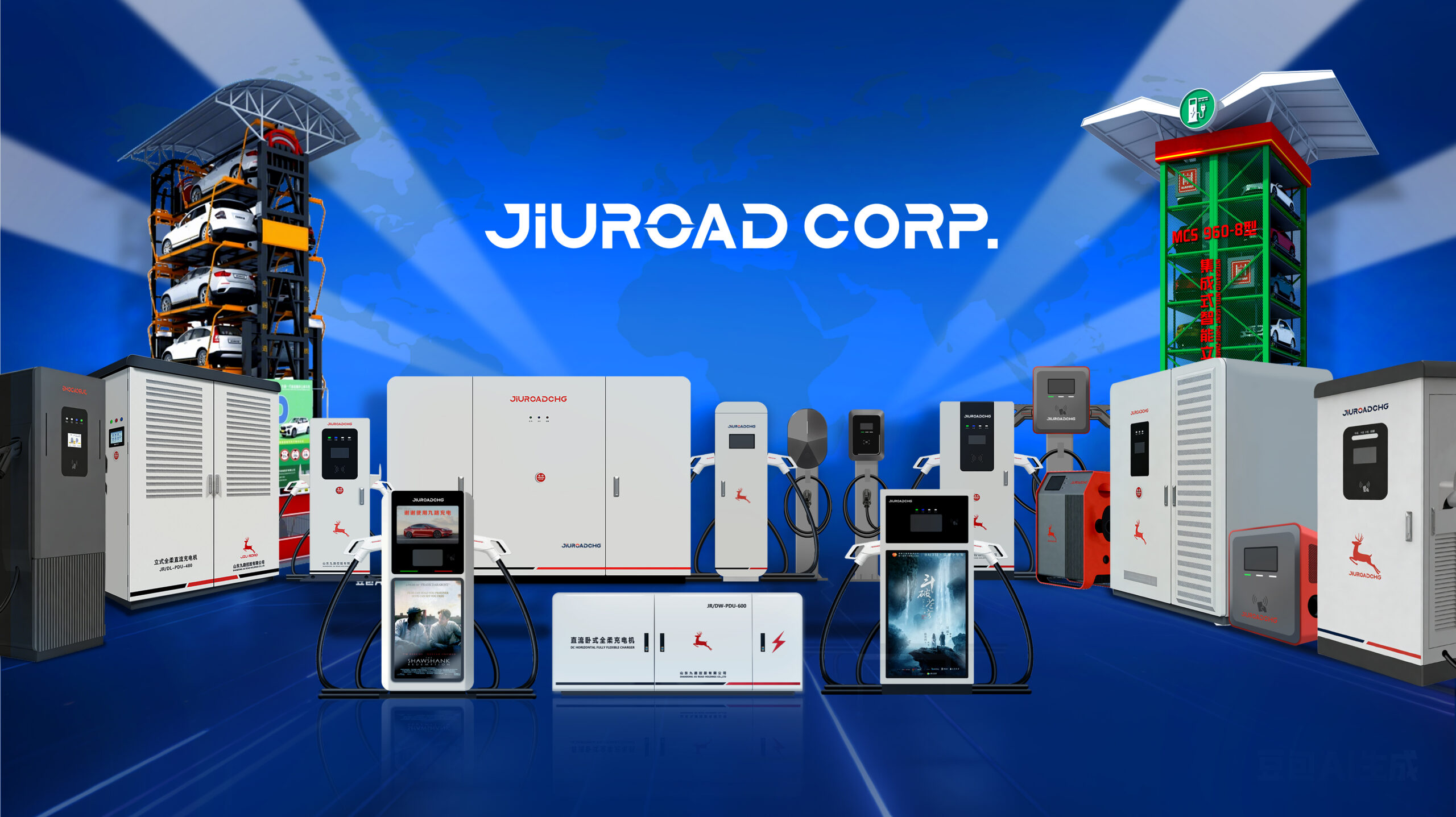
Property developers face mounting pressure to integrate electric vehicle infrastructure into new and existing projects. The decision to partner with hardware manufacturers rather than handle installations independently reflects a calculated shift in development strategy. These partnerships offer more than convenience—they create measurable financial advantages that directly impact project returns. Understanding the mechanics behind these collaborations reveals why forward-thinking developers are restructuring their approach to EV readiness entirely.
Key Takeaways
- Strategic partnerships enable bulk purchasing agreements that reduce per-unit equipment costs by 15-30% through economies of scale.
- Revenue sharing agreements reduce upfront capital requirements while maintaining recurring revenue streams for both developers and manufacturers.
- Hardware manufacturer partnerships provide access to scalable, modular solutions that future-proof properties against evolving EV technology demands.
- EV-ready properties command 3-5% higher valuations and achieve rent premiums, making manufacturer partnerships financially advantageous for developers.
- Partnering with reliable manufacturers ensures proper technical integration, warranty coverage, and maintenance support for long-term infrastructure sustainability.
Why EV-Ready Properties Now Command Premium Market Value
How greatly does EV charging infrastructure influence property valuations in today’s market? Research indicates properties with integrated charging accessibility command 3-5% premium pricing, reflecting shifting buyer preferences toward sustainable living solutions.
Market demand for EV-ready developments continues accelerating as consumer trends favor properties aligned with technology advancements in transportation. Urban planning initiatives increasingly mandate charging provisions, positioning early adopters advantageously for future developments and regulatory compliance.
The sustainability impact extends beyond environmental considerations into tangible investment potential. Properties lacking EV infrastructure face depreciation risks as electric vehicle adoption accelerates. Developers recognizing this trajectory secure competitive positioning through strategic hardware partnerships.
Property valuation metrics now incorporate charging capabilities as standard assessment criteria, transforming what was once optional into essential infrastructure for market competitiveness and long-term asset appreciation.
What Makes a Property Truly EV-Ready?
What precisely distinguishes a genuinely EV-ready property from one merely marketed in this manner? Infrastructure readiness extends beyond installing a few charging stations at parking spaces. True EV-ready developments incorporate electrical panel capacity sufficient for scaled deployment, dedicated circuits with appropriate amperage, and conduit pathways that minimize future retrofit costs.
Strategic EV charging solutions require load management systems capable of balancing demand across multiple units without costly utility upgrades. Properties must account for both Level 2 residential charging and potential DC fast-charging capabilities for commercial applications.
Developers achieving authentic EV readiness integrate smart energy management software, ensuring grid stability while maximizing charging availability. This systematic approach—rather than superficial installations—delivers measurable ROI through reduced long-term infrastructure costs, enhanced tenant retention, and sustained competitive positioning in increasingly electrified markets.
The Business Case for Hardware Manufacturer Partnerships
Strategic partnerships between property developers and EV hardware manufacturers release significant cost advantages through bulk purchasing agreements and volume-based pricing structures. These collaborations reduce per-unit equipment costs while providing access to dedicated installation teams familiar with specific product specifications. The resulting operational efficiencies compress project timelines and minimize the coordination overhead typically associated with multi-vendor procurement.
Cost Efficiency Through Scale
Economies of scale represent the cornerstone of any viable EV charging deployment strategy, transforming what might otherwise be prohibitive capital expenditures into manageable, predictable investments. Bulk purchasing agreements with hardware manufacturers reduce per-unit costs by 15-30%, while streamlined supply chain logistics minimize delays and inventory overhead.
Partnership synergy extends beyond equipment acquisition. Consolidated installation labor contracts across multiple properties drive operational efficiency, reducing deployment timelines and associated costs. Manufacturers with established demand forecasting capabilities help developers right-size infrastructure investments, avoiding both under-provisioning and costly over-building.
Energy cost optimization through integrated load management systems further enhances ROI projections. As adoption accelerates, market scalability becomes paramount—developers positioned with manufacturer partnerships can expand charging networks incrementally without renegotiating terms, maintaining competitive positioning while protecting margins throughout portfolio growth phases.
Streamlined Installation Processes
Deploying EV charging infrastructure across multiple properties demands precision coordination between hardware specifications, electrical capacity assessments, and site-specific installation requirements—a complexity that manufacturer partnerships systematically address. Direct collaboration eliminates intermediary delays, providing developers with standardized protocols that maximize installation efficiency across portfolios.
| Partnership Benefit | Operational Impact |
|---|---|
| Pre-engineered solutions | Reduced site assessment time |
| Dedicated technical teams | Faster deployment cycles |
| Standardized components | Lower labor costs |
| Integrated user training | Decreased support requests |
| Single-source accountability | Streamlined warranty claims |
Manufacturers bring repeatable frameworks that compress project timelines considerably. Their teams conduct user training for property staff, ensuring proper system operation from day one. This turnkey approach reduces contractor coordination burdens while establishing clear accountability channels. Developers gain predictable installation schedules, enabling accurate project budgeting and faster tenant occupancy timelines.
How Developers Choose the Right EV Charging Partner
When selecting an EV charging partner, developers must evaluate several critical factors that directly impact both project economics and long-term asset performance. Partner evaluation criteria should extend beyond hardware specifications to encompass the manufacturer’s financial stability, technical support infrastructure, and charging network accessibility.
Strategic developers assess potential partners across three essential dimensions:
- Scalability: The partner’s capacity to support phased installations as tenant demand increases
- Revenue integration: Compatibility with payment platforms and energy management systems that maximize ROI
- Warranty terms: Extensive coverage that minimizes maintenance expenditures over the asset lifecycle
Market-aware developers recognize that the right partnership delivers competitive differentiation. Properties equipped with reliable, well-supported charging infrastructure command premium positioning as EV adoption accelerates, transforming infrastructure investment into measurable asset appreciation.
Residential vs Commercial EV Infrastructure Requirements
Residential and commercial properties present distinct infrastructure demands that shape capital requirements, installation complexity, and revenue potential. Charging station placement in residential settings must navigate residential zoning regulations and shared parking allocation, while commercial projects require adherence to commercial accessibility standards and high-visibility positioning.
| Factor | Residential | Commercial |
|---|---|---|
| Power Capacity | 7-19 kW per unit | 50-350 kW DC fast charging |
| Utilization Pattern | Overnight, predictable | Variable, high-turnover |
| Revenue Model | Tenant amenity/fee-based | Direct monetization |
| Permitting Complexity | Moderate | High |
| ROI Timeline | 5-7 years | 2-4 years |
Tenant engagement strategies differ substantially between sectors. Residential developers prioritize convenience and equity among residents, whereas commercial operators focus on dwell-time optimization and customer acquisition metrics that justify accelerated infrastructure investment.
Building Code Mandates Pushing Developers Toward EV-Ready Construction
More than two dozen states have enacted EV-ready building codes since 2020, fundamentally altering the cost calculus for new construction and major renovations. Developers maneuvering building permit complexities now face mandatory conduit installation, panel capacity requirements, and designated parking ratios that vary greatly by jurisdiction.
Key mandate variations creating policy compliance challenges include:
- California’s CALGreen requiring 10% of spaces be EV-capable in multifamily projects
- New York City mandating 20% EV-ready capacity for new parking facilities
- Colorado’s tiered approach based on building size and occupancy type
Forward-thinking developers recognize that retrofitting costs three to five times more than pre-construction installation. Partnering with hardware manufacturers early in the design phase streamlines compliance, reduces change orders, and positions properties competitively as tenant demand for charging access accelerates across both residential and commercial sectors.
Cost Sharing Models Between Developers and Hardware Partners
As EV infrastructure becomes a competitive differentiator in real estate, developers are structuring partnerships with hardware providers through revenue sharing agreements that align long-term incentives around charging station utilization. Upfront investment splits have emerged as a critical negotiation point, with some developers securing zero-capital installations in exchange for favorable revenue terms or site exclusivity. Maintenance cost allocation further shapes these partnerships, requiring clear contractual frameworks that define responsibility thresholds and protect property owners from unexpected operational expenses.
Revenue Sharing Agreements
Strategic partnerships between real estate developers and EV charging hardware manufacturers have evolved beyond simple vendor-buyer relationships into sophisticated revenue sharing arrangements that distribute both costs and returns across the investment lifecycle. These revenue models typically allocate charging fees between parties based on capital contribution percentages and operational responsibilities.
Profit sharing structures commonly incorporate:
- Tiered percentage splits that adjust as utilization thresholds increase
- Guaranteed minimum payments to hardware partners offset against future revenue
- Performance bonuses tied to uptime metrics and customer satisfaction scores
Developers increasingly favor these arrangements because they reduce upfront capital requirements while maintaining long-term income potential. Hardware manufacturers accept lower initial margins in exchange for recurring revenue streams and portfolio expansion opportunities across multiple properties.
Upfront Investment Splits
Nearly all cost sharing arrangements between developers and EV charging hardware partners follow predictable allocation frameworks that reflect each party’s risk tolerance and capital position. Typical splits range from 50/50 to 80/20, with hardware manufacturers often absorbing greater upfront costs when they retain ownership of equipment and revenue streams.
Developers mitigate investment risks by negotiating phased capital contributions tied to occupancy milestones or charging utilization rates. This structure protects against overbuilding infrastructure before tenant demand materializes.
Hardware partners frequently offer reduced upfront contributions in exchange for longer exclusivity periods or favorable revenue terms. Market-savvy developers evaluate these trade-offs against projected asset appreciation and competitive positioning. The ideal split ultimately depends on property type, geographic market maturity, and each party’s long-term strategic objectives within the evolving EV ecosystem.
Maintenance Cost Allocation
Beyond initial capital deployment, ongoing maintenance responsibilities represent a significant long-term cost variable that shapes partnership profitability for both developers and hardware providers. Strategic allocation of maintenance responsibility directly impacts net operating income projections and influences tenant satisfaction metrics.
Effective cost-sharing frameworks typically address future expenses through structured agreements:
- Tiered maintenance models assign routine upkeep to property management while hardware partners handle technical repairs and software updates
- Revenue-linked arrangements tie maintenance contributions to charging station utilization rates, aligning incentives with performance
- Warranty-extended partnerships reduce developer exposure by extending manufacturer coverage periods in exchange for exclusivity commitments
Market-aware developers negotiate maintenance caps and escalation clauses to protect against inflationary pressures. Hardware manufacturers increasingly absorb preventive maintenance costs to secure long-term network expansion and recurring service revenue streams.
Technical Integration Challenges in New Construction Projects
While EV charging infrastructure may appear straightforward on the surface, developers face a complex web of technical integration challenges that directly impact project timelines, budgets, and long-term asset performance.
The integration hurdles span multiple disciplines simultaneously. Electrical load calculations must account for future capacity expansion while balancing current utility constraints. Coordination between electrical contractors, general contractors, and technology vendors requires precise construction logistics to avoid costly rework and schedule delays.
Building management system compatibility presents another layer of complexity. Charging networks must communicate seamlessly with existing property infrastructure, including access control, billing platforms, and energy management systems. Without manufacturer partnerships providing technical expertise early in the design phase, developers risk installing equipment that becomes stranded assets or requires expensive retrofitting within years of completion.
Retrofitting Existing Properties Vs Building Ev-Ready From Day One
The technical complexities inherent in new construction pale in comparison to the cost differentials developers face when evaluating retrofit projects against ground-up EV-ready builds. Retrofitting challenges compound exponentially when existing electrical infrastructure lacks capacity for high-voltage charging systems, often requiring complete panel upgrades and costly conduit installation through finished spaces.
Ground-up development offers decisive advantages:
- Electrical pathways integrated during foundation work cost 70% less than post-construction installation
- Sustainable solutions become standard features rather than expensive add-ons
- Future-proofing capacity eliminates recurring capital expenditures
Market-aware developers recognize that properties built EV-ready command premium valuations and attract sustainability-conscious tenants. The ROI calculation favors proactive integration, as retrofit projects frequently exceed initial budgets by 40-60% due to unforeseen structural obstacles and permitting complications that ground-up builds systematically avoid.
Smart Charging Features That Tenants and Buyers Expect
Nearly all prospective EV owners now expect charging infrastructure that extends beyond basic power delivery into intelligent energy management. Market trends indicate that user preferences now prioritize app-based scheduling, load balancing, and real-time consumption monitoring. These technological advancements directly impact tenant satisfaction and support sustainable living goals.
| Feature Category | Tenant Priority | ROI Impact |
|---|---|---|
| App Integration | High | Increased retention |
| Load Management | Medium | Reduced utility costs |
| Usage Analytics | High | Premium pricing justification |
Cost considerations must balance upfront investment against long-term charging convenience benefits. Properties equipped with smart charging systems command higher valuations and attract environmentally conscious buyers. Developers who anticipate these expectations position their assets competitively within evolving real estate markets.
How EV-Ready Amenities Influence Lease Rates and Property Sales
Properties equipped with EV-ready infrastructure command measurable rent premiums and higher sale prices as electric vehicle adoption accelerates across key demographics. Landlords and sellers report faster turnover rates when charging capabilities are prominently featured in listings, reducing vacancy costs and time-on-market metrics. In increasingly saturated real estate markets, EV amenities serve as a decisive differentiator that attracts environmentally conscious tenants and buyers willing to pay for convenience.
Premium Pricing Opportunities
Across competitive real estate markets, EV-ready properties command measurable premiums that directly impact bottom-line performance. Premium demand trends indicate that tenants and buyers increasingly prioritize charging infrastructure when evaluating properties, creating distinct competitive advantages for developers who invest early.
Strategic pricing strategies emerge when properties differentiate through EV amenities:
- Residential units with dedicated charging access achieve 2-5% higher lease rates compared to non-equipped competitors
- Commercial properties attract premium tenants seeking sustainability credentials and employee retention advantages
- Mixed-use developments leverage charging networks as anchor amenities that justify elevated price points
Market-aware developers recognize that EV infrastructure investments yield returns beyond installation costs. Properties positioned as future-ready capture buyer segments willing to pay premiums for convenience, reduced range anxiety, and alignment with evolving transportation norms.
Faster Property Turnover
EV-ready amenities accelerate property turnover cycles by reducing vacancy periods and shortening sales timelines in markets where charging infrastructure remains scarce. Properties featuring integrated charging solutions attract qualified buyers and tenants faster, as EV owners prioritize homes that eliminate range anxiety concerns.
Market data indicates that sustainable design elements, including charging stations, correlate with reduced days-on-market metrics. Buyers increasingly view energy efficiency features as non-negotiable, particularly in urban and suburban corridors where EV adoption rates climb annually.
For developers, faster turnover translates directly to improved capital velocity. Reduced holding costs, accelerated revenue recognition, and enhanced portfolio performance justify the upfront investment in charging infrastructure. Properties without EV amenities risk prolonged vacancy periods as the buyer pool narrows, making pre-installation partnerships with hardware manufacturers a calculated competitive strategy.
Competitive Market Advantage
Several recent market analyses confirm that EV-ready properties command measurable premiums in both lease negotiations and purchase transactions. Properties equipped with charging infrastructure demonstrate stronger tenant retention rates and accelerated sales cycles compared to conventional listings.
Market differentiation through EV amenities delivers quantifiable returns:
- Lease rate premiums of 2-5% above comparable properties without charging capabilities
- Reduced vacancy periods as environmentally conscious tenants prioritize EV-equipped buildings
- Enhanced property valuations driven by future-proof infrastructure investments
As increased competition intensifies across commercial and residential sectors, developers lacking EV infrastructure risk portfolio obsolescence. Forward-thinking property owners recognize that charging capabilities now function as essential amenities rather than luxury additions, directly influencing buyer and tenant decision-making processes in competitive markets.
Successful Developer-Manufacturer Partnerships in Action
Landmark partnerships between real estate developers and EV charging manufacturers have begun reshaping the competitive landscape of residential and commercial properties. Case studies from major metropolitan markets demonstrate measurable returns when developers implement strategic partnership strategies with established charging infrastructure providers.
Notable collaborations between national homebuilders and charging network operators have yielded properties commanding 3-5% premium pricing while reducing installation costs by up to 40% through bulk procurement agreements. Commercial developers partnering directly with manufacturers report accelerated lease-up rates and enhanced tenant retention metrics.
These alliances extend beyond equipment supply. Manufacturers contribute technical expertise, warranty support, and software integration capabilities that developers lack internally. The most successful partnerships establish long-term maintenance agreements, ensuring infrastructure reliability while transferring operational complexity away from property management teams.
Future-Proofing Properties for Next-Generation Charging Technology
Property developers who prioritize scalable infrastructure design position their assets to capture long-term value as EV adoption accelerates beyond current projections. Installing conduit pathways, electrical panel capacity, and flexible mounting systems now costs a fraction of retrofit expenses while enabling seamless integration of higher-powered charging equipment as it emerges. Staying attuned to evolving industry standards—from connector types to bidirectional charging protocols—ensures properties remain competitive rather than obsolete in a rapidly shifting market landscape.
Scalable Infrastructure Design
Forward-thinking developers recognize that today’s EV charging installations represent merely the foundation for rapidly evolving technology, making scalable infrastructure design a critical investment consideration. Infrastructure flexibility guarantees properties can accommodate increasing power demands without costly retrofits, protecting long-term asset value.
Strategic partnerships with hardware manufacturers enable sustainable designs that anticipate future requirements:
- Electrical capacity planning that reserves conduit space and panel capacity for additional charging stations as tenant demand grows
- Modular equipment configurations allowing seamless upgrades from Level 2 to DC fast charging without structural modifications
- Smart grid integration readiness supporting vehicle-to-building energy systems and dynamic load management
Properties engineered with expansion capabilities command premium positioning in competitive markets. Developers who prioritize scalability today avoid capital-intensive overhauls tomorrow while meeting evolving sustainability benchmarks that increasingly influence tenant decisions.
Adapting to Evolving Standards
Virtually every charging standard currently deployed faces potential obsolescence as automakers, utilities, and regulatory bodies converge on next-generation protocols that promise faster charging speeds and enhanced grid interoperability. Strategic partnerships enable developers to navigate shifting technology standards while capturing government incentives tied to compliance.
| Design Considerations | Market Trends |
|---|---|
| Modular conduit systems | NACS adoption acceleration |
| Oversized electrical capacity | Bidirectional charging demand |
| Software-upgradable hardware | Megawatt charging emergence |
| Flexible mounting configurations | Vehicle-to-grid integration |
| Universal connector compatibility | Wireless charging pilots |
Hardware manufacturers provide critical intelligence on regulatory trajectories, allowing developers to implement design considerations that accommodate anticipated upgrades. This foresight protects capital investments and positions properties competitively as market trends evolve, maximizing long-term ROI while minimizing costly retrofits.
Steps to Launch Your First EV Infrastructure Partnership
When property owners recognize the revenue potential of EV charging infrastructure, the path from concept to implementation requires methodical execution across several critical phases.
Strategic partnerships begin with thorough site assessments that evaluate electrical capacity, parking configurations, and tenant demographics. Understanding the regulatory landscape guarantees compliance with local building codes and incentive programs that maximize ROI.
Essential steps include:
- Due diligence review: Analyze manufacturer track records, warranty terms, and maintenance agreements before commitment
- Financial modeling: Project installation costs against projected utilization rates and revenue streams
- Community engagement: Survey tenants and neighboring businesses to gauge demand and address concerns proactively
Successful developers prioritize hardware partners offering scalable solutions that accommodate future expansion. Market-aware property owners secure competitive advantages by establishing infrastructure partnerships before regional saturation diminishes differentiation opportunities.
Conclusion
Property developers who establish strategic hardware manufacturer partnerships position themselves advantageously in an increasingly electrified market. With bulk purchasing agreements delivering 15-30% cost reductions on equipment, the financial case for collaboration proves compelling. Forward-thinking developers recognize that EV-ready infrastructure has shifted from optional amenity to essential competitive differentiator. Those who act decisively today will capture premium valuations while latecomers face costly retrofit scenarios and diminished market positioning.