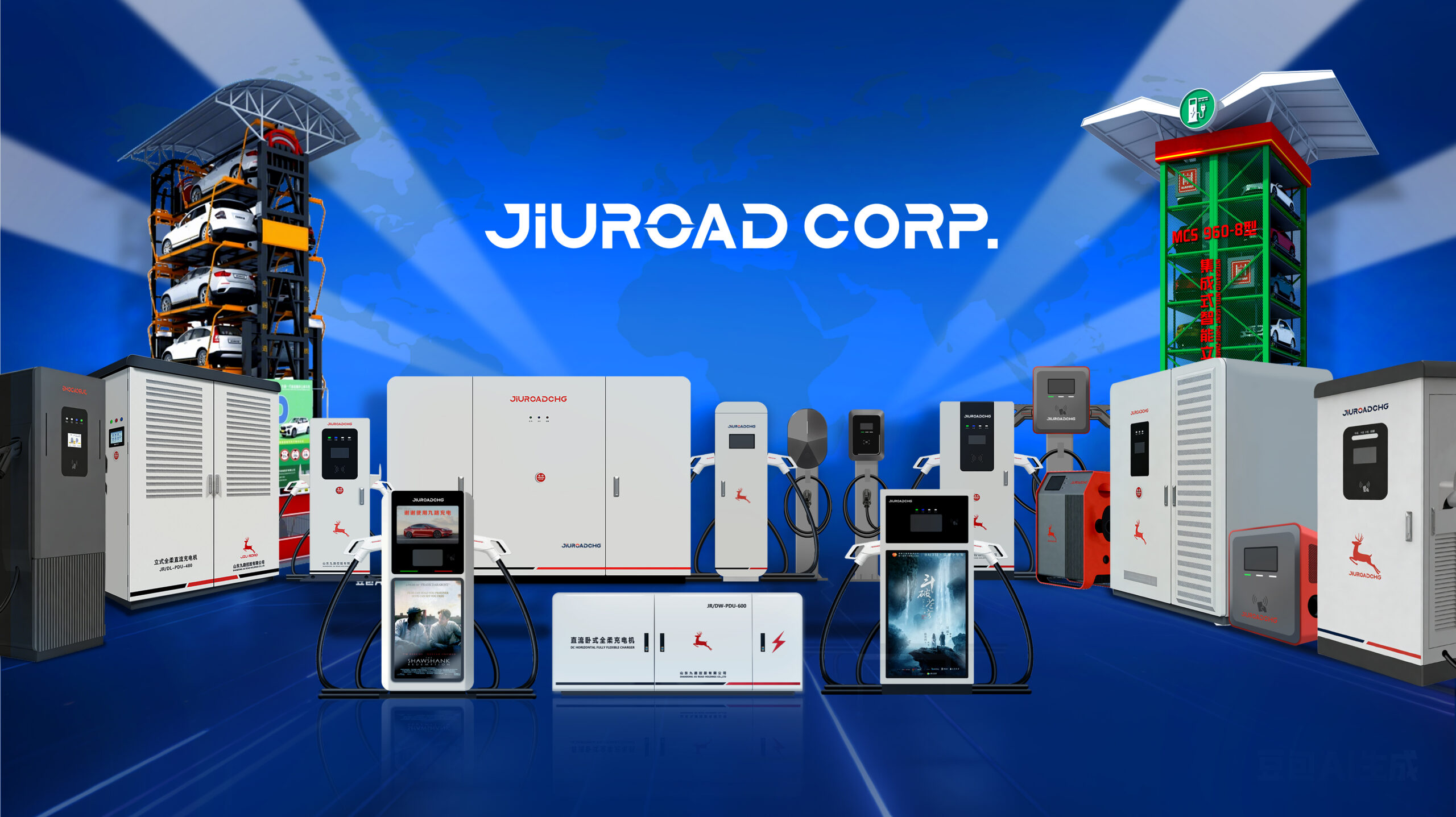
Most regional distributors don’t realize they’re subsidizing their competitors’ brand recognition every time they move name-brand inventory. You’re building someone else’s market presence while watching your margins shrink year after year. White label hardware flips this equation entirely—you capture the margin, you own the customer relationship, and you control the pricing strategy. But not every white label partnership delivers on that promise, and the wrong one can sink your operation faster than thin margins ever could.
Key Takeaways
- White label hardware enables distributors to brand proven products without manufacturing costs while strengthening customer loyalty and relationships.
- Extensive customization options allow market differentiation, premium pricing justification, and transformation from commodity resellers to solutions providers.
- Pre-certified white label partnerships accelerate market entry within weeks, redirecting capital toward sales infrastructure and territorial expansion.
- Rigorous quality audits, third-party certifications, and negotiated warranty terms protect margins and preserve channel credibility.
- Value-based sales training with structured commissions and dynamic pricing strategies ensures sustainable profitability over price-driven competition.
Why Regional Distributors Are Losing Ground on Name-Brand Equipment
While major manufacturers continue expanding their direct-to-customer sales channels, regional distributors find themselves squeezed out of deals they once owned. You’re competing against the very brands you’ve built your business around, and they’re undercutting your margins at every turn.
Brand loyalty issues compound this problem. Your customers recognize manufacturer names, not yours. When that manufacturer sells direct, you’ve lost your competitive advantage overnight.
Price sensitivity factors drive customers toward whoever offers the lowest number—often the manufacturer with zero middleman costs. You can’t match their pricing without destroying your profitability.
The channel-driven model that sustained regional distributors for decades is fracturing. To reclaim revenue and build strategic partnerships that protect your territory, you need products that carry your brand, not someone else’s.
What White Label Hardware Actually Means for New Energy Distributors
White label hardware lets you put your brand on proven products without sinking capital into manufacturing facilities or R&D cycles. You’ll gain the flexibility to customize product specifications, packaging, and feature sets to match what your regional customers actually need. This approach accelerates your market entry timeline while positioning you as a solutions provider rather than just another reseller pushing someone else’s name.
Branding Without Manufacturing Costs
For distributors entering the new energy market, white label hardware eliminates the single largest barrier to building a branded product line: the massive capital investment required for manufacturing infrastructure. You gain immediate brand positioning without factory overhead, R&D expenses, or production staff.
This approach accelerates your market differentiation through strategic advantages:
- Zero capital equipment costs redirect funds toward sales and territory expansion
- Reduced time-to-market launch branded products in weeks rather than years
- Flexible inventory management scale orders based on actual demand patterns
You’re practically renting manufacturing capability while owning the customer relationship. Your brand appears on professional-grade equipment that meets industry certifications. Customers see your company as the provider, strengthening loyalty and repeat business potential across your distribution network.
Flexible Product Customization Options
The term “white label” often conjures images of generic products with a logo slapped on the box, but today’s new energy hardware partnerships offer far deeper customization that directly impacts your revenue potential.
You’re not limited to surface-level branding. Modern customization flexibility extends to firmware configurations, voltage specifications, connector types, and interface designs that match your regional market requirements. This means you can deliver tailored solutions that address specific customer pain points your competitors can’t touch.
Consider the strategic advantage: when you specify unique product features, you create differentiation that justifies premium pricing. Your customers can’t easily price-shop identical units from other distributors. This exclusivity transforms your channel position from commodity reseller to solutions provider, commanding margins that generic distribution simply cannot achieve.
Faster Market Entry Strategy
Because developing proprietary hardware demands substantial R&D investment and regulatory navigation, white label partnerships let you bypass years of product development and enter the new energy market within weeks rather than months.
Your competitive analysis reveals that first-mover advantages drive lasting customer relationships in regional territories. White label solutions position you to capitalize on shifting market dynamics before competitors establish dominance.
Key acceleration benefits include:
- Immediate inventory access Stock proven products without prototype testing delays
- Pre-certified compliance Leverage existing certifications across multiple jurisdictions
- Rapid brand deployment Launch your branded product line within 30-60 days
You’ll redirect capital from development costs toward sales infrastructure and territory expansion, maximizing revenue potential during critical market growth windows.
Margin Comparison: White Label vs. Branded Solar and Storage Products
When evaluating the profitability of your distribution portfolio, white label solar and storage products consistently outperform their branded counterparts in gross margin potential. Branded products typically yield 8-15% profit margins, while white label alternatives deliver 25-40% returns on comparable hardware.
Your distribution strategies must account for shifting market demand. Customers increasingly prioritize performance specifications over manufacturer names, weakening traditional brand loyalty in the renewable energy sector.
You’ll capture more value by positioning white label products alongside recognized brands. This dual approach lets you serve price-sensitive installers while maintaining relationships with brand-conscious buyers. The margin differential compounds across your sales volume, transforming your bottom line. Smart distributors leverage this gap to fund competitive pricing, enhanced support services, and territorial expansion initiatives.
Which White Label Hardware Categories Deliver the Best Returns?
How effectively you allocate shelf space and working capital determines which white label categories will maximize your distribution returns.
Your competitive analysis should prioritize these high-margin categories:
- Battery storage systems Market trends show 40%+ margins with strong customer perceptions of value
- Inverters Product reliability drives repeat orders and strengthens supplier relationships
- Mounting hardware Low complexity yields consistent return on investment with minimal support costs
You’ll capture white label advantages most effectively when you align pricing models with regional demand patterns. Focus your capital on categories where brand recognition matters less than performance specifications.
Build supplier relationships that guarantee quality consistency—this directly impacts customer perceptions and repeat purchase rates across your distribution channel.
How to Evaluate White Label Manufacturers Before Signing a Contract
Before you commit to a white label partnership, you’ll need to scrutinize three critical areas that directly impact your margins and reputation. Start by verifying the manufacturer’s production quality standards through third-party certifications, factory audits, and sample testing to guarantee consistent product reliability. Then assess their warranty support terms and compare minimum order requirements across multiple suppliers to identify the partner that aligns with your inventory strategy and cash flow goals.
Verify Production Quality Standards
Scrutinize every manufacturer’s quality control infrastructure before you commit to a partnership that’ll define your profit margins and brand reputation. Request documentation of their quality assurance protocols and demand access to production testing data from recent batches.
Your due diligence should include:
- On-site audits Visit facilities to observe assembly lines, testing stations, and defect tracking systems firsthand
- Third-party certifications Confirm ISO 9001 compliance and industry-specific standards for energy equipment
- Failure rate metrics Analyze warranty claim percentages and return rates from existing distribution partners
Don’t accept vague assurances. Require statistical process control reports and sample units for independent testing. Strong production testing protocols protect your channel relationships and guarantee the margins you’ve negotiated aren’t eroded by costly returns and damaged credibility.
Assess Warranty Support Terms
Production quality standards reveal what happens before products ship, but warranty support terms determine what happens when units fail in the field—and they will fail.
You need to understand the full warranty implications before signing any agreement. Examine coverage duration, parts replacement timelines, and labor cost responsibilities. Clarify whether the manufacturer handles end-customer claims directly or expects you to manage frontline support.
Your support expectations must align with your service capabilities. Ask manufacturers about average response times, replacement unit availability, and regional repair center locations. Request documentation of their claims processing workflow.
Negotiate terms that protect your margins. Hidden warranty costs erode profitability faster than low wholesale prices build it. Secure written commitments on maximum turnaround times and cost-sharing arrangements for defects discovered after installation.
Compare Minimum Order Requirements
While warranty terms protect you after sales occur, minimum order requirements determine whether you can enter the partnership profitably in the first place.
You’ll encounter significant variation across manufacturers. Some demand thousands of units upfront, creating immediate inventory challenges for regional distributors. Others offer flexible tiering that scales with your growth trajectory.
Evaluate these critical factors before committing:
- Initial capital exposure: Calculate total upfront investment against your cash flow capacity
- Storage and logistics burden: Assess whether your warehouse infrastructure supports required volumes
- Sell-through timelines: Project realistic sales velocity to avoid carrying costs that erode margins
Negotiate minimum order requirements that align with your regional market size. The best white label partners recognize that inventory challenges can destroy distributor relationships and offer structured ramp-up programs for new channel partners.
Minimum Order Quantities and Inventory Requirements to Expect
Maneuvering minimum order quantities (MOQs) requires understanding how manufacturers structure their pricing tiers and what flexibility exists for negotiation. Your minimum order optimization strategy directly impacts cash flow and warehouse capacity. Smart inventory management strategies balance competitive unit costs against capital constraints.
| Order Tier | Typical MOQ Range | Margin Potential |
|---|---|---|
| Entry | 50-100 units | 15-20% |
| Standard | 250-500 units | 22-28% |
| Volume | 1,000+ units | 30-40% |
| Strategic Partner | 5,000+ units | 40-50% |
| Exclusive Territory | 10,000+ units | 50%+ |
You’ll find most manufacturers offer graduated pricing that rewards commitment. Negotiate consignment arrangements or staggered delivery schedules to reduce upfront inventory investment while securing volume pricing advantages.
Building a Brand Identity Around Your White Label Product Line
Your visual identity determines how channel partners and end customers perceive your product line’s value proposition in a crowded marketplace. Strategic packaging design creates immediate differentiation on shelves and in catalogs, transforming generic hardware into a premium offering that commands higher margins. You’ll want to develop cohesive branding elements that resonate with your target distribution channels while supporting the price points your revenue goals require.
Crafting Your Visual Identity
Everything from your logo placement to your packaging design signals to potential channel partners whether you’re a serious player or an afterthought in the market. Visual consistency across all touchpoints builds the credibility that drives partnership inquiries and closes deals faster.
Your brand messaging must resonate with distributors seeking reliable revenue streams. Consider these essential elements:
- Product labeling standards that maintain professional aesthetics across your entire hardware lineup
- Packaging templates that reinforce quality perception while protecting margins
- Digital assets that partners can deploy immediately in their sales materials
When you invest in cohesive visual identity, you’re reducing friction for channel partners. They’ll confidently present your white label products knowing the branding supports their own reputation and sales objectives.
Differentiation Through Packaging Design
While product specs and pricing capture initial distributor interest, your packaging design often determines whether channel partners perceive your white label line as premium inventory or commodity stock.
Creative packaging elevates your products above generic alternatives crowding warehouse shelves. You’ll want designs that communicate quality instantly—think clean typography, durable materials, and professional color schemes that align with your unique branding strategy.
Consider how your packaging performs in real distribution environments. Sturdy construction reduces damage claims and returns, protecting your margins. Clear labeling accelerates inventory management for channel partners, making your products easier to stock and sell.
Don’t overlook unboxing experiences for end customers. When installers open your equipment on-site, professional presentation reinforces the premium positioning that justifies higher price points throughout your distribution network.
Certification and Compliance Hurdles for Unbranded Equipment
Because unbranded equipment lacks the established certification portfolios that major manufacturers maintain, distributors must navigate a complex approval landscape before bringing white label hardware to market. You’ll encounter certification challenges that directly impact your speed-to-revenue and channel partnerships.
Understanding compliance regulations across different jurisdictions requires strategic planning:
- UL/ETL listings demand rigorous safety testing that can delay product launches by months
- Local utility interconnection requirements vary greatly between service territories
- Import documentation must align with tariff classifications and country-of-origin rules
You should partner with white label suppliers who’ve already secured baseline certifications. This approach shifts compliance burden upstream while protecting your margins. Build relationships with testing laboratories to expedite remaining approvals and maintain your competitive positioning in regional markets.
Warranty Structures That Protect Both You and Your Customers
When you’re structuring warranty programs for white label hardware, you’ll want tiered coverage options that let your channel partners upsell extended protection while preserving your margins. A streamlined claim process keeps your customers satisfied and reduces the operational burden on your support team. By designing warranty structures with both revenue potential and customer retention in mind, you’re building a competitive advantage that strengthens long-term distributor relationships.
Tiered Coverage Options
Three distinct warranty tiers give you the flexibility to match coverage levels with your customers’ risk tolerance and budget constraints. Your competitive analysis reveals that most competitors offer single-option warranties, positioning your scalable solutions as a clear differentiator in the market.
Structure your offerings strategically:
- Essential Coverage: Basic parts replacement for budget-conscious buyers seeking minimal protection
- Professional Coverage: Extended labor and parts with priority support for commercial installers
- Premium Coverage: Thorough protection including preventive maintenance and guaranteed response times
Each tier generates different margin opportunities while addressing specific market segments. You’ll capture price-sensitive customers without sacrificing premium buyers who value extensive protection. This tiered approach strengthens channel partnerships by letting your dealers customize packages that match their local market demands.
Claim Process Simplicity
While tiered coverage options attract customers, a streamlined claims process keeps them loyal and protects your margins from eroding under administrative overhead.
Your white label partner should provide digital claim tracking portals that let you and your customers monitor resolution status in real-time. This transparency reduces support calls and builds trust throughout your distribution network.
Look for partners offering pre-authorized replacement programs for common failure modes. When technicians can swap components without waiting for approval, you’ll capture claim benefits faster and minimize customer downtime.
The best warranty structures include dedicated channel support lines that bypass consumer queues. Your team shouldn’t wait behind retail customers when revenue-generating installations stall. Prioritized access translates directly to faster turnaround, stronger installer relationships, and repeat orders flowing through your distribution channel.
Training Your Sales Team to Sell Hardware Without Brand Recognition
Selling white label hardware demands a fundamentally different approach than moving branded products, and your sales team needs specific training to close deals without leaning on manufacturer reputation. Your sales strategies must pivot toward value-based selling that emphasizes performance specifications, warranty terms, and total cost of ownership.
Build team motivation by structuring commissions that reward white label sales at higher rates than branded alternatives. This directly incentivizes the extra effort required.
Focus training on these core competencies:
- Technical product knowledge that builds buyer confidence
- ROI calculation skills demonstrating customer savings
- Objection handling for brand-hesitant prospects
Equip your team with comparison sheets, case studies, and testimonials from satisfied customers. When representatives understand margin advantages, they’ll champion white label solutions enthusiastically.
Pricing Strategies That Capture Higher Margins Without Losing Deals
Because white label hardware eliminates manufacturer pricing constraints, you’ve got unprecedented flexibility to structure deals that maximize margins while remaining competitive. Dynamic pricing allows you to adjust rates based on real-time competitor analysis and market conditions.
Effective customer segmentation enables tailored value propositions for different buyer profiles. Your cost analysis should inform floor prices, while pricing psychology techniques—like charm pricing and anchoring—influence purchasing decisions favorably.
Margin optimization requires balancing promotional tactics with long-term market perception. Don’t race to the bottom; instead, emphasize total value delivered. Your sales training must equip teams to defend premium positioning confidently.
Monitor competitor movements weekly and adjust strategically. Remember, customers buy solutions, not price tags—position your hardware accordingly for sustainable profitability.
How to Handle Technical Support for Products You Didn’t Design
Mastering technical support for white label hardware demands strategic preparation, not reactive scrambling. Your technical expertise builds through deliberate knowledge sharing with manufacturing partners who provide thorough training materials and documentation management systems.
Establish a robust support system by focusing on:
- Troubleshooting strategy development: Create tiered issue resolution protocols that distinguish between field-fixable problems and manufacturer escalations
- Customer communication frameworks: Script responses that maintain your brand authority while efficiently routing complex cases
- Feedback loops with suppliers: Channel field data back to manufacturers, strengthening partnerships and improving product iterations
Smart resource allocation means investing in frontline technician training rather than building expensive engineering teams. Your documentation management becomes a competitive asset, enabling faster resolutions that protect margins and customer relationships.
Case Study: A Regional Distributor’s First Year With White Label Inverters
Midwest Power Solutions transformed their revenue trajectory when they partnered with a Taiwanese inverter manufacturer in early 2023, adding white label solar inverters to their existing electrical distribution portfolio.
You’ll find their results instructive. Despite initial market challenges—including contractor skepticism and established competitor dominance—they achieved 34% gross margins compared to 18% on branded alternatives. They addressed customer perceptions by investing in local certification testing and creating installation support materials under their own brand.
By Q4, inverter sales represented 22% of total revenue. Their strategy focused on existing contractor relationships, positioning their branded units as premium alternatives with responsive local support.
The takeaway for your distribution business: white label hardware succeeds when you leverage established channel trust while solving genuine service gaps competitors ignore.
Red Flags That Signal a White Label Partnership Will Fail
Not every manufacturer deserves your brand equity, and spotting problematic partners early saves you from margin erosion, channel damage, and costly contract exits. Watch for these warning signs that erode partner trust and threaten your revenue:
- Communication breakdown patterns: Delayed responses, vague answers about performance metrics, or reluctance to share production data indicate supplier reliability issues that’ll compound over time.
- Misaligned market positioning: When a manufacturer’s product quality standards don’t match your customer expectations, you’ll face returns and reputation damage that undermine strategic alignment.
- Conflicting mutual goals: Partners who prioritize volume over margin or resist territory exclusivity lack genuine market alignment with your distribution model.
Evaluate these factors before signing. Your channel relationships depend on choosing manufacturers committed to your success.
Your 90-Day Roadmap to Launching a White Label Hardware Line
Three months separate you from a profitable white label hardware line—if you execute with precision and partner alignment.
Days 1-30: Foundation
Analyze market trends in your region’s renewable energy sector. Identify gaps your competitors aren’t filling. Vet potential manufacturing partners against the red flags you’ve learned to spot.
Days 31-60: Development
Finalize product specifications and negotiate MOQs. Build your brand identity—packaging, documentation, warranty terms. Consumer perception starts here, so invest in professional presentation.
Days 61-90: Launch Preparation
Train your sales team on product differentiators. Secure initial inventory and establish pricing tiers that protect your margins. Create channel partner agreements with clear territories.
You’ll enter month four with branded products ready for distribution and a scalable system built for growth.
Conclusion
You’re standing at a crossroads where margins are thinning and manufacturer competition is heating up. White label hardware isn’t just a product strategy—it’s your ticket to building a defensible revenue stream that competitors can’t easily replicate. By partnering with the right manufacturers and executing a disciplined 90-day launch, you’ll transform your distribution business from a commodity middleman into a brand-owning channel powerhouse with margins worth protecting.