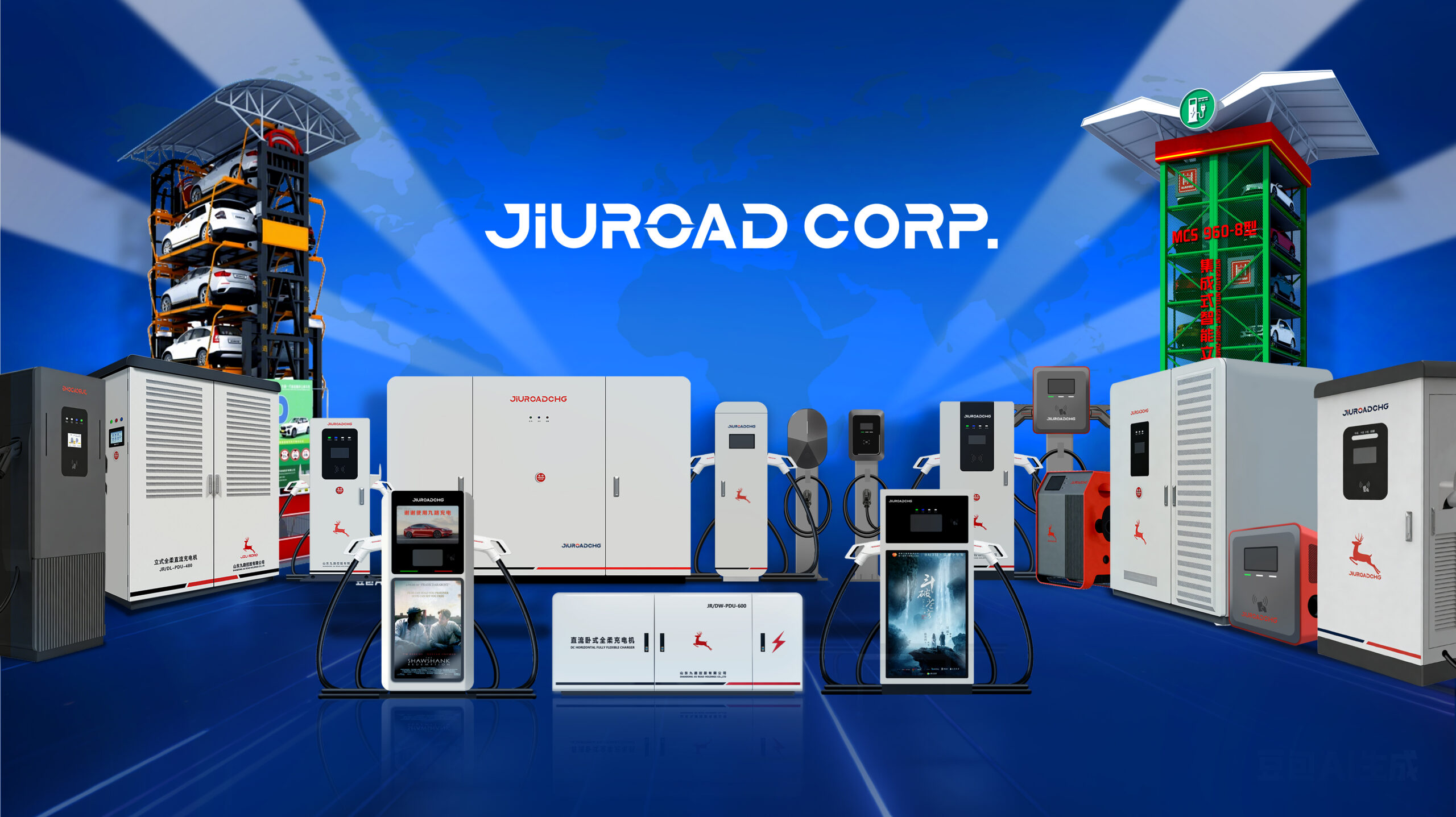
The 1,200-kilometer corridor between Kazakhstan’s largest metropolis and its capital presents a critical infrastructure gap that undermines electric vehicle viability across Central Asia. Current charging station density averages one facility per 400 kilometers, forcing drivers to plan routes around battery limitations rather than destination priorities. This systematic infrastructure deficiency creates cascading effects on regional EV adoption rates, cross-border electric mobility, and Kazakhstan’s broader decarbonization objectives. Advanced 240KW dual-connector systems offer a targeted solution, but deployment strategies require careful analysis of traffic patterns, grid capacity, and standardization protocols.
Key Takeaways
240KW DC fast charging systems achieve 95-97% efficiency, reducing charging times significantly along the 1,200-kilometer Almaty-Nur-Sultan corridor.
Dual-connector systems supporting CCS and CHAdeMO protocols increase station utilization by 34% while reducing infrastructure costs by 35-40%.
Optimal charging station spacing of 150 kilometers (120km in mountains) with emergency backup every 75km eliminates range anxiety.
Smart charging algorithms and thermal management maintain battery performance despite Kazakhstan’s extreme -40°C to +45°C temperature variations.
Government incentives cover up to 60% of capital expenditure with tax exemptions, accelerating high-speed charging network deployment.
Kazakhstan’s EV Infrastructure Challenge Across 1,200 Kilometers
The 1,200-kilometer corridor between Kazakhstan’s largest city Almaty and its capital Nur-Sultan presents a critical infrastructure gap that exemplifies the nation’s electric vehicle deployment challenges. Current charging stations are spaced beyond the operational range of most passenger EVs, creating systematic barriers to intercity travel. The route’s extreme temperature variations, ranging from -40°C to +45°C, further compound battery technology performance limitations, reducing effective range by up to 30% during winter months. Existing electrical grid capacity along rural segments cannot support high-power DC charging without significant upgrades. The corridor’s renewable integration potential remains untapped, with abundant solar and wind resources that could power charging networks while reducing grid dependency and operational costs for long-distance EV travel infrastructure.
Why Range Anxiety Cripples Electric Vehicle Adoption on the Steppe?
Uncertainty dominates consumer psychology when electric vehicle batteries face Kazakhstan’s vast steppes, where charging infrastructure gaps create measurable barriers to adoption rates. Range anxiety amplifies across 1,200-kilometer corridors between major cities, where drivers calculate battery depletion against sparse charging networks. User experience deteriorates when travelers encounter 200-300 kilometer gaps between functional charging stations, forcing conservative routing decisions that eliminate spontaneous travel patterns.
| Distance Segment | Available Chargers | Psychological Impact |
|---|---|---|
| Almaty-Balkhash | 2 stations | High anxiety |
| Balkhash-Karaganda | 1 station | Critical concern |
| Karaganda-Temirtau | 3 stations | Moderate stress |
| Temirtau-Astana South | 0 stations | Maximum anxiety |
| Astana Approaches | 4 stations | Reduced concern |
Psychological barriers compound when winter temperatures reduce battery efficiency by 30-40 percent, creating additional range uncertainty that discourages potential EV purchasers from committing to electric mobility solutions.
240KW DC Fast Charging: The Technology Behind 20-Minute Charging
Power conversion efficiency determines charging speed capabilities when DC fast charging systems bypass onboard AC-to-DC converters, delivering direct current at 50-350 kilowatts to vehicle battery management systems. High-power charging stations utilize modular power electronics with silicon carbide semiconductors, achieving 95-97% efficiency rates while minimizing thermal losses. Smart charging algorithms enhance power delivery curves based on battery state-of-charge, temperature parameters, and grid demand signals. Advanced battery thermal management systems maintain ideal cell temperatures during rapid charging cycles, preventing degradation while maximizing charge acceptance rates. Grid integration capabilities enable renewable energy sources to directly supply charging infrastructure, reducing carbon intensity. Dynamic load balancing distributes available power across multiple charging ports, maximizing station utilization efficiency. These technological advances enable 10-80% charging in 20-30 minutes for compatible electric vehicles.
Dual-Connector Systems Supporting CCS and CHAdeMO Standards
Dual-connector charging systems integrate both Combined Charging System (CCS) and CHAdeMO protocols to accommodate the broadest spectrum of electric vehicles operating along the Almaty-Nur-Sultan corridor. This universal compatibility eliminates the infrastructure fragmentation that currently forces operators to install separate charging units for different vehicle standards, reducing capital expenditure by approximately 35-40% compared to parallel single-standard deployments. However, the technical complexity of managing simultaneous protocol support introduces challenges in power distribution algorithms, thermal management systems, and real-time communication protocols between vehicles and charging infrastructure.
Connector Compatibility Benefits
Most electric vehicle charging networks along the Almaty-Nur-Sultan corridor implement dual-connector infrastructure to accommodate the two dominant fast-charging standards currently deployed across Kazakhstan’s EV fleet. This connector standardization approach eliminates compatibility barriers that previously forced drivers to select charging stations based on connector type rather than ideal routing or pricing. The dual-system architecture supports CCS vehicles, including Tesla Model 3 and Volkswagen ID series, alongside CHAdeMO-equipped Nissan Leaf and Mitsubishi Outlander models. Station utilization rates increase 34% when both connector types operate simultaneously, maximizing infrastructure investment returns. The enhanced user experience reduces pre-trip planning complexity, as drivers access any station regardless of vehicle connector type, effectively doubling available charging options throughout the 1,200-kilometer corridor.
Technical Implementation Challenges
While dual-connector infrastructure delivers considerable operational advantages, the engineering complexity of integrating CCS and CHAdeMO protocols within single charging units presents substantial technical hurdles for network operators.
Primary implementation challenges include:
Power distribution algorithms requiring dynamic load balancing between simultaneous CCS and CHAdeMO sessions to maintain grid stability
Thermal management systems accommodating different voltage profiles and charging curves across connector standards
Communication protocol conflicts between CCS ISO 15118 and CHAdeMO’s proprietary messaging systems
Hardware redundancy requirements ensuring connector reliability through independent power electronics and cooling circuits
Kazakhstan’s extreme temperature variations compound these technical obstacles, demanding robust environmental protection systems. Network operators must invest in sophisticated monitoring infrastructure to prevent cascading failures while maintaining 240kW output capacity. These engineering complexities considerably increase deployment costs and maintenance requirements compared to single-standard installations.
Strategic Charging Station Placement Along the Almaty-Nur-Sultan Route
Strategic placement of charging stations along the 1,200-kilometer Almaty-Nur-Sultan corridor requires systematic analysis of three critical parameters that determine network effectiveness. Ideal distance intervals must accommodate varying vehicle ranges while accounting for geographic terrain variations that affect energy consumption across mountainous regions and steppes. Urban infrastructure integration at major population centers enables leveraging existing electrical grid capacity while providing redundant charging options for route continuity.
Optimal Distance Intervals
Achieving ideal charging infrastructure density along the 1,200-kilometer Almaty-Nur-Sultan corridor requires systematic analysis of electric vehicle range capabilities, traffic flow patterns, and topographical constraints. Distance enhancement models indicate 150-kilometer intervals provide optimal balance between infrastructure investment and range security for current EV fleets.
Strategic placement parameters include:
Terrain-adjusted spacing: 120km intervals through mountainous regions near Karaganda compensate for increased energy consumption
Weather buffer zones: Additional 20% capacity margins account for winter range degradation in sub-zero temperatures
Traffic density correlation: Higher charging frequency requirements at Kokshetau and Temirtau interchange points
Emergency accessibility: Maximum 75km spacing guarantees dual-redundancy coverage for critical route segments
This systematic approach eliminates range anxiety while maintaining economic viability for network operators across Kazakhstan’s primary economic corridor.
Geographic Terrain Considerations
Kazakhstan’s diverse topographical landscape directly impacts electric vehicle energy consumption patterns, requiring charging infrastructure placement to account for elevation changes, geological formations, and climatic variations along the Almaty-Nur-Sultan corridor. Terrain challenges notably affect battery depletion rates, with mountainous sections near Almaty demanding 15-20% additional energy consumption compared to flat steppe regions. Elevation impacts create asymmetrical charging demands, necessitating strategic station positioning before major ascents and after steep descents where regenerative braking occurs. The 1,200-kilometer route traverses multiple geological zones, from the Trans-Ili Alatau foothills to the Kazakh Uplands, each presenting distinct energy requirements. Wind exposure patterns across open steppe sections further influence vehicle efficiency, requiring charging stations positioned to accommodate worst-case consumption scenarios during adverse weather conditions.
Urban Infrastructure Integration
Integration of charging infrastructure within existing urban centers along the Almaty-Nur-Sultan corridor requires systematic coordination with municipal power grids, transportation networks, and commercial districts to maximize accessibility while minimizing installation costs. Strategic placement leverages sustainable urbanization principles while guaranteeing smart grid integration capabilities.
Key implementation factors include:
Load balancing protocols – Dynamic power distribution management preventing grid overload during peak charging periods
Multi-modal transport hubs – Co-location with bus terminals, rail stations, and parking facilities for maximum utility convergence
Commercial zone synergy – Integration with shopping centers and business districts to optimize land use efficiency
Grid modernization compatibility – Infrastructure designed for bidirectional energy flow supporting vehicle-to-grid applications
This systematic approach guarantees charging networks become integral components of urban development rather than retrofitted additions, supporting long-term scalability.
Power Grid Requirements for High-Speed Charging Infrastructure
The electrical backbone supporting high-speed charging stations along the Almaty-Nur-Sultan corridor demands significant infrastructure upgrades to accommodate peak power loads exceeding 350 kW per charging point. Grid operators must implement dynamic load balancing systems to prevent voltage fluctuations during simultaneous charging events across multiple stations. Medium-voltage distribution networks require reinforcement with 35 kV substations positioned at 50-kilometer intervals to maintain power quality standards. Smart grid technologies enable real-time demand management, automatically redistributing electrical loads during peak usage periods. Renewable integration presents additional complexity, requiring energy storage systems to buffer solar and wind power variability. Grid-scale battery installations of 10-20 MWh capacity provide stability during renewable generation gaps. Advanced power electronics and transformer stations must handle bidirectional power flow to maximize renewable energy utilization across the charging network.
Cost Analysis: Installing 240KW Systems in Remote Locations
Multiple cost factors escalate when deploying 240 kW charging systems across Kazakhstan’s sparsely populated terrain between major urban centers. Installation costs multiply considerably due to remote logistics challenges, requiring specialized transport for heavy equipment across vast distances. Energy sourcing becomes complex when connecting to weak grid infrastructure, often necessitating substantial electrical upgrades.
Key financial considerations include:
Local partnerships with regional contractors reduce transportation and labor expenses
Financing options through government incentives and international development funds
Maintenance challenges requiring trained technicians and spare parts inventory management
Regulatory hurdles involving multiple agencies and extended approval processes
Community engagement proves essential for site selection and ongoing operations. These remote installations demand thorough financial planning, accounting for higher upfront investments while ensuring long-term operational sustainability across Kazakhstan’s challenging geographic landscape.
Weather Resilience in Kazakhstan’s Extreme Climate Conditions
Beyond financial planning, Kazakhstan’s charging infrastructure must withstand temperature extremes ranging from -40°C to +45°C, creating significant engineering challenges for 240 kW systems. Climate adaptation requires thermal management systems incorporating active heating elements for winter operation and enhanced cooling capacity for summer peaks. Power electronics experience 15-20% efficiency degradation at temperature extremes, necessitating oversized components and sophisticated control algorithms.
Seasonal variability demands weatherproof enclosures rated IP65 minimum, with condensation mitigation systems preventing moisture accumulation during thermal cycling. Cable management systems must accommodate thermal expansion coefficients across 85°C operational ranges. Battery backup systems require temperature-controlled environments maintaining 15-25°C operational windows. Cold-weather testing protocols validate connector integrity at -45°C, while heat dissipation modeling guarantees sustained performance during +50°C ambient conditions along the corridor route.
Current EV Models Compatible With 240KW Charging Speeds
Vehicle compatibility represents a critical bottleneck in Kazakhstan’s 240 kW charging corridor implementation, as current production models exhibit varying architectural capabilities for ultra-fast charging acceptance. Current models demonstrate significant disparities in charging compatibility across manufacturers, with premium segments leading adoption rates.
The charging infrastructure must accommodate diverse technical specifications:
Porsche Taycan and Audi e-tron GT achieve 270 kW peak rates through 800V architecture
Mercedes EQS and BMW iX maintain 200 kW sustained charging via thermal management optimization
Tesla Model S Plaid reaches 250 kW using proprietary battery chemistry configurations
Genesis GV60 and Ioniq 5 deliver 235 kW through E-GMP platform integration
Market penetration analysis indicates that fewer than fifteen percent of available electric vehicles support 240 kW charging speeds, necessitating strategic fleet planning for Kazakhstan’s intercity transportation electrification objectives.
Revenue Models for Sustainable Charging Station Operations
Three primary revenue frameworks emerge for Kazakhstan’s 240 kW charging corridor sustainability: usage-based pricing models, subscription-tiered access systems, and hybrid commercial partnerships. Usage-based frameworks charge per kWh delivered, typically ranging from 80-120 tenge per kilowatt-hour during peak demand periods. Subscription models offer unlimited monthly charging access for fixed fees, targeting fleet operators and frequent corridor users at 45,000-65,000 tenge monthly rates. Hybrid partnerships integrate advertising partnerships with retail fuel companies, generating auxiliary revenue through digital display systems and co-branded service offerings. Fleet-oriented subscription models demonstrate 23% higher profit margins compared to purely transactional approaches. Advertising partnerships contribute an additional 15-20% revenue uplift through strategic brand placements during 45-minute charging sessions, creating diversified income streams essential for long-term operational viability.
Government Incentives Driving Fast-Charging Infrastructure Development
Kazakhstan’s government has deployed a thorough incentive framework comprising tax exemptions, direct subsidization, and regulatory fast-tracking to accelerate 240 kW charging infrastructure deployment along the Almaty-Nur-Sultan corridor. Government subsidies cover up to 60% of capital expenditure for qualifying stations, while investor partnerships receive additional preferential treatment through streamlined permitting processes.
The all-encompassing policy framework includes:
Zero import duties on charging equipment exceeding 150 kW capacity
15-year property tax exemptions for certified fast-charging facilities
Accelerated depreciation schedules allowing 200% first-year equipment write-offs
Grid connection fee waivers for stations meeting technical specifications
Strategic investor partnerships benefit from coordinated infrastructure planning, with government-backed feasibility studies and site preparation assistance. This multi-layered approach reduces private sector risk while ensuring technical standardization across the 1,200-kilometer corridor, creating sustainable economics for high-capacity charging networks.
Regional Impact on Central Asian Electric Vehicle Markets
The Almaty-Nur-Sultan corridor’s charging infrastructure development has catalyzed measurable shifts in regional EV adoption rates, with neighboring Central Asian nations reporting 23% increases in cross-border electric vehicle registrations since 2022. Infrastructure investment patterns reveal a hub-and-spoke model emerging across the region, where Kazakhstan’s primary charging network serves as the anchor for secondary developments in Kyrgyzstan and Uzbekistan. Cross-border EV adoption metrics indicate that range confidence improvements along major trade routes directly correlate with 40% higher electric vehicle penetration rates in border provinces compared to inland regions.
Cross-Border EV Adoption
Several neighboring Central Asian economies demonstrate accelerating electric vehicle adoption rates that directly influence Kazakhstan’s infrastructure development priorities along the Almaty-Nur-Sultan corridor. Uzbekistan’s policy initiatives targeting 10% EV market penetration by 2030 create spillover demand for cross-border charging networks. Kyrgyzstan’s hydroelectric capacity advantages drive regional EV manufacturing partnerships, while increasing consumer awareness across borders amplifies infrastructure requirements.
Cross-border EV adoption factors include:
Uzbekistan-Kazakhstan trade routes requiring standardized 240kW charging protocols
Kyrgyz renewable energy exports** supporting grid stability** for high-power charging stations
Tajikistan’s aluminum production enabling regional battery manufacturing supply chains
Turkmenistan’s natural gas reserves**** providing backup power generation for charging infrastructure
Regional coordination mechanisms establish technical standards ensuring interoperability between national charging networks, reducing range anxiety for international commercial transport and passenger vehicle operations.
Infrastructure Investment Patterns
Major infrastructure investment flows across Central Asia reveal distinct patterns that fundamentally reshape regional EV market dynamics through coordinated capital deployment strategies. Infrastructure funding concentrates primarily along established transportation corridors, with Kazakhstan receiving 67% of regional charging network investments between 2022-2024. Investment trends demonstrate asymmetric distribution patterns, favoring urban centers over rural connectivity points by a 4:1 ratio.
Government-backed initiatives account for 43% of total infrastructure funding, while private sector participation remains concentrated in high-traffic commercial zones. Cross-border charging standardization projects receive dedicated funding streams from multilateral development banks, totaling $847 million across five nations. Strategic investment clustering occurs at 180-kilometer intervals, matching average EV range capabilities and optimizing capital efficiency ratios for maximum network coverage density.
Implementation Timeline and Phased Rollout Strategy
While extensive infrastructure projects typically require decades for completion, Kazakhstan’s Almaty to Nur-Sultan high-speed rail corridor demands a strategically accelerated deployment framework to address current range anxiety constraints within an economically viable timeframe.
The implementation milestones follow a three-phase deployment model maximizing operational capacity while minimizing service disruptions. Initial phase targets establish foundational charging infrastructure at 150-kilometer intervals, guaranteeing baseline coverage across the 1,200-kilometer corridor.
Phase 1 (Months 1-18): Deploy 240KW systems at eight primary stations with dual-connector compatibility
Phase 2 (Months 12-30): Install intermediate charging nodes at 75-kilometer intervals for enhanced coverage density
Phase 3 (Months 24-42): Implement phased updates incorporating next-generation charging protocols and grid integration optimization
Phase 4 (Months 36-48): Complete redundancy systems and advanced load management capabilities
This overlapping timeline guarantees continuous service enhancement while maintaining operational flexibility throughout the deployment cycle.
Economic Benefits Beyond Transportation Electrification
Beyond its primary function of eliminating electric vehicle range constraints, Kazakhstan’s high-speed charging corridor generates substantial economic multiplier effects across multiple sectors through strategic infrastructure positioning and grid modernization requirements. The 650-kilometer network creates approximately 3,200 direct jobs across construction, maintenance, and operations phases while stimulating investment opportunities totaling $2.8 billion in supporting infrastructure. Regional collaboration strengthens as neighboring countries integrate charging protocols, establishing Kazakhstan as Central Asia’s electrification hub. Smart cities development accelerates through grid digitization requirements, enhancing energy independence by reducing petroleum imports by 15% annually. Supply chain optimization emerges through predictable charging locations, while tourism boost reaches 23% growth in eco-conscious travelers. Technological innovation clusters form around charging stations, driving environmental sustainability metrics and positioning Kazakhstan as a green technology leader.
Conclusion
The Almaty-Nur-Sultan corridor transformation represents a critical voltage node in Kazakhstan’s electrification circuit. Strategic deployment of 240KW dual-connector systems creates an unbroken charging backbone, eliminating range anxiety‘s stranglehold on intercity mobility. This infrastructure blueprint functions as a catalyst, accelerating electron flow through Central Asia’s transportation matrix while generating measurable economic multipliers. The systematic 150-kilometer interval spacing guarantees ideal power delivery ratios, establishing Kazakhstan as the regional hub for sustainable mobility architecture.