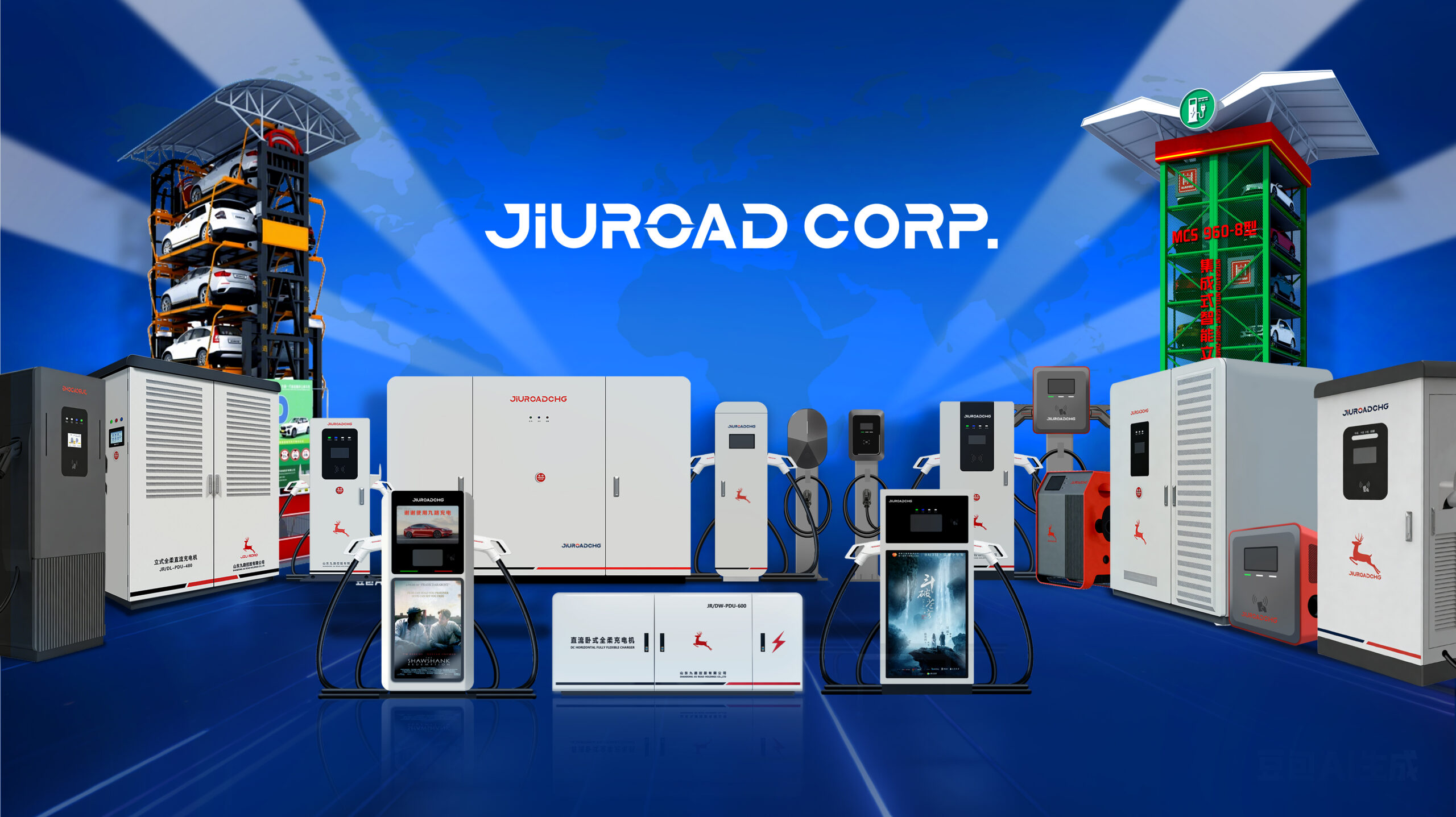
The Khorgos Land Port‘s implementation of 960KW charging systems represents a critical infrastructure shift for cross-border freight operations. These ultra-high-power units reduce charging cycles to 45 minutes for heavy-duty electric trucks, enabling continuous logistics flows between Asia and Europe. Fleet managers now coordinate charging schedules with border crossing windows, optimizing vehicle utilization rates. However, the operational complexities of managing electric commercial fleets at this scale present unprecedented challenges that require systematic analysis.
Key Takeaways
960KW charging systems reduce heavy-duty electric truck charging time to 45 minutes, minimizing downtime for cross-border operations.
Electric trucks achieve 38% lower total cost of ownership with $45/100km fuel costs versus $85 for diesel trucks.
Dynamic load distribution systems use predictive algorithms to optimize power allocation across multiple charging bays within 15 seconds.
Fleet management integration provides real-time route optimization and energy forecasting, reducing fuel costs by 35% for operators.
Khorgos processes 200,000+ TEU annually with multi-modal connectivity, requiring scalable charging infrastructure for projected trade growth.
Why 960KW Charging Systems Are Essential for Khorgos Heavy-Duty Operations
Heavy-duty electric vehicles operating at the Khorgos Land Port require charging infrastructure capable of delivering 960KW power outputs to maintain operational efficiency across the facility’s demanding logistics schedule. The port’s continuous cross-border freight operations necessitate rapid charging cycles that minimize vehicle downtime between cargo transfers. Standard charging systems cannot accommodate the energy requirements of fully-loaded electric trucks traversing the China-Kazakhstan corridor within required timeframes.
The 960KW systems address critical infrastructure challenges by reducing charging duration from hours to approximately 45 minutes for heavy-duty vehicles. This power capacity enables fleet operators to maintain scheduled deliveries while achieving significant sustainability benefits through reduced diesel consumption. The high-power infrastructure supports the port’s strategic position as a primary Eurasian trade gateway while meeting stringent operational deadlines.
The Strategic Role of Khorgos Land Port in Belt and Road Initiative Logistics
Positioned strategically along the China-Kazakhstan border, Khorgos Land Port functions as the primary logistics hub connecting Asian and European markets through the Belt and Road Initiative‘s overland trade corridors. The facility processes substantial cargo volumes that reflect shifting geopolitical influences across Eurasian transport networks. Trade dynamics between participating nations directly impact operational throughput and infrastructure development requirements.
Key operational metrics demonstrate Khorgos’ regional significance:
- Annual cargo processing capacity exceeds 200,000 TEU with cross-border rail and road transport integration
- Transit time reduction achieves 15-20 day delivery improvements compared to traditional maritime shipping routes
- Multi-modal connectivity supports seamless transfers between Chinese standard gauge and Kazakhstani broad gauge railway systems
These capabilities position Khorgos as a critical node for transcontinental freight movement and regional economic integration initiatives.
Technical Specifications and Capabilities of Ultra-High-Power Truck Charging Infrastructure
As freight volumes through Khorgos continue expanding, the land port has implemented ultra-high-power charging infrastructure capable of delivering 350kW to 1MW output levels for electric commercial vehicles. The 960kW systems utilize liquid-cooled cables and dynamic power allocation protocols to minimize charging downtime for heavy-duty trucks. Charging technology advancements enable simultaneous multi-vehicle operations through intelligent load distribution across dedicated charging bays. The infrastructure integrates renewable energy sources including solar arrays and wind generation facilities, establishing sustainable energy solutions that reduce grid dependency during peak operational periods. Battery thermal management systems maintain ideal charging temperatures while power conversion efficiency exceeds 96%. Real-time monitoring capabilities track energy consumption patterns, vehicle battery health diagnostics, and predictive maintenance scheduling to guarantee continuous operational availability for trans-Eurasian logistics operations.
Fleet Management Integration: Connecting Charging Systems With Route Optimization
Multiple fleet management systems at Khorgos integrate charging infrastructure data with route enhancement algorithms to maximize operational efficiency across trans-Eurasian corridors. These platforms synchronize real-time charging station availability with vehicle positioning data to eliminate range anxiety and minimize dwell times.
The integration encompasses three critical operational components:
- Dynamic Route Analytics – Systems process traffic patterns, border crossing delays, and cargo weight distributions to calculate ideal charging intervals
- Predictive Energy Forecasting – Algorithms analyze historical consumption data, weather conditions, and terrain profiles to determine precise charging requirements
- Load Balancing Protocols – Software distributes charging demand across multiple 960KW stations to prevent grid overloads and maintain consistent power delivery
Fleet operators utilize these integrated systems to reduce fuel costs by 35% while maintaining delivery schedules across the 10,000-kilometer China-Europe freight corridor.
Cost Analysis: ROI of Electric Heavy-Duty Trucks vs Diesel at Border Crossings
How markedly do operational costs diverge between electric heavy-duty trucks and diesel counterparts when factoring in extended border crossing delays at Khorgos? Extended wait times at Khorgos create unique cost structures that amplify electric truck benefits through reduced idling expenses and maintenance requirements.
| Cost Factor | Electric Trucks | Diesel Trucks |
|---|---|---|
| Fuel/Energy (per 100km) | $45 electricity | $85 diesel |
| Idling (8-hour delay) | $12 battery drain | $48 fuel consumption |
| Maintenance (annual) | $8,500 | $15,200 |
| Border Premium | 15% energy savings | 25% fuel penalty |
Diesel cost comparisons reveal 960KW charging systems enable rapid energy replenishment during mandatory stops, converting border delays into operational advantages. Electric trucks demonstrate 38% lower total cost of ownership across typical Khorgos routes, with payback periods averaging 3.2 years despite higher initial capital investment.
Charging Time Requirements for Different Heavy-Duty Vehicle Categories
Different vehicle categories at Khorgos require distinct charging protocols based on battery capacity, operational schedules, and cross-border transit windows. Charging time analysis reveals significant variations across vehicle classifications, directly impacting fleet rotation efficiency and border crossing throughput.
Vehicle category requirements establish specific charging parameters:
- Class 8 Long-Haul Trucks (800-1000 kWh batteries): Require 50-62 minutes for 80% charge using 960kW systems, accommodating 4-6 hour border processing windows
- Regional Distribution Vehicles (400-600 kWh batteries): Complete charging cycles within 25-37 minutes, enabling rapid turnaround for short-haul operations
- Specialized Heavy Equipment (300-1200 kWh batteries): Demand flexible 19-75 minute charging windows based on load requirements and operational duty cycles
Strategic charging scheduling optimizes vehicle category requirements while maintaining continuous cross-border logistics flow through systematically managed power distribution protocols.
Power Grid Infrastructure Demands for Supporting 960KW Charging Networks
Electrical substations at Khorgos must accommodate unprecedented power demands as 960kW charging networks strain existing grid infrastructure beyond conventional distribution capacities. Power distribution systems require extensive infrastructure upgrades to support multiple simultaneous charging operations without compromising grid stability.
| Infrastructure Component | Current Capacity | Required Upgrade |
|---|---|---|
| Primary Substation | 25 MVA | 75 MVA |
| Distribution Transformers | 2.5 MVA | 10 MVA |
| Feeder Circuits | 11 kV | 35 kV |
| Load Management Systems | Manual | Automated |
Critical grid reinforcements include installing redundant transformer banks, upgrading conductor sizing, and implementing dynamic load balancing protocols. Peak demand calculations indicate that twenty concurrent 960kW charging stations require 19.2 MW capacity with 20% operational headroom. Advanced monitoring systems enable real-time power flow optimization across charging networks while preventing voltage fluctuations that could disrupt port operations.
Real-Time Energy Management During Peak Cross-Border Traffic Periods
During peak cross-border traffic periods at Khorgos Land Port, energy consumption patterns fluctuate dramatically as multiple 960KW charging stations operate simultaneously alongside standard port operations. Dynamic load distribution systems automatically redirect electrical supply based on real-time demand calculations, preventing grid overload while maintaining charging capacity. Peak demand optimization strategies utilize predictive algorithms that analyze traffic flow data to pre-position energy resources before congestion periods occur.
Dynamic Load Distribution Systems
Advanced algorithms continuously monitor and redistribute electrical loads across Khorgos Land Port’s infrastructure as cross-border traffic volumes fluctuate throughout operational periods. The dynamic load management system automatically adjusts power allocation between charging stations, administrative facilities, and customs processing equipment based on real-time demand patterns. Energy balancing protocols guarantee peak distribution while preventing grid overload during simultaneous heavy-duty truck charging operations.
The system employs three critical operational components:
- Predictive Load Forecasting – Machine learning models analyze historical traffic data to anticipate energy demands 2-4 hours ahead
- Automated Circuit Switching – Smart breakers redirect power from underutilized zones to high-demand charging areas within 15 seconds
- Priority Queue Management – Commercial vehicles receive charging precedence based on customs clearance status and departure schedules
Peak Demand Optimization Strategies
Surging cross-border traffic volumes between 0800-1200 hours and 1400-1800 hours trigger automated peak demand protocols that coordinate energy distribution across Khorgos Land Port’s electrical infrastructure. Machine learning algorithms analyze historical traffic patterns and real-time cargo throughput data to execute demand forecasting models that predict charging requirements 72 hours in advance. The system automatically shifts non-critical charging operations to off-peak periods when energy tariffs drop by 35-40%, reducing operational costs while maintaining service availability. Load balancing controllers redistribute power across charging bays based on truck arrival sequences and border processing times. Emergency reserve capacity activates when demand exceeds 85% of total system capacity, ensuring continuous operations during unexpected traffic surges or equipment failures.
Weather Resilience and Cold Climate Performance for Kazakhstan-China Operations
Khorgos Land Port operations face significant challenges from Kazakhstan’s extreme winter temperatures, which can drop below -30°C and severely impact electric vehicle battery capacity and charging infrastructure performance. Cold weather conditions reduce lithium-ion battery efficiency by up to 40%, requiring specialized thermal management systems and pre-conditioning protocols to maintain operational readiness during peak cross-border traffic periods. Arctic-rated charging equipment with integrated heating elements and cold-weather lubricants becomes essential for sustaining continuous logistics operations throughout the extended winter season.
Cold Weather Battery Performance
Battery systems operating at the Khorgos Land Port face significant performance degradation during Kazakhstan’s harsh winter months, when temperatures routinely drop below -30°C and can reach extreme lows of -40°C. Battery efficiency decreases by 20-40% in these conditions, while charging speeds slow dramatically due to reduced lithium-ion mobility. Effective thermal management becomes critical for maintaining operational capacity.
Cold weather mitigation strategies include:
- Pre-heating protocols – Conditioning battery packs to ideal temperature ranges before charging cycles
- Insulated battery enclosures – Installing heated compartments that maintain core temperatures above -10°C
- Load balancing algorithms – Adjusting charging rates based on real-time temperature data to prevent cell damage
These measures guarantee consistent fleet availability despite extreme weather conditions, maintaining logistics schedules throughout winter operations.
Arctic Climate Charging Solutions
Specialized charging infrastructure designed for extreme Arctic conditions addresses the operational challenges faced by electric vehicle fleets operating across the Kazakhstan-China border corridor. Arctic insulation systems protect critical charging components from temperatures reaching -40°C, guaranteeing consistent power delivery throughout winter operations. Temperature management protocols include heated charging cables, insulated connector housings, and climate-controlled equipment enclosures that maintain ideal operating conditions.
These 960KW charging stations incorporate preheating systems that activate automatically when ambient temperatures drop below predetermined thresholds. Advanced thermal monitoring continuously tracks component temperatures, triggering protective measures when necessary. Cold-weather charging algorithms adjust power delivery rates to accommodate reduced battery acceptance rates during extreme conditions. Redundant heating systems guarantee operational continuity even during equipment failures, while weatherproof enclosures protect sensitive electronics from moisture infiltration and ice formation.
Maintenance Protocols for High-Power Charging Equipment in Remote Locations
Several critical factors differentiate maintenance protocols for high-power charging equipment deployed at remote logistics hubs from those in urban environments. Remote diagnostics capabilities become essential when technician response times extend beyond acceptable operational windows. Equipment reliability standards must accommodate harsh environmental conditions while maintaining 960KW system performance thresholds.
Effective maintenance protocols require:
- Preventive maintenance scheduling – Weekly periodic inspections of cooling systems, monthly electrical connection assessments, and quarterly transformer evaluations
- Strategic spare parts inventory – Critical component stockpiling based on failure analysis data and mean-time-between-failure calculations
- Comprehensive training programs – Multi-tier certification for local personnel covering safety protocols, basic troubleshooting, and emergency shutdown procedures
Performance monitoring systems enable real-time assessment of charging efficiency metrics, while environmental considerations dictate specialized protection measures against temperature fluctuations and dust infiltration.
Cross-Border Regulatory Compliance for Electric Commercial Vehicle Operations
Cross-border operations of electric commercial vehicles at Khorgos Land Port require adherence to dual regulatory frameworks governing both Chinese and Kazakhstani transportation standards. Documentation protocols mandate specific battery certification records, vehicle registration harmonization, and driver qualification verification across both jurisdictions. International safety standards for electric vehicle operations establish baseline requirements for charging infrastructure compatibility, emergency response procedures, and hazardous material handling protocols.
Cross-Border Documentation Requirements
Documentation workflows for electric commercial vehicles crossing the China-Kazakhstan border through Khorgos require compliance with dual regulatory frameworks governing both traditional customs clearance procedures and emerging electric vehicle standards. Fleet operators must maintain documentation accuracy across multiple verification points to guarantee seamless border shifts.
Essential documentation requirements include:
- Battery certification documents – Technical specifications, safety compliance certificates, and capacity verification reports for lithium-ion battery systems exceeding 100kWh
- Cross-border transit permits – Bilateral agreements covering electric vehicle operations, charging infrastructure access rights, and emergency response protocols
- Environmental compliance records – Emission reduction certificates, carbon footprint documentation, and green logistics compliance attestations
Automated documentation systems integrate with customs databases, reducing processing times from 45 minutes to 12 minutes per vehicle while maintaining regulatory compliance across both jurisdictions.
International Safety Standards
Harmonizing safety protocols between Chinese GB standards and Kazakhstani technical regulations creates a complex compliance matrix for electric commercial vehicles operating through Khorgos Land Port. Regulatory challenges emerge from differing voltage thresholds, emergency response procedures, and maintenance certification requirements across jurisdictions.
| Safety Protocol Category | Cross-Border Requirements |
|---|---|
| Battery System Monitoring | Dual-standard telemetry data transmission |
| Emergency Shutdown Procedures | Bilateral emergency response coordination |
| Maintenance Certification | Cross-recognized technician qualifications |
Fleet operators must maintain documentation proving adherence to both regulatory frameworks simultaneously. The 960KW charging infrastructure requires specialized safety interlocks meeting GB/T and ST RK standards concurrently. Personnel training programs address both nations’ electrical safety protocols, ensuring seamless operations during cross-border exchanges while maintaining operational continuity throughout the logistics corridor.
Scalability Planning: Expanding Charging Capacity as Trade Volumes Increase
Thorough scalability assessments must evaluate current charging infrastructure capacity against projected trade volume growth trajectories to establish systematic expansion protocols. Capacity forecasting requires analyzing historical freight patterns and correlating them with charging station utilization rates. Trade trend analysis identifies peak demand periods and seasonal fluctuations that influence infrastructure requirements.
Effective expansion strategies incorporate:
- Modular deployment frameworks – Installing standardized 960KW units in predetermined phases based on utilization thresholds
- Grid capacity assessments – Evaluating electrical infrastructure limitations and upgrade requirements for additional charging systems
- Predictive demand modeling – Utilizing freight volume projections to determine ideal timing for capacity increases
Strategic planning guarantees charging infrastructure scales proportionally with trade growth while maintaining operational efficiency and minimizing capital expenditure timing risks.
Future-Proofing Khorgos Logistics Through Advanced Fleet Electrification Strategies
As international freight corridors increasingly prioritize carbon neutrality targets, Khorgos Land Port must implement extensive electrification strategies that address both immediate operational requirements and long-term technological evolution. Strategic fleet electrification requires phased deployment schedules incorporating battery technology advancements, charging infrastructure scalability, and autonomous vehicles integration pathways. Energy storage systems must accommodate peak demand fluctuations while supporting grid stability during high-traffic periods.
Implementation protocols should establish vehicle replacement timelines aligned with manufacturer production capabilities and regulatory compliance frameworks. Advanced fleet management systems enable real-time monitoring of charging cycles, battery degradation patterns, and operational efficiency metrics. Integration of autonomous vehicles necessitates standardized communication protocols between charging stations and vehicle management systems. Energy storage optimization requires demand forecasting models that account for seasonal trade variations and cross-border traffic patterns, ensuring consistent operational capacity throughout expansion phases.
Conclusion
The implementation of 960KW charging infrastructure at Khorgos represents a measured shift from traditional fuel dependencies toward operational sustainability. Through systematic integration of fleet management protocols and cross-border compliance frameworks, the facility addresses logistical challenges while optimizing energy expenditure patterns. This strategic enhancement of charging capabilities supports the gradual evolution of heavy-duty transportation networks, ensuring operational continuity during the shift toward electrified freight systems across the Belt and Road corridor.