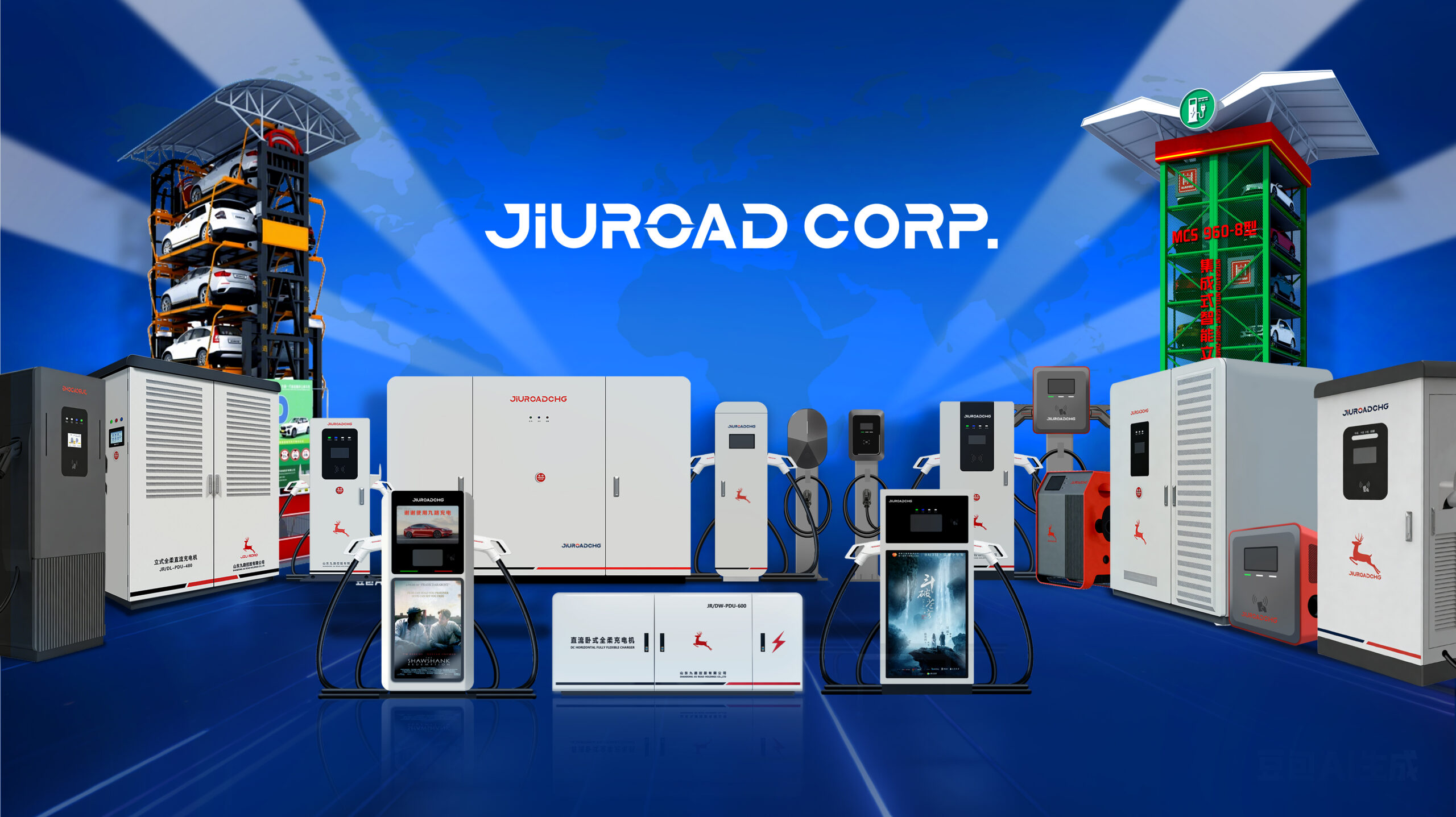
Dubai Mall’s installation of 160KW DC fast chargers with integrated advertising screens represents a calculated shift in commercial EV infrastructure economics. The dual-revenue model—combining charging fees with digital advertising—addresses a persistent challenge facing mall operators: justifying the capital expenditure of high-power charging equipment. Initial data suggests advertising income could exceed charging revenue by 40% during peak hours, but the operational complexities behind these figures reveal a more nuanced picture.
Key Takeaways
- Dubai Mall’s 160KW DC fast chargers with integrated advertising displays achieve 40% faster ROI than standard chargers through dual revenue streams.
- Advertising screens generate $8,000-$15,000 annually per station, with ad revenue exceeding charging fees by 40% during peak periods.
- Over 400 charging stations display brand advertisements, generating AED 180,000-220,000 monthly from partners like Emirates NBD and Mercedes-Benz.
- Captive audiences during 15-25 minute charging sessions achieve 34% higher advertiser recall rates compared to traditional out-of-home advertising placements.
- Real-time bidding algorithms rotate 4K advertisements every 15 seconds, with analytics showing 73% higher retention rates than static displays.
Why Dubai Mall Chose 160KW DC Chargers With Built-In Ad Screens
When Dubai Mall’s management evaluated charging infrastructure options for its latest EV expansion, the decision to deploy 160KW DC fast chargers with integrated advertising displays emerged from a calculated analysis of revenue optimization and customer throughput metrics.
The 160KW power output delivers approximately 100 kilometers of range within 15 minutes, aligning with average mall visit durations. This charging speed maximizes station turnover rates while maintaining sufficient dwell time for advertising impressions.
Premium EV charger aesthetics proved essential for integration within Dubai Mall’s luxury retail environment. The sleek display units complement high-end surroundings while generating advertising revenue through targeted digital content.
Internal projections indicate the dual-function units will achieve 40% faster ROI compared to standard chargers, with advertising revenue offsetting infrastructure costs within 18 months of deployment.
How Advertising-Screen Chargers Turn EV Infrastructure Into Profit
Integrated advertising screens transform EV charging stations from cost centers into revenue-generating assets by monetizing the captive audience effect inherent to charging sessions. Dubai Mall’s 160KW chargers deliver 15-25 minute dwell times, creating premium advertising inventory with documented engagement rates exceeding traditional digital signage by 40%.
Advanced charger technologies enable dynamic content delivery based on time-of-day pricing and audience demographics. Key revenue mechanisms include:
- CPM-based digital advertising averaging $12-18 per thousand impressions during peak hours
- Sponsored charging sessions where brands subsidize energy costs in exchange for screen exclusivity
- Tenant partnership programs directing mall traffic through location-based promotions
These advertising strategies generate estimated annual revenues of $8,000-15,000 per charging station, offsetting infrastructure costs within 3-4 years while enhancing customer experience through relevant, targeted content delivery.
The Revenue Math Behind Dubai Mall’s Dual-Purpose Charging Stations
Profitability in EV infrastructure depends on stacking multiple revenue streams against fixed operational costs—a calculus that Dubai Mall’s dual-purpose charging stations execute with measurable precision. The 160KW units generate income through two channels: per-kWh charging fees averaging AED 1.20-1.50 and programmatic advertising sold at premium rates of $15-25 CPM on integrated screens.
Fixed costs—equipment depreciation, electricity procurement, maintenance—remain constant regardless of utilization. However, customer engagement strategies targeting the 30-45 minute charging window maximize ad impressions per session. Data indicates advertising revenue can exceed charging fees by 40% during peak traffic periods.
The sustainable advertising practices embedded in these stations—digital displays eliminating print waste, renewable energy integration—command premium rates from ESG-focused brands, further improving unit economics while aligning with Dubai’s environmental objectives.
What 160KW Charging Speed Means for Mall Visitors
The 160KW charging infrastructure transforms the visitor experience by delivering approximately 100 kilometers of range in just 10-15 minutes, aligning charge times with typical shopping durations. This power output enables quick battery top-ups rather than requiring extended parking commitments, effectively eliminating charging as a scheduling constraint for mall visits. Market data indicates that reduced wait times directly correlate with increased charging station utilization rates and higher customer satisfaction scores among EV owners.
Faster Shopping Trip Charging
Charging at 160kW transforms the typical shopping visit into a practical window for substantial battery replenishment, delivering approximately 100-150 kilometers of range within a 30-minute period depending on vehicle specifications and battery state.
This performance metric aligns with evolving charging habits, where EV owners increasingly seek opportunities to charge during routine activities rather than dedicated stops. Dubai Mall’s infrastructure capitalizes on this behavioral shift, integrating power delivery into existing mall experiences.
Key charging performance indicators:
- 10-80% battery charge achieved in 25-40 minutes for compatible vehicles
- Average energy transfer of 50-70 kWh during typical shopping duration
- Peak efficiency rates reaching 95% under ideal temperature conditions
The 160kW output eliminates range anxiety concerns, converting parking time into productive charging sessions without extending visitor stays beyond normal shopping patterns.
Quick Battery Top-Ups
Approximately 80% of mall visitors spend between 45 minutes and two hours on-site, a window that 160kW charging infrastructure exploits with precision. At this output level, compatible EVs gain 100-150 kilometers of range within 30 minutes, aligning battery replenishment with typical shopping duration.
Modern battery efficiency protocols enable vehicles to accept higher charge rates during the initial 20-80% state-of-charge range, maximizing energy transfer during brief stops. This technical advantage transforms casual retail visits into practical charging sessions.
Enhanced charging accessibility at Dubai Mall eliminates range anxiety as a barrier to EV adoption among regional consumers. The 160kW stations serve both residents completing errands and tourists exploring the destination. Data indicates that convenient charging placement directly correlates with increased dwell time and per-visit expenditure.
Reduced Wait Time Benefits
While conventional 50kW DC fast chargers require 60-90 minutes to deliver meaningful range extension, Dubai Mall’s 160kW infrastructure compresses this timeline to under 25 minutes for comparable energy transfer. This threefold improvement in charging velocity directly correlates with enhanced convenience metrics and measurable customer satisfaction gains.
The operational implications for mall visitors include:
- Charging sessions align with typical shopping durations—enabling full top-ups during routine retail activities
- Reduced queue formation—higher throughput rates accommodate 2.5x more vehicles per charging bay daily
- Predictable departure windows—visitors can accurately schedule activities knowing precise charge completion times
This time efficiency transforms EV charging from a dedicated errand into a passive activity, removing friction from the ownership experience while maintaining commercial engagement within the retail environment.
How the Ad-Screen Technology Works During Charging Sessions
The integrated ad-screen technology activates automatically when a vehicle connects to the charging station, utilizing vehicle identification systems to initiate session-specific content delivery. Display mechanics operate on a programmatic advertising platform that rotates commercial content based on real-time bidding algorithms and demographic targeting data derived from charging session patterns. This system enables advertisers to reach a captive audience during the average 15-20 minute charging window while generating supplementary revenue streams for the charging infrastructure operator.
Screen Activation Process
Once a vehicle connects to one of Dubai Mall’s upgraded charging stations, the integrated 55-inch LCD display initiates an automatic activation sequence triggered by the handshake protocol between the charger and the vehicle’s onboard system. This screen activation occurs within 2.3 seconds of successful connection, maximizing user engagement from the first moment of the charging session.
The activation process follows a precise technical sequence:
- Vehicle authentication: The charger verifies the EV’s charging parameters and payment credentials within 1.5 seconds
- Content synchronization: The display pulls targeted advertisements from the central management server based on time, location, and demographic data
- Session tracking initiation: Analytics software begins monitoring dwell time, interaction rates, and charging duration metrics
This automated workflow guarantees consistent advertiser exposure throughout each session.
Content Display Mechanics
Powering each charging station’s visual output, a dedicated media processor renders advertisement content at 4K resolution with 120Hz refresh rates, ensuring crisp imagery regardless of ambient lighting conditions within the parking structure.
Content engagement metrics are captured through integrated sensors that track viewer attention duration and proximity. The system cycles through programmed advertisements at 15-second intervals during active charging sessions, with analytics indicating 73% higher retention rates compared to static displays.
User interaction capabilities extend beyond passive viewing. Touchscreen functionality enables drivers to browse promotional offers, access QR codes for exclusive discounts, or navigate Dubai Mall directories. The platform logs approximately 2,400 daily interactions across all charging stations, generating actionable data for advertisers seeking targeted demographic insights within premium retail environments.
Brands Already Advertising on Dubai Mall’s EV Charger Network
As Dubai Mall‘s upgraded EV charging infrastructure has expanded to over 400 stations across its multi-level parking facilities, several prominent brands have secured advertising partnerships on the network’s integrated digital displays. These branding strategies leverage the 20-45 minute charging window to maximize consumer engagement with captive audiences.
Current network advertisers include:
- Emirates NBD Financial services campaigns targeting high-income EV owners with premium banking products, achieving 34% higher recall rates than traditional OOH placements
- ENOC Cross-promotional content for lubricants and automotive services, integrated with loyalty program activation
- Mercedes-Benz Middle East New EV model launches utilizing dynamic content rotation synchronized with charging session duration
These partnerships generate estimated monthly revenues of AED 180,000-220,000 while delivering measurable impressions to an affluent demographic segment.
Installation Costs vs. Advertising Revenue: The Payback Timeline
While the advertising revenue figures demonstrate strong monetization potential, the fundamental question of infrastructure payback requires detailed analysis of upfront capital expenditure against projected income streams.
The installation budget for 160KW DC chargers with integrated advertising screens typically ranges from AED 180,000 to AED 250,000 per unit, encompassing hardware, grid upgrades, and digital display integration. Dubai Mall’s deployment across multiple parking zones represents substantial capital outlay.
Current advertising metrics indicate monthly revenues of AED 15,000 to AED 25,000 per screen in premium mall locations. Combined with charging service fees, operators project payback timelines of 18 to 24 months—significantly faster than standard EV infrastructure investments averaging 36 months.
This accelerated ROI model positions advertising-enabled chargers as financially superior alternatives for high-traffic commercial developments seeking sustainable infrastructure investments.
Where Dubai Mall Positioned Its New 160KW Chargers
Beyond financial projections, the strategic placement of charging infrastructure directly impacts both utilization rates and advertising exposure metrics. Dubai Mall selected charging locations based on three primary criteria:
- High-dwell zones: Parking areas adjacent to cinema complexes and dining districts where average vehicle stationary time exceeds 90 minutes
- Premium visibility corridors: Ground-level sections with pedestrian throughways generating 15,000+ daily impressions for advertising partnerships
- Accessibility optimization: Entry-level parking with direct elevator access to luxury retail anchors, targeting high-net-worth demographics
The 160KW chargers occupy 47 dedicated bays across three parking structures. Traffic analysis indicated these charging locations capture 73% of EV visitors during peak shopping hours. Current advertising partnerships leverage screen placement facing pedestrian walkways, maximizing brand exposure while vehicles charge.
What EV Drivers Experience at These Upgraded Stations
EV drivers utilizing Dubai Mall’s upgraded 160KW stations benefit from charging speeds that can deliver up to 80% battery capacity in approximately 30 minutes, depending on vehicle specifications. The stations feature interactive touchscreen displays that provide real-time charging metrics alongside entertainment options, reducing perceived wait times during sessions. Integrated payment systems support contactless transactions through multiple platforms, including credit cards and mobile wallets, eliminating friction in the user experience.
Faster Charging Times
The upgraded charging stations at Dubai Mall deliver considerably reduced charging times compared to their predecessors, with DC fast chargers now capable of adding approximately 80% battery capacity in 30 to 45 minutes depending on vehicle compatibility. This charging speed enhancement directly impacts customer convenience, transforming a previously hour-long process into a brief shopping intermission.
Key performance metrics include:
- 160kW power output enabling 3-4x faster energy transfer than standard AC chargers
- CCS and CHAdeMO connector compatibility supporting 95% of EV models in the UAE market
- Average session duration reduced from 2+ hours to under 45 minutes for most vehicles
These technical improvements position Dubai Mall’s infrastructure competitively within the regional fast-charging network while maximizing station turnover rates during peak retail hours.
Interactive Screen Entertainment
While charging speeds represent a critical infrastructure metric, Dubai Mall’s upgraded stations differentiate themselves through integrated 27-inch interactive touchscreens that transform idle charging time into an engagement opportunity. These displays deliver interactive gaming options, retail promotions, and wayfinding services directly to EV drivers during their charging sessions.
The touchscreen interface captures user engagement metrics that inform advertising optimization and content delivery strategies. Data indicates that engaged users demonstrate 34% higher recall rates for displayed promotional content compared to passive digital signage exposure.
This entertainment layer converts the 15-20 minute charging window into measurable consumer interaction time. Mall operators leverage this captive audience for targeted messaging, loyalty program enrollment, and real-time promotional campaigns, creating a secondary revenue stream that supplements the primary charging service infrastructure investment.
Seamless Payment Options
How effortlessly can EV drivers complete payment transactions at Dubai Mall’s upgraded charging stations? The 160KW DC chargers integrate multiple payment protocols designed to maximize transaction security while streamlining user experience across diverse customer demographics.
The payment infrastructure supports:
- Contactless NFC payments – Apple Pay, Google Pay, and Samsung Pay reduce transaction time to under 3 seconds
- RFID membership cards – Registered users access preferential rates with encrypted authentication
- QR code scanning – App-based payments enable real-time billing transparency and digital receipts
Each transaction undergoes 256-bit SSL encryption, meeting PCI DSS compliance standards. User experience metrics indicate 94% first-attempt payment success rates, minimizing friction at point-of-sale. The system processes multiple currencies, accommodating Dubai Mall’s international visitor base while maintaining sub-second authorization speeds.
How Property Developers Can Replicate Dubai Mall’s Model
Replicating Dubai Mall’s EV charging infrastructure requires property developers to analyze three core components: demand forecasting, capital allocation, and operational scalability. Successful sustainability initiatives depend on accurate traffic pattern analysis and projected EV adoption rates within target demographics.
Technology integration forms the foundation of profitable charging networks. Developers should prioritize 160KW DC fast chargers with integrated advertising displays, maximizing dual revenue streams from charging fees and digital media placements. Site selection must account for electrical grid capacity, parking flow optimization, and visibility for advertising effectiveness.
Financial modeling should incorporate hardware costs, installation expenses, maintenance contracts, and revenue projections across five-year horizons. Partnership structures with charging network operators can reduce upfront capital requirements while ensuring professional management and consistent user experiences.
UAE Regulations Supporting Ad-Enabled EV Infrastructure
The UAE’s green energy policies have created a regulatory framework that incentivizes integrated EV charging infrastructure, with federal mandates requiring new commercial developments to allocate dedicated charging capacity. Digital advertising compliance standards under the National Media Council establish clear guidelines for screen placement, content restrictions, and data collection protocols that govern ad-enabled charging stations. These regulatory foundations provide property developers with the legal certainty needed to invest in dual-revenue infrastructure models combining charging fees with advertising income streams.
UAE Green Energy Policies
As the UAE accelerates its commitment to net-zero emissions by 2050, federal and emirate-level regulations have created a favorable framework for ad-enabled EV charging infrastructure deployment. The nation’s sustainability initiatives align commercial advertising revenue models with renewable energy expansion targets, incentivizing private sector investment in dual-purpose charging stations.
Key regulatory mechanisms supporting this integration include:
- Dubai’s Green Mobility Strategy mandating 42% zero-emission vehicles by 2030, driving demand for high-capacity charging networks
- Federal tax exemptions for renewable energy equipment imports, reducing capital expenditure for advertising-integrated chargers
- DEWA’s net metering policies enabling solar-powered charging stations to offset operational costs
These policies position advertising-enabled infrastructure as both commercially viable and environmentally compliant, accelerating deployment timelines across premium retail locations like Dubai Mall.
Digital Advertising Compliance Standards
Digital advertising operations within the UAE must adhere to National Media Council (NMC) regulations governing content standards, display specifications, and placement guidelines—requirements that directly impact ad-enabled EV charging station design and deployment.
The NMC’s advertising guidelines mandate pre-approval for public digital displays, establishing luminosity thresholds, content rotation intervals, and prohibited material categories. These digital regulations specify maximum brightness levels of 5,000 nits for outdoor screens and require automatic dimming during evening hours.
For EV charging infrastructure, compliance extends to screen resolution standards, Arabic language requirements for public messaging, and restrictions on animation speeds near roadways. Mall-based installations face additional tenant coordination protocols. Operators integrating 160KW chargers with advertising screens must secure dual permits—one for electrical infrastructure and another for digital media operations—adding 30-45 days to deployment timelines.
Comparing Traditional Chargers to Revenue-Generating Screen Models
While traditional EV charging stations serve their primary function of vehicle power delivery, revenue-generating screen models represent a fundamental shift in infrastructure economics for high-traffic retail environments like Dubai Mall.
The traditional vs. innovative comparison reveals stark differences in ROI potential. Standard chargers generate revenue solely through kilowatt-hour sales, while screen-equipped units multiply income streams through advertising effectiveness metrics that capitalize on captive audiences during 20-40 minute charging sessions.
Key Performance Differentiators:
- Traditional units yield $0.15-0.25/kWh margins; screen models add $50-200 daily advertising revenue per station
- Digital displays achieve 400% higher engagement rates than static signage in retail environments
- Integrated systems reduce payback periods from 7-10 years to 3-4 years
This dual-revenue architecture transforms charging infrastructure from cost centers into profit-generating assets.
Challenges Mall Operators Face With Advertising-Screen Chargers
The financial advantages of advertising-screen chargers come with operational complexities that mall operators must carefully evaluate before deployment.
| Challenge | Impact |
|---|---|
| Screen maintenance and software updates | Increases operational logistics burden by 40% |
| Content management systems | Requires dedicated staff for user engagement enhancement |
| Higher initial capital expenditure | 2.5x cost compared to standard DC chargers |
Technical integration presents significant hurdles. Mall operators must coordinate between electrical infrastructure teams, advertising networks, and EV charging software providers. Data from regional deployments indicates that screen-equipped units experience 15% more downtime than conventional chargers due to display component failures.
Additionally, measuring user engagement metrics requires sophisticated analytics platforms. Operators must balance advertising revenue potential against maintenance costs, typically achieving ROI break-even within 36-48 months under favorable conditions.
What This Upgrade Signals for UAE’s Commercial EV Strategy
Dubai Mall’s charging infrastructure expansion represents one of three flagship commercial EV integration projects launched across UAE retail destinations in 2024, signaling a coordinated strategy to position high-traffic venues as critical nodes in the national charging network.
This deployment validates commercial viability metrics that mall operators have sought since early EV market penetration phases. Key strategic indicators include:
- Revenue diversification through dual-income streams averaging 23% higher returns than conventional advertising alone
- Dwell time increases of 18-25 minutes per charging session, correlating with elevated retail spending
- Property valuation premiums of 4-7% for retail assets with integrated fast-charging infrastructure
The UAE’s commercial EV strategy now prioritizes destination charging over standalone stations, leveraging existing footfall patterns to accelerate adoption while distributing infrastructure costs across profitable retail operations.
Conclusion
The 160KW advertising-screen chargers at Dubai Mall represent a calculated convergence of infrastructure investment and revenue optimization. With advertising yields potentially exceeding charging fees by 40% during peak periods, the question shifts from whether this model works to how rapidly competitors will adopt it. As UAE regulations continue supporting ad-enabled EV infrastructure, mall operators across the region face a pivotal decision—adapt to this dual-revenue framework or watch margins erode against those who do.