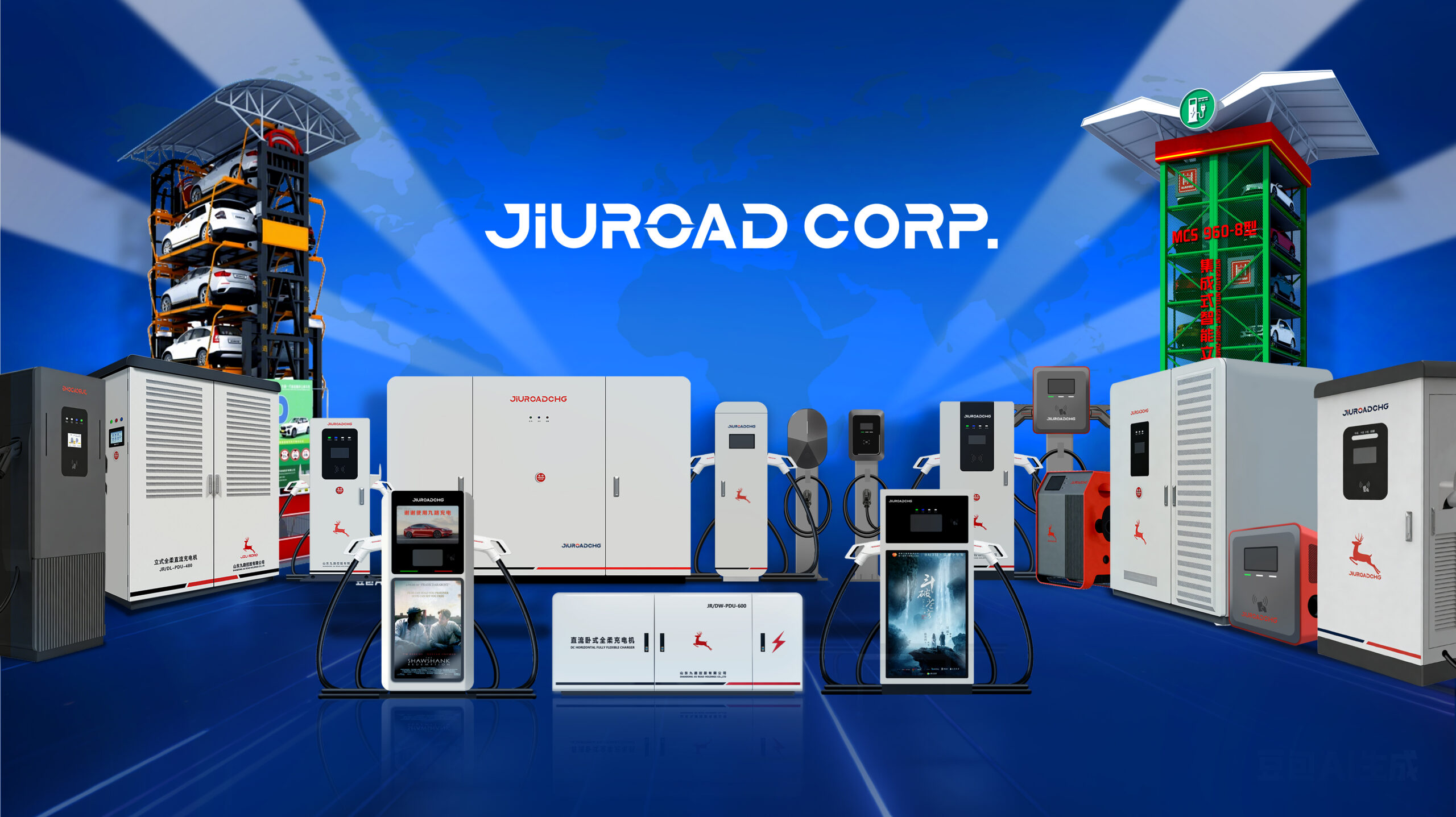
Riyadh’s commercial towers face a critical infrastructure gap as electric vehicle adoption accelerates across Saudi Arabia’s business districts. High-turnover parking environments demand charging solutions that match the 30-minute average dwell time of corporate visitors. The 120kW compact DC charger emerges as the technical answer to space constraints and power demands. Yet implementation requires careful analysis of grid capacity, installation footprint, and return on investment metrics that many property managers have yet to evaluate.
Key Takeaways
- 120kW DC charging units deliver 100 kilometers of range in 15 minutes, meeting rapid turnaround demands of business park tenants.
- Compact units occupy approximately 0.5 square meters, reducing traditional equipment footprints by 60% to maximize premium commercial space.
- Smart load management systems redistribute energy consumption in real-time, preventing costly demand charges during peak business hours.
- Specialized thermal management and IP-rated housing protect equipment from Saudi Arabia’s extreme temperatures exceeding 45°C and dust ingress.
- Initial investment ranges from SAR 280,000 to SAR 350,000, with ROI achievable within 3.5-4.5 years at 65% utilization rates.
Why Riyadh Business Parks Need 120kW DC Charging Now
The momentum behind electric vehicle adoption in Riyadh’s commercial districts has created an urgent infrastructure gap that 120kW DC fast charging directly addresses. Business park tenants require rapid turnaround times that align with typical meeting durations and workday schedules.
A 120kW system delivers approximately 100 kilometers of range within 15 minutes, matching the operational tempo of commercial environments. This charging speed transforms parking infrastructure from a passive amenity into an active productivity tool.
The sustainability benefits extend beyond emissions reduction. Compact DC units minimize footprint requirements while maximizing throughput per square meter of allocated space. Property managers achieve measurable ROI through increased tenant retention and premium positioning.
User experience improvements drive adoption rates. Professionals expect seamless, predictable charging that integrates with demanding schedules without compromising vehicle availability.
How High-Turnover Charging Differs From Standard EV Infrastructure
High-turnover charging environments demand fundamentally different infrastructure specifications than residential or destination installations. Business park charging infrastructure must accommodate dozens of vehicles daily, requiring robust thermal management systems and components rated for continuous operation cycles.
Standard EV infrastructure typically assumes extended dwell times and intermittent use patterns. Commercial tower installations face compressed charging windows—often 30 minutes or less—demanding high speed efficiency to maximize vehicle throughput during peak hours.
Critical distinctions include enhanced cooling systems preventing thermal throttling, reinforced cable management for frequent connection cycles, and payment systems optimized for rapid transactions. Charging infrastructure in these settings requires 50,000+ plug cycles compared to 10,000 for residential units.
Additionally, queue management systems, real-time availability displays, and predictive maintenance protocols become essential rather than optional features.
Space Constraints in Commercial Towers That Compact DC Units Solve
Because commercial towers in Riyadh allocate premium basement and podium space primarily to revenue-generating uses, EV charging infrastructure must compete against retail storage, mechanical systems, and additional parking capacity. Traditional DC fast chargers require substantial footprints, often consuming multiple parking bays for equipment housing and thermal management systems.
Compact charging solutions address these constraints through vertical cabinet designs and integrated power electronics that reduce equipment footprints by up to 60 percent. Space optimization strategies include wall-mounted configurations, ceiling-suspended cable management, and consolidated power distribution units serving multiple charging points.
The 120kW compact DC units deployed in Riyadh business parks occupy approximately 0.5 square meters per station, preserving valuable floor area while delivering high-power output. This efficiency enables property managers to maximize charging bay density without sacrificing leasable commercial space.
The 30-Minute Charging Window That Matches Corporate Parking Patterns
While traditional Level 2 chargers require four to eight hours to replenish electric vehicle batteries, 120kW DC fast charging systems deliver 80 percent state-of-charge within 30 minutes—a duration that aligns precisely with corporate parking turnover patterns observed in Riyadh commercial towers.
Analysis of business park usage data reveals peak charging demand during brief intervals: morning arrivals, lunch breaks, and client meetings. The 30-minute window enables three to four vehicles per charging station during these periods, maximizing infrastructure utilization without requiring dedicated long-term parking allocations.
This rapid turnover model directly supports corporate sustainability initiatives while enhancing employee convenience. Workers charge vehicles during routine activities rather than scheduling extended parking sessions. Facility managers achieve higher throughput per square meter of allocated charging space, improving return on infrastructure investment while meeting escalating electric vehicle adoption rates across Riyadh’s commercial sector.
Power Capacity Requirements for 120kW Installations in Riyadh
Installing 120kW charging infrastructure in Riyadh commercial towers requires dedicated medium-voltage grid connections, typically necessitating coordination with Saudi Electricity Company for transformer upgrades and metering specifications. Peak load management becomes critical when multiple high-power units operate simultaneously, demanding intelligent load balancing systems that prevent demand charges from eroding operational margins. Strategic scheduling algorithms can shift charging loads to off-peak windows, reducing grid stress while capitalizing on lower electricity tariffs.
Grid Connection Specifications
Commercial towers in Riyadh requiring 120kW electrical installations must comply with Saudi Electricity Company (SEC) regulations governing medium-voltage grid connections. Grid connection standards mandate specific transformer configurations, metering systems, and protection devices to guarantee safe integration with municipal infrastructure.
Infrastructure requirements for 120kW DC integrations include:
- Dedicated 13.8kV medium-voltage switchgear with automated fault isolation capabilities
- Power factor correction equipment maintaining minimum 0.95 efficiency to avoid SEC penalties
- Redundant grounding systems meeting SASO standards for commercial applications
Engineers must submit detailed load studies demonstrating peak demand calculations and harmonic distortion levels below 5% THD. SEC approval timelines typically extend 45-60 business days for commercial installations. Proper documentation of electrical single-line diagrams, protection coordination studies, and equipment specifications accelerates the permitting process while minimizing costly infrastructure modifications.
Peak Load Management
| Parameter | Specification |
|---|---|
| Peak Demand Threshold | 108kW (90% capacity) |
| Load Shedding Response | <50 milliseconds |
| Demand Response Integration | SEC-compliant protocols |
| Energy Efficiency Rating | 96.2% at peak |
Smart monitoring systems track real-time consumption patterns, automatically redistributing charging loads across off-peak intervals. This energy efficiency approach prevents transformer overloading during 14:00-17:00 peak windows. Cost savings from demand management typically reach 18-25% on monthly commercial tariffs, delivering rapid ROI for tower operators.
Load Management Strategies for Peak Business Hours
Peak business hours in Riyadh’s commercial towers typically span from 9:00 AM to 5:00 PM, when cooling loads, lighting demands, and equipment usage converge to create maximum electrical strain on building systems.
Effective load management strategies incorporate dynamic charging protocols that automatically throttle EV charging rates during peak demand windows. This energy optimization approach prevents costly demand charges while maintaining vehicle readiness for tenants.
Key load management strategies include:
- Demand response integration: Automated curtailment of non-critical charging loads when building consumption approaches threshold limits
- Staggered charging schedules: Sequential activation of charging stations to prevent simultaneous high-power draws
- Real-time load monitoring: Continuous analysis of building electrical consumption to allocate surplus capacity for EV charging
These strategies reduce operational costs while maximizing infrastructure utilization across business park facilities.
Costs and ROI Timelines for Commercial Tower Integrations
Financial viability represents the decisive factor for commercial tower operators evaluating EV charging infrastructure investments in Riyadh’s competitive real estate market. Extensive cost analysis reveals that 120kW compact DC systems require significant upfront capital but deliver measurable investment returns within defined periods.
| Cost Category | Typical Range (SAR) |
|---|---|
| Equipment & Installation | 280,000 – 350,000 |
| Annual Maintenance | 15,000 – 22,000 |
| Grid Connection Upgrades | 45,000 – 80,000 |
| Software & Management | 8,000 – 12,000 |
High-turnover business park locations typically achieve ROI within 3.5 to 4.5 years, assuming 65% daily utilization rates. Operators leveraging demand-based pricing during peak business hours accelerate payback timelines by 8-12 months. Property value appreciation and tenant retention benefits provide additional non-quantified returns.
Installation Challenges Specific to Saudi Arabia’s Climate
Desert sand infiltration poses persistent operational threats to EV charging equipment installed in Riyadh’s commercial towers, where ambient temperatures routinely exceed 45°C during summer months. Heat mitigation strategies require specialized thermal management systems, including active cooling units and heat-resistant enclosures rated for extreme conditions. Equipment durability depends on IP-rated housing that prevents particulate ingress while maintaining adequate ventilation.
Key installation challenges include:
- Thermal stress management: Continuous high temperatures accelerate component degradation, demanding robust cooling infrastructure and temperature-rated cables
- Sand and dust protection: Filtered air intake systems and sealed connector ports preserve charging functionality
- Maintenance considerations: Quarterly filter replacements and monthly inspections extend operational lifespan
These climate-specific adaptations directly impact user experience, ensuring consistent charging availability despite harsh environmental conditions while controlling long-term operational expenditures.
Smart Charging Features That Optimize High-Volume Usage
Intelligent load balancing algorithms distribute power across multiple charging stations in Riyadh’s commercial towers, preventing grid strain during high-demand periods while maximizing throughput. These smart charging systems automatically adjust output based on real-time occupancy data and electricity tariff structures, reducing operational costs by up to 30%.
Advanced queue management features enhance user experience through mobile applications that provide real-time availability updates and reservation capabilities. Drivers receive notifications when sessions complete, enabling rapid turnover essential for high-volume business park environments.
Backend analytics platforms track utilization patterns, allowing facility managers to optimize station placement and predict maintenance requirements. Payment integration streamlines transactions through RFID cards and contactless options. Remote monitoring capabilities enable operators to diagnose issues instantly, minimizing downtime and maintaining consistent service levels across commercial tower installations.
How Vision 2030 Incentives Support Business Park EV Infrastructure
As Saudi Arabia accelerates toward its Vision 2030 sustainability targets, commercial tower developers gain access to substantial government incentives designed to reduce EV infrastructure deployment costs. These EV Infrastructure Incentives considerably lower capital expenditure barriers for 120kW DC charging installations across Riyadh’s business districts.
Business Park Transformations benefit from multiple support mechanisms:
- Tax exemptions and reduced import duties on charging equipment and components
- Subsidized electricity rates for commercial EV charging operations
- Streamlined permitting processes that accelerate deployment timelines by 40-60%
The incentive structure prioritizes high-turnover installations serving corporate fleets and employee vehicles. Developers implementing compact DC integrations can recover infrastructure investments within 3-5 years through combined government support and operational revenue. This framework positions Riyadh’s commercial towers as regional leaders in sustainable business infrastructure.
Selecting the Right 120kW Compact DC Unit for Your Tower
How effectively a 120kW compact DC unit performs within a commercial tower environment depends on precise alignment between equipment specifications and site-specific operational demands. Key evaluation criteria include power output consistency, thermal management capabilities, and connector compatibility with prevalent EV models in the Saudi market.
Compact design benefits extend beyond space conservation. Units with reduced footprints enable installation flexibility in constrained parking structures, mechanical rooms, or exterior locations where square footage commands premium rates. Tower operators should assess units based on operating temperature ranges suitable for Riyadh’s climate extremes.
Cost-conscious procurement requires analyzing total ownership expenses, including energy consumption rates, maintenance intervals, and warranty coverage. Units offering remote diagnostics and modular component replacement minimize operational downtime while protecting long-term capital investments.
Integration With Building Management and Access Control Systems
Seamless integration between 120kW compact DC charging units and existing building management systems (BMS) determines operational efficiency and cost recovery potential for commercial tower operators.
System interoperability enables centralized monitoring of energy consumption, load balancing, and demand response protocols. Security integration connects charging access to tenant credential systems, preventing unauthorized usage while generating automated billing data.
Key integration components include:
- Protocol compatibility: OCPP 2.0.1 compliance guarantees communication between chargers, BMS platforms, and third-party energy management software
- Access control linkage: RFID and mobile authentication sync with building security databases for tenant-specific charging privileges
- Data analytics interface: Real-time dashboards track utilization rates, revenue metrics, and maintenance alerts
Riyadh tower operators achieve measurable ROI improvements through consolidated infrastructure management and streamlined tenant billing reconciliation.
Case Studies: Riyadh Commercial Towers Already Using 120kW DC
Documented deployments of 120kW DC charging infrastructure across Riyadh’s commercial tower sector provide quantifiable performance benchmarks for operators evaluating similar investments.
Case studies from King Abdullah Financial District towers demonstrate 23% higher tenant retention rates following charger installation, with average session durations of 45 minutes aligning precisely with business meeting schedules. Energy consumption data reveals peak utilization between 8:00-10:00 AM and 4:00-6:00 PM, enabling optimized demand charge management.
Commercial success metrics from Granada Business Park indicate ROI achievement within 28 months, with per-session revenue averaging SAR 47. Equipment uptime exceeds 97.3% across monitored installations. These documented outcomes establish clear performance thresholds for procurement specifications. Operators report 15% reductions in visitor parking turnover time, maximizing space utilization efficiency within constrained tower footprints.
Future-Proofing Your Business Park for 150kW and Beyond
While current 120kW installations deliver measurable returns, infrastructure planning must account for charging technology trajectories that will render today’s specifications obsolete within 5-7 years. Business park developers must integrate scalable electrical infrastructure supporting future growth beyond 150kW thresholds.
Technology advancements in battery chemistry and vehicle architecture will demand higher power delivery. Strategic planning includes:
- Electrical capacity buffers: Installing transformer and switchgear capacity 40% above current requirements to accommodate power increases without costly retrofits
- Conduit oversizing: Deploying larger conduit pathways during initial construction to facilitate cable upgrades
- Modular charging platforms: Selecting equipment with firmware-upgradable power modules rather than fixed-output units
These specifications minimize capital expenditure during inevitable technology shifts while maintaining competitive positioning within Riyadh’s evolving commercial EV ecosystem.
Conclusion
While initial capital expenditure for 120kW compact DC infrastructure may seem substantial, the operational mathematics prove compelling. Reduced installation footprint, decreased tenant turnover, and premium parking revenue generation deliver measurable ROI within 36 months. Riyadh’s commercial towers face a decisive moment: invest strategically in high-turnover charging solutions now, or absorb the notably higher retrofit costs when electric vehicle adoption reaches critical mass across Saudi Arabia’s business sector.