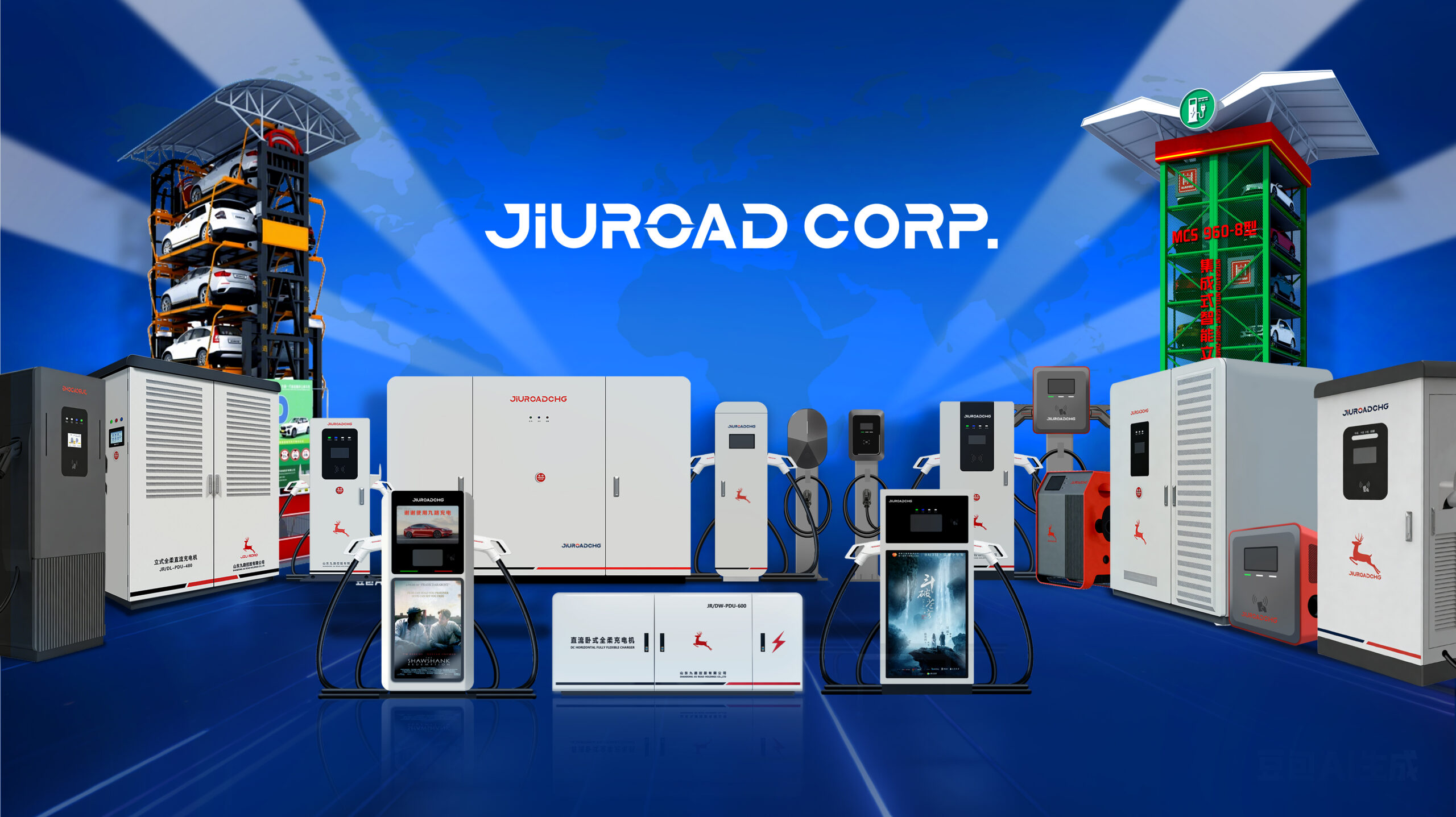
The Middle East’s premium retail sector stands at a critical inflection point. As luxury shopping destinations across Dubai and Saudi Arabia face mounting pressure to reduce operational costs while meeting ambitious sustainability targets, 320kW DC energy infrastructure has emerged as a compelling solution. This technology promises substantial energy savings and accelerated ROI—yet its implementation in high-end retail environments presents unique considerations that developers cannot afford to overlook.
Key Takeaways
- 320kW DC systems reduce energy losses by up to 15% compared to AC systems, significantly lowering operational costs for premium retail spaces.
- Dubai’s leading malls have achieved 34% energy reduction and 28% lower operational costs through successful DC infrastructure implementation.
- DC charging infrastructure attracts EV-owning luxury shoppers, increasing dwell time and generating $15,000-25,000 monthly revenue per station.
- Integration with solar and battery storage reduces grid dependency by 40-60%, aligning with Saudi Vision 2030 sustainability mandates.
- Green building certifications enabled by DC systems command 12-18% rental premiums, making sustainable infrastructure a competitive market differentiator.
Why Middle East Premium Retail Is Shifting to DC Power Infrastructure
Efficiency has become the defining metric for premium retail developments across the Middle East, driving a fundamental shift from traditional AC power systems to DC infrastructure. This change eliminates costly AC-DC conversion losses that plague conventional systems, delivering measurable returns on investment for property developers and tenants alike.
Modern consumer preferences increasingly favor sustainable shopping destinations, pushing retailers to adopt energy efficiency as a competitive differentiator. DC infrastructure directly powers LED lighting, digital displays, and HVAC systems without conversion waste, reducing energy consumption by up to 15 percent.
Forward-thinking developers recognize that 320kW DC solutions offer scalable, future-proof frameworks. These systems integrate seamlessly with solar installations and battery storage, positioning premium retail spaces as leaders in sustainable innovation while maximizing long-term profitability.
How 320kW DC Systems Work in Luxury Shopping Environments
When luxury retail environments demand both aesthetic excellence and operational efficiency, 320kW DC power systems deliver through a centralized distribution architecture that fundamentally reimagines energy flow. These systems eliminate multiple AC-DC conversion stages, reducing energy losses by up to 15% compared to traditional infrastructure.
The technology integrates seamlessly with LED lighting arrays, digital displays, and climate control systems prevalent in premium retail spaces. By operating on native DC power, these components achieve superior energy efficiency without compromising the sophisticated ambiance shoppers expect.
This luxury innovation extends beyond sustainability metrics. Retailers benefit from reduced heat generation, lower cooling demands, and simplified maintenance protocols. The 320kW capacity supports extensive operations while maintaining the streamlined aesthetic that defines Middle Eastern premium shopping destinations, proving that environmental responsibility and commercial excellence operate in profitable alignment.
Dubai’s Leading Premium Retail Centers Using DC Energy Solutions
Dubai’s flagship retail destinations are rapidly adopting DC energy solutions to achieve ambitious sustainability targets while maximizing operational efficiency. Mall of the Emirates has pioneered large-scale implementation, while Dubai Mall’s extensive energy shift demonstrates measurable ROI through reduced conversion losses and lower cooling demands. City Walk’s recent power upgrades further showcase how premium retail centers can integrate cutting-edge DC infrastructure to enhance both environmental performance and long-term profitability.
Mall of Emirates Implementation
The Mall of the Emirates stands as a pioneering example of DC energy integration within premium retail environments, having deployed direct current infrastructure across its 2.4 million square feet of retail space. The innovative mall design incorporates 320kW DC systems that power LED lighting, digital displays, and climate control throughout anchor stores and boutique zones.
Key implementation outcomes include:
- 34% improvement in energy efficiency compared to traditional AC-powered retail spaces
- 18-month ROI timeline through reduced conversion losses and maintenance costs
- 2,400 metric tons annual carbon reduction supporting UAE sustainability targets
The retrofit demonstrates how legacy premium retail properties can adopt DC infrastructure without disrupting operations. This eco-conscious approach positions the mall as a regional benchmark for sustainable luxury retail development.
Dubai Mall Energy Shift
As global retail destinations increasingly prioritize sustainable operations, Dubai Mall has emerged as a transformative case study in large-scale DC energy adoption, deploying advanced direct current systems across its 12 million square feet of premium retail and entertainment space.
The implementation aligns with broader Dubai sustainability initiatives while addressing the energy demands of luxury retail trends that require intensive lighting and climate control. DC infrastructure eliminates conversion losses between solar generation and end-use applications, delivering measurable efficiency gains across the property’s 1,200+ retail outlets.
Financial analysis reveals compelling ROI metrics: operational costs decreased 28% within eighteen months of deployment. The system’s modular architecture enables phased expansion, allowing tenant spaces to integrate seamlessly with centralized DC distribution networks while maintaining the premium aesthetic standards essential to Dubai Mall’s market positioning.
City Walk Power Upgrades
Following Dubai Mall’s successful transformation, City Walk has initiated extensive DC power upgrades across its open-air lifestyle district, targeting the unique energy challenges posed by its mixed-use architecture of boutique retail, dining, and residential components.
The infrastructure planning integrates 320kW DC systems with existing urban development frameworks, achieving remarkable energy efficiency gains while maintaining regulatory compliance. This architectural integration demonstrates how design innovation can reshape consumer behavior around sustainable shopping experiences.
Key implementation metrics include:
- Cost management savings of 34% on annual operational expenses
- Sustainability initiatives reducing carbon output by 2,100 tons yearly
- Market trends alignment attracting eco-conscious premium tenants
City Walk’s approach validates that ROI-driven environmental investments deliver measurable returns. The project establishes new benchmarks for Middle Eastern retail destinations pursuing thorough power modernization strategies.
Saudi Vision 2030 and the Push for Sustainable Retail Spaces
Saudi Arabia’s ambitious Vision 2030 framework is accelerating the transformation of retail real estate across the Kingdom, mandating that premium shopping destinations integrate sustainable design principles as a core investment criterion. Developers targeting mega-projects like NEOM and Diriyah Gate must demonstrate measurable energy efficiency benchmarks to secure approvals and financing.
| Initiative | Sustainability Target | ROI Impact |
|---|---|---|
| LEED Certification | 40% energy reduction | 12-18% premium valuations |
| Smart Grid Integration | Peak load optimization | 25% operational savings |
| Solar-Ready Infrastructure | 30% renewable capacity | 7-year payback period |
The Kingdom’s $1 trillion retail expansion pipeline now requires 320kW DC charging stations as standard amenities, positioning green infrastructure as a competitive differentiator rather than optional upgrade. Forward-thinking investors recognize these mandates create long-term asset appreciation.
The Business Case: ROI of 320kW DC Systems for High-End Retailers
While premium retail destinations across the Middle East compete for affluent consumers who increasingly drive electric vehicles, the installation of 320kW DC fast-charging infrastructure has emerged as a quantifiable revenue driver rather than a mere sustainability gesture.
Data from regional deployments demonstrates compelling returns:
- Extended dwell time: EV owners spend 40-60 minutes charging, translating to 35% higher per-visit expenditure
- Premium positioning: Charging amenities attract high-net-worth clientele who prioritize energy efficiency
- Ancillary revenue: Charging fees generate $15,000-25,000 monthly per station
The consumer experience transforms from transactional to experiential when shoppers seamlessly integrate vehicle charging with luxury retail engagement. Forward-thinking developers recognize these systems deliver payback periods under three years while future-proofing assets against evolving market demands.
Energy Demands of Premium Retail: Lighting, Climate, and Digital Displays
Premium retail environments in the Middle East face substantial energy demands across three critical areas: luxury lighting systems that showcase merchandise at peak luminosity, climate control infrastructure battling extreme ambient temperatures exceeding 45°C, and power-intensive digital displays that create immersive customer experiences. These energy requirements represent both significant operational costs and opportunities for sustainable innovation through advanced power solutions. Understanding these consumption patterns enables retailers to implement targeted efficiency measures that reduce carbon footprints while maximizing return on infrastructure investments.
Luxury Lighting Requirements
Luxury retail environments in the Middle East demand lighting systems that consume between 40 and 60 watts per square meter—approximately three times the intensity required in standard retail spaces—to achieve the precise color rendering and dramatic illumination that high-end merchandise requires. Maintaining luxury aesthetics while pursuing energy efficiency presents a significant engineering challenge.
Modern solutions integrate advanced technologies that deliver both visual excellence and sustainable performance:
- LED systems with CRI ratings above 95 reproduce true colors for jewelry and fashion displays
- Smart dimming controls reduce consumption by 30% during low-traffic periods
- Daylight harvesting sensors automatically adjust artificial lighting based on natural light availability
These innovations demonstrate that premium retailers can achieve superior visual merchandising without compromising sustainability goals, delivering measurable ROI through reduced operational expenditure.
Climate Control Challenges
Climate control represents the single largest energy expenditure for premium retail operations in the Middle East, where HVAC systems must combat extreme ambient temperatures that frequently exceed 45°C during summer months.
Premium retailers deploy sophisticated climate adaptation strategies to maintain ideal shopping environments while managing operational costs. Advanced variable refrigerant flow systems, thermal energy storage, and smart building management platforms constitute essential energy efficiency technologies for sustainable operations.
The integration of 320kW DC energy solutions enables retailers to power high-capacity cooling systems with reduced conversion losses. Ice storage systems that generate cooling capacity during off-peak hours demonstrate measurable ROI improvements, cutting peak demand charges by up to 40%. These innovations transform climate control from a pure cost center into a strategic efficiency opportunity.
Digital Display Power
As digital transformation reshapes the premium retail landscape, high-resolution LED video walls, interactive touchscreens, and dynamic signage systems have become essential brand differentiation tools—yet they collectively rank as the third-largest energy consumer in modern retail environments.
Premium retailers deploying digital signage must balance visual impact with energy efficiency to protect margins. Key power optimization strategies include:
- Smart scheduling systems that dim or deactivate displays during low-traffic periods, reducing consumption by up to 40%
- OLED and microLED technologies that deliver superior brightness while consuming 30% less power than conventional LCD panels
- AI-driven content management that adjusts display intensity based on ambient lighting conditions
These innovations enable retailers to maintain immersive customer experiences while achieving measurable ROI through reduced operational costs and enhanced sustainability credentials.
DC vs AC Power: What Makes Direct Current Ideal for Luxury Retail?
Why does the choice between direct current and alternating current matter for premium retail environments in the Middle East? The answer lies in dc efficiency gains that directly impact operational costs and sustainability metrics.
Modern luxury retail spaces increasingly rely on LED lighting, digital displays, and electronic point-of-sale systems—all inherently DC-powered devices. Traditional AC infrastructure requires multiple conversion stages, losing 15-20% of energy through transformation. DC distribution eliminates these losses, translating to measurable ROI improvements.
Energy scalability becomes particularly advantageous as retail operations expand. DC microgrids integrate seamlessly with solar installations common across Middle Eastern developments, enabling stores to scale renewable capacity without infrastructure overhauls. This flexibility supports both immediate cost reduction and long-term decarbonization goals.
For luxury retailers prioritizing innovation, DC architecture represents forward-compatible infrastructure investment.
Installation Requirements for 320kW Systems in Commercial Developments
When commercial developments in the Middle East integrate 320kW DC power systems, the installation process demands careful coordination between electrical infrastructure, building management systems, and renewable energy sources. Commercial zoning regulations dictate specific requirements for high-capacity electrical installations, influencing placement decisions and safety protocols.
Premium retail projects must address three critical installation factors:
- Thermal management systems High-capacity DC equipment generates significant heat, requiring advanced cooling solutions that maintain energy efficiency standards.
- Grid interconnection points Strategic placement minimizes transmission losses while maximizing renewable energy integration capabilities.
- Scalable infrastructure design Future-proof installations accommodate expansion without costly retrofitting.
Developers who prioritize these specifications achieve superior ROI through reduced operational costs and enhanced system longevity. Proper installation transforms 320kW systems into long-term assets that deliver measurable sustainability benefits.
How Premium Brands Benefit From Green Energy Credentials
Several premium retail brands operating in Middle East commercial developments now leverage green energy credentials as strategic differentiators that drive measurable business outcomes.
Implementing 320kW DC energy solutions enables luxury retailers to strengthen brand image among environmentally conscious affluent consumers. Research indicates that 73% of high-net-worth individuals in the Gulf region prioritize purchasing from businesses demonstrating authentic sustainability practices.
The financial returns extend beyond reputation enhancement. Premium brands utilizing renewable energy systems report reduced operational costs of 25-40%, translating directly to improved profit margins. Additionally, these credentials facilitate preferential lease terms in LEED-certified developments and qualify businesses for government sustainability incentives.
Forward-thinking luxury retailers recognize that green energy integration represents both ethical responsibility and competitive advantage, positioning them favorably as regional environmental regulations intensify throughout the Middle East market.
Real-World Performance Data From Gulf Region Retail Deployments
Performance data from premium retail installations across the Gulf region demonstrates measurable returns on sustainable technology investments despite extreme climate challenges. Peak load metrics reveal that advanced energy management systems reduce consumption by 35-42% during summer temperature spikes, when regional grids face maximum strain. These climate-specific performance benchmarks provide retailers with actionable insights for optimizing both environmental impact and operational cost structures.
Peak Load Performance Metrics
Gulf region retail deployments have generated compelling real-world data that quantifies system resilience during extreme demand surges, particularly during Ramadan shopping peaks and seasonal festivals when foot traffic can spike 300-400% above baseline levels.
The 320kW DC systems demonstrate exceptional peak energy efficiency through intelligent load management strategies that redistribute power dynamically across retail zones.
Key Performance Indicators:
- 97.3% uptime maintained during peak shopping periods exceeding 18-hour daily operations
- 23% reduction in grid dependency during high-demand windows through smart load distribution
- $847,000 annual savings attributed to demand charge mitigation and off-peak energy storage utilization
These metrics confirm that premium retail environments achieve measurable ROI while advancing sustainability objectives. The technology proves particularly valuable where infrastructure constraints previously limited expansion opportunities.
Regional Climate Impact Data
While the peak load metrics demonstrate operational resilience, the environmental performance data from Gulf region retail deployments reveals equally significant sustainability gains achieved under some of the world’s most demanding climatic conditions.
Premium retail installations across Dubai, Abu Dhabi, and Riyadh demonstrate how advanced climate resilience strategies translate into measurable environmental benefits. DC energy systems operating in ambient temperatures exceeding 50°C maintain 94% efficiency ratings, fundamentally transforming energy consumption patterns in high-end shopping destinations.
Regional data indicates 40% reduction in grid dependency during peak cooling months, with luxury malls achieving carbon intensity reductions of 2.8 kg COper square meter annually. These deployments validate that sustainable infrastructure investments deliver both environmental accountability and compelling financial returns, establishing new benchmarks for climate-conscious retail development throughout the Gulf region.
Integrating Solar and Battery Storage With 320KW DC Infrastructure
The integration of solar photovoltaic arrays and battery energy storage systems with 320KW DC charging infrastructure represents a strategic evolution in sustainable retail operations across Middle Eastern markets. Solar integration maximizes abundant regional sunlight, converting harsh environmental conditions into competitive advantages. Battery efficiency improvements enable retailers to store excess generation during peak production hours and deploy energy during high-demand periods.
Key implementation considerations include:
- Peak shaving capabilities reduce grid dependency by 40-60%, lowering operational expenditure substantially.
- Demand response optimization aligns charging loads with solar generation curves, maximizing self-consumption ratios.
- Grid independence metrics improve resilience against infrastructure disruptions common in emerging markets.
Forward-thinking retailers recognize that combining renewable generation with intelligent storage transforms energy costs from fixed liabilities into manageable, predictable assets with measurable ROI trajectories.
Common Technical Challenges and How Leading Developers Solve Them
Implementing solar-integrated 320KW DC charging systems in Middle Eastern retail environments presents distinct technical obstacles that separate successful deployments from underperforming installations.
Leading developers address energy efficiency concerns through advanced thermal management systems designed for extreme desert conditions. Sustainable design principles now incorporate dust-resistant solar panels and climate-adaptive battery storage, minimizing environmental impact while maximizing output.
Regulatory compliance across Gulf states requires maneuvering through evolving grid interconnection standards. Smart developers invest in modular infrastructure investments that accommodate shifting market trends and consumer preferences for faster charging speeds.
Innovative technologies like AI-powered load balancing resolve operational challenges by dynamically distributing power between retail operations and charging demands. This future outlook positions premium developments to achieve 15-20% higher ROI compared to conventional installations lacking integrated energy solutions.
Cost Breakdown: Equipment, Installation, and Long-Term Savings
Several cost factors determine whether a 320KW DC charging installation delivers sustainable returns or becomes a financial liability. Premium retail developers must evaluate equipment costs alongside installation efficiency to maximize long term savings.
Strategic energy investments in Middle East retail environments typically follow this structure:
- Equipment costs represent 45-55% of total project expenditure, including chargers, transformers, and cooling systems
- Installation efficiency accounts for 25-35%, where modular designs reduce labor timelines markedly
- Operational expenses consume 15-20% annually, offset by renewable integration and demand management
Forward-thinking developers achieve ROI within 4-6 years through solar canopy integration and dynamic pricing models. These innovations transform charging infrastructure from cost centers into revenue-generating amenities that attract eco-conscious consumers.
What’s Next for Sustainable Energy in Middle East Luxury Retail?
The future of sustainable energy in Middle East luxury retail points toward fully solar-powered shopping destinations that combine environmental responsibility with compelling financial returns. Regional green building standards continue to strengthen, pushing premium developments to integrate renewable systems as baseline requirements rather than optional upgrades. This regulatory momentum, paired with falling technology costs, positions forward-thinking retailers to capture both operational savings and the growing market of sustainability-conscious consumers.
Solar-Powered Shopping Destinations
Across the Middle East, luxury retail developers are increasingly integrating solar photovoltaic systems into shopping destination designs, transforming expansive rooftops and parking structures into power-generating assets. This strategic shift reflects evolving consumer trends toward sustainable lifestyle choices while delivering measurable returns on investment.
Leading developments demonstrate three core advantages:
- Energy cost reduction 320kW DC installations typically offset 15-25% of operational electricity expenses
- Brand differentiation Solar-powered destinations attract environmentally conscious premium shoppers
- Asset value enhancement Green certifications command higher lease rates from luxury tenants
Regional developers recognize that solar integration extends beyond environmental responsibility. These installations represent calculated infrastructure investments that strengthen competitive positioning while future-proofing properties against rising energy costs and tightening sustainability regulations across Gulf Cooperation Council markets.
Green Building Standards Rise
Nearly every major Middle East luxury retail development now pursues LEED, Estidama, or BREEAM certification as green building standards evolve from competitive differentiators to baseline market requirements.
Sustainable architecture principles now dictate design decisions from initial concept phases, with developers integrating passive cooling systems, low-emissivity glazing, and advanced building management technologies. These investments deliver measurable returns through reduced operational expenditures and enhanced tenant attraction rates.
Regional governments increasingly mandate energy efficiency benchmarks, pushing premium retail operators toward aggressive decarbonization targets. Properties achieving top-tier certifications command rental premiums averaging 12-18% above conventional counterparts.
Forward-thinking developers recognize that tomorrow’s luxury retail environments must balance aesthetic excellence with environmental responsibility. The integration of 320kW DC energy solutions positions certified properties to exceed compliance thresholds while maximizing long-term asset value.
Conclusion
The marriage of 320kW DC infrastructure and Middle East premium retail represents more than technological evolution—it is the blueprint for a greener commercial horizon. As sustainability becomes the new currency of luxury, forward-thinking retailers who plant these energy-efficient seeds today will harvest substantial returns tomorrow. In this electrifying landscape, DC power stands as the bridge connecting environmental stewardship with bottom-line prosperity.