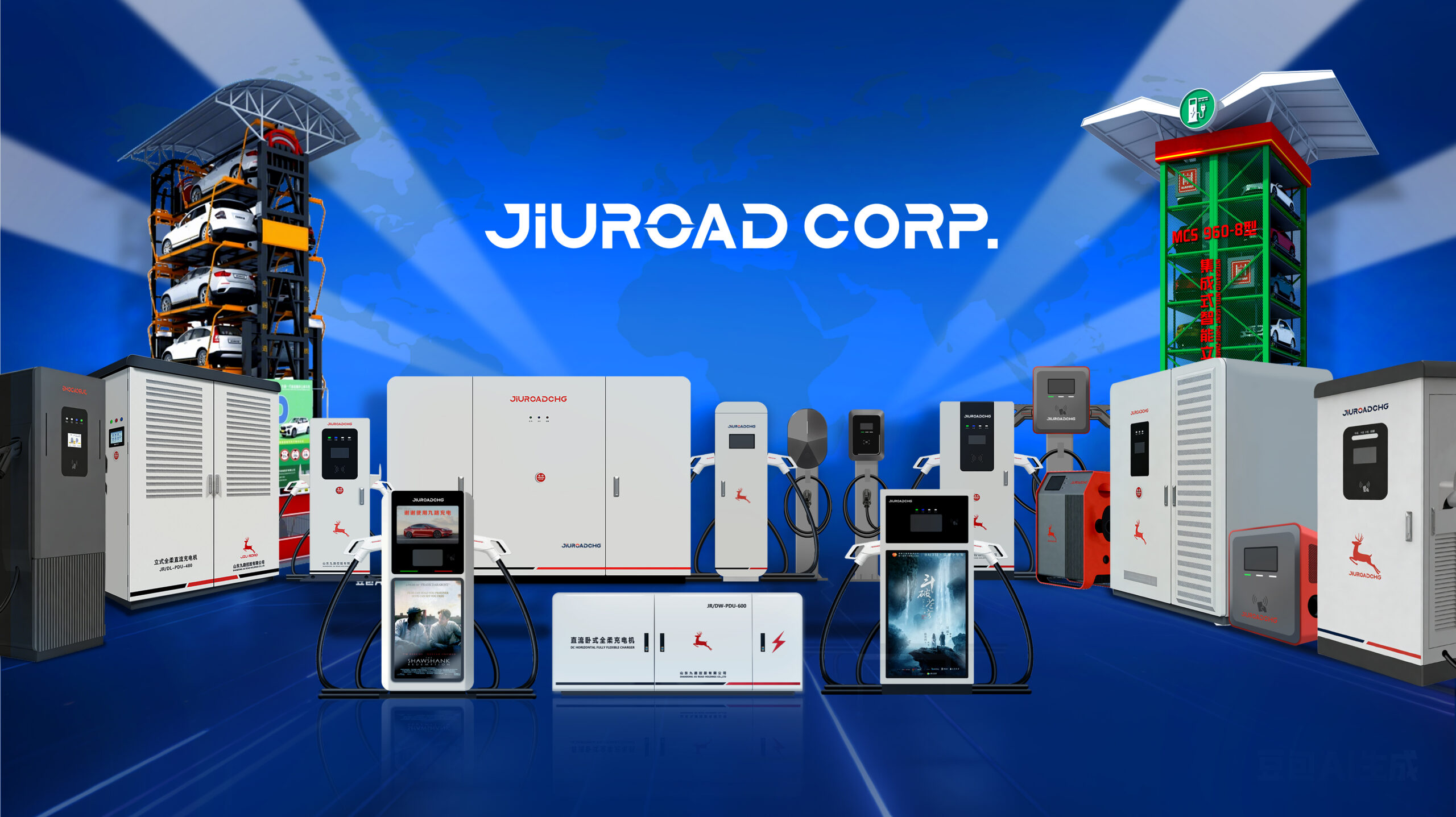
The Belt and Road Initiative‘s electric truck corridor development requires systematic deployment of 1200kW mega charging hubs at precise 50-kilometer intervals across transcontinental routes. Current heavy-duty electric vehicles demand charging capacities exceeding conventional infrastructure by 400-600%, necessitating grid upgrades and specialized power distribution systems. Early feasibility studies indicate operational challenges spanning regulatory harmonization, cross-border electrical standards, and battery technology limitations that could fundamentally reshape Asia-Europe freight logistics within the next decade.
Key Takeaways
1200kW mega charging hubs utilize liquid-cooled cables and 2.5-10MVA transformers, reducing heavy-duty EV charging times to 30-45 minutes.
Six main electric trucking corridors require charging stations every 50-150 kilometers, supporting 10-15MW peak demand per hub location.
Strategic hub placement at Khorgos, Duisburg, Piraeus, Gwadar, and Djibouti optimizes cross-border freight operations and regulatory compliance.
Cross-border regulatory harmonization reduces border processing from 6-8 hours to 45-90 minutes through digital platforms and unified standards.
Development phases span 2024-2035, establishing 340 mega charging stations with secondary routes, battery swapping, and autonomous vehicle compatibility.
What Are 1200kW Mega Charging Hubs for Heavy Freight EVs?
As heavy-duty electric vehicles require substantially more energy capacity than passenger cars, 1200kW mega charging hubs represent purpose-built infrastructure designed to deliver rapid charging solutions for commercial freight operations. These installations utilize advanced charging technology capable of delivering power levels 10-20 times higher than standard automotive chargers. Each hub incorporates liquid-cooled cables, high-voltage transformers, and sophisticated thermal management systems to handle sustained power delivery exceeding one megawatt.
Infrastructure innovation enables simultaneous charging of multiple heavy freight vehicles through dynamic load balancing and grid-tied energy storage systems. The charging architecture supports both CCS and MCS connector standards, accommodating battery capacities ranging from 500kWh to 1.5MWh. Strategic deployment along major freight corridors reduces charging duration to 30-45 minutes, maintaining operational efficiency for long-haul electric trucking networks across international trade routes.
Belt and Road Initiative’s Strategic Electric Trucking Corridors
The Belt and Road Initiative’s electric trucking corridors require systematic route optimization based on cargo flow density, terrain analysis, and charging infrastructure placement intervals of 150-300 kilometers. Infrastructure development mandates standardized 1200kW mega charging stations, grid capacity upgrades, and maintenance facilities strategically positioned along primary freight arteries connecting 65 participating nations. Cross-border regulatory harmonization encompasses vehicle certification protocols, charging standards alignment, and coordinated customs procedures to enable seamless electric freight movement across multiple jurisdictions.
Strategic Route Planning
Strategic planners have identified six primary electric trucking corridors within the Belt and Road Initiative framework, each designed to optimize cargo flow between major economic centers while supporting zero-emission freight transport. Advanced route optimization algorithms analyze payload capacity, elevation profiles, and charging station intervals to maximize operational efficiency. Integrated traffic management systems coordinate cross-border movements, reducing congestion at critical transit nodes.
| Corridor | Distance (km) | Daily Capacity (TEU) |
|---|---|---|
| China-Europe Rail Land Bridge | 11,870 | 2,400 |
| Central Asia Freight Corridor | 8,200 | 1,800 |
| Southeast Asia Maritime Link | 6,450 | 3,200 |
| Pakistan Economic Corridor | 3,000 | 1,200 |
Real-time data analytics enable dynamic routing adjustments based on weather conditions, border processing times, and infrastructure availability, ensuring consistent delivery schedules across intercontinental distances.
Infrastructure Development Requirements
Implementation of Belt and Road electric trucking corridors necessitates extensive infrastructure networks spanning charging stations, grid capacity expansions, and specialized maintenance facilities across participating nations. Critical infrastructure components require coordinated development to guarantee seamless cross-border operations.
Essential infrastructure requirements include:
High-voltage charging stations with 1200kW capacity at 50-kilometer intervals
Grid reinforcement projects supporting 10-15MW peak demand per charging hub
Standardized connector protocols guaranteeing interoperability across participating countries
Temperature-controlled battery maintenance facilities equipped with diagnostic systems
Border crossing facilities with dedicated EV inspection and customs processing lanes
Funding models must incorporate multilateral development banks, public-private partnerships, and sovereign wealth fund investments to achieve required capital deployment. Technology partnerships between established charging infrastructure providers and local engineering firms enable knowledge transfer while reducing implementation costs and guaranteeing sustainable operations across diverse regulatory environments.
Cross-Border Regulatory Framework
Beyond physical infrastructure development, harmonized regulatory frameworks across Belt and Road nations determine operational viability for electric trucking corridors. Cross border policies require standardization across vehicle certification, driver licensing, cargo documentation, and environmental compliance protocols. Current fragmented regulatory systems create operational bottlenecks at border crossings, with processing times averaging 6-8 hours per checkpoint.
Regulatory compliance frameworks must address battery safety standards, weight distribution regulations, and charging infrastructure protocols. Digital customs platforms integrated with real-time cargo tracking systems can reduce border processing to 45-90 minutes. Standardized electric vehicle technical specifications across participating nations enable seamless corridor operations.
Multilateral agreements establishing unified regulatory compliance standards reduce administrative overhead by 35-40%, while automated documentation systems streamline cross-border freight movements through predictable, technology-enabled processes.
Technical Specifications: Power Distribution and Charging Infrastructure
Three primary power distribution architectures define the charging infrastructure requirements for Belt and Road truck routes: centralized grid-tied systems operating at 400-800V DC, distributed renewable microgrids with battery storage capacity ranging from 500kWh to 2MWh, and hybrid AC/DC fast-charging networks capable of delivering 150-350kW per charging point.
Power management systems integrate dynamic load balancing protocols to optimize energy allocation across multiple charging bays simultaneously. Charging technology standards require compatibility with CCS2, CHAdeMO, and GB/T connector protocols to accommodate diverse heavy freight vehicle specifications.
Critical infrastructure specifications include:
Load management controllers with 99.5% efficiency ratings
Transformer capacity scaling from 2.5MVA to 10MVA per hub
Redundant power supply systems with automatic failover capability
Temperature-controlled cooling systems rated for -40°C to +50°C operation
Real-time monitoring networks with predictive maintenance algorithms
Cross-Border Route Planning Along Asia-Europe Trade Highways
Cross-border route planning for Asia-Europe trade highways requires systematic identification of strategic corridors that optimize cargo flow efficiency and minimize transit costs across multiple jurisdictions. Infrastructure gap analysis encompasses assessment of road capacity, border crossing facilities, customs processing capabilities, and maintenance standards to determine investment priorities along primary freight corridors. Multi-modal integration points serve as critical nodes where trucking operations interface with rail terminals, ports, and distribution centers to enable seamless cargo transfers and supply chain optimization.
Strategic Corridor Identification
Key factors for strategic corridor identification include:
Elevation profiles and gradient analysis for ideal energy consumption
Border processing capacity and customs automation systems
Existing highway infrastructure and weight-bearing specifications
Geopolitical stability along proposed transportation corridors
Proximity to renewable energy sources for charging station deployment
Infrastructure Gap Analysis
Following the identification of strategic corridors, thorough mapping of infrastructure deficiencies reveals significant disparities in highway capacity, telecommunications networks, and logistics facilities across the 65,000-kilometer Asia-Europe trade route system. Critical bottlenecks include inadequate charging infrastructure density in Central Asian segments, substandard highway specifications in mountainous terrain, and insufficient border crossing facilities. Demand analysis indicates peak freight volumes exceeding current capacity by 40% along primary corridors, with projected growth requiring immediate infrastructure upgrades. Assessment protocols quantify gaps through standardized metrics: lane-kilometers per traffic unit, charging station spacing intervals, and border processing throughput rates. Funding strategies must address these deficiencies through multilateral development banks, public-private partnerships, and bilateral infrastructure agreements to achieve seamless cross-border heavy freight operations.
Multi-Modal Integration Points
While traditional freight corridors operate within single transport modes, ideal Asia-Europe trade route efficiency demands seamless integration across rail terminals, inland ports, and highway networks at designated convergence points. Multimodal transport optimization requires strategic logistics hubs positioned at critical junctions where cargo transfers between heavy freight EVs and complementary systems.
Critical integration parameters include:
Transfer time minimization – Sub-2-hour cargo handling protocols between transport modes
Power infrastructure synchronization – 1200kW charging stations co-located with rail electrification systems
Customs processing consolidation – Single administrative zones spanning multiple transport channels
Digital cargo tracking integration – Real-time visibility across rail, road, and inland waterway networks
Load balancing algorithms – Dynamic routing based on capacity utilization across transport modes
Effective logistics hubs maximize throughput while reducing dwell time and operational costs.
Heavy-Duty Electric Truck Requirements for Long-Haul Operations
As Belt and Road Initiative corridors extend across thousands of kilometers through diverse terrain and climate conditions, heavy-duty electric trucks must meet stringent performance specifications that differ substantially from urban delivery requirements. Long-haul operations demand vehicles capable of sustained 400-600 kilometer ranges while maintaining gross vehicle weights exceeding 40 tonnes across mountain passes and desert crossings.
Advanced battery technology must deliver energy densities of 200-250 Wh/kg while operating reliably in temperatures ranging from -40°C to +50°C. Charging efficiency becomes critical for maintaining operational schedules, requiring DC fast-charging capabilities exceeding 350kW with thermal management systems preventing battery degradation during rapid energy transfer cycles. Regenerative braking systems must capture energy during descent phases while providing sufficient stopping power for heavy loads on extended grades.
Mega Hub Locations: Key Placement Sites Across Three Continents
The establishment of mega hub locations across Asia, Europe, and Africa requires systematic analysis of strategic corridor positioning to optimize freight flow efficiency and minimize transit times. Regional infrastructure requirements must align with local power grid capacity, maintenance facilities, and charging station density to support heavy-duty electric vehicle operations at scale. Cross-border access points demand standardized customs processing capabilities and harmonized regulatory frameworks to enable seamless international freight movement through designated corridor networks.
Strategic Corridor Positioning
Strategic positioning of mega transportation hubs across Asia, Europe, and Africa forms the operational backbone of Belt and Road truck route infrastructure. These 1200kW charging stations require precise geographic placement to optimize heavy freight EV operations across transcontinental corridors.
Critical positioning factors include:
Border crossing efficiency – Locations within 50km of major customs facilities
Grid capacity integration – Access to minimum 10MW electrical infrastructure
Multimodal connectivity – Rail and port terminal proximity for cargo transfer
Maintenance accessibility – Regional service centers within 200km radius
Traffic density analysis – Daily freight volumes exceeding 500 vehicles
Regional partnerships facilitate land acquisition and regulatory compliance, while sustainability initiatives drive renewable energy integration at each hub location. Corridor spacing maintains 400km intervals, ensuring complete route coverage without range anxiety for battery-electric freight operations.
Regional Infrastructure Requirements
Geographic optimization demands systematic identification of primary mega hub locations spanning Asia, Europe, and Africa to establish extensive Belt and Road trucking infrastructure. Critical placement sites include Almaty for Central Asian regional connectivity, Istanbul as the Europe-Asia bridge, and Cairo for North African distribution networks. Each location requires standardized 1200kW charging systems, customs clearance facilities, and multi-modal transfer capabilities. Infrastructure financing models must accommodate $50-100 million investments per hub, incorporating public-private partnerships and multilateral development bank funding mechanisms. Technical specifications mandate grid capacity upgrades, transformer installations, and redundant power systems. Strategic positioning guarantees 500-kilometer maximum intervals between facilities, optimizing heavy freight EV operational ranges while maintaining cross-continental logistics efficiency and reducing border crossing delays.
Cross-Border Access Points
Cross-continental freight corridors necessitate precisely positioned mega hubs at critical junction points where multiple transportation networks, regulatory systems, and economic zones converge. Strategic placement maximizes border trade efficiency while supporting electric logistics infrastructure deployment across Asia, Europe, and Africa.
Optimal mega hub locations include:
Khorgos-Eastern Gates – Kazakhstan-China corridor handling 200,000+ TEU annually
Duisburg-Eurasia Terminal – European rail-road interchange processing 800+ weekly trains
Piraeus-Central Container Terminal – Mediterranean gateway connecting three continents
Gwadar-CPEC Hub – Arabian Sea access point for Central Asian markets
Djibouti-Multimodal Platform – Horn of Africa logistics nexus serving landlocked regions
These installations require 1200kW charging infrastructure, customs automation systems, and intermodal transfer capabilities. Geographic positioning considers cargo volumes, regulatory frameworks, and grid connectivity to support heavy freight electric vehicle operations.
Grid Integration Challenges for Industrial-Scale Charging Networks
While Belt and Road truck routes expand across Eurasia, the electrical grid infrastructure faces unprecedented strain from industrial-scale charging networks required to support electric freight operations. Grid capacity assessments reveal critical shortfalls in transmission systems across multiple corridors, requiring extensive demand forecasting models to predict peak load scenarios. Energy storage integration becomes essential for load management, smoothing consumption patterns during simultaneous truck charging cycles. Renewable sourcing challenges emerge in remote border regions where solar and wind resources must align with power distribution capabilities. Infrastructure resiliency demands redundant systems protecting against cascading failures. Technology integration complexities multiply across different national grid standards and protocols. Cost analysis indicates substantial capital investments for transformer upgrades and substation expansions. Policy alignment between participating nations remains fragmented, hindering coordinated grid modernization efforts essential for mega hub deployment success.
Economic Impact on International Freight and Logistics Companies
The financial implications of Belt and Road electric truck infrastructure extend beyond grid modernization costs to fundamentally reshape operational economics for international freight and logistics companies. Organizations must recalibrate business models around 1200kW charging stations, creating both cost pressures and competitive advantages through logistics optimization strategies.
Key economic transformations include:
Capital expenditure restructuring – Fleet electrification requires upfront vehicle investments offset by reduced fuel costs
Route planning optimization – Charging hub locations dictate corridor efficiency and delivery scheduling algorithms
Supply chain resilience enhancement – Diversified energy sources reduce petroleum dependency vulnerabilities
Cross-border operational standardization – Unified charging protocols streamline international freight movements
Maintenance cost reduction – Electric drivetrain reliability decreases downtime and service expenses
Companies implementing thorough electrification strategies position themselves advantageously within emerging Belt and Road logistics networks.
Environmental Benefits vs Traditional Diesel Cross-Border Trucking
As Belt and Road electric truck initiatives scale across transcontinental corridors, emission reduction metrics demonstrate substantial environmental advantages over conventional diesel freight operations. Sustainability metrics indicate 70-85% lower carbon emissions per ton-kilometer when powered by renewable energy sources. Fuel efficiency improvements translate to 40-60% operational cost reductions despite higher infrastructure investment requirements. Regulatory incentives across participating nations accelerate adoption through tax benefits and preferential routing access. Supply chain optimization benefits emerge from predictable energy costs and reduced maintenance intervals. Route optimization algorithms maximize charging station utilization while minimizing range anxiety. Cost comparison studies reveal break-even points within 3-5 years for high-utilization corridors. Logistics advantages include reduced noise pollution in urban transit zones and compliance with increasingly stringent emission standards governing cross-border freight movements.
Timeline for Belt and Road Electric Charging Hub Development
Implementation schedules for Belt and Road electric charging infrastructure reveal a phased deployment strategy spanning 2024-2035 across six major transcontinental corridors. Timeline milestones indicate priority deployment in high-traffic nodes, with project funding allocated through multilateral development banks and bilateral agreements totaling $847 billion.
Critical development phases include:
Phase 1 (2024-2027): Primary corridor establishment with 340 mega charging stations
Phase 2 (2028-2030): Secondary route integration and grid interconnection protocols
Phase 3 (2031-2033): Advanced battery swapping infrastructure deployment
Phase 4 (2034-2035): Full network optimization and autonomous vehicle compatibility
Ongoing: Cross-border standardization and regulatory harmonization initiatives
Strategic financing mechanisms leverage sovereign wealth funds, green bonds, and public-private partnerships to guarantee systematic infrastructure delivery across participating nations.
Regulatory Frameworks for Multi-Country Electric Truck Operations
While electric charging infrastructure development proceeds according to established timelines, cross-border regulatory harmonization presents complex jurisdictional challenges requiring standardized frameworks for vehicle certification, driver licensing, customs procedures, and technical specifications. Standardization challenges emerge from disparate national regulations governing battery safety protocols, charging connector types, and voltage compatibility requirements across Belt and Road Initiative countries. Current regulatory fragmentation creates operational inefficiencies, with trucks requiring multiple certifications and drivers needing country-specific endorsements. Financial incentives vary markedly between jurisdictions, creating uneven competitive landscapes for fleet operators. Proposed solutions include multilateral agreements establishing mutual recognition protocols for electric truck certifications, harmonized technical standards for charging infrastructure, and coordinated customs clearance procedures. Regional regulatory bodies must develop unified frameworks addressing cross-border operational continuity while maintaining national sovereignty over transportation safety standards.
Competitive Landscape: Other Global Heavy Freight Electrification Projects
Competition intensifies across multiple continents as governments and private consortiums launch ambitious heavy freight electrification initiatives that parallel Belt and Road electric truck route development. Competitive analysis reveals strategic positioning across key markets, with technological advancements driving industry partnerships toward thorough logistics optimization.
Major global initiatives reshaping heavy freight electrification include:
European Green Deal Freight Corridors – $0 billion investment targeting 2030 carbon neutrality through mega charging infrastructure
North American SuperTruck Program – DOE-funded consortium achieving 55% efficiency improvements via advanced powertrain systems
Australian National Electric Vehicle Strategy – Mining corridor electrification supporting sustainability goals through public-private partnerships
Japanese Hydrogen Highway Initiative – Fuel cell truck deployment across Tokyo-Osaka logistics networks
Indian National Mission on Transformative Mobility – Electric commercial vehicle manufacturing hubs leveraging funding opportunities
Market trends indicate accelerated deployment timelines as nations compete for technological leadership in sustainable freight transport systems.
Conclusion
The Belt and Road Initiative‘s 1200kW mega charging infrastructure represents a systematic transformation of cross-border freight logistics, functioning like a precisely calibrated neural network across 50-kilometer intervals. Technical specifications indicate grid capacity expansions of 40-60% to accommodate simultaneous heavy-duty vehicle charging cycles. Implementation timelines project 2027-2030 deployment phases, contingent upon harmonized regulatory frameworks spanning multiple jurisdictions. This electrification matrix positions the initiative to capture significant market share in the $2.3 trillion global freight sector while achieving measurable emission reduction targets.