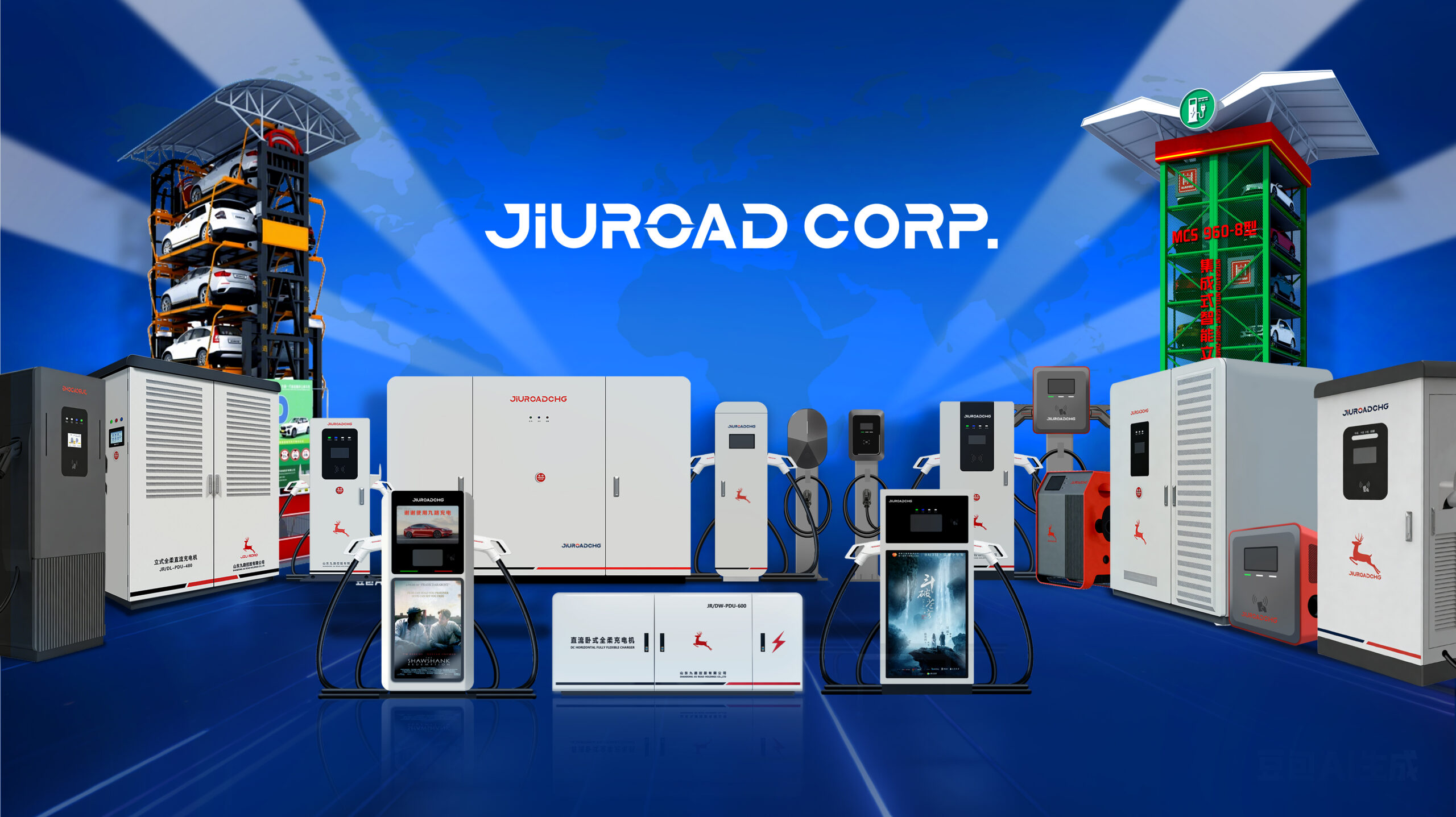
EV hardware distributors entering the commercial charger segment face a certification landscape that is far more demanding than most anticipate. Misaligned documentation, overlooked testing requirements, or outdated compliance records can stall shipments at customs and expose a business to serious regulatory liability. The gap between sourcing a competitively priced unit and legally placing it on the U.S. or European market is where many distributors lose time, margin, and credibility—often due to avoidable oversights.
Key Takeaways
- Commercial EV chargers require stricter UL safety certifications, industrial durability testing, and public-access liability compliance beyond residential unit standards.
- NRTL-approved laboratory reports, FCC declarations, bills of materials, and safety data sheets are critical for smooth customs clearance.
- FCC Part 15 compliance is mandatory to prevent electromagnetic interference, with Class A standards applying specifically to commercial-grade equipment.
- Certification costs range from $15,500 to $100,000+ when combining application fees, laboratory testing, factory audits, and annual surveillance expenses.
- Proactively aligning documentation and standards prevents common delays like mismatched UL/IEC requirements, incomplete reports, and costly recertification cycles.
Why Import Certifications Can Make or Break EV Charger Distributors
How effectively an EV charger distributor navigates import certification requirements often determines whether its products reach the market or stall at the border. The regulatory landscape governing commercial-grade EV chargers spans safety, electromagnetic compatibility, and energy efficiency standards—each enforced by distinct authorities with non-negotiable compliance thresholds.
Distributors that underestimate certification challenges risk shipment seizures, costly re-testing, and market entry delays that erode competitive positioning. A single non-conforming component can trigger rejection of entire product lines. Conversely, distributors who proactively align sourcing, documentation, and testing protocols with destination-country requirements secure faster customs clearance and stronger retailer confidence. In this environment, certification readiness functions not as an administrative formality but as a critical determinant of commercial viability.
How Commercial EV Chargers Differ From Residential Units in Certification Scope
Commercial EV chargers operate at considerably higher power ratings than residential units, subjecting them to more rigorous electrical safety standards and testing protocols that distributors must account for in their certification planning. The compliance scope for commercial installations extends beyond basic electrical safety to encompass public-access liability requirements, ADA considerations, and network communication security standards that residential certifications do not address. Additionally, industrial durability testing—covering environmental exposure, mechanical stress, and sustained high-load cycling—imposes certification timelines and costs that can considerably affect a distributor’s go-to-market strategy.
Higher Power Rating Standards
The certification scope for commercial EV charging equipment diverges sharply from residential requirements, primarily because higher power ratings introduce elevated electrical, thermal, and fire risks that demand more rigorous evaluation. These certification challenges require distributors to account for stricter testing protocols across multiple safety domains.
| Power Rating Tier | Typical Application | Key Certification Requirement |
|---|---|---|
| Level 2 (up to 19.2 kW) | Residential/Light Commercial | UL 2594 baseline testing |
| Level 3 DC Fast (5050 kW) | Commercial stations | UL 2202 with enhanced thermal analysis |
| Ultra-Fast DC (15050 kW) | Fleet/highway corridors | UL 2202 plus additional arc-fault and overcurrent evaluations |
Each escalation in power rating compounds component stress, necessitating more extensive dielectric, endurance, and environmental testing before regulatory approval is granted.
Commercial Safety Compliance Scope
For distributors pursuing market entry, understanding this expanded evaluation framework prevents costly recertification cycles and import delays that erode competitive positioning in commercial deployment timelines.
Industrial Durability Testing Requirements
Because commercial EV chargers operate under sustained high-demand cycles, exposure to harsh environmental conditions, and multi-user access patterns that residential units never encounter, certification bodies impose industrial durability testing requirements that extend well beyond standard residential evaluation protocols.
These durability benchmarks mandate accelerated lifecycle simulations—including repeated connector insertion/withdrawal exceeding 10,000 cycles, thermal shock resistance across extreme temperature ranges, and ingress protection validation under prolonged water and particulate exposure. Testing methodologies further assess mechanical impact resistance (IK ratings), UV degradation tolerance, and sustained electrical load endurance at maximum rated capacity over extended operational periods.
Distributors importing commercial-grade units must verify that manufacturer test documentation aligns with IEC 61851 and UL 2594 industrial-tier requirements, as failing to meet these thresholds introduces significant liability exposure and regulatory non-compliance risk at customs clearance.
UL Listing and NRTL Approval for the U.S. Market
Safety certification stands as a non-negotiable prerequisite for any EV hardware distributor operating in the U.S. market. UL Standards govern commercial charger safety requirements, while the NRTL process validates product conformity through accredited laboratories. Certification challenges frequently emerge when import regulations conflict with overseas manufacturer partnerships, demanding rigorous testing protocols that extend timelines and inflate compliance costs.
Market accessibility hinges on securing proper NRTL approval before units reach distribution channels. Distributors who neglect certification strategies risk product seizure, liability exposure, and permanent market exclusion. Strategic alignment between foreign manufacturers and domestic testing facilities reduces friction. Proactive engagement with safety requirements during the design phase—rather than post-production—minimizes costly redesigns and accelerates commercial deployment across regulated jurisdictions.
FCC Compliance and Electromagnetic Testing Requirements
EV charging hardware distributed in the United States must comply with FCC Part 15 standards, which govern unintentional electromagnetic emissions from electronic devices to prevent interference with licensed radio communications. EMC testing protocols require distributors to verify that charging equipment meets prescribed radiated emissions limits across specified frequency ranges, with non-compliant products subject to market entry restrictions, FCC enforcement actions, and potential recall obligations. Distributors that fail to confirm FCC certification before importing or selling EV hardware expose themselves to significant regulatory and financial risk, particularly as charging stations increasingly incorporate wireless communication modules that heighten electromagnetic compliance complexity.
FCC Part 15 Standards
All electronic devices marketed or distributed in the United States—including EV charging stations, onboard chargers, battery management systems, and DC-DC converters—must comply with FCC Part 15 regulations governing unintentional electromagnetic emissions. Under current FCC guidelines, distributors must guarantee testing requirements are met through accredited laboratories before import logistics commence. Certification pitfalls frequently arise from inadequate effective documentation, including missing technical reports or incomplete product labeling that fails to display required FCC identifiers.
Compliance strategies should incorporate proactive risk management protocols that account for regulatory updates affecting emission thresholds and measurement methodologies. Industry trends indicate increasing enforcement scrutiny on commercial-grade EV hardware, particularly units integrating wireless communication modules. Distributors who neglect pre-market electromagnetic compatibility verification face seizure at customs, costly recalls, and substantial civil penalties.
EMC Testing Protocols
Electromagnetic compatibility testing protocols for EV hardware require structured evaluation across both radiated and conducted emission domains, as specified under FCC Part 15 Subparts B and C. The emc testing importance escalates for commercial-grade chargers operating across a broad frequency range, where e field measurements and susceptibility tests determine market readiness. Compliance methodologies must account for environmental influences affecting signal integrity during immunity analysis.
Distributors should prioritize four testing best practices:
- Testing equipment selection calibrated to ANSI C63.4 standards for repeatable results
- Laboratory accreditation through NVLAP or A2LA to guarantee regulatory acceptance
- Test report interpretation aligned with current regulatory updates from the FCC
- Structured susceptibility tests validating charger performance under real-world electromagnetic stress conditions
Radiated Emissions Limits
Because FCC Part 15 Subpart B establishes the baseline framework for unintentional radiators, radiated emissions limits for EV charging hardware fall under Class A (commercial) or Class B (residential) device classifications—each carrying distinct field strength thresholds measured at specified distances. Class A permits higher emission levels but restricts deployment to commercial environments, while Class B imposes stricter limits suitable for residential proximity.
Distributors importing commercial-grade chargers must verify that radiated emissions testing was conducted at an accredited laboratory using calibrated antennas across the 30 MHz0 GHz spectrum range. Incomplete compliance documentation—missing test reports, ambiguous device classification, or outdated measurement standards—exposes importers to enforcement actions, port holds, and market entry delays. Maintaining traceable records from manufacturer through customs clearance mitigates regulatory risk and accelerates certification review cycles.
CE Marking, IEC Standards, and European Market Access
Before any EV hardware distributor can legally place charging equipment, battery systems, or power electronics on the European market, the product must bear the CE marking—a mandatory conformity indicator demonstrating compliance with all applicable EU directives and regulations. CE Compliance demands adherence to IEC 61851, IEC 62196, and the Low Voltage and EMC Directives, forming the backbone of Testing Protocols distributors must navigate. Market Barriers intensify when Documentation Essentials—technical files, declarations of conformity, and risk assessments—are incomplete. Effective Certification Strategies address four critical pillars:
- Alignment with evolving Regulatory Trends, including the EU Machinery Regulation
- Early engagement with notified bodies to mitigate Approval Challenges
- Harmonization of Global Standards across target jurisdictions
- Structured internal audits ensuring sustained compliance throughout distribution lifecycles
Country-Specific Certifications Most Distributors Overlook
Beyond widely recognized frameworks like CE and UL, numerous country-specific certifications—such as Brazil’s INMETRO, South Korea’s KC Mark, and India’s BIS registration—impose distinct testing and documentation requirements that many EV hardware distributors fail to account for until shipments are held at customs. Lesser-known import mandates, including mandatory in-country testing, local language labeling, or appointed authorized representatives, vary considerably across jurisdictions and can introduce costly delays when overlooked during market-entry planning. Distributors that treat regulatory compliance as a uniform global checklist rather than a jurisdiction-by-jurisdiction risk assessment expose themselves to seizure of goods, financial penalties, and reputational damage in emerging EV markets.
Overlooked Regional Compliance Standards
While most EV hardware distributors correctly prioritize widely recognized certifications—such as UL listing for North American markets or CE marking for the European Union—a significant number fail to account for country-specific compliance requirements that carry equal legal weight and enforcement consequences. These certification pitfalls expose distributors to shipment seizures, fines, and market exclusion.
Key compliance challenges tied to regional standards and market variations include:
- Brazil’s INMETRO certification, which mandates in-country testing that creates documentation discrepancies when relying solely on IEC reports.
- South Korea’s KC Mark, requiring local regulations adherence beyond standard IEC 61851 compliance.
- India’s BIS certification, enforcing product registration before customs clearance.
- Gulf Cooperation Council’s G-Mark, often mistaken as interchangeable with CE marking.
Distributors must audit each target market independently.
Lesser-Known Import Requirements
Distributors routinely underestimate the complexity of country-specific import certifications, treating them as minor administrative steps rather than enforceable legal barriers that can halt product entry at the border. Beyond standard CE or UL markings, markets such as South Korea (KC certification), Japan (PSE compliance), and Brazil (INMETRO approval) impose distinct documentation requirements that demand separate testing protocols, in-country representation, and product-specific labeling.
Import tariffs further complicate entry strategies, as misclassified EV charging equipment triggers unexpected duties and customs delays. Compliance challenges intensify when regulatory updates alter certification scopes without advance notice, leaving distributors exposed to rejection at port inspections. Failing to monitor these evolving frameworks creates cumulative financial and operational risk that erodes market access timelines and strains distributor-supplier relationships beyond recovery.
AC vs. DC Fast Charger Certification: Where the Requirements Diverge
The certification pathways for AC Level 2 chargers and DC fast chargers diverge substantially in scope, testing rigor, and regulatory complexity—a divergence that hardware distributors must map precisely to avoid costly compliance failures.
Key divergence points include:
- Power electronics testing: DC fast chargers require extensive charging performance validation under UL 2202, while AC units follow UL 2594’s comparatively streamlined protocols.
- Thermal management scrutiny: DC units face rigorous thermal cycling assessments absent from AC certification.
- Grid interconnection standards: DC chargers must satisfy IEEE 1547 requirements that AC chargers largely bypass.
- Installation guidelines: DC units demand site-specific engineering reviews, increasing documentation burdens for distributors managing municipal or utility-level approvals.
Misclassifying these requirements introduces significant financial and regulatory exposure.
How to Vet Overseas Manufacturers for Certification Readiness
Sourcing EV charging hardware from overseas manufacturers introduces a distinct layer of certification risk that demands structured due diligence before any purchase commitment. Distributors should request documented evidence of compliance with IEC 61851 and UL 2594 standards, along with third-party test reports from ILAC-accredited laboratories.
Evaluating manufacturing practices requires on-site audits or verified ISO 9001 certification to confirm repeatable production standards. Quality assurance protocols must include component traceability, in-line testing procedures, and batch-level documentation sufficient to satisfy NRTL review requirements.
Distributors should verify whether the manufacturer has previously navigated FCC, DOE, or ENERGY STAR certification pathways for the North American market. Prior certification history greatly reduces timeline uncertainty and indicates familiarity with the regulatory expectations domestic authorities enforce.
Testing Lab Selection and How It Affects Your Approval Timeline
The selection of an accredited testing laboratory directly determines the pace at which EV hardware products move through the certification pipeline, as turnaround times vary considerably between facilities based on workload capacity, equipment availability, and protocol specialization. Laboratories holding Nationally Recognized Testing Laboratory (NRTL) designation from OSHA carry distinct weight in the approval process, since their test reports are accepted by authorities having jurisdiction without supplementary review—eliminating a common bottleneck that can add weeks or months to market entry timelines. Distributors who fail to confirm a lab’s specific NRTL scope of recognition for the applicable product standard risk receiving test reports that regulatory bodies reject, forcing costly retesting and jeopardizing contractual delivery commitments.
Accredited Lab Turnaround Times
Because accredited testing labs vary considerably in their scheduling backlogs, technical specialization, and familiarity with EV-specific standards, the choice of laboratory can compress or extend a distributor’s product approval timeline by weeks or even months. Accredited lab efficiency depends on several measurable factors that distributors should evaluate before committing:
- Current queue depth testing lab capacity fluctuates seasonally, with Q1 and Q3 typically experiencing peak demand from concurrent certification campaigns.
- Standard-specific expertise labs proficient in UL 2594 or IEC 61851 resolve non-conformances faster, reducing retest cycles.
- Pre-testing consultation availability labs offering preliminary design reviews minimize first-pass failure rates.
- Report issuance timelines final certification reports can lag testing completion by two to six weeks depending on internal review protocols.
Distributors who neglect these variables risk costly scheduling miscalculations.
NRTL Recognition Impacts Approval
Whether a testing laboratory holds Nationally Recognized Testing Laboratory (NRTL) recognition from OSHA directly determines whether its certification marks satisfy the code enforcement and authority-having-jurisdiction (AHJ) requirements that govern EV hardware installation across U.S. markets. NRTL definitions establish which testing methods and international standards a lab may evaluate against, directly shaping certification timelines and approval processes for imported commercial-grade chargers.
| Factor | NRTL-Recognized Lab | Non-NRTL Lab |
|---|---|---|
| AHJ Acceptance | Automatic | Requires supplemental review |
| Certification Costs | Standard fee structures | Additional validation fees |
| Timeline Impact | 4 weeks typical | 12+ weeks with import challenges |
Distributors must verify NRTL scope coverage aligns with specific product categories. Compliance updates from OSHA periodically modify recognized lab scopes, creating risk exposure for distributors relying on outdated certifications during active import cycles.
Documentation and Technical Files You’ll Need Before Customs Clearance
Before any EV hardware shipment can clear customs, distributors must assemble a precise set of documentation that satisfies both national import regulations and product-specific compliance requirements. Failure to provide complete technical documentation risks cargo holds, penalties, and shipment rejection at the border.
Distributors should prepare the following critical files in advance:
- NRTL certification reports including test summaries referencing UL or CSA standards applicable to the charger model.
- FCC compliance declarations covering electromagnetic emissions for all electronic components.
- Bill of Materials (BOM) detailing country of origin for tariff classification under applicable customs regulations.
- Product safety data sheets addressing lithium-ion battery components or hazardous materials, where applicable.
Each document must remain current and accessible throughout the import process.
Common Certification Delays and How to Avoid Them
Even with a complete documentation package in hand, distributors frequently encounter certification delays that stall customs clearance and disrupt delivery timelines. Understanding common pitfalls allows stakeholders to proactively compress certification timelines.
| Delay Source | Mitigation Strategy |
|---|---|
| Mismatched UL/IEC standards between product and target market | Verify applicable standard editions before manufacturing |
| Incomplete CB Test Reports missing national deviations | Request deviation-specific testing upfront from accredited labs |
| Firmware updates invalidating prior certifications | Lock firmware versions before submission; recertify post-update |
| FCC/IC electromagnetic compatibility test failures | Conduct pre-compliance EMC screening early in development |
| Inconsistent nameplate data across regulatory documents | Centralize product data management to guarantee cross-document alignment |
Distributors who audit documentation against destination-country requirements before shipment markedly reduce hold times and avoid costly port storage fees.
Costs of EV Charger Import Certification From Application to Approval
Certification costs for importing EV chargers span multiple discrete fee categories—application filing, laboratory testing, factory inspections, and ongoing surveillance—each of which varies substantially by target market, product power rating, and the number of applicable standards.
Key cost components include:
- Application costs ranging from $500 to $5,000 per certification body, depending on jurisdiction and charger classification.
- Laboratory testing fees between $10,000 and $80,000, driven by power output levels and protocol complexity.
- Factory audit expenses, including auditor travel, typically adding $3,00015,000 per inspection cycle.
- Annual surveillance fees of $2,00010,000 to maintain active certification status.
Each fee directly influences the overall approval timeline. Distributors who budget insufficiently risk stalled applications, retesting mandates, or lapsed certifications—all of which compound financial exposure and delay market entry.
Maintaining Compliance When Manufacturers Update Hardware or Firmware
When manufacturers release hardware revisions or firmware updates to deployed EV charger models, distributors bear the regulatory burden of determining whether each change triggers recertification, supplementary testing, or a simple administrative filing with the relevant certification body. Not all hardware changes carry equal weight; a revised power module may demand full retesting, while a cosmetic enclosure modification may not.
Distributors must establish structured manufacturer communications protocols to receive advance notice of pending modifications. Without systematic compliance audits, certification shifts can occur silently, leaving previously approved units noncompliant in the field. Firmware updates affecting metering accuracy, safety interlocks, or communication protocols frequently require regulatory adjustments that distributors cannot defer. Proactive tracking systems that catalog every revision against existing certification scopes remain the most reliable safeguard against inadvertent non-compliance.
Build a Repeatable Certification Workflow That Scales With Your Catalog
- Intake checklists tied to product category, ensuring required test reports and documentation are collected before submission.
- Certification templates pre-mapped to target markets, specifying applicable standards per jurisdiction.
- Automated milestone tracking that flags expiring certificates, pending lab results, and regulatory deadline shifts.
- Version-controlled document repositories linking each SKU to its current certification status.
This structured approach transforms certification from a bottleneck into a repeatable, auditable competency.
Conclusion
For EV hardware distributors, import certifications serve as the gatekeepers standing between inventory and market access. Each regulatory requirement—UL listings, FCC compliance, CE marking—demands meticulous documentation and proactive management. Overlooking firmware updates or underestimating testing timelines introduces costly exposure. Distributors who establish repeatable, scalable certification workflows position themselves to onboard new SKUs efficiently while mitigating compliance risk. In this landscape, regulatory precision is not overhead—it is the foundation of sustainable distribution growth.