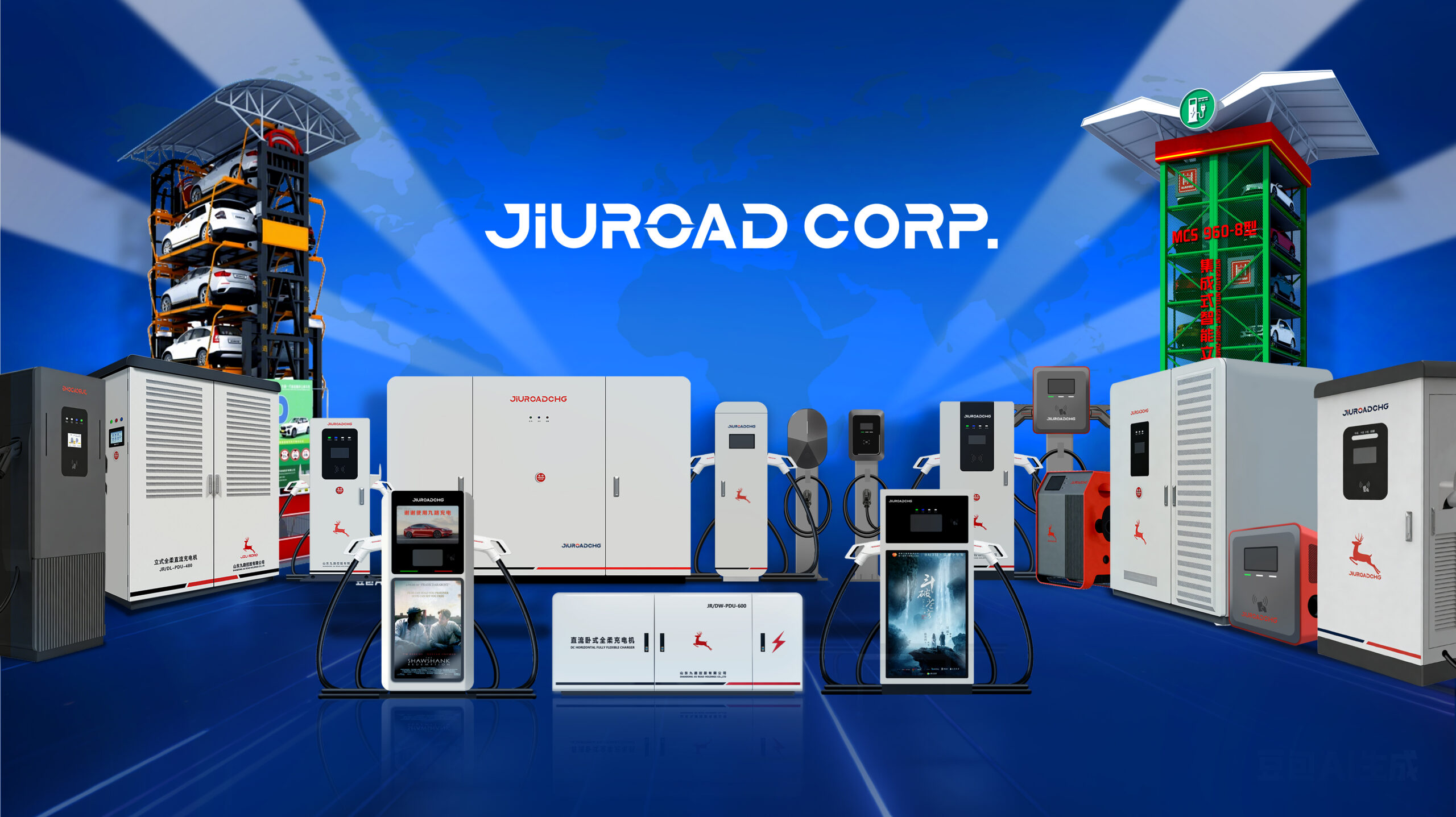
Fleet operators lose an estimated $300 to $500 per vehicle for every day a car sits idle. Ride-hailing and rental car companies have responded by developing ultra-fast hubs—centralized facilities engineered to slash turnaround times from hours to minutes. These operations combine automated systems, predictive maintenance, and real-time tracking to keep vehicles cycling continuously. The difference between profitable fleet management and operational loss often comes down to one factor: speed.
Key Takeaways
- Ultra-fast hubs integrate cleaning, inspection, maintenance, and dispatch into seamless workflows, reducing vehicle processing time from 45 minutes to under 15 minutes.
- Automated cleaning systems deliver sub-three-minute cleaning cycles, processing over 20 vehicles hourly while cutting per-vehicle cleaning costs by 40%.
- Real-time GPS tracking and predictive analytics anticipate vehicle availability, enabling efficient fleet optimization and reducing costly downtime periods.
- Parallel processing capabilities allow hubs to service multiple vehicles simultaneously, increasing rental cycles by 150-200 monthly for 500-vehicle fleets.
- Rapid diagnostic systems continuously monitor vehicle health data and automatically generate maintenance work orders, minimizing extended offline periods.
Why Vehicle Downtime Costs Ride-Hailing Companies Millions
Every hour a vehicle sits idle in a maintenance bay or waiting for inspection represents direct revenue loss for ride-hailing operators. Industry data indicates that a single inactive vehicle can cost operators between $150 to $300 daily in missed fares, depending on market demand and peak hours.
Fleet managers recognize that vehicle reliability directly impacts driver earnings and platform reputation. When cars remain offline for extended periods, drivers seek alternative platforms, creating a compounding retention problem.
Effective turnover strategies become essential for minimizing these losses. Companies implementing rapid inspection protocols and streamlined maintenance workflows report 40% reductions in average downtime. The financial impact scales dramatically across large fleets, where even minor efficiency improvements translate to millions in recovered annual revenue.
What Exactly Is an Ultra-Fast Hub?
An ultra-fast hub is a centralized facility engineered to minimize vehicle turnaround time through streamlined workflows and strategic resource allocation. These hubs integrate key technology components including automated scheduling systems, real-time diagnostic equipment, and digital inventory management to eliminate operational bottlenecks. The result is measurable speed and efficiency benefits, with leading facilities reducing standard turnaround times by 40-60% compared to traditional service models.
Defining Ultra-Fast Hubs
Ultra-fast hubs represent a specialized facility model engineered to minimize vehicle dwell time between rental or ride-hailing deployments. These centralized locations integrate cleaning, inspection, maintenance, and dispatch operations into streamlined workflows that compress traditional turnaround times from hours to minutes.
Within hub definitions, ultra-fast facilities distinguish themselves through parallel processing capabilities and real-time inventory tracking systems. Vehicles entering these hubs undergo simultaneous service protocols rather than sequential queuing, dramatically accelerating throughput rates.
Ultra fast logistics principles govern every operational aspect, from staffing algorithms that match labor resources to predicted demand patterns to equipment positioning that eliminates unnecessary movement. Data analytics continuously monitor key performance indicators including average processing time, quality compliance rates, and deployment readiness scores. This systematic approach transforms vehicle turnover from an operational bottleneck into a competitive advantage.
Key Technology Components
Several core technology components distinguish ultra-fast hubs from conventional vehicle processing facilities. Automated license plate recognition systems identify incoming vehicles within seconds, triggering immediate workflow assignments. IoT sensors continuously monitor vehicle status, fuel levels, and maintenance requirements without manual inspection delays.
Central to hub operations is robust data integration connecting fleet management platforms, booking systems, and maintenance databases. This unified architecture eliminates information silos that typically slow vehicle processing. Real-time dashboards display queue status, technician availability, and turnaround metrics.
Mobile applications enhance user experience for both customers and staff. Drivers receive precise parking assignments and estimated wait times, while technicians access digital checklists and service histories instantly. Predictive analytics forecast demand patterns, enabling proactive vehicle positioning that reduces idle time between rentals or ride assignments.
Speed and Efficiency Benefits
When vehicle turnover speed directly impacts revenue generation, ultra-fast hubs deliver measurable performance advantages over traditional processing centers. These facilities reduce average vehicle processing time from 45 minutes to under 15 minutes, translating directly to increased fleet utilization rates.
Data from leading operators demonstrates that optimized turnover strategies yield 30-40% improvements in daily vehicle cycling capacity. This operational excellence stems from parallel processing workflows, where cleaning, inspection, and fueling occur simultaneously rather than sequentially.
The efficiency gains compound across fleet operations. A 500-vehicle fleet processed through ultra-fast hubs can achieve an additional 150-200 rental cycles monthly compared to conventional methods. This acceleration reduces idle inventory costs while maximizing revenue-generating hours per vehicle—a critical metric for companies operating on thin margins in competitive markets.
How Traditional Fleet Maintenance Falls Short
Inefficiency remains the defining characteristic of traditional fleet maintenance approaches within ride-hailing and rental car operations. Traditional maintenance protocols typically require vehicles to remain offline for extended periods, sometimes spanning multiple days for routine servicing. This downtime translates directly into lost revenue and reduced fleet availability during peak demand windows.
Efficiency challenges compound when examining scheduling bottlenecks inherent in conventional service centers. Vehicles queue for attention, technicians handle tasks sequentially, and parts procurement delays extend turnaround times unpredictably. Data indicates traditional facilities process considerably fewer vehicles per technician hour compared to optimized hub models.
The fragmented nature of legacy systems prevents real-time tracking of maintenance status, leaving fleet managers without visibility into vehicle readiness. This operational blindness creates scheduling conflicts and underutilizes available inventory during critical rental periods.
The Core Components of a High-Efficiency Turnover Hub
A high-efficiency turnover hub integrates three critical systems that work in coordination to minimize vehicle downtime. Automated vehicle inspection systems eliminate manual assessment bottlenecks, while purpose-built rapid cleaning stations reduce reconditioning time by up to 40% compared to conventional setups. Streamlined fleet tracking technology ties these components together, providing real-time visibility into each vehicle’s status and location throughout the turnover pipeline.
Automated Vehicle Inspection Systems
Key capabilities include:
- 360-degree scanning technology that captures exterior conditions and identifies scratches, dents, or paint anomalies
- Tire tread and brake pad sensors providing real-time wear assessments for predictive maintenance scheduling
- Interior air quality monitors detecting odors, smoke residue, or contamination requiring remediation
Fleet operators utilizing these systems report 40% faster processing times and 60% reduction in disputed damage claims.
Rapid Cleaning Station Design
Once vehicles clear the automated inspection phase, they proceed to rapid cleaning stations engineered for maximum throughput without compromising quality standards.
These stations utilize parallel processing bays where interior and exterior cleaning occur simultaneously. Vacuum systems with retractable hoses minimize technician movement, while pre-mixed cleaning solutions dispense at calibrated volumes. Average interior turnaround times drop to 8-12 minutes per vehicle through standardized cleaning protocols and ergonomic tool placement.
Efficiency optimization drives every design element. Stations incorporate real-time tracking dashboards displaying queue depths, completion rates, and bottleneck alerts. Maintenance scheduling for equipment—pressure washers, vacuums, and dispensers—follows predictive models based on usage cycles rather than arbitrary intervals. This prevents unexpected downtime during peak periods. Water reclamation systems reduce resource consumption by 60%, supporting both operational cost targets and environmental compliance requirements.
Streamlined Fleet Tracking Technology
Beyond physical cleaning infrastructure, fleet tracking technology forms the operational backbone connecting every turnover hub function. Real-time GPS monitoring combined with predictive analytics enables fleet optimization by anticipating vehicle availability before arrivals occur. Integrated software platforms coordinate cleaning crews, maintenance technicians, and dispatch personnel through unified dashboards displaying live vehicle status.
Key technological components include:
- Automated condition sensors detecting fuel levels, tire pressure, and maintenance alerts upon hub entry
- Dynamic scheduling algorithms achieving demand responsiveness by repositioning vehicles based on booking patterns
- RFID-enabled key management systems reducing handoff delays to under 90 seconds
These interconnected systems eliminate communication gaps between departments. Data captured during each turnover cycle feeds continuous improvement models, allowing operators to identify bottlenecks and adjust staffing levels with precision.
Automated Car Washes That Clean Vehicles in Under Three Minutes
Automated car washes engineered for sub-three-minute cycles deliver measurable throughput gains for ride-hailing and rental fleets managing high-volume vehicle turnover. These systems process 20 or more vehicles per hour, eliminating manual labor bottlenecks that previously constrained daily output. The automated wash technology employs high-pressure jets, friction-based brushes, and rapid-dry blowers calibrated to remove road grime without damaging exterior finishes.
Cleaning efficiency metrics show consistent results across thousands of cycles, with sensors detecting soil levels and adjusting chemical application accordingly. Fleet operators report 40% reductions in per-vehicle cleaning costs compared to traditional detailing methods. Integration with fleet management software triggers wash sequences automatically when vehicles enter designated zones, removing scheduling friction. This systematic approach guarantees every car meets presentation standards before passenger pickup or customer handoff.
Rapid Diagnostic Systems That Spot Problems Before Drivers Do
Rapid diagnostic systems continuously scan vehicle health data across engine performance, brake wear, tire pressure, and electrical systems, flagging anomalies before they escalate into roadside breakdowns or costly repairs. These diagnostic innovations integrate directly with fleet management platforms, transmitting real-time alerts to maintenance teams. Proactive maintenance protocols reduce vehicle downtime by addressing issues during scheduled hub visits rather than emergency service calls.
Key capabilities driving operational efficiency include:
- Predictive analytics that calculate remaining component lifespan based on usage patterns and historical failure data
- Automated work order generation that prioritizes repairs by severity and vehicle scheduling demands
- Integration with parts inventory systems that guarantees replacement components arrive before vehicles enter service bays
This data-driven approach minimizes unexpected failures while extending overall fleet longevity and reducing per-vehicle maintenance expenditures.
How Uber and Lyft Structure Their Hub Operations
While predictive diagnostics optimize vehicle health at the component level, the physical infrastructure supporting these maintenance operations determines whether efficiency gains translate into measurable fleet uptime improvements.
Uber and Lyft employ distinct hub management approaches tailored to their operational models. Uber operates centralized Greenlight Hubs in major metropolitan areas, combining driver support services with vehicle inspection capabilities. These facilities process hundreds of vehicles daily through standardized checkpoints.
Lyft’s operational strategies emphasize partnership networks, leveraging third-party service centers rather than maintaining extensive proprietary facilities. This asset-light model reduces capital expenditure while maintaining geographic coverage.
Both companies utilize digital queue management systems that minimize driver wait times. Real-time capacity monitoring guarantees technician utilization rates exceed 85%, while mobile check-in protocols eliminate administrative bottlenecks that traditionally plague high-volume service operations.
Enterprise and Hertz: Rental Giants Leading the Hub Revolution
Because traditional rental companies manage owned vehicle inventories rather than driver-partner networks, Enterprise and Hertz have developed hub infrastructures that prioritize rapid turnaround metrics above all other operational considerations.
Enterprise’s hub innovation centers on 15-minute vehicle preparation cycles, while Hertz deploys automated wash-and-inspect systems achieving 12-minute turnarounds. Both companies leverage fleet collaboration strategies with maintenance vendors to minimize downtime.
Key operational benchmarks driving rental hub efficiency:
- Vehicle inspection protocols: Standardized 47-point digital checklists reduce assessment time by 40%
- Predictive maintenance integration: Real-time diagnostics flag issues before vehicles exit service bays
- Dynamic staging algorithms: Software positions high-demand vehicles nearest exit points
These data-driven approaches enable Enterprise and Hertz to process 300+ vehicles daily per hub location, maintaining utilization rates exceeding 78% during peak demand periods.
Real-Time Fleet Tracking and Predictive Scheduling
Fleet operators now deploy GPS-enabled vehicle monitoring systems to track asset locations, utilization rates, and driver behavior in real time, enabling dispatchers to optimize vehicle allocation across service zones. Demand forecasting algorithms analyze historical booking patterns, weather data, and local events to predict fleet requirements with increasing accuracy, reducing both idle inventory and shortage scenarios. Automated maintenance alerts integrate with vehicle diagnostics to schedule servicing based on actual wear metrics rather than fixed intervals, minimizing unexpected breakdowns and maximizing fleet availability.
GPS-Enabled Vehicle Monitoring
Fleet managers leverage continuous GPS data streams to identify bottlenecks, optimize routes, and enforce geofencing boundaries around service areas.
- Automated alerts notify supervisors when vehicles deviate from assigned zones or remain stationary beyond threshold limits
- Historical movement data reveals patterns that inform strategic hub placement and staffing decisions
- Integration with maintenance systems triggers service appointments based on actual mileage and operating conditions
These capabilities compress decision cycles from hours to seconds, ensuring vehicles spend maximum time generating revenue rather than sitting idle.
Demand Forecasting Algorithms
While GPS tracking reveals where vehicles are now, demand forecasting algorithms predict where they will need to be—transforming reactive fleet management into proactive resource allocation.
These systems analyze historical demand patterns, weather data, local events, and seasonal trends to optimize vehicle positioning. Algorithm accuracy directly impacts operational costs, with leading platforms achieving 85-95% prediction reliability for 24-hour windows.
| Forecasting Input | Data Source | Operational Impact |
|---|---|---|
| Historical demand patterns | Booking databases | Baseline fleet positioning |
| Real-time events | Calendar APIs, news feeds | Surge preparation |
| Weather conditions | Meteorological services | Demand adjustment modeling |
Predictive scheduling enables hubs to pre-stage vehicles before demand spikes occur. This data-driven approach reduces customer wait times, minimizes deadhead mileage, and guarantees maintenance windows align with anticipated low-demand periods.
Automated Maintenance Alerts
Because vehicle breakdowns generate cascading operational disruptions—stranded customers, emergency towing costs, and scheduling gaps—automated maintenance alert systems have become essential infrastructure for modern fleet operators. These systems leverage real-time telematics data to monitor engine diagnostics, tire pressure, brake wear, and fluid levels continuously across entire fleets.
Predictive maintenance algorithms analyze historical performance patterns alongside current sensor readings to forecast component failures before they occur. This approach enables efficiency optimization through strategic scheduling that minimizes vehicle downtime during peak demand periods.
Key system capabilities include:
- Threshold-based triggers that automatically generate work orders when metrics deviate from acceptable ranges
- Integration with parts inventory systems to guarantee replacement components are pre-positioned at service hubs
- Dynamic routing protocols that redirect flagged vehicles to nearest maintenance facilities without disrupting active reservations
Staffing Models That Keep Ultra-Fast Hubs Running 24/7
Coordinating around-the-clock operations at high-volume rental and ride-hailing hubs demands staffing models engineered for both flexibility and predictability. Effective staffing strategies rely on demand forecasting algorithms that analyze historical booking patterns, flight schedules, and seasonal fluctuations to optimize shift coverage.
Leading operators deploy tiered workforce structures combining full-time core teams with on-call specialists who activate during peak periods. Cross-training programs guarantee personnel can shift between vehicle inspection, customer service, and logistics roles as operational needs evolve throughout each 24-hour cycle.
Workforce retention hinges on predictable scheduling, competitive differential pay for overnight shifts, and clear advancement pathways. Data dashboards track individual productivity metrics alongside team performance benchmarks, enabling supervisors to balance workloads and identify burnout risks before they impact turnover rates or hub throughput capacity.
How Hubs Handle Peak Demand Without Creating Bottlenecks
Peak demand surges at major rental and ride-hailing hubs can multiply standard transaction volumes by three to five times within concentrated windows, requiring systematic throughput management to prevent cascading delays. Achieving peak efficiency depends on predictive analytics that forecast arrival patterns based on flight schedules, event calendars, and historical data.
Effective demand management strategies include:
- Dynamic lane allocation that redirects vehicle flow based on real-time queue depth sensors
- Pre-staging protocols positioning cleaned vehicles in designated zones before anticipated rush periods
- Staggered shift overlaps ensuring maximum staffing density during predictable surge windows
Hub operators continuously monitor key performance indicators including average transaction time, queue length ratios, and vehicle dwell duration. These metrics enable rapid operational adjustments, maintaining consistent throughput even when customer volumes spike unexpectedly.
The ROI of Investing in Ultra-Fast Hub Infrastructure
Investing in ultra-fast hub infrastructure generates measurable returns through reduced vehicle idle time, increased daily transaction capacity, and lower labor costs per rental processed. Companies implementing strategic investment strategies report 40% improvements in fleet utilization rates within the first operational year.
Infrastructure benefits extend beyond immediate throughput gains. Automated check-in kiosks reduce staffing requirements by 25%, while integrated cleaning systems cut turnaround times from 45 minutes to under 15. These efficiencies compound during peak periods when traditional hubs experience exponential delays.
Financial modeling indicates payback periods averaging 18-24 months for thorough hub upgrades. Operators tracking cost-per-transaction metrics observe 30% reductions post-implementation. The data confirms that infrastructure modernization directly correlates with competitive positioning in markets where vehicle availability determines customer acquisition and retention.
Electric Vehicles and the New Challenges for Hub Design
The shift to electric vehicles introduces significant operational complexities that require fundamental rethinking of hub infrastructure, particularly regarding charging station density, power grid capacity, and equipment placement. Fleet managers must implement battery range optimization strategies that account for variable factors such as temperature impact on battery performance, driver behavior patterns, and route planning to minimize vehicle downtime. Hub layouts now require reconfiguration to accommodate charging bays, electrical infrastructure, and modified traffic flow patterns that prioritize rapid vehicle cycling while maintaining throughput efficiency.
EV Charging Infrastructure Requirements
As ride-hailing and rental car fleets accelerate their shift to electric vehicles, hub operators face fundamental redesigns of their facility infrastructure to accommodate charging demands at scale. Each charging station requires substantial electrical capacity, with Level 3 DC fast chargers demanding 50-350 kW per unit. Infrastructure investment calculations must account for grid connectivity upgrades, transformer installations, and load management systems.
Hub operators analyze utilization metrics to optimize charging station deployment:
- Peak demand patterns determining charger-to-vehicle ratios (typically 1:4 for high-turnover operations)
- Dwell time data informing charger speed specifications across service zones
- Energy cost differentials driving time-of-use scheduling protocols
Electrical infrastructure costs often exceed $50,000 per fast-charging station when including grid upgrades, representing significant capital allocation decisions for fleet operators scaling EV adoption.
Battery Range Optimization Strategies
Beyond charging infrastructure investments, fleet operators must implement systematic approaches to maximize usable range from each vehicle’s battery capacity. Battery capacity optimization requires monitoring degradation patterns across vehicle fleets and rotating high-mileage units to prevent accelerated wear.
Energy efficiency techniques include pre-conditioning vehicles while still connected to chargers, reducing HVAC loads on battery reserves during trips. Fleet management systems now track real-time consumption data, identifying drivers whose behaviors—aggressive acceleration, excessive idling—diminish range performance.
Route optimization algorithms factor elevation changes and traffic density into assignments, matching vehicles with appropriate remaining charge to specific trip distances. Some operators implement regenerative braking score tracking, incentivizing drivers who maximize energy recovery. These data-driven interventions typically yield 8-15% improvements in effective range, directly reducing charging frequency and increasing vehicle availability during peak demand periods.
Hub Layout Adaptations
Electric vehicle integration fundamentally reshapes hub facility requirements, demanding substantial modifications to layouts originally engineered for internal combustion fleets. Hub design now prioritizes electrical infrastructure placement, charging station accessibility, and traffic flow patterns that accommodate longer vehicle dwell times during charging cycles.
Layout enhancement strategies focus on three critical operational imperatives:
- Electrical capacity zoning: Positioning high-voltage charging equipment near grid connection points minimizes infrastructure costs while maximizing power delivery efficiency
- Sequential staging areas: Dedicated zones for pre-charge inspection, active charging, and post-charge deployment reduce bottlenecks and improve throughput metrics
- Thermal management spacing: Adequate clearance between charging stations prevents heat accumulation and maintains ideal battery charging conditions
Fleet operators report 23% improvements in vehicle processing rates after implementing EV-specific hub design modifications that eliminate legacy layout inefficiencies.
Common Mistakes Companies Make When Building Turnover Hubs
Despite significant capital investments in turnover hub infrastructure, many ride-hailing and rental car companies fail to achieve projected operational efficiencies due to fundamental design and process errors.
The most critical vehicle turnover failures stem from inadequate staging area calculations, where operators underestimate peak demand requirements by 20-30%. Poor traffic flow design creates bottlenecks that compound during high-volume periods, reducing hub efficiency by up to 40%.
Additional errors include insufficient electrical infrastructure for EV charging expansion, neglecting weather protection for detailing stations, and implementing rigid layouts that cannot adapt to fleet composition changes. Companies frequently underinvest in real-time tracking systems, resulting in poor visibility across turnover stages. These oversights transform potentially streamlined operations into costly inefficiencies that erode profit margins.
What’s Next for Fleet Turnover Technology?
How quickly fleet turnover technology evolves will determine which operators capture competitive advantages in an increasingly margin-sensitive market. Future innovations point toward fully autonomous vehicle repositioning, predictive maintenance integration, and real-time demand forecasting that adjusts turnover schedules dynamically.
Digital integration between fleet management systems, customer apps, and hub operations creates unified data ecosystems. This connectivity enables:
- Automated vehicle health assessments that trigger maintenance workflows before turnover completion
- AI-driven bay assignments that optimize technician routing and reduce idle time by 15-20%
- Blockchain-enabled vehicle history tracking that streamlines multi-party fleet transactions
Operators investing in modular, API-first infrastructure position themselves to adopt emerging technologies without system overhauls. The trajectory favors platforms that treat turnover hubs not as cost centers but as data-generating assets driving operational intelligence across the enterprise.
Conclusion
As the adage goes, time is money—and nowhere is this truer than in fleet operations. Ultra-fast hubs represent a fundamental shift in how ride-hailing and rental car companies approach vehicle turnover. By integrating automated systems, real-time analytics, and streamlined workflows, operators can reduce downtime by up to 40% while maximizing fleet utilization. Companies that fail to modernize their turnover infrastructure will inevitably fall behind competitors who prioritize operational efficiency.