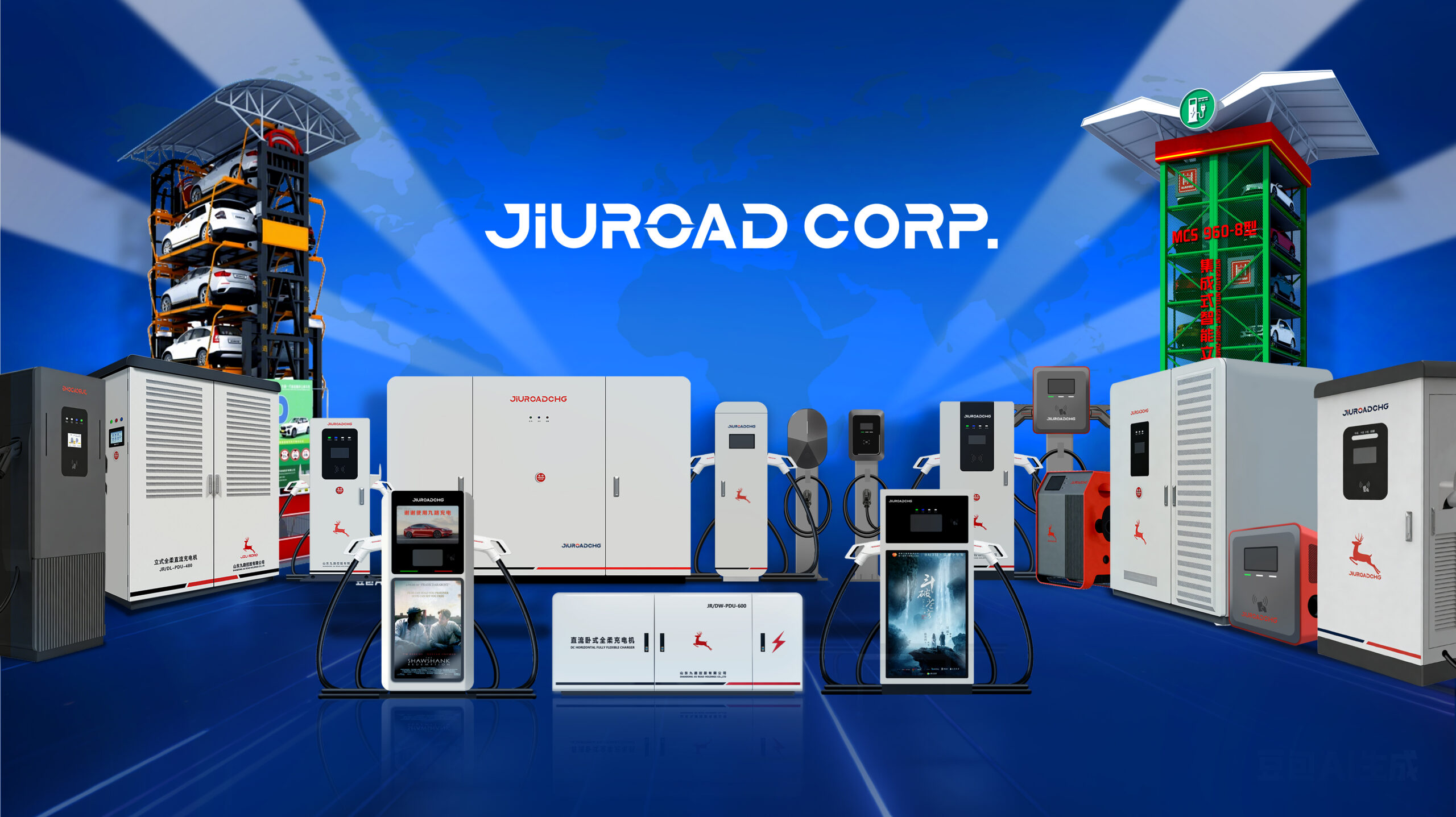
Kuwait’s strategic pivot from hydrocarbon dependency toward electrified transport infrastructure presents calculated opportunities for Charge Point Operators evaluating Gulf market entry. The 480kW to 1440kW modular investment tier offers emerging CPOs a risk-mitigated pathway into a region projecting 34% compound annual growth in EV charging demand. However, favorable projections alone do not guarantee returns—grid constraints, regulatory frameworks, and capital deployment timing will separate profitable ventures from stranded assets.
Key Takeaways
- Kuwait’s 34% CAGR for EV charging infrastructure creates significant first-mover advantages for CPOs deploying scalable 480kW-1440kW modular systems.
- Government incentives including 40% capital cost coverage, tax holidays, and import duty waivers substantially improve IRR projections for modular investments.
- 480kW configurations achieve breakeven in 28-34 months, while 1440kW systems take longer but deliver higher terminal value and 23.7% risk-adjusted IRR.
- Grid capacity constraints and 8-14 month connection approval delays require careful infrastructure readiness assessments before committing to modular deployments.
- Hybrid strategies combining local partnerships with phased proprietary builds reduce initial capital requirements by 40-60% while managing regulatory compliance risks.
Why Kuwait’s Oil-to-Electron Pivot Creates a CPO Gold Rush
Kuwait’s ambitious 15% renewable energy target by 2030 represents a fundamental shift in how the nation monetizes its hydrocarbon wealth, channeling petrodollars into grid-scale solar and wind infrastructure that demands unprecedented volumes of power conversion equipment.
This oil evolution creates immediate market opportunities for Charge Point Operators positioned to deploy modular technology across Kuwait’s expanding electrification corridor. The Kuwait Authority for Partnership Projects has allocated $7.2 billion toward renewable integration, with CPO infrastructure representing a critical downstream investment category.
Market analysts project compound annual growth rates exceeding 34% for EV charging infrastructure in Gulf Cooperation Council nations through 2028. Early entrants leveraging scalable 480kW-1440kW systems capture first-mover advantages in government tender processes while mitigating deployment risk through phased capital expenditure aligned with demand growth trajectories.
Vision 2035 Incentives That Favor Modular Charging Investments
Kuwait’s Vision 2035 framework establishes a compelling fiscal environment for charge point operators through targeted tax exemptions that directly improve project IRR calculations. Renewable energy integration bonuses further enhance returns for operators deploying solar-paired charging infrastructure, while infrastructure development grant programs reduce upfront capital requirements by an estimated 15-25%. These layered incentives collectively de-risk modular charging investments, creating a measurable cost advantage over traditional fixed-infrastructure deployment models.
Tax Exemptions for CPOs
Several tax exemption mechanisms under Kuwait Vision 2035 create favorable conditions for Charge Point Operators pursuing modular infrastructure deployments. These fiscal policies deliver measurable investment benefits through reduced capital recovery periods and improved IRR projections for scalable charging assets.
Key regulatory advantages include:
- Import duty waivers on EV charging equipment reducing upfront costs by 12-18%
- Corporate tax holidays spanning five years for qualifying clean energy infrastructure
- Accelerated depreciation schedules enabling faster capital write-offs on modular units
- VAT exemptions on electricity consumed for public charging operations
These economic strategies provide essential financial support during market development phases. CPOs leveraging tax incentives can redirect preserved capital toward network expansion, transforming fiscal policy alignment into competitive positioning within Kuwait’s emerging electrification ecosystem.
Renewable Energy Integration Bonuses
Additional financial incentives emerge through Kuwait Vision 2035‘s renewable energy integration bonuses, which provide CPOs with supplementary returns for connecting modular charging infrastructure to solar or hybrid power sources. This incentives overview reveals bonus payments ranging from 8-12% of installation costs for qualifying renewable-integrated systems.
Market dynamics favor modular configurations in this framework. The 480kW-1440kW scalable architecture enables phased renewable integration, allowing CPOs to capture bonuses incrementally as solar capacity expands. Systems achieving 40% or greater renewable energy contribution qualify for enhanced tier bonuses, improving project IRR by 2.3-3.1 percentage points.
Risk-adjusted analysis indicates renewable integration reduces operational exposure to grid tariff volatility while generating dual revenue streams. CPOs combining tax exemptions with renewable bonuses achieve payback periods 18-24 months shorter than conventional grid-dependent installations.
Infrastructure Development Grant Programs
Beyond renewable energy bonuses, Infrastructure Development Grant Programs under Kuwait Vision 2035 allocate substantial capital to accelerate EV charging deployment across strategic corridors and urban centers. These infrastructure funding mechanisms specifically target modular installations within the 480kW-1440kW range, recognizing their scalability advantages for emerging CPOs.
Development opportunities under this framework include:
- Up to 40% capital cost coverage for qualifying modular charging installations
- Priority permitting for projects demonstrating phased expansion capabilities
- Reduced grid connection fees for infrastructure meeting national standardization requirements
- Performance-based supplemental grants tied to utilization metrics
Risk-adjusted returns improve substantially when operators leverage these grants effectively. CPOs securing infrastructure funding commitments before market saturation face lower competitive pressure and enhanced margin protection. Strategic alignment with Vision 2035 objectives positions modular investments favorably within Kuwait’s evolving regulatory landscape.
480kW vs 720kW vs 1440kW: Match Power Tiers to Kuwait Site Types
Matching charger power tiers to specific site categories represents a critical capital allocation decision that directly impacts utilization rates, revenue potential, and payback timelines across Kuwait’s emerging EV infrastructure.
The 480kW power tier suits urban retail locations and workplace facilities where dwell times exceed 30 minutes, maximizing modular benefits through incremental deployment. Highway corridors and fuel station conversions demand 720kW configurations, balancing throughput requirements against grid connection costs. Premium destinations—airports, major shopping complexes—justify 1440kW installations where high-volume traffic supports accelerated ROI.
Investment considerations must account for site types and their distinct demand profiles. Scaling strategies should prioritize operational efficiencies through standardized equipment across tiers, reducing maintenance complexity. Risk-adjusted analysis favors starting at lower kW power levels, with modular expansion rights preserving upside while limiting initial capital exposure.
How Modular Architecture Protects Your Capital as Demand Scales
Deploying modular charging architecture fundamentally shifts the risk profile of EV infrastructure investments by decoupling initial capital outlay from long-term capacity requirements. This modular resilience enables CPOs to deploy 480kW configurations initially, then scale incrementally as utilization data validates expansion decisions.
Capital preservation becomes achievable through phased investment strategies:
- Reduced stranded asset risk when demand projections miss targets
- Lower financing costs with smaller initial debt obligations
- Improved IRR metrics by matching capacity to actual throughput
- Enhanced technology flexibility allowing hardware upgrades without full replacement
Kuwait’s evolving EV adoption rates remain difficult to forecast precisely. Modular systems transform this uncertainty from a liability into manageable operational variance, protecting investor capital while maintaining upside participation as the market matures.
Grid Connection Realities CPOs Face in Kuwait’s Infrastructure
Charge Point Operators entering Kuwait’s market must contend with grid infrastructure that was designed for residential and industrial loads, not the concentrated power demands of fast-charging stations. Kuwait’s electricity network operates near capacity during peak summer months, creating allocation constraints that directly impact site feasibility and connection timelines. The utility approval process adds further complexity, requiring CPOs to navigate multi-agency coordination with the Ministry of Electricity, Water and Renewable Energy—a pathway that can extend project timelines by 12 to 18 months and considerably affect capital deployment schedules.
Kuwait’s Grid Capacity Limits
While Kuwait’s Ministry of Electricity and Water maintains nominal generating capacity exceeding 20,000 MW, the practical reality for CPOs seeking grid connections reveals significant constraints that directly impact project timelines and capital deployment.
Peak summer energy demand routinely strains grid capacity to critical thresholds, with consumption exceeding 15,500 MW during June-August. CPOs face material risks:
- Connection approval delays averaging 8-14 months in congested urban substations
- Transformer upgrade requirements adding $50,000-$200,000 to project costs
- Load-shedding protocols that can interrupt charging operations during peak periods
- Priority allocation favoring residential and industrial users over commercial EV infrastructure
These grid capacity limitations necessitate strategic site selection prioritizing substations with available headroom. CPOs deploying 480kW-1440kW systems must factor infrastructure adequacy assessments into due diligence, treating grid access as a primary investment criterion.
Utility Approval Process Challenges
Bureaucratic complexity compounds the infrastructure challenges CPOs encounter when traversing Kuwait’s utility approval process. Regulatory hurdles typically extend project timelines by 6-18 months, creating significant capital deployment delays and increased carrying costs.
| Approval Stage | Timeline (Months) | Risk Factor |
|---|---|---|
| Initial Application | 2-4 | Documentation rejection |
| Technical Assessment | 3-6 | Capacity denial |
| Infrastructure Survey | 2-4 | Site modifications |
| Final Interconnection | 3-5 | Equipment compliance |
| Commissioning | 1-2 | Inspection delays |
Utility infrastructure requirements mandate multiple ministry coordinations, including MEW, municipality, and environmental authorities. Each agency maintains independent review protocols, compounding approval complexity. CPOs face financial exposure during extended waiting periods, with site lease obligations accruing without revenue generation. Strategic operators increasingly engage specialized consultants to navigate regulatory frameworks, factoring 15-20% contingency into project budgets.
Site Selection Criteria for High-Traffic Kuwaiti Corridors
Ideal placement of charging infrastructure along Kuwait’s busiest transportation arteries requires analysis of multiple intersecting variables that directly impact return on investment and utilization rates. Traffic patterns and demographic trends reveal prime corridors where EV adoption concentrates, while competition analysis identifies underserved zones with latent demand. Site accessibility and location visibility directly correlate with utilization metrics, making these non-negotiable criteria.
Critical evaluation factors include:
- Infrastructure readiness assessments determining grid capacity and upgrade costs
- Regulatory compliance requirements affecting permitting timelines and operational constraints
- Environmental impact considerations influencing community acceptance and approval pathways
- Revenue projection models incorporating seasonal traffic fluctuations and growth trajectories
CPOs must quantify each variable’s risk-adjusted contribution to net present value before committing capital to specific locations.
Revenue Models That Work for Gulf Region Charging Networks
Sustainable revenue generation for Gulf region charging networks hinges on three interconnected pricing mechanisms that balance profitability with market adoption rates. Tiered pricing structures allow operators to segment customers by usage volume and charging speed, while fleet partnership agreements with logistics companies and government entities provide predictable baseline revenue streams that reduce cash flow volatility. Peak demand surcharges, calibrated to Kuwait’s extreme afternoon consumption patterns, optimize asset utilization and create price signals that distribute load more efficiently across operating hours.
Tiered Pricing Structures
While traditional flat-rate pricing models have proven effective in mature EV markets, Gulf region charging networks require more sophisticated tiered structures that account for extreme seasonal demand fluctuations, peak electricity costs during summer months, and the purchasing power diversity across customer segments. Dynamic pricing algorithms enable CPOs to maximize revenue during high-demand periods while maintaining competitive strategies against regional rivals.
Effective tiered structures address critical market realities:
- Summer peak surcharges recovering 40-60% higher electricity procurement costs
- Loyalty tiers reducing customer acquisition costs by 35% annually
- Corporate fleet discounts securing predictable base-load utilization rates
- Time-of-use incentives shifting 25% of demand to off-peak hours
Risk-aware operators implement pricing floors protecting minimum margin thresholds regardless of market volatility or competitive pressures.
Fleet Partnership Agreements
Beyond individual consumer pricing strategies, fleet partnership agreements represent the most significant revenue stabilization opportunity for Gulf region CPOs, with commercial and government fleets projected to account for 45-60% of regional charging demand by 2030.
These agreements typically structure multi-year contracts with guaranteed minimum consumption volumes, providing CPOs with predictable revenue streams that substantially reduce investment risk. Fleet management integration enables operators to optimize charging schedules during off-peak hours, improving asset utilization rates by 25-40%.
For fleet operators, partnership agreements deliver operational efficiencies through consolidated billing, priority access to high-capacity chargers, and negotiated per-kWh rates 15-20% below retail pricing. Government fleet contracts, particularly in Kuwait and Saudi Arabia, offer additional advantages including sovereign counterparty creditworthiness and potential infrastructure co-investment arrangements that accelerate station deployment timelines.
Peak Demand Surcharges
Effective surcharge strategies in Kuwait typically implement tiered pricing models that reflect actual wholesale electricity costs during peak windows. Data indicates CPOs applying dynamic peak demand premiums of 15-25% achieve margin improvements of 8-12 basis points annually.
Key risk-adjusted considerations include:
- Grid penalty avoidance fees reaching $0.08-$0.12 per kWh during critical load periods
- Customer retention impacts when surcharges exceed 30% of base rates
- Regulatory scrutiny on transparent pricing disclosure requirements
- Competitive pressure from operators absorbing peak costs
Strategic implementation requires balancing revenue capture against demand elasticity and long-term customer acquisition costs.
Navigate Kuwait’s Regulatory Landscape for Foreign CPO Entrants
Regulatory complexity presents the primary barrier for foreign cloud platform operators seeking market entry in Kuwait. The Communications and Information Technology Regulatory Authority mandates strict licensing requirements, including local partnership structures that typically require 51% Kuwaiti ownership for full operational control. Regulatory compliance costs average 8-12% of initial capital expenditure, with approval timelines spanning 6-18 months.
Foreign CPOs must navigate the Kuwait Direct Investment Promotion Authority framework, which offers conditional exemptions for technology infrastructure projects meeting localization thresholds. Data sovereignty regulations require all customer information to reside within national boundaries, necessitating on-ground facility commitments.
Risk mitigation strategies include establishing joint ventures with Kuwait Investment Authority-affiliated entities, which accelerates permitting processes by approximately 40% while providing access to preferential utility rates and land allocation priorities.
Build vs Partner: Entry Strategies for Emerging Operators
While regulatory frameworks establish the operating boundaries, emerging cloud platform operators face a fundamental capital allocation decision: constructing proprietary infrastructure versus leveraging partnership models with established regional players.
The build strategy demands $2.4M-$7.2M upfront investment for 480kW-1440kW deployments, offering complete operational control but exposing operators to full market risk. Conversely, a partner strategy reduces initial capital requirements by 40-60% through shared infrastructure agreements.
Critical evaluation factors include:
- Capital preservation versus long-term margin compression from revenue-sharing obligations
- Operational independence versus accelerated market entry timelines
- Technology ownership versus dependency on partner upgrade cycles
- Brand equity development versus co-branded market positioning limitations
Kuwait’s nascent EV charging market favors hybrid approaches—strategic partnerships for initial penetration, evolving to proprietary builds as demand stabilizes.
Five-Year ROI Projections for Scalable Kuwait Charging Assets
Quantifying the financial viability of these build-versus-partner decisions requires rigorous five-year ROI modeling that accounts for Kuwait’s specific market variables. ROI forecasting indicates modular 480kW configurations achieve breakeven within 28-34 months under conservative utilization assumptions, while 1440kW deployments require 36-42 months but deliver superior terminal value.
| Investment Strategies | 480kW Configuration | 1440kW Configuration |
|---|---|---|
| Year 5 Net ROI | 47-62% | 71-89% |
| Risk-Adjusted IRR | 18.3% | 23.7% |
Critical variables influencing projections include electricity tariff stability, EV adoption acceleration rates, and government subsidy continuity. Operators employing phased investment strategies mitigate downside exposure while preserving expansion optionality. Sensitivity analysis reveals utilization rates below 15% erode returns substantially, emphasizing location selection criticality.
Conclusion
Kuwait’s modular charging infrastructure presents a compelling investment thesis—but the calculus shifts daily. As grid capacity allocations diminish and prime locations disappear, CPOs hesitating on 480kW-1440kW deployments risk watching projected 34% CAGR returns flow to faster-moving competitors. The data points toward action; the regulatory framework stands ready. What remains uncertain is whether emerging operators will seize this finite window before first-mover advantages evaporate entirely.