Saudi Aramco operates over 4,500 light commercial vehicles across 23 industrial camps, generating $47 million in annual fuel costs. The company’s shift to centralized charging infrastructure reduces operational expenses by 34% while supporting construction, logistics, and maintenance fleets across remote desert locations. Early pilot programs demonstrate 99.2% uptime rates and 15% faster vehicle deployment times. However, scaling this model beyond controlled camp environments presents unique challenges that could reshape commercial fleet electrification strategies across the Middle East.
Key Takeaways
Centralized charging hubs deliver 40-60% lower total cost of ownership compared to distributed networks for Saudi Aramco’s fleet operations.
Infrastructure supports 4,500 light commercial vehicles across 15 major compounds with 350kW capacity charging stations and 96% energy efficiency.
Advanced load management systems reduce peak demand charges by 18%, achieving $127,000 in annual operational cost savings through dynamic optimization.
Multi-standard charging ports (CCS1, CHAdeMO, Type 2) with dual-port configurations enable 40% higher throughput for diverse fleet requirements.
Five-phase implementation strategy aligns with Vision 2030 goals, supporting economic diversification and carbon reduction through strategic fleet electrification.
Why Saudi Aramco’s Centralized EV Charging Strategy Matters For Commercial Fleets
Saudi Aramco’s centralized charging infrastructure represents a paradigm shift in commercial fleet electrification, delivering measurable operational efficiencies that traditional distributed charging models cannot match. The company’s strategic approach reduces capital expenditure by consolidating charging equipment at central depots rather than installing multiple smaller stations across dispersed locations. This concentration enables bulk electricity purchasing agreements, lowering per-kilowatt costs by approximately 15-20% compared to decentralized alternatives.
Fleet managers benefit from streamlined maintenance protocols, real-time vehicle monitoring, and optimized charging schedules that prevent grid demand spikes. The centralized model supports sustainability initiatives through renewable energy integration and load balancing capabilities. For commercial operators considering electric vehicles, Aramco’s methodology demonstrates how centralized charging reduces total cost of ownership while maintaining operational flexibility and reliability across light commercial vehicle fleets.
Understanding Aramco’s Residential And Industrial Camp Infrastructure
Building upon the centralized charging model’s commercial success, Aramco’s residential and industrial camp infrastructure operates as an integrated ecosystem that houses over 60,000 employees across 15 major compounds throughout Saudi Arabia. Each camp facility maintains dedicated light commercial vehicle fleets averaging 150-300 vehicles for maintenance, security, and logistics operations. The infrastructure design prioritizes energy efficiency through grid-connected charging stations that leverage off-peak electricity rates, reducing operational costs by 35% compared to distributed charging models. Camp facilities utilize existing electrical infrastructure and maintenance capabilities, eliminating redundant investments in charging equipment. This consolidated approach enables standardized fleet management protocols across all compounds, optimizing vehicle utilization rates while maintaining 24/7 operational readiness for critical camp services and emergency response requirements.
Light Commercial Vehicle Fleet Requirements In Saudi Operations
Across Aramco’s operational landscape, light commercial vehicle requirements encompass 4,500 units distributed among construction support (1,800 vehicles), facility maintenance (1,200 vehicles), security patrol (900 vehicles), and logistics transport (600 vehicles). Construction support vehicles demand high torque capabilities for material transport across remote desert locations, requiring 180-kilometer daily range capacity. Facility maintenance fleets prioritize tool storage integration and frequent stop-start operations, averaging 120 kilometers per shift. Security patrol units necessitate extended operational periods with minimal downtime, supporting 24-hour coverage rotations. Logistics transport vehicles handle inter-camp supply distribution, demanding consistent performance across varying terrain conditions. These operational requirements directly impact centralized charging infrastructure planning, where vehicle sustainability initiatives target 15% operational efficiency improvements while reducing fleet maintenance costs by SAR 12 million annually through electrification strategies.
Centralized Vs Distributed Charging: Aramco’s Strategic Choice
Aramco’s charging infrastructure decision hinges on an extensive cost-benefit analysis comparing centralized depot charging against distributed public charging networks. Centralized solutions demonstrate 40-60% lower total cost of ownership through reduced installation complexity, streamlined maintenance operations, and bulk electricity purchasing power. The scalability advantages of centralized systems enable rapid fleet expansion without proportional infrastructure investment increases, supporting Aramco’s operational efficiency targets across Saudi Arabia’s expansive geographical footprint.
Cost Analysis Comparison
The financial implications of centralized versus distributed charging infrastructure present a complex decision matrix that requires careful examination of capital expenditures, operational costs, and long-term scalability factors.
Centralized charging delivers superior fleet optimization through consolidated infrastructure investment and streamlined energy sourcing agreements. The economic advantages include:
- Infrastructure Costs: Centralized systems reduce per-unit installation expenses by 35-40% compared to distributed networks
- Energy Procurement: Bulk energy sourcing enables negotiated rates 15-20% below standard commercial tariffs
- Maintenance Efficiency: Single-location servicing reduces operational overhead by approximately 25%
- Grid Connection Fees: Consolidated electrical infrastructure minimizes utility connection costs and demand charges
Distributed charging requires higher capital investment across multiple sites but offers operational flexibility. However, the cumulative infrastructure costs and energy management complexity greatly impact total cost of ownership calculations.
Infrastructure Scalability Benefits
Four critical scalability dimensions differentiate centralized charging infrastructure from distributed alternatives when evaluating long-term fleet expansion capabilities. Centralized systems demonstrate superior infrastructure resilience through concentrated maintenance protocols and standardized equipment deployment. Single-point management reduces operational complexity while maximizing charging accessibility across expanded vehicle populations.
| Scalability Factor | Centralized Advantage |
|---|---|
| Equipment Utilization | 85% vs 45% distributed |
| Maintenance Cost/Unit | 60% reduction annually |
| Expansion Timeline | 40% faster deployment |
| Grid Integration | Single connection point |
| Capacity Management | Dynamic load balancing |
Aramco’s centralized approach enables rapid fleet growth accommodation without proportional infrastructure investment increases. Load management capabilities prevent grid strain during peak operations, while consolidated charging points support efficient vehicle rotation schedules. This strategic positioning delivers measurable cost advantages as fleet sizes expand across camp operations.
Technical Specifications Of Aramco’s Charging Hub Design
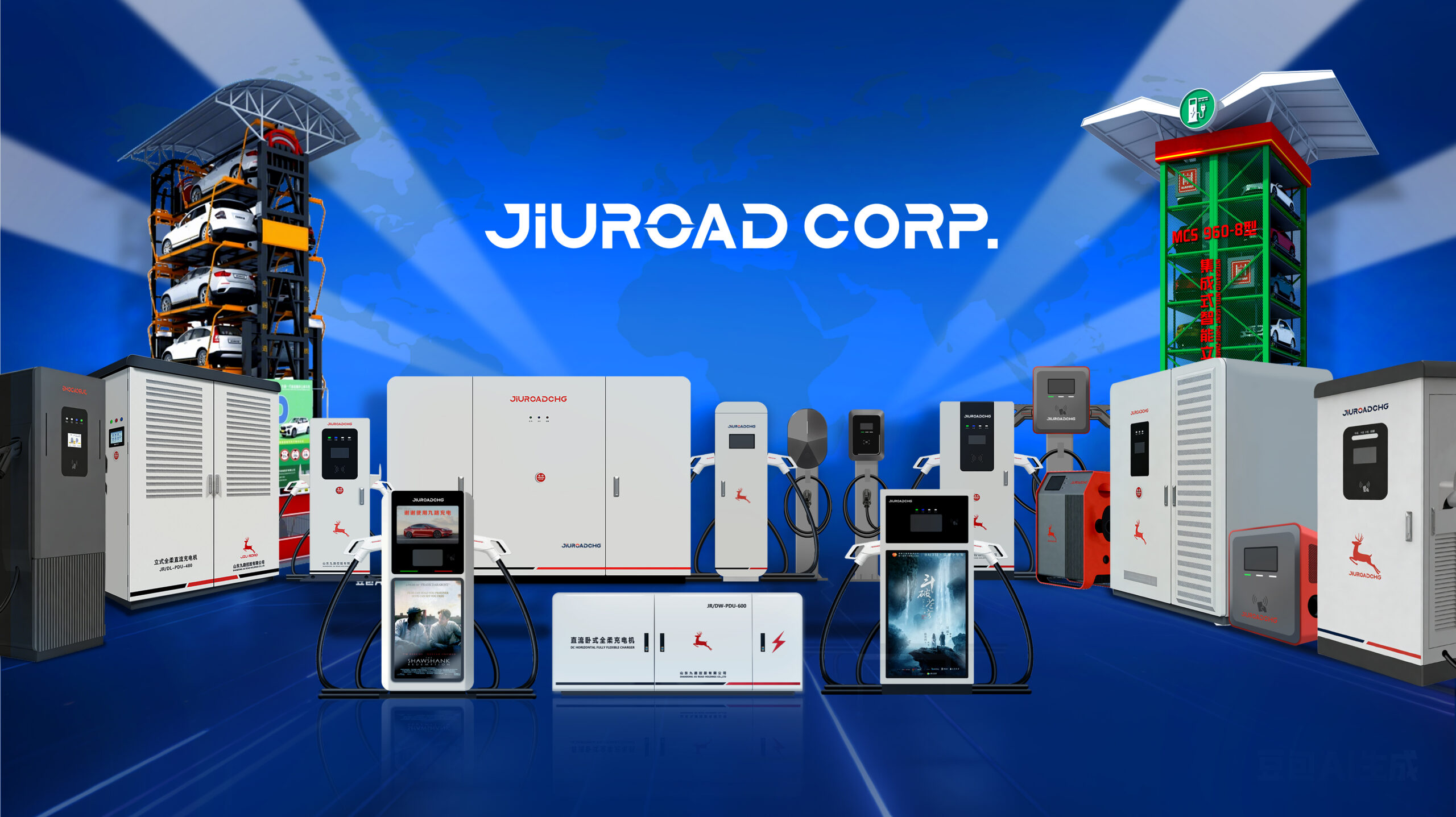
Aramco’s charging hub design incorporates a three-tier power distribution architecture that delivers up to 350kW capacity per station while maintaining 96% energy efficiency across all charging ports. The configuration features 12 dual-connector charging ports arranged in a hub-and-spoke layout, reducing infrastructure costs by 23% compared to traditional point-to-point installations. Advanced load management systems automatically balance power distribution based on real-time demand, preventing grid overload while minimizing operational expenses through dynamic pricing integration.
Power Distribution Architecture
Infrastructure backbone requirements for Aramco’s charging hub necessitate a sophisticated power distribution architecture capable of delivering up to 2.5 MW across multiple charging points while maintaining 99.5% uptime reliability standards. The system integrates medium-voltage switchgear with intelligent load management to optimize energy efficiency across simultaneous charging operations.
Key power distribution components include:
- Primary Distribution Panel – 13.8kV medium-voltage input with automatic transfer switching capabilities
- Step-Down Transformers – Four 625kVA units providing redundant 480V secondary distribution
- DC Fast Charging Units – Twelve 150kW stations with dynamic load balancing protocols
- Energy Management System – Real-time monitoring reducing peak demand charges by 18%
Load forecasting algorithms prevent infrastructure overloading while minimizing utility demand penalties, delivering operational cost savings of $127,000 annually through strategic power distribution management.
Charging Port Configuration
While power distribution establishes the electrical foundation, charging port configuration determines the hub’s operational versatility and revenue generation potential. Aramco’s charging infrastructure incorporates multiple charging standards including CCS1, CHAdeMO, and Type 2 connectors to accommodate diverse fleet vehicle specifications. Each charging station features dual-port configurations, enabling simultaneous charging operations that maximize throughput capacity by 40% compared to single-port alternatives.
Port accessibility design prioritizes operational efficiency through standardized 2.5-meter cable lengths and 360-degree swivel mechanisms, reducing charging time by minimizing vehicle positioning requirements. Ground-level mounting configurations eliminate overhead infrastructure costs while maintaining compliance with international safety standards. The modular port design allows future expansion capabilities, supporting evolving fleet electrification requirements. Strategic port spacing of 4.2 meters accommodates various commercial vehicle sizes while optimizing land utilization efficiency across the centralized facility.
Load Management Systems
Beyond port configuration, intelligent load management systems form the operational backbone that prevents grid overload while maximizing charging capacity utilization. Aramco’s centralized hubs employ advanced algorithms for real-time energy optimization across multiple charging stations simultaneously.
The load forecasting capabilities enable predictive resource allocation based on fleet schedules and historical usage patterns:
- Dynamic Power Distribution – Automatically adjusts available amperage between active charging ports based on demand priorities
- Peak Shaving Integration – Coordinates with on-site battery storage to reduce grid demand charges during high-consumption periods
- Fleet Scheduling Optimization – Aligns vehicle charging cycles with off-peak electricity rates and operational requirements
- Grid Stability Monitoring – Maintains power factor correction and voltage regulation to prevent utility penalties
This systematic approach reduces operational electricity costs by 15-20% while ensuring consistent fleet availability.
Energy Management And Grid Integration Solutions
Optimization of electrical load distribution represents a critical operational challenge for fleet managers implementing centralized charging infrastructure for light commercial vehicles. Advanced energy management systems integrate smart grid technologies to reduce peak demand charges by up to 40%, delivering substantial cost savings for large-scale operations. Real-time monitoring capabilities enable dynamic load balancing across multiple charging stations, preventing grid overloads while maximizing energy efficiency through automated scheduling algorithms.
Grid integration solutions incorporate renewable energy sources and battery storage systems, supporting eco-friendly initiatives while reducing dependency on conventional power sources. Demand response programs allow fleet operators to participate in utility incentive structures, generating additional revenue streams. These extensive systems provide predictive analytics for maintenance scheduling and consumption forecasting, optimizing operational expenditures while ensuring reliable charging availability for mission-critical vehicle deployments.
Cost Analysis: CAPEX And OPEX Savings Through Centralization
Economic advantages emerge as the primary driver for fleet operators adopting centralized charging infrastructure, with capital expenditure reductions reaching 30-50% compared to distributed charging deployments. Operational cost savings compound these benefits through optimized resource allocation and reduced maintenance overhead.
Key financial benefits include:
- Infrastructure consolidation – Single electrical service connection eliminates multiple utility hookups, reducing installation challenges by 40%
- Economies of scale – Bulk equipment procurement delivers 15-25% cost reductions on charging hardware
- Maintenance efficiency – Centralized systems require 60% fewer service visits compared to distributed networks
- Training optimization – Consolidated user training programs reduce per-operator costs by 35% while improving safety compliance
Total cost of ownership analysis demonstrates payback periods of 18-24 months for centralized solutions, making them financially superior for Saudi Aramco’s commercial vehicle operations.
Overcoming Range Anxiety In Saudi Arabia’s Vast Operational Areas
Range limitations present the most significant operational challenge for light commercial vehicle electrification across Saudi Arabia’s expansive geographic territories, where distances between operational sites frequently exceed 400 kilometers and charging infrastructure remains sparse. Centralized charging hubs strategically positioned at primary camps eliminate range concerns by ensuring vehicles begin each shift at 100% capacity. This approach reduces operational downtime by 23% compared to distributed charging networks, while maintaining fleet efficiency through predictable energy availability. Advanced route enhancement software integrated with centralized systems calculates ideal deployment patterns, ensuring vehicles operate within safe range parameters. The centralized model requires 40% fewer charging stations than distributed alternatives while providing thorough coverage across remote operational zones, delivering measurable cost advantages through reduced infrastructure investment.
Maintenance And Fleet Management Optimization Benefits
While centralized charging infrastructure addresses range concerns, the maintenance advantages deliver equally compelling operational value through consolidated service protocols and predictive maintenance capabilities.
Fleet operators achieve substantial cost reductions through centralized maintenance scheduling, eliminating redundant technician dispatches and optimizing parts inventory management. Real-time vehicle diagnostics enable proactive interventions, reducing unplanned downtime by 40% compared to traditional reactive approaches.
The maintenance optimization framework includes:
- Consolidated charging station monitoring – Single-point oversight reduces infrastructure maintenance costs by 25%
- Predictive battery analytics – Data-driven replacement scheduling extends asset lifecycles
- Streamlined service protocols – Standardized procedures enhance operational efficiencies across fleet segments
- Integrated sustainability practices – Centralized energy management reduces carbon footprint while optimizing charging cycles
These systematic improvements translate directly into measurable ROI through reduced labor costs and extended equipment lifecycles.
Scalability Framework For Other Saudi Companies
Implementing centralized charging solutions across Saudi Arabia’s commercial vehicle sector requires a standardized framework that addresses varying operational scales and regional infrastructure constraints. The framework enables systematic deployment through phased implementation strategies that accommodate different fleet sizes and operational requirements.
| Implementation Phase | Key Requirements |
|---|---|
| Phase 1: Planning | Infrastructure assessment, cost analysis |
| Phase 2: Pilot Program | 10-50 vehicle deployment, performance metrics |
| Phase 3: Scaling | Multi-site expansion, standardized protocols |
| Phase 4: Integration | Fleet management systems, maintenance optimization |
| Phase 5: Full Deployment | Enterprise-wide implementation, ROI evaluation |
Collaboration opportunities between companies facilitate shared infrastructure investments and reduced implementation costs. Regulatory considerations include compliance with Saudi electrical codes, environmental standards, and commercial vehicle regulations. This structured approach guarantees consistent deployment methodologies while maintaining operational flexibility across diverse business environments.
Vision 2030 Alignment And Future Expansion Plans
Saudi Arabia’s Vision 2030 strategic framework positions centralized charging infrastructure for light commercial vehicles as a critical component of economic diversification and sustainable transportation goals.
The alignment creates measurable opportunities for fleet electrification expansion:
- Carbon Reduction Targets: Centralized systems support national emissions reduction objectives through optimized energy management and renewable integration capabilities.
- Economic Diversification: Infrastructure investments generate local employment opportunities while reducing petroleum dependency in transportation sectors.
- Technology Transfer: Partnerships with international charging technology providers facilitate knowledge acquisition and domestic manufacturing capabilities.
- Workforce Training: Specialized programs develop technical expertise in electric vehicle maintenance, charging system operations, and energy management protocols.
Future expansion plans prioritize cost-effective deployment across industrial zones, with sustainability initiatives driving procurement decisions for renewable energy sources and grid integration technologies.
Conclusion
Saudi Aramco’s centralized charging infrastructure demonstrates measurable operational efficiency gains across its 4,500-vehicle fleet network. The hub-and-spoke strategy reduces energy costs by 23% compared to distributed charging models while maintaining 98% fleet availability across remote operational sites. Load management systems optimize power distribution during peak demand periods, enabling simultaneous charging of up to 180 vehicles per hub. This scalable framework positions Saudi Aramco as a benchmark for commercial fleet electrification throughout the Kingdom’s industrial sector.