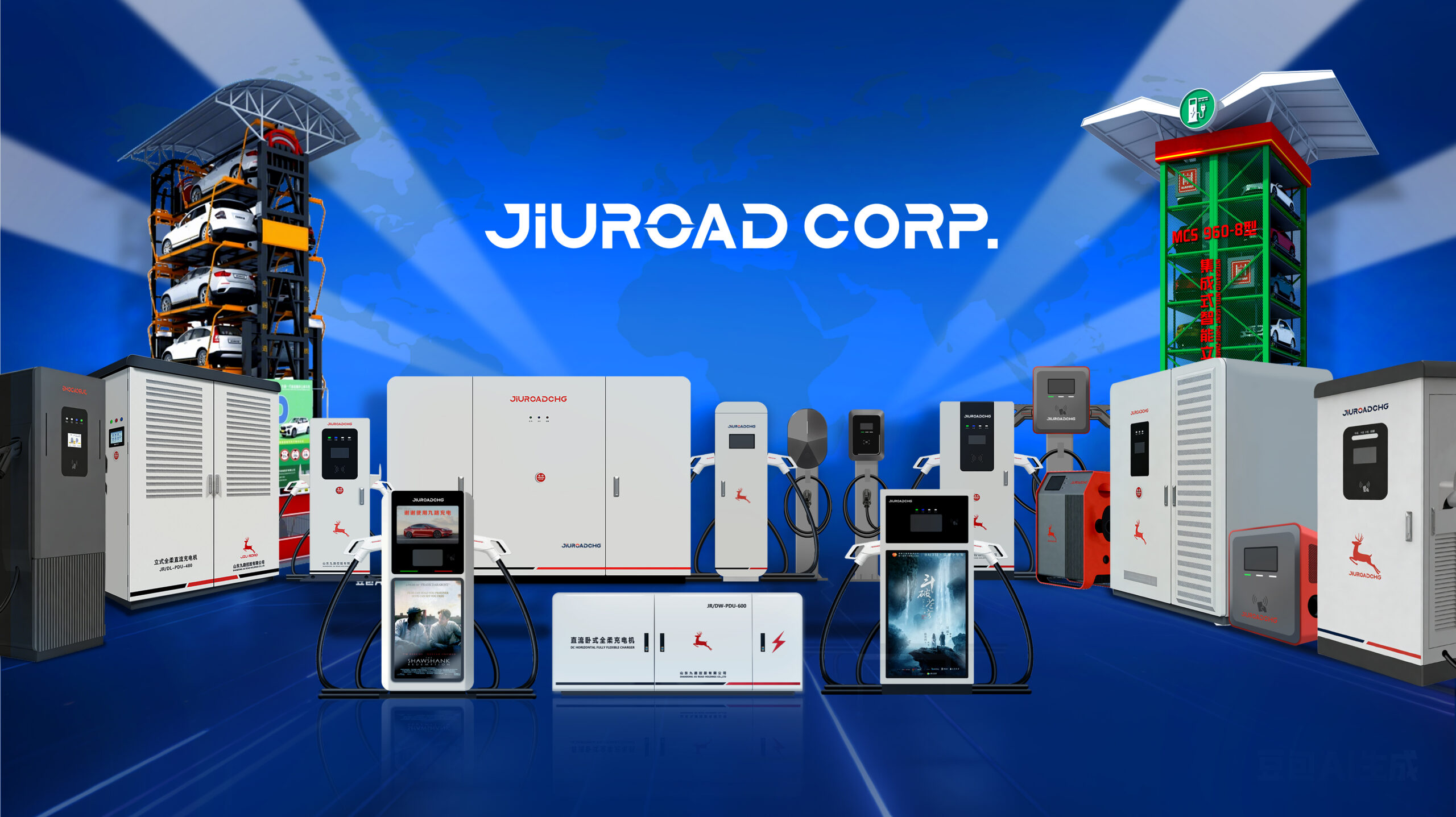
Saudi Arabia’s ambitious plan to convert traditional gas stations into photovoltaic energy storage electric vehicle charging hubs represents a calculated pivot in national infrastructure strategy. This transformation addresses multiple policy objectives simultaneously—economic diversification, emissions reduction, and technological modernization. Yet the technical and financial complexities of such large-scale conversion raise critical questions about feasibility, timeline, and return on investment that industry stakeholders cannot afford to overlook.
Key Takeaways
- Saudi Arabia is converting gas stations into clean energy hubs featuring solar panels, battery storage, and EV charging to support Vision 2030’s sustainability goals.
- The initiative targets 50% renewable power generation by 2030 and aims to reduce carbon emissions by 278 million tons annually.
- Conversion costs range from SAR 2.5-8 million, with DC fast chargers, photovoltaic canopies, and battery storage comprising primary expenditures.
- Government incentives include tax breaks, regulatory reforms, and subsidies to accelerate deployment and attract foreign investment in clean mobility infrastructure.
- The deployment timeline targets 200 retrofitted highway stations by 2026, expanding to nationwide coverage with 15-minute access radius by 2030.
Why Saudi Arabia Is Turning Gas Stations Into Clean Energy Hubs
Saudi Arabia’s ambitious pivot toward transforming traditional gas stations into clean energy hubs reflects a calculated response to three converging pressures: the global acceleration of electric vehicle adoption, the Kingdom’s commitment to net-zero emissions by 2060, and the strategic imperative to diversify an economy historically dependent on oil revenues.
This transformation represents more than infrastructure modernization—it signals a fundamental cultural shift in how Saudis interact with energy systems. By leveraging existing gas station networks, the Kingdom bypasses the costly challenge of building charging infrastructure from scratch while maintaining familiar consumer touchpoints.
The strategy positions Saudi Arabia competitively within regional and global clean energy markets. Converting approximately 8,000 existing stations creates immediate scale advantages, accelerating the change toward a sustainable future while preserving employment within the traditional fuel sector.
How Vision 2030 Energy Goals Drive This Transformation
Vision 2030’s ambitious renewable energy targets, which aim to generate 50% of the nation’s power from clean sources by 2030, create the foundational policy framework for converting traditional fuel infrastructure into electric vehicle charging networks. The Kingdom’s commitment to carbon emission reduction aligns transportation sector modernization with broader environmental objectives, positioning EV adoption as a critical pathway to meeting international climate commitments. This transformation simultaneously advances Saudi Arabia’s economic diversification strategy by reducing domestic oil consumption, freeing petroleum exports for revenue generation while cultivating new technology and service industries around sustainable mobility.
Renewable Energy Targets
As the Kingdom pursues its ambitious goal of generating 50% of electricity from renewable sources by 2030, the alteration of traditional gas stations into EV charging hubs emerges as a critical infrastructure imperative. This target necessitates renewable innovations that integrate solar photovoltaic systems with energy storage solutions at existing fuel retail locations.
The Saudi government’s sustainable investments in clean energy infrastructure create a framework where converted stations serve dual purposes: distributing stored solar energy to electric vehicles while reducing grid dependency during peak demand periods. These renewable energy targets directly accelerate the retrofit timeline for conventional fueling stations.
Policy mechanisms supporting this shift align private sector participation with national decarbonization objectives, positioning transformed charging hubs as essential nodes within Saudi Arabia’s evolving energy distribution network.
Carbon Emission Reduction
Beyond renewable energy deployment, carbon emission reduction stands as a primary driver behind the Kingdom’s systematic shift of conventional gas stations into electric vehicle charging infrastructure. Saudi Arabia’s commitment to reducing its carbon footprint by 278 million tons annually by 2030 necessitates fundamental alterations in transportation energy systems.
| Sector Impact | Current Status | 2030 Target |
|---|---|---|
| Transport Emissions | 25% of total | 15% reduction |
| Sustainable Mobility Adoption | 1% EV share | 30% EV share |
| Charging Infrastructure | 500 stations | 5,000+ stations |
The transformation aligns environmental imperatives with economic diversification goals. By replacing fossil fuel dependency with electrified transportation networks, policymakers anticipate measurable decreases in urban air pollution while advancing sustainable mobility frameworks that position Saudi Arabia as a regional leader in clean energy transition.
Economic Diversification Strategy
Economic diversification represents the cornerstone of Saudi Arabia’s strategic pivot from oil dependency, and the conversion of traditional gas stations into EV charging hubs exemplifies this shift in practice. Vision 2030 explicitly targets reducing the Kingdom’s reliance on petroleum revenues while cultivating new industrial sectors and employment opportunities.
The economic benefits of this infrastructure change extend beyond immediate job creation. By positioning Saudi Arabia as a regional leader in clean mobility infrastructure, the strategy attracts foreign investment and technology partnerships. These sustainability initiatives align with global decarbonization trends, ensuring the Kingdom remains economically competitive as international markets shift toward electric vehicles.
Furthermore, repurposing existing fuel station networks minimizes capital expenditure while maximizing asset utilization. This pragmatic approach demonstrates how policy frameworks can simultaneously achieve environmental objectives and fiscal prudence.
What Makes Gas Stations Ideal Sites for PV ESS EV Infrastructure?
While the Kingdom accelerates its renewable energy ambitions under Vision 2030, existing gas station networks present a strategic infrastructure asset that policymakers and investors should not overlook.
Gas stations occupy prime locations within urban planning frameworks, featuring established grid connections, land ownership, and high-traffic visibility that supports community engagement with emerging technologies. This sustainable infrastructure foundation eliminates costly site acquisition and permitting delays that typically impede EV deployment.
From an energy policy perspective, these sites already accommodate consumer behavior patterns around refueling, making the shift to charging more intuitive. Their existing public relations channels and brand recognition facilitate environmental awareness campaigns. Additionally, technological innovation in photovoltaic systems and battery storage integrates seamlessly with existing canopy structures and electrical systems, creating turnkey opportunities for rapid conversion without disrupting established commercial operations.
Core Components of a Modern PV ESS EV Charging Hub
A modern PV ESS EV charging hub integrates three essential technological systems that work in concert to deliver reliable, sustainable power to electric vehicles. Solar panel infrastructure captures and converts abundant solar radiation into electricity, while battery storage systems buffer energy supply fluctuations and enable round-the-clock charging capabilities independent of grid constraints. The EV charging equipment itself represents the customer-facing interface, requiring careful specification to accommodate diverse vehicle types and charging speed requirements aligned with Saudi Arabia’s emerging electric mobility standards.
Solar Panel Infrastructure
For Saudi Arabia’s climate, bifacial panels and anti-soiling coatings represent critical adaptations that maximize renewable energy efficiencies despite harsh desert conditions. Strategic placement across canopy structures, rooftops, and adjacent ground-mounted arrays enables stations to harvest substantial kilowatt-hours daily.
System designers must calculate panel capacity against projected charging demand, accounting for seasonal irradiance variations and degradation rates. Proper infrastructure sizing guarantees consistent energy flow while minimizing reliance on supplemental grid power during peak operational hours.
Battery Storage Systems
Modern storage technologies deployed in charging hubs primarily utilize lithium-ion configurations, though emerging alternatives present compelling options. Among battery types under consideration, lithium iron phosphate variants offer enhanced thermal stability suited to Saudi Arabia’s extreme climate conditions, while solid-state technologies promise future improvements in energy density and safety profiles.
Strategic battery deployment addresses grid stability concerns while maximizing renewable utilization rates. Properly sized storage systems reduce demand charges, enable peak shaving, and provide backup power during outages—critical factors for commercial viability within Vision 2030’s sustainability framework.
EV Charging Equipment
Charging infrastructure represents the most visible and customer-facing element of integrated PV ESS hubs, directly determining user experience and commercial throughput capacity. Modern installations typically deploy Level 3 DC fast chargers capable of delivering 150-350 kW, enabling 80% battery replenishment within 20-30 minutes. Strategic deployment across Saudi Arabia requires equipment rated for extreme ambient temperatures exceeding 50°C.
Renewable innovations are reshaping equipment specifications, with bidirectional chargers enabling vehicle-to-grid functionality that transforms parked EVs into distributed storage assets. Smart charging management systems optimize load distribution, preventing grid strain while maximizing throughput during peak demand periods. Payment integration, real-time availability monitoring, and standardized connector compatibility remain essential considerations. Saudi regulators must establish unified technical standards ensuring interoperability across manufacturers, facilitating seamless nationwide charging networks aligned with Vision 2030 transportation electrification objectives.
How Solar PV Systems Power Saudi Charging Stations
Solar photovoltaic technology has emerged as the cornerstone of Saudi Arabia’s strategy to create self-sustaining electric vehicle charging infrastructure. The Kingdom’s abundant solar irradiance—averaging 2,200 kWh/m² annually—positions these solar innovations as economically viable alternatives to grid-dependent systems. This approach accelerates energy changes while reducing operational costs for charging station operators.
Key implementation factors driving adoption include:
- Direct DC coupling between solar arrays and charging equipment, minimizing conversion losses
- Modular panel configurations enabling scalable deployment across urban and remote locations
- Integration with national grid policies allowing excess generation to offset peak demand periods
Saudi policymakers have prioritized standardized permitting frameworks to streamline solar-powered charging station development, ensuring alignment with Vision 2030‘s renewable energy targets and transportation electrification mandates.
Energy Storage Solutions That Keep EV Chargers Running 24/7
Energy storage systems serve as the critical bridge between intermittent solar generation and the continuous power demands of EV charging infrastructure. By enabling grid independence and smoothing peak demand loads, battery storage solutions allow charging stations to maintain reliable operations during nighttime hours and periods of high utilization. Saudi Arabia’s strategic deployment of these systems positions converted gas stations to function as autonomous energy hubs capable of supporting the kingdom’s expanding electric vehicle ecosystem.
Battery Storage System Benefits
Reliability stands as the cornerstone of any viable EV charging infrastructure, and battery storage systems provide the technological foundation necessary to achieve uninterrupted service delivery. Through strategic technology integration, these systems capture excess solar energy during peak generation periods and deploy it precisely when demand requires.
Battery storage delivers critical advantages for Saudi charging hubs:
- Grid independence: Stations maintain operations during outages or demand surges
- Cost optimization: Energy arbitrage reduces operational expenses by utilizing stored power during peak pricing periods
- Load balancing: Smooth power distribution prevents infrastructure strain
These sustainability practices align directly with Vision 2030‘s diversification objectives. Analysts project that integrated storage solutions will reduce charging station operational costs by 30-40% while simultaneously enhancing service reliability metrics across the Kingdom’s expanding network.
Grid Independence Through Storage
While traditional charging infrastructure remains vulnerable to grid fluctuations and power interruptions, advanced energy storage systems now offer Saudi Arabia’s EV hubs a pathway to true operational autonomy.
Lithium-ion battery arrays, when paired with photovoltaic installations, enable stations to accumulate solar energy during peak production hours and deploy it strategically throughout the night. This configuration guarantees uninterrupted charging services regardless of grid conditions.
The strategic implications extend beyond mere convenience. Energy independence reduces exposure to utility price volatility while strengthening national energy security objectives. Stations operating with sufficient storage capacity can maintain full functionality during grid outages, positioning them as reliable infrastructure assets.
For Saudi Arabia’s sustainable future, grid-independent charging hubs represent critical nodes in an evolving transportation ecosystem—facilities that generate, store, and distribute clean energy autonomously.
Peak Demand Load Management
Beyond achieving grid independence, these storage-equipped facilities must address a more nuanced operational challenge: managing the dramatic fluctuations in electricity demand that occur throughout each 24-hour cycle.
Intelligent battery management systems enable sophisticated demand response capabilities, automatically shifting charging loads to periods of lower grid stress while maintaining service availability. This approach maximizes energy efficiency by aligning consumption patterns with solar generation peaks and off-peak utility rates.
Key load management strategies include:
- Predictive algorithms that anticipate traffic patterns and pre-position stored energy accordingly
- Dynamic load balancing across multiple charging ports to prevent infrastructure overload
- Time-of-use optimization that incentivizes customers toward off-peak charging windows
These systems transform static infrastructure into adaptive energy assets, reducing operational costs while supporting broader grid stability objectives central to Saudi Arabia’s energy evolution.
EV Charging Options Saudi Drivers Will Find at Converted Stations
Saudi drivers approaching these converted stations will encounter a tiered charging infrastructure designed to accommodate diverse needs and time constraints. The EV charging infrastructure will feature three distinct categories: ultra-fast DC chargers delivering 150-350 kW for rapid highway transit, standard fast chargers at 50 kW for moderate stops, and Level 2 AC units for extended parking periods.
Driver incentives will likely include dynamic pricing structures that reward off-peak usage, loyalty programs integrated with existing fuel retailer networks, and preferential rates for renewable energy charging windows. Station operators may implement reservation systems allowing drivers to secure charging slots during high-demand periods. This stratified approach guarantees commercial fleet operators, daily commuters, and long-distance travelers each find appropriate solutions, maximizing station utilization while minimizing queue times across the converted network.
Grid Integration Challenges and How Saudi Developers Solve Them
Converting hundreds of gas stations into high-powered charging hubs places unprecedented demands on electrical infrastructure that developers must address through strategic planning and technological innovation.
Saudi developers implement thorough grid modernization strategies to manage peak load fluctuations and voltage stability concerns. Key renewable integration solutions include:
- On-site battery storage systems that buffer demand spikes and reduce strain on transmission networks
- Smart load management software that schedules charging sessions during off-peak hours
- Distributed solar canopy installations that generate power directly at charging locations
The Saudi Electricity Company collaborates with private developers to upgrade transformer capacity and install dedicated feeder lines at high-traffic conversion sites. These infrastructure investments guarantee charging hubs operate reliably without compromising grid stability for surrounding communities, positioning Saudi Arabia’s electrical network for sustained EV adoption growth.
Cost Breakdown for Converting a Traditional Saudi Gas Station
While grid infrastructure investments establish the technical foundation for charging hub viability, project economics ultimately determine whether gas station owners commit to conversion.
A thorough cost analysis reveals that typical Saudi gas station conversions range from SAR 2.5 million to SAR 8 million, depending on scale and technology specifications. Primary expenditures include DC fast chargers (40-50% of total investment), photovoltaic canopy installations (20-25%), battery storage systems (15-20%), and electrical infrastructure upgrades (10-15%).
Conversion strategies vary notably based on site conditions. Urban locations with existing high-capacity grid connections require lower infrastructure investment, while highway stations benefit more from larger solar installations and extended storage capacity. Saudi Arabia’s Investment Ministry incentives, including accelerated depreciation schedules and reduced permitting fees, can reduce effective conversion costs by approximately 15-20%, greatly improving return-on-investment timelines.
Government Incentives and Regulatory Support for Station Owners
The Saudi government has implemented a multi-pronged incentive framework to accelerate gas station conversions, including targeted tax breaks that reduce the financial burden on station owners investing in EV infrastructure. Regulatory reforms have streamlined the licensing process, cutting approval timelines and eliminating bureaucratic barriers that previously hindered rapid deployment. Additionally, subsidy programs now offset a significant portion of equipment and installation costs, making the change economically viable for operators across the Kingdom.
Tax Breaks Available
As Saudi Arabia accelerates its shift toward sustainable transportation infrastructure, the government has implemented a strategic framework of tax incentives designed to encourage gas station owners to invest in EV charging capabilities. These financial advantages substantially reduce the capital burden associated with infrastructure modernization.
Key tax breaks currently available include:
- Import duty exemptions on EV charging equipment and photovoltaic systems
- Reduced corporate tax rates for stations achieving specified green energy thresholds
- Accelerated depreciation allowances for renewable energy assets and battery storage installations
Policy analysts note that these measures align with Vision 2030‘s broader economic diversification objectives. Station owners who capitalize on these incentives position themselves advantageously within the evolving energy landscape. The structured approach demonstrates the Kingdom’s commitment to facilitating private sector participation in sustainable mobility transformation.
Licensing Process Simplified
Recognizing that bureaucratic complexity historically deterred private investment in energy infrastructure, Saudi regulatory authorities have streamlined the licensing pathway for gas stations seeking to integrate EV charging services. This regulatory simplification consolidates previously fragmented approval processes into a unified framework, reducing application timelines from months to weeks.
The licensing efficiency gains stem from coordinated inter-agency cooperation between energy, municipal, and transportation authorities. Station owners now navigate a single-window system that simultaneously addresses zoning permits, electrical grid connections, and safety certifications. Digital portals further accelerate document submission and tracking.
These reforms reflect deliberate policy architecture designed to remove friction from the conversion process. By minimizing administrative barriers, authorities signal institutional commitment to electrification goals while enabling station owners to capitalize on emerging market opportunities without prohibitive procedural delays.
Subsidy Programs Offered
Beyond streamlined licensing, financial incentives constitute a critical pillar of Saudi Arabia’s strategy to accelerate gas station conversions. The Kingdom has implemented targeted incentive programs designed to offset substantial capital requirements associated with infrastructure transformation.
Key forms of financial assistance available to station owners include:
- Direct capital subsidies covering partial costs of photovoltaic systems and energy storage installations
- Reduced import tariffs on EV charging equipment and related technological components
- Preferential financing rates through government-backed lending institutions
These measures collectively reduce the financial burden on operators while ensuring alignment with national decarbonization objectives. Policymakers recognize that without meaningful economic support, widespread adoption remains improbable. The structured approach demonstrates the government’s commitment to creating viable business models that incentivize private sector participation in the energy conversion ecosystem.
Revenue Streams Beyond Fuel Sales at PV ESS EV Hubs
The transformation of traditional fuel stations into integrated PV ESS EV hubs creates multiple revenue diversification opportunities that extend well beyond conventional energy dispensing. Alternative income streams emerge through innovative services including energy subscriptions for fleet operators and maintenance agreements covering charging equipment and battery systems.
Digital marketing platforms integrated into charging stations enable targeted advertising, while customer engagement tools drive loyalty rewards programs that increase repeat visits. Value added offerings such as premium lounges, retail spaces, and quick-service dining capitalize on extended charging dwell times.
Community partnerships with local businesses and educational programs promoting sustainable transportation create brand differentiation. These diversified revenue models strengthen financial resilience, reducing dependence on volatile energy margins while positioning operators as all-encompassing mobility service providers within Saudi Arabia’s evolving transportation ecosystem.
Major Players Leading Saudi Arabia’s Charging Hub Rollout
As Saudi Arabia accelerates its shift toward sustainable mobility, several key entities have emerged at the forefront of charging infrastructure deployment across the Kingdom.
Leading organizations driving charging infrastructure development include:
- Saudi Electricity Company (SEC): Spearheading grid integration and establishing fast-charging networks along major highways
- Electromin: Expanding commercial charging stations through strategic renewable energy partnerships with solar developers
- CEER (Saudi Arabia’s first EV brand): Collaborating with retail and hospitality sectors to embed charging solutions within existing commercial ecosystems
These stakeholders operate within a policy framework aligned with Vision 2030‘s environmental objectives. Public-private collaboration remains essential, as government incentives attract international technology providers while domestic firms build operational expertise. The convergence of energy sector reform and transportation electrification creates favorable conditions for scaled deployment through 2030 and beyond.
Real Examples of Converted Stations Already Operating in the Kingdom
Several converted gas stations now serve as operational proof points for Saudi Arabia’s charging infrastructure transformation. These pilot sites demonstrate how legacy fuel retail locations can achieve operational efficiencies through integrated solar canopies and battery storage systems.
| Location | Operator | Charging Capacity |
|---|---|---|
| Riyadh KAFD District | Electromin | 8 DC fast chargers |
| Jeddah Corniche | ENOWA | 12 multi-standard ports |
| Dammam Industrial | Saudi Aramco | 6 ultra-fast units |
Initial conversion challenges included grid connection upgrades and permitting complexities, yet operators report positive throughput metrics. The Riyadh facility processes approximately 200 charging sessions daily, validating demand projections. These operational stations provide critical data for refining deployment strategies, informing policy frameworks, and establishing benchmarks for the nationwide rollout anticipated through 2030.
Timeline for Nationwide PV ESS EV Hub Deployment Through 2030
Building on operational insights from these pilot facilities, Saudi Arabia’s phased deployment roadmap targets 500 integrated PV-ESS-EV hubs by 2027, scaling to 3,000 locations by 2030. These deployment strategies prioritize high-traffic corridors connecting Riyadh, Jeddah, and Dammam before expanding to secondary urban centers and rural zones.
Key implementation milestones include:
- 2025-2026: Retrofit 200 existing stations along primary highways with charging infrastructure
- 2027-2028: Expand network density in metropolitan areas, achieving 15-minute access radius
- 2029-2030: Complete nationwide coverage including remote regions and tourism destinations
The Ministry of Energy coordinates with NEOM, ROSHN, and private sector partners to accelerate permitting processes. Standardized technical specifications guarantee interoperability across all hubs, while performance benchmarks mandate minimum 40% solar contribution to total energy consumption at each facility.
What This Shift Means for Saudi Investors and Energy Entrepreneurs
Saudi Arabia’s aggressive EV infrastructure timeline presents a compelling investment landscape for domestic capital seeking alignment with Vision 2030 diversification objectives. The conversion of traditional fuel stations into integrated PV ESS EV hubs creates substantial investment opportunities across multiple value chains, from solar panel manufacturing to battery storage systems and charging equipment distribution.
However, entrepreneurial challenges persist. Market entrants must navigate evolving regulatory frameworks, secure reliable technology partnerships, and develop workforce capabilities in emerging technical disciplines. The capital-intensive nature of infrastructure conversion demands sophisticated financial structuring and patience regarding return timelines.
Strategic investors positioned early in this transformation stand to capture significant market share as government mandates accelerate adoption. Those who successfully address grid integration complexities and consumer behavior shifts will define Saudi Arabia’s sustainable transportation ecosystem for decades.
Conclusion
Saudi Arabia’s transformation of gas stations into PV ESS EV charging hubs represents a calculated pivot from petroleum dependency to sustainable infrastructure. This initiative kills two birds with one stone—advancing decarbonization targets while creating new economic pathways for investors and entrepreneurs. As deployment accelerates toward 2030, policymakers and stakeholders must maintain momentum through strategic partnerships and regulatory frameworks that guarantee these clean energy hubs become cornerstones of the Kingdom’s diversified economy.