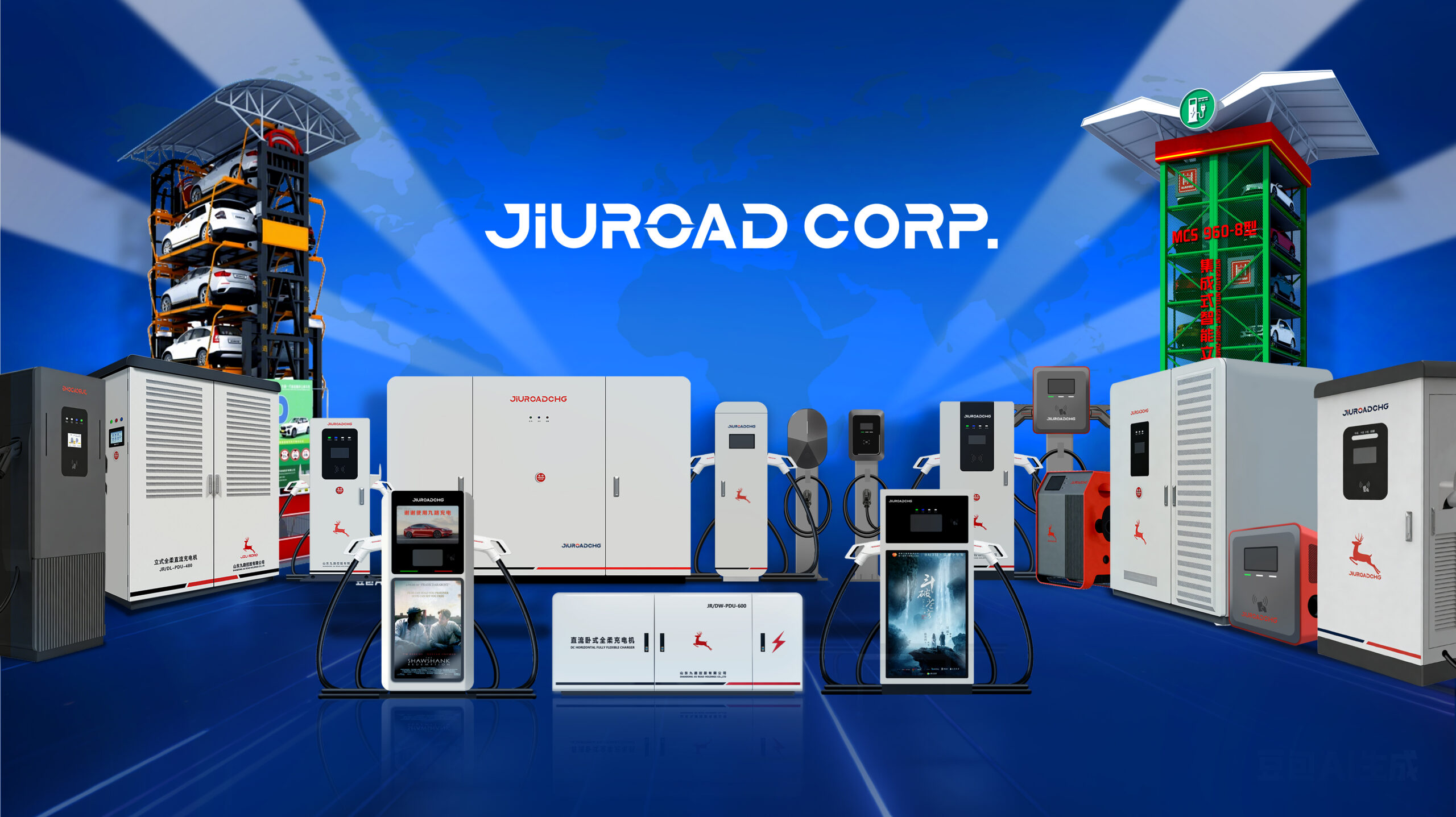
Sharjah’s municipal authorities have initiated a systematic integration of AC charging infrastructure within vertical rotary parking systems, addressing two persistent urban constraints simultaneously. The approach embeds Level 2 charging piles directly into mechanized parking bays, enabling vehicles to charge during storage cycles without occupying additional ground-level real estate. This dual-function model presents measurable efficiency gains, though the technical coordination between rotating mechanisms and active electrical connections introduces engineering considerations that merit closer examination.
Key Takeaways
- Vertical rotary parking systems reduce land footprint by up to 70%, enabling Sharjah municipalities to deploy charging infrastructure without acquiring additional real estate.
- Slip ring assemblies and cable management systems maintain uninterrupted electrical connectivity during 360-degree rotation, delivering 7.4kW to 22kW charging capacity safely.
- Automated systems transport EVs to charging bays where robotic mechanisms connect chargers, completing vehicle retrieval within 60 to 90 seconds.
- Strategic placement in high-traffic areas like Al Majaz district and Al Khan waterfront optimizes charging access based on typical 4-hour vehicle dwell times.
- Integrated safety features include proximity sensors, ground fault detection, emergency disconnects, and automated cable management to prevent entanglement during rotation.
Why Sharjah Is Betting on Vertical Rotary Parking for EV Infrastructure
Sharjah’s municipal authorities have identified vertical rotary parking systems as a strategic solution for integrating AC charging infrastructure within space-constrained urban environments. These mechanized structures maximize parking density by rotating vehicles vertically, reducing land footprint by up to 70% compared to conventional multilevel facilities.
The integration aligns with Sharjah’s sustainable infrastructure objectives, enabling municipalities to deploy charging stations without acquiring additional real estate. Each rotary unit accommodates multiple charging piles within a consolidated footprint, streamlining electrical distribution and reducing installation complexity.
From an urban mobility perspective, the approach addresses two critical challenges simultaneously: parking scarcity and EV charging accessibility. The systems operate through automated retrieval mechanisms, allowing vehicles to charge during storage periods without driver intervention. This operational efficiency positions Sharjah’s municipal hubs as functional nodes within the emirate’s expanding electrification network.
How Vertical Rotary Parking Systems Actually Work
Vertical rotary parking systems operate on a Ferris wheel-like mechanism where vehicle platforms rotate vertically along a continuous loop, allowing multiple cars to occupy a single ground-level footprint. The rotating platform mechanism utilizes electric motors and precision gear systems to cycle parking berths through designated loading positions with minimal energy expenditure. When a driver initiates retrieval, the system calculates the shortest rotational path to bring the requested vehicle to the ground-level access point, typically completing the process within 60 to 90 seconds.
Rotating Platform Mechanism Basics
The rotating platform mechanism at the core of vertical rotary parking systems operates on a Ferris wheel principle, where multiple vehicle carriers attach to a continuous chain loop that moves along a vertical circuit. These rotary mechanisms utilize sprocket-driven chains that maintain platform levelness throughout the rotation cycle, ensuring vehicles remain horizontal regardless of position.
Each carrier platform incorporates independent suspension systems that compensate for load variations and movement dynamics. The chain assembly connects to a central drive motor, typically positioned at the system’s apex, which controls rotation speed and directional movement.
Charging integration within these systems requires precise electrical contact points that maintain connectivity during platform shifts. Engineers position AC charging piles at designated ground-level stations where vehicles pause during retrieval sequences, enabling standardized charging protocols without mechanical interference.
Vehicle Retrieval Process
When a user initiates retrieval through the control interface, the system’s programmable logic controller calculates the shortest rotational path to the target vehicle carrier. The algorithm determines whether clockwise or counterclockwise rotation minimizes travel distance, optimizing vehicle access time and reducing mechanical wear.
During rotation, the charging connector automatically disengages from the vehicle’s port through a standardized decoupling sequence. This disconnection protocol guarantees charging efficiency by completing any active session and logging final energy consumption data before physical separation occurs.
The carrier descends or rotates to the designated retrieval bay, typically positioned at ground level. Safety interlocks verify platform alignment and stability before releasing access barriers. The entire retrieval sequence, from interface activation to vehicle access, completes within 60 to 90 seconds under normal operating conditions.
The Engineering Behind Embedding AC Charging Piles in Rotating Structures
Precision engineering defines the integration of AC charging piles within automated parking systems, where rotating platforms must maintain uninterrupted electrical connectivity despite continuous mechanical movement. The engineering challenges stem from reconciling high-voltage power transmission with dynamic rotational mechanics. Design innovations address this through slip ring assemblies and flexible cable management systems that accommodate 360-degree rotation without conductor fatigue.
| Component | Function |
|---|---|
| Slip Ring Assembly | Transfers AC power across rotating interfaces |
| Cable Track System | Manages conductor routing during platform movement |
Engineers implement redundant safety protocols including automatic disconnection sensors and arc-fault detection mechanisms. Load distribution calculations guarantee structural integrity while accommodating charging infrastructure weight. These integrated systems deliver 7.4kW charging capacity without compromising rotational precision or operational throughput rates.
Where These Municipal EV Charging Hubs Are Located in Sharjah
Sharjah’s municipal EV charging hubs are strategically positioned across key districts to maximize accessibility and utilization rates. Primary installations are concentrated near government buildings, where daily traffic patterns guarantee consistent demand throughout operational hours. This placement strategy aligns charging infrastructure with existing municipal parking facilities, reducing implementation costs while serving high-density administrative zones.
Key District Locations
As municipal planners optimize EV infrastructure deployment across Sharjah, AC charging piles have been strategically positioned within high-traffic administrative zones where vehicle dwell times align with Level 2 charging cycles. Primary installations concentrate within Al Majaz district, where government service centers generate consistent parking demand exceeding four-hour intervals.
The Al Khan waterfront corridor features integrated charging infrastructure supporting commercial and recreational traffic patterns. Key features of these district placements include proximity to municipal service buildings, enabling residents to charge during administrative appointments. Accessibility options accommodate both standard and barrier-free parking configurations within Al Nahda’s mixed-use zones.
Industrial Area installations serve fleet operators requiring daytime charging capacity. Each district location underwent load analysis to guarantee grid compatibility while maximizing charger utilization rates across Sharjah’s expanding vertical parking network.
Near Government Buildings
Government complexes throughout Sharjah function as anchor points for AC charging pile deployment, with installation density correlating directly to visitor throughput metrics and average service transaction durations. Municipal planning departments have mapped dwell time patterns across administrative facilities, identifying ideal charging infrastructure ratios per parking capacity unit.
Government collaboration between transportation authorities and facility management divisions guarantees seamless integration of vertical rotary parking systems with embedded charging capabilities. These installations support electric mobility adoption among civil servants and citizens conducting permit applications, licensing renewals, and regulatory submissions—transactions typically requiring 45-90 minute processing windows.
Technical specifications prioritize Type 2 connectors operating at 7.4-22kW outputs, matching average administrative visit durations. Load management systems prevent grid strain during peak service hours while maximizing charging availability across government facility parking inventories.
Charging Specs: Power Output, Connector Types, and Session Times
The AC charging piles deployed across Sharjah’s municipal parking facilities operate within standardized power output parameters ranging from 7 kW to 22 kW, specifications that align with typical Level 2 charging infrastructure designed for extended dwell-time environments. These charging standards guarantee compatibility with most electric vehicles through Type 2 connectors, meeting regional installation requirements for public infrastructure.
| Specification | Parameter |
|---|---|
| Power Output | 7 kW 22 kW |
| Connector Type | Type 2 (IEC 62196) |
| Voltage | 230V 400V AC |
| Session Duration | 2 8 hours |
| Charge Added | 14 176 km range |
Session times correlate directly with parking duration patterns observed at municipal facilities, optimizing infrastructure utilization while delivering practical charge increments during routine administrative visits.
Step-by-Step: Using an AC Charging Pile in a Rotary Parking System
Understanding power output specifications and connector standards provides the foundation for successful charging interactions, yet operational execution within automated parking environments introduces distinct procedural requirements.
The user experience begins at the ground-level interface terminal, where drivers input vehicle dimensions and charging requirements before exiting the vehicle. Automated retrieval systems then transport the EV to designated charging bays equipped with AC piles. Robotic connector mechanisms engage the vehicle’s charging port, initiating power transfer without manual intervention.
Charging efficiency optimization occurs through integrated management software that monitors session duration, power consumption, and battery state-of-charge. Upon completion, the system queues the vehicle for retrieval. Users receive mobile notifications confirming session termination. The rotary mechanism repositions the vehicle to the access point, completing the seamless operational cycle within municipal hub parameters.
Cost Savings for EV Owners Using Municipal Charging Hubs
Municipal charging infrastructure delivers measurable financial advantages to EV operators through subsidized electricity rates, eliminated equipment ownership costs, and optimized energy procurement strategies. Sharjah’s municipal hubs leverage bulk electricity purchasing agreements, transferring cost efficiency gains directly to users through reduced per-kilowatt-hour pricing.
The integrated parking-charging model generates substantial electric savings by eliminating residential installation expenses, which typically range from AED 3,000 to AED 8,000 for home charging equipment. Municipal systems absorb maintenance, grid connection, and hardware depreciation costs within standardized fee structures.
Time-of-use pricing protocols further enhance cost efficiency by incentivizing off-peak charging sessions. Operators utilizing municipal AC charging piles during low-demand periods realize 15-25% reductions compared to peak-rate residential charging. These cumulative electric savings accelerate return-on-investment timelines for EV ownership considerably.
How Sharjah’s Model Solves the Urban Space vs. EV Demand Problem
As urban density intensifies across Gulf municipalities, Sharjah’s strategic integration of AC charging infrastructure within existing parking facilities resolves the competing demands for limited real estate without requiring dedicated EV-specific land allocation.
The vertical rotary parking model addresses critical urban development constraints through systematic resource optimization:
- Eliminates ground-level footprint expansion while scaling electric vehicle charging capacity vertically
- Converts underutilized parking infrastructure into dual-function assets
- Reduces municipal capital expenditure on separate charging station land acquisition
- Maintains existing traffic flow patterns without new construction disruptions
- Maximizes per-square-meter utility ratios in constrained commercial zones
This infrastructure-sharing approach enables municipalities to meet accelerating electric vehicle adoption rates without sacrificing valuable urban land to single-purpose facilities. The model demonstrates measurable efficiency gains, positioning Sharjah’s framework as a replicable template for space-constrained regional cities.
Safety Features Built Into Rotary Parking Charging Systems
Five integrated safety subsystems distinguish Sharjah’s rotary parking charging installations from conventional ground-level infrastructure. Automated cable management prevents entanglement during platform rotation, while proximity sensors halt all mechanical movement when personnel enter designated zones. Ground fault detection circuitry continuously monitors electrical integrity across each charging station.
The safety protocols incorporate emergency disconnect mechanisms accessible from multiple points throughout the structure. Fire suppression systems utilize targeted aerosol technology designed specifically for lithium-ion battery incidents, minimizing water damage to adjacent vehicles and electrical components.
Mandatory user training programs address proper connection sequences and emergency procedures before drivers receive system access credentials. These sessions cover platform positioning requirements, charging cable handling, and evacuation protocols. Digital interface panels display real-time system status, ensuring operators maintain situational awareness throughout the charging cycle.
Challenges and Limitations of Embedding Chargers in Vertical Parking
Despite these thorough safety frameworks, vertical parking charging systems present distinct operational and technical constraints that complicate widespread deployment.
Key technical obstacles include:
- Design considerations requiring cable management systems that accommodate continuous platform rotation without tangling or wear degradation
- User experience limitations stemming from restricted access windows during charging cycles and inability to manually intervene mid-rotation
- Maintenance challenges involving specialized technician training for elevated electrical component servicing
- Energy efficiency losses occurring through extended cable runs and multiple connection points within the vertical structure
- Thermal management complexities in enclosed mechanical environments affecting charger performance
These constraints demand integrated engineering solutions where electrical and mechanical systems must function synchronously. System designers must balance charging infrastructure density against structural load capacities while maintaining operational throughput rates essential for municipal parking efficiency.
What Other Cities Can Learn From Sharjah’s Integrated Approach
Sharjah’s systematic integration of AC charging infrastructure within municipal parking facilities offers a replicable framework for cities traversing similar urban electrification challenges. The model demonstrates that retrofitting existing vertical rotary systems with charging capabilities maximizes spatial utility while minimizing capital expenditure on dedicated charging stations.
Key transferable elements include centralized load management protocols, standardized connector placement within carousel mechanisms, and phased implementation strategies that maintain parking operations during upgrades. Cities pursuing urban sustainability objectives can adapt Sharjah’s approach by conducting structural assessments of existing vertical parking assets and identifying compatible charging hardware configurations.
The framework prioritizes efficient infrastructure deployment through dual-purpose facilities rather than single-function installations. Municipal planners should evaluate local grid capacity, user demand patterns, and regulatory requirements before replicating this integrated charging-parking methodology within their jurisdictions.
Conclusion
Sharjah’s integration of AC charging piles within vertical rotary parking systems represents a blueprint for space-constrained urban centers worldwide. By treating parking infrastructure and EV charging as two sides of the same coin, municipalities can achieve measurable gains in land utilization and grid efficiency. As cities globally confront mounting electrification demands against finite real estate, Sharjah’s systematic approach demonstrates that vertical integration—both literally and operationally—offers a replicable pathway toward sustainable urban mobility infrastructure.