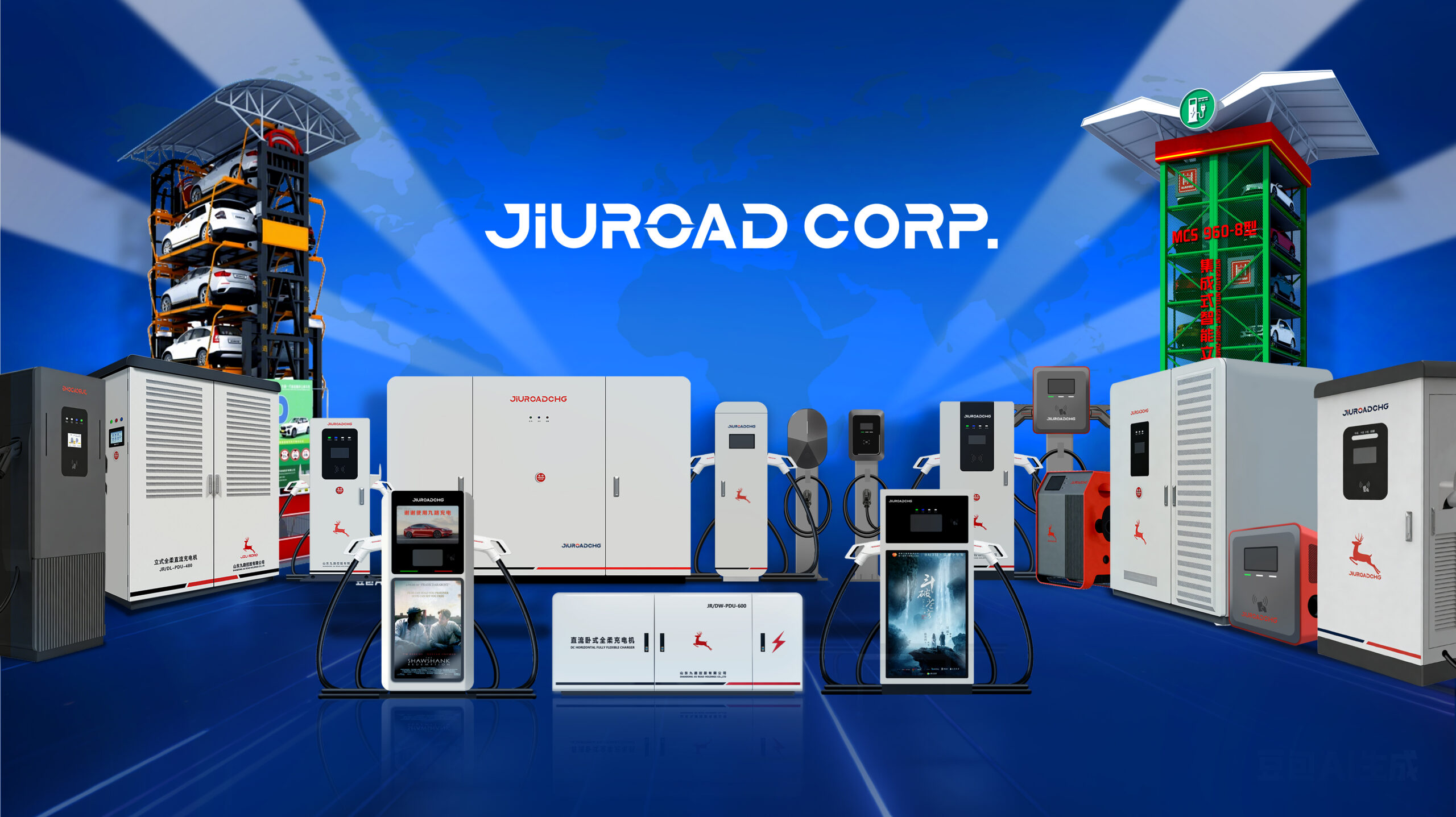
The UAE’s ambitious highway electrification program requires charging infrastructure engineered for conditions that would disable standard equipment within months. IP54/IP55-rated 240kW DC integrated machines represent the technical solution for remote rest areas where ambient temperatures routinely exceed 50°C and fine desert particulates threaten electronic components. Understanding how these specifications translate to operational reliability—and why lesser ratings fail—determines whether highway charging networks survive their first summer.
Key Takeaways
IP54/IP55-rated 240kW DC chargers feature multi-layered sand ingress prevention with labyrinth seals and 10-micron filtration for desert durability.
Active liquid cooling with high-temperature glycol mixtures rated for 65°C ensures sustained charging performance in ambient temperatures exceeding 50°C.
Strategic highway placement requires GPS-coordinated intervals not exceeding 25 kilometers with reinforced 150mm concrete foundations for thermal expansion resistance.
Equipment costs run 18-22% higher than standard units but achieve ROI break-even in 4-6 years through reduced downtime and extended lifespan.
Infrastructure supports UAE’s 50,000 public charging points goal by 2030 with solar integration compatibility for remote highway rest area installations.
Why UAE Highway Rest Areas Demand Specialized EV Charging Equipment
The extreme environmental conditions along UAE highways present unique engineering challenges that standard EV charging equipment cannot adequately address. Ambient temperatures routinely exceed 50°C, while fine particulate sand infiltration compromises electrical components and cooling systems. Standard charging infrastructure rated for temperate climates experiences accelerated degradation, reduced power output, and increased failure rates under these conditions.
Desert logistics compound these challenges greatly. Highway rest areas operate in isolated locations where equipment downtime translates to stranded vehicles and safety hazards. The combination of intense solar radiation, thermal cycling between day and night extremes, and abrasive environmental particles necessitates purpose-built solutions. IP54/IP55-rated enclosures with enhanced thermal management systems become essential rather than optional specifications for reliable operation in this demanding operational environment.
How Ip54/Ip55 Ratings Protect Chargers From Sand, Dust, and Humidity
IP54 and IP55-rated EV chargers deployed along UAE desert routes incorporate multi-layered sand ingress prevention methods, including labyrinth seals and positive-pressure enclosures that block fine particulates from reaching critical electrical components. Humidity resistance technology within these units employs conformal coatings on circuit boards and corrosion-resistant housing materials engineered to withstand the region’s coastal moisture levels and condensation cycles. The dust sealing mechanisms utilize compressed gaskets and filtered ventilation systems that maintain thermal management efficiency while preventing the accumulation of abrasive desert particulates on internal surfaces.
Sand Ingress Prevention Methods
Protecting electric vehicle charging infrastructure from the UAE’s harsh desert environment demands rigorous ingress protection standards that address fine particulate matter, windblown sand, and elevated humidity levels. IP54 and IP55 ratings establish critical barriers against sand erosion, which can compromise internal components and reduce charger longevity over operational cycles.
These protection classes employ multi-stage sealing systems, including gasket-reinforced enclosures, labyrinth ventilation pathways, and filtered air intake mechanisms. IP54 specifications guard against dust ingress that could affect operation, while IP55 ratings provide enhanced resistance against low-pressure water jets from any direction.
For 240kW DC integrated machines, manufacturers implement redundant sealing at cable entry points, touchscreen interfaces, and connector housings. Specialized filtration media captures particles as small as 10 microns, preventing accumulation on power electronics and cooling systems.
Humidity Resistance Technology
Beyond particulate filtration, humidity management represents a parallel engineering challenge for charging infrastructure deployed across UAE desert corridors. Coastal proximity introduces salt-laden moisture that accelerates corrosion on exposed electrical components, while sudden temperature fluctuations create condensation risks within sealed enclosures.
IP54/IP55-rated 240kW DC integrated machines employ advanced humidity control mechanisms including desiccant cartridges, vapor barriers, and controlled ventilation pathways. These systems maintain internal relative humidity below 60%, preventing moisture accumulation on circuit boards and power electronics. Moisture management protocols incorporate hydrophobic coatings on critical components, drainage channels for condensate evacuation, and hermetically sealed connector interfaces.
Temperature-compensated humidity sensors continuously monitor internal conditions, triggering protective responses when thresholds are exceeded. This systematic approach guarantees reliable operation despite the UAE’s challenging combination of extreme heat and coastal humidity variations.
Dust Sealing Mechanisms
Ingress protection ratings define the primary defense architecture for 240kW DC integrated charging machines operating along UAE desert routes. IP54 and IP55 classifications guarantee extensive protection against particulate infiltration and water spray from all directions, critical for equipment exposed to sandstorms and occasional rainfall.
Advanced dust filtration systems incorporate multi-stage barriers utilizing HEPA-grade media and labyrinth sealing configurations. These mechanisms prevent fine desert particles from reaching sensitive power electronics and cooling components. Gasket materials rated for extreme temperature cycling maintain seal integrity across operational ranges.
Thermal insulation techniques complement dust sealing by reducing condensation formation within enclosures, addressing humidity-related corrosion risks. Positive pressure ventilation systems further enhance protection by expelling particulates before accumulation occurs. Combined, these engineering solutions maximize equipment reliability while minimizing maintenance intervals in harsh desert environments.
240kW DC Fast Charging: The Speed Benchmark for Long Desert Crossings
High-power DC fast charging systems rated at 150 kW and above deliver rapid battery replenishment times critical for vehicles traversing extended desert corridors where charging infrastructure remains sparse. These stations restore 80% battery capacity within 20-40 minutes depending on vehicle compatibility, providing drivers with the range confidence necessary for crossings exceeding 200 kilometers between service points. Peak power delivery performance depends on battery state-of-charge, ambient temperature conditions, and the charging curve characteristics specific to each electric vehicle platform.
Rapid Battery Replenishment Times
When traversing the vast expanses between Abu Dhabi and Al Ain or steering through the remote stretches toward Liwa, DC fast charging capability becomes the critical determinant of route viability for electric vehicles. The 240kW DC integrated machines deliver rapid battery replenishment times that transform long desert crossings from logistical challenges into manageable journeys.
Modern battery technology paired with high-power DC infrastructure enables 10-80% charge completion within 20-30 minutes for compatible vehicles. This energy efficiency translates directly into reduced rest area dwell times and increased throughput capacity at highway stations. The IP54/IP55-rated units maintain consistent 240kW output despite ambient temperatures exceeding 45°C, ensuring predictable charging windows. Drivers can calculate precise stop durations, eliminating range anxiety across UAE’s most demanding desert corridors while maintaining journey momentum.
Desert Journey Range Confidence
Every kilometer of desert crossing demands precise energy management, and 240kW DC fast charging infrastructure establishes the performance baseline that guarantees confident long-distance EV travel across UAE terrain.
| Parameter | Specification | Desert Navigation Impact |
|---|---|---|
| Peak Output | 240kW | 15-minute rapid charging |
| Efficiency Rating | 95%+ | Minimal energy loss |
| Operating Range | -30°C to 55°C | Full desert compatibility |
| Voltage Support | 200-1000V | Universal EV coverage |
| Uptime Target | 99.5% | Route reliability assurance |
These specifications directly address energy efficiency requirements critical for isolated highway corridors. Drivers gain measurable range confidence knowing charging stations deliver consistent output regardless of ambient temperatures exceeding 50°C. The IP54/IP55 protection ratings guarantee sand infiltration and thermal stress do not compromise charging reliability during peak summer months.
Peak Power Delivery Performance
Delivering 240kW of sustained power output positions DC fast charging infrastructure as the critical enabler for practical desert route navigation across UAE highway networks. This power threshold guarantees vehicles achieve 80% battery capacity within 20-30 minutes, minimizing exposure to extreme ambient temperatures that compromise both equipment and passenger safety.
The integrated machines maintain peak efficiency through advanced thermal management systems calibrated for sustained 50°C+ operating environments. IP54/IP55 enclosure ratings protect critical power electronics from sand infiltration and humidity fluctuations characteristic of coastal desert corridors.
Charging reliability depends on consistent power delivery across multiple simultaneous sessions. These 240kW units incorporate redundant cooling circuits and real-time load balancing protocols, guaranteeing uninterrupted service during high-demand periods when multiple EVs require rapid replenishment before continuing extended desert crossings.
Integrated Machine Design: Fewer Components, Less Maintenance in Remote Locations
Because remote desert operations demand maximum uptime with minimal intervention, UAE route machinery increasingly incorporates integrated design philosophies that consolidate traditionally separate systems into unified assemblies. The modular architecture of 240kW DC integrated machines reduces component count by approximately 40% compared to conventional distributed systems, directly minimizing potential failure points across power conversion, thermal management, and control subsystems.
This consolidation fundamentally transforms maintenance strategies for highway rest area installations. Technicians address single integrated units rather than troubleshooting multiple interconnected components, reducing diagnostic complexity and service duration. Field-replaceable modules enable rapid component swaps without specialized tools, critical when service teams travel considerable distances between desert locations.
IP54/IP55-rated enclosures protect consolidated electronics from sand infiltration while maintaining thermal dissipation efficiency. Integrated fault monitoring provides centralized diagnostics, enabling predictive maintenance scheduling that prevents unexpected downtime.
Thermal Management Systems That Perform Above 50°C
Thermal management systems engineered for UAE desert operations must incorporate active cooling technology designs capable of sustained performance when ambient temperatures exceed 50°C. Heat dissipation performance standards for these applications require components to maintain operational efficiency while rejecting thermal loads considerably higher than those encountered in temperate climates. Desert-grade component selection prioritizes materials and electronics rated for continuous exposure to extreme heat, ensuring reliability across the machine’s operational lifespan without premature degradation.
Active Cooling Technology Design
Reliability under extreme heat defines the operational viability of desert route machinery, where ambient temperatures routinely exceed 50°C and engine compartment conditions can reach 70°C or higher. Active cooling systems integrate liquid-cooled power modules with forced-air heat exchangers, maintaining thermal efficiency across sustained charging cycles.
The 240kW DC integrated machines employ multi-circuit cooling architectures separating power electronics from charging infrastructure. Dedicated coolant loops utilize high-temperature glycol mixtures rated for continuous operation at 65°C. Variable-speed fans modulate airflow based on real-time thermal sensor feedback, reducing parasitic energy consumption during cooler periods.
Critical components include oversized radiator assemblies with corrosion-resistant aluminum cores and dust-sealed pump assemblies. Thermal interface materials rated beyond 150°C guarantee consistent heat transfer between power semiconductors and cooling plates, preventing thermal runaway during peak demand periods.
Heat Dissipation Performance Standards
Beyond component selection and cooling architecture, quantifiable performance benchmarks determine whether thermal management systems maintain operational integrity when ambient conditions exceed 50°C. Industry standards mandate that 240kW DC integrated machines sustain minimum thermal efficiency ratings of 94% under peak desert thermal loads.
Design innovations in IP54/IP55-rated units must demonstrate continuous power delivery without derating for ambient temperatures reaching 55°C. Performance validation requires sustained operation through 72-hour thermal stress testing protocols. Heat dissipation systems must maintain power electronics junction temperatures below 125°C while ambient conditions fluctuate between 45°C and 52°C.
Critical metrics include thermal resistance values below 0.15°C/W for primary heat paths and coolant flow rates maintaining delta-T differentials under 15°C across heat exchangers. These specifications guarantee highway rest area installations deliver consistent charging performance throughout extreme UAE summer conditions.
Desert-Grade Component Selection
Every thermal management component deployed in UAE desert charging infrastructure must satisfy material specifications engineered for sustained operation above 50°C ambient thresholds. Capacitors, IGBTs, and cooling fans require thermal resistance standards rated for continuous duty cycles at elevated temperatures without derating.
Environmental durability testing protocols mandate 1,000-hour accelerated aging assessments simulating UV exposure, sand infiltration, and thermal cycling between 5°C and 65°C. Silicone-based thermal interface materials replace conventional compounds, maintaining conductivity above 3.0 W/m·K at peak operating temperatures.
Heat exchangers utilize aluminum alloys with corrosion-resistant coatings capable of withstanding saline dust accumulation. Brushless DC fans incorporate sealed bearings rated for 70,000-hour lifespans under desert conditions. Control electronics feature conformal coatings protecting circuit boards from humidity fluctuations during rare precipitation events, ensuring reliable 240kW output delivery.
Strategic Placement Along Emirates Road, Sheikh Zayed Road, and E11 Corridor
Because Emirates Road, Sheikh Zayed Road, and the E11 corridor collectively span over 550 kilometers of high-traffic desert terrain, machine placement along these routes requires precise GPS-coordinated positioning at intervals not exceeding 25 kilometers to guarantee continuous coverage for motorists.
Each installation site integrates renewable energy infrastructure, utilizing solar canopy systems rated at 50kW minimum to offset grid dependency during peak demand periods. Strategic placement prioritizes proximity to emergency services access points, ensuring rapid response capabilities within 15-minute windows.
Site selection criteria mandate minimum 200-meter setbacks from sand dune formations to mitigate particulate accumulation. Ground-mounted units require reinforced concrete foundations engineered for thermal expansion coefficients specific to UAE desert conditions. Network connectivity utilizes redundant 4G/5G modules with satellite backup, maintaining 99.7% uptime across all corridor installations.
Installation Requirements for UAE Highway Rest Area Environments
While highway rest areas across the UAE present controlled environments with existing infrastructure, vending machine installations must still comply with stringent specifications governing electrical systems, structural mounting, and climate mitigation.
Desert conditions necessitate reinforced foundations capable of withstanding thermal expansion cycles and sand accumulation. Infrastructure challenges specific to highway rest areas include:
- Electrical supply requirements: Dedicated 240kW three-phase connections with surge protection rated for grid fluctuations common in remote corridor substations
- Structural anchoring: Minimum 150mm concrete pads with anti-vibration mounts to counter heavy vehicle traffic oscillations
- Thermal management zones: Minimum 500mm clearance around ventilation intakes to prevent recirculated heat buildup
Installation teams must coordinate with UAE Civil Defence for fire safety compliance and Roads and Transport Authority permitting before commissioning IP54/IP55-rated units at designated rest facilities.
Cost and ROI Factors for Desert-Ready DC Charging Infrastructure
Beyond infrastructure preparation and permitting requirements, operators must evaluate the financial parameters that determine long-term viability of DC charging installations in UAE desert environments.
Investment analysis for 240kW desert-rated units requires accounting for premium thermal management components, which typically increase upfront costs 15-25% compared to standard configurations. Infrastructure planning must factor enhanced cooling system maintenance cycles shortened by extreme ambient temperatures.
| Cost Factor | Desert-Ready Premium |
|---|---|
| Initial Equipment | +18-22% vs. standard |
| Annual Maintenance | +12-15% vs. temperate |
ROI calculations should incorporate reduced downtime from IP54/IP55-rated enclosures protecting against sand infiltration. Operators typically achieve break-even within 4-6 years when utilization exceeds 15% daily capacity. Extended equipment lifespan from proper thermal specifications offsets initial capital expenditure differentials.
How These Chargers Support UAE’s 2030 EV Adoption Targets
Alignment between desert-optimized DC charging infrastructure and UAE national electrification objectives establishes critical foundation for achieving the targeted 50,000 public charging points by 2030. Heat-resistant 240kW DC integrated machines directly address the technical barriers that previously hindered highway corridor expansion across arid regions.
Strategic infrastructure development benefits include:
- Grid integration compatibility with UAE’s sustainable energy initiatives, including solar-powered charging stations
- Reduced maintenance intervals enabling faster network scaling across remote highway segments
- Standardized installation protocols accelerating deployment timelines for government contractors
The IP54/IP55-rated units guarantee operational continuity during extreme temperature events, maintaining network reliability metrics essential for consumer confidence. This technical resilience supports the Emirates’ broader transportation decarbonization strategy while enabling practical long-distance EV travel across previously underserved desert corridors.
Selecting the Right Heat-Resistant Charger Model for Your Highway Location
Translating national infrastructure objectives into operational reality requires site-specific charger selection that accounts for microclimate variations, traffic density projections, and grid capacity constraints unique to each highway location.
Engineers must evaluate charger compatibility with existing electrical infrastructure while ensuring IP54/IP55-rated units match anticipated thermal loads. Coastal highway locations demand enhanced corrosion resistance, whereas inland desert routes prioritize maximum heat dissipation capacity.
Traffic analysis determines ideal charging bay configurations. High-volume rest areas benefit from multiple 240kW units enabling rapid turnover, while remote locations may require hybrid power integration. User experience considerations include intuitive interface placement, adequate cable reach for diverse vehicle architectures, and sheltered payment terminals.
Site assessments should verify transformer capacity, cable routing feasibility, and emergency shutdown accessibility before final model specification and procurement.
Conclusion
The convergence of IP54/IP55 protection standards, 240kW charging capacity, and advanced thermal management creates equipment precisely suited for UAE highway conditions—a technical alignment where environmental demands and engineering specifications intersect with remarkable precision. As desert infrastructure expansion accelerates toward 2030 targets, these heat-resistant integrated machines represent the critical link between ambitious national EV adoption goals and the operational reality of maintaining reliable charging networks across extreme terrain.