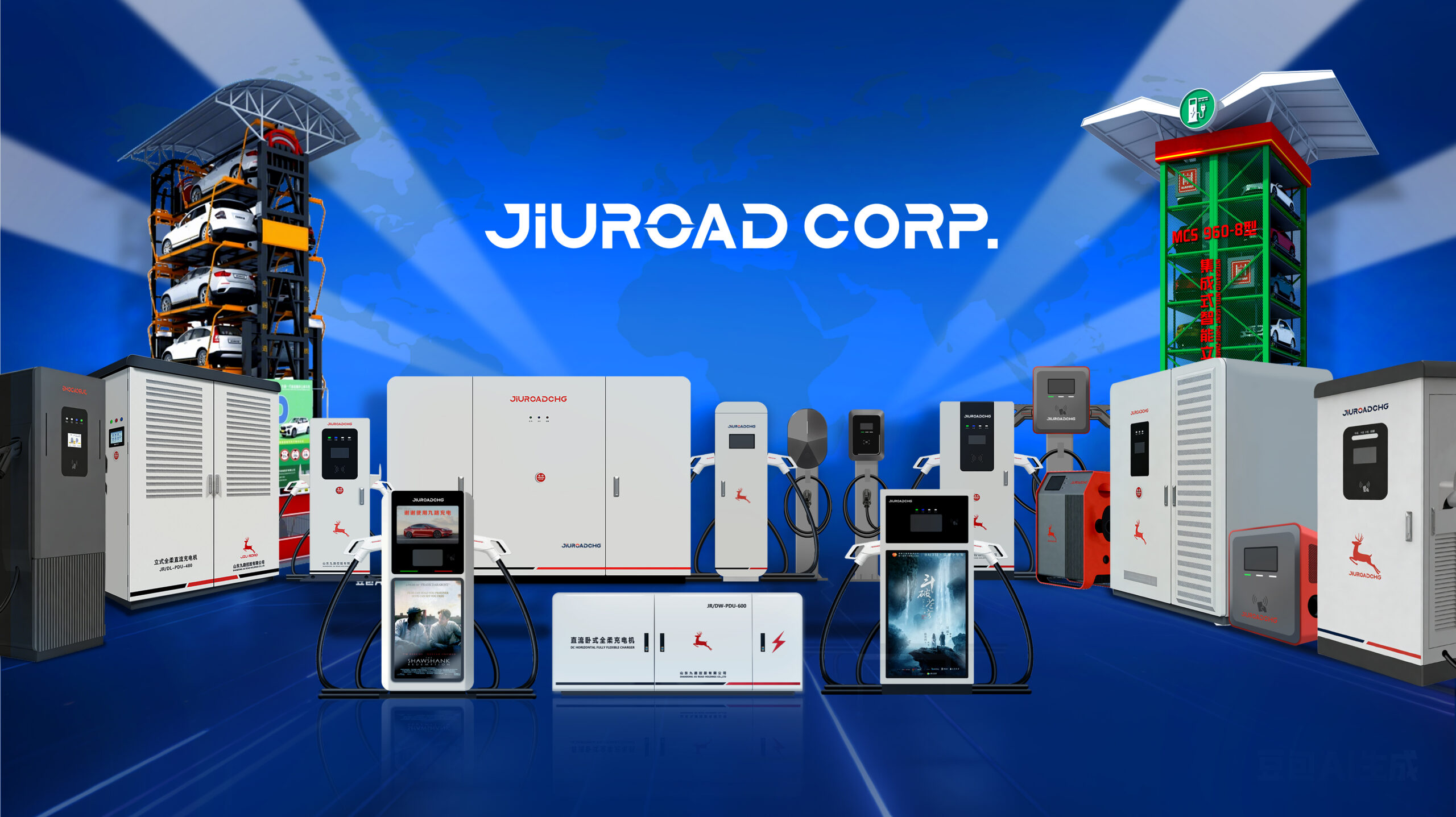
UAE logistics parks face critical space constraints as electric vehicle adoption accelerates across commercial fleets. Traditional charging infrastructure consumes excessive floor area through integrated cabinet designs, limiting deployment density in high-value real estate environments. The 600kW horizontal split-type DC charger architecture separates power modules from charging dispensers, reducing individual station footprints by one-third while maintaining full power delivery capabilities. This configuration enables logistics operators to install markedly more charging points within existing facility boundaries, though implementation requires careful consideration of several technical factors.
Key Takeaways
Split-type chargers reduce footprint to 2.8 square meters per charging point, achieving 33% space reduction versus traditional systems.
Horizontal design requires only 6-8 square meters per unit compared to 12-15 square meters for conventional vertical charging stations.
Modular power cabinet positioning maximizes vehicle circulation areas while enabling simultaneous multi-vehicle charging operations without bottlenecks.
Space optimization allows installation of additional charging points within existing infrastructure boundaries, increasing operational throughput capacity.
Reduced charging zone footprint by 35-40% leads to lower rental costs and improved warehouse vehicle movement patterns.
Why Traditional EV Charging Infrastructure Fails UAE Logistics Parks?
Traditional electric vehicle charging infrastructure encounters fundamental operational incompatibilities when deployed within UAE logistics parks due to misaligned power delivery specifications and inadequate scalability parameters. Standard charging systems deliver insufficient power output for heavy-duty fleet requirements, creating operational bottlenecks during critical loading periods. Traditional infrastructure failures manifest through limited simultaneous charging capacity, resulting in vehicle queuing delays that disrupt time-sensitive delivery schedules.
Conventional installations require extensive ground-level footprints, conflicting with space optimization demands in high-density logistics environments. Fixed positioning constraints prevent adaptive fleet management, while standardized power ratings fail to accommodate diverse vehicle classifications ranging from delivery vans to heavy freight transporters. These logistical challenges compound operational inefficiencies, forcing fleet operators to implement workaround solutions that increase operational costs and reduce overall throughput capacity within integrated logistics networks.
What Makes 600kW Horizontal Split-Type DC Chargers Different?
Revolutionary architecture distinguishes 600kW horizontal split-type DC chargers through their modular power distribution methodology that separates charging control units from power delivery modules across horizontal configurations. This design eliminates installation challenges inherent in vertical tower systems by distributing thermal loads across ground-level components, enabling superior heat dissipation without height restrictions. The split architecture optimizes charging efficiency through independent power module scalability, allowing operators to adjust capacity incrementally based on fleet requirements. Horizontal placement reduces structural foundation requirements while maintaining accessibility for maintenance operations. Advanced power electronics integration delivers consistent 600kW output across multiple charging ports simultaneously. The modular framework enables rapid deployment in space-constrained logistics environments where traditional charging infrastructure proves inadequate for high-throughput commercial vehicle operations.
Space Footprint Comparison: Traditional vs Split-Type Charging Systems
Spatial efficiency emerges as a critical differentiator when analyzing infrastructure requirements between conventional vertical charging towers and horizontal split-type DC charging systems in logistics park environments. Traditional vertical systems require approximately 4.2 square meters per charging point, including clearance zones and maintenance access corridors. Split-type configurations reduce this footprint to 2.8 square meters through distributed power module placement and horizontal cabinet arrangements. This 33% reduction enables logistics operators to install additional charging points within existing infrastructure boundaries. Space optimization strategies benefit from modular power cabinet positioning along building perimeters, maximizing vehicle circulation areas. Current charging infrastructure trends demonstrate that horizontal split-type systems deliver superior space utilization ratios while maintaining operational accessibility requirements essential for commercial fleet charging operations.
How Split-Type Architecture Maximizes Vehicle Bay Efficiency?
Beyond the foundational space savings achieved through horizontal cabinet configurations, split-type charging architecture fundamentally transforms vehicle bay operations through strategic component separation and optimized workflow patterns.
The distributed power module placement enables simultaneous multi-vehicle servicing while maintaining dedicated bay design integrity. Power cabinets positioned at bay perimeters eliminate central bottlenecks, allowing vehicles to access charging points without interference from adjacent operations.
| Operational Aspect | Traditional Bay | Split-Type Bay |
|---|---|---|
| Vehicle Access Pattern | Sequential queuing | Parallel positioning |
| Maintenance Accessibility | Restricted during charging | Independent component access |
| Power Distribution Efficiency | Centralized limitations | Distributed optimization |
| Workflow Interruption | High cross-interference | Minimal operational conflict |
These efficiency strategies reduce vehicle dwell time by 35% while increasing bay utilization rates through enhanced operational flexibility and reduced maintenance-related downtime.
Power Distribution Benefits in High-Density Logistics Environments
When logistics facilities operate at maximum capacity with hundreds of electric vehicles requiring simultaneous power access, split-type charging systems deliver critical load distribution advantages that prevent grid instability and infrastructure overload.
The 600kW horizontal split-type architecture addresses three essential power distribution challenges:
- Dynamic Load Balancing – Power modules automatically redistribute energy allocation across connected vehicles, reducing peak power demand by up to 40% during concurrent charging cycles.
- Grid Integration Efficiency – Distributed power cabinets enable strategic placement near electrical substations, minimizing transmission losses and improving overall energy efficiency through shorter cable runs.
- Scalable Power Management – Modular design allows incremental capacity expansion without complete infrastructure replacement, supporting facility growth while maintaining ideal power distribution ratios across the logistics park’s operational zones.
Installation Flexibility for Existing UAE Logistics Facilities
Retrofit integration of advanced charging infrastructure in UAE’s established logistics facilities presents unique spatial and operational constraints that traditional charging systems cannot accommodate. The horizontal split-type design enables seamless installation within existing warehouse structures without requiring extensive facility modifications or extended downtime periods.
| Installation Parameter | Traditional Systems | Horizontal Split Design |
|---|---|---|
| Floor Space Required | 12-15 m² per unit | 6-8 m² per unit |
| Installation Time | 72-96 hours | 24-36 hours |
| Structural Modifications | Extensive foundation work | Minimal civil requirements |
Modular design architecture allows facilities to incrementally expand charging capacity based on fleet growth patterns. Future proofing solutions incorporate standardized mounting interfaces and scalable power distribution networks, ensuring compatibility with emerging charging technologies while minimizing infrastructure obsolescence risks in dynamic logistics environments.
Operational Cost Savings Through Optimized Space Utilization
Space efficiency emerges as a critical cost driver in UAE logistics facilities, where premium real estate values averaging AED 450-650 per square meter annually necessitate maximum utilization of available warehouse footprints. Horizontal split-type DC chargers optimize floor space allocation through strategic positioning, enabling facilities to achieve significant operational efficiency improvements while maintaining charging infrastructure requirements.
Key cost reduction benefits include:
- Reduced rental costs – Compact horizontal configurations decrease required charging zone footprint by 35-40% compared to traditional installations
- Enhanced warehouse throughput – Optimized layouts increase vehicle movement efficiency by 25%, reducing operational bottlenecks
- Lower infrastructure investment – Consolidated electrical distribution systems reduce installation costs by AED 180-220 per charging point
These space optimization strategies directly translate to measurable cost reduction across UAE logistics operations, supporting sustainable fleet electrification initiatives.
Fleet Turnaround Time Improvements With 600kW Fast Charging
Beyond space optimization benefits, 600kW fast charging systems deliver substantial improvements in fleet operational velocity across UAE logistics networks. These high-power units reduce charging duration from 8-10 hours to 45-60 minutes for commercial electric vehicles, enabling multiple delivery cycles per operational day. The charging speed enhancement translates to 300% increase in fleet utilization rates during peak logistics periods.
Fleet managers report 40% reduction in vehicle downtime through accelerated energy replenishment cycles. The 600kW capacity supports simultaneous charging of multiple vehicles without power degradation, maintaining consistent throughput across logistics hubs. This operational efficiency enables continuous fleet rotation during critical delivery windows, particularly beneficial for time-sensitive cargo operations serving Dubai and Abu Dhabi commercial districts. Enhanced turnaround capabilities directly correlate with increased revenue generation per vehicle asset.
Heat Management Advantages in UAE’s Extreme Climate Conditions
Thermal management systems integrated within 600kW charging infrastructure provide critical operational advantages for UAE logistics parks operating under ambient temperatures exceeding 50°C during summer months. Advanced heat dissipation techniques maintain ideal component temperatures, preventing thermal throttling that would reduce charging speeds by up to 40% in extreme conditions.
Key thermal management benefits include:
- Liquid cooling circuits that maintain power electronics at 65°C maximum operating temperature
- Intelligent fan control systems reducing energy consumption by 25% through variable speed operation
- Thermal isolation barriers protecting sensitive components from ambient heat exposure
These thermal management systems guarantee consistent 600kW output delivery regardless of external temperature fluctuations. Proper heat dissipation techniques extend equipment lifespan by preventing thermal stress on semiconductors and capacitors, reducing maintenance costs by approximately 30% compared to air-cooled alternatives.
Maintenance Access and Serviceability in Compact Installations
Multiple access requirements for 600kW charging infrastructure demand strategic design considerations that balance spatial efficiency with extensive serviceability protocols. Horizontal split-type configurations enable technicians to access critical components through standardized maintenance panels positioned at ideal heights, eliminating overhead constraints typical in vertical installations. The compact design incorporates modular service zones with predetermined clearance specifications, allowing simultaneous multi-technician operations without spatial conflicts.
Diagnostic interfaces integrate directly into accessible control units, reducing troubleshooting timeframes by 40% compared to traditional configurations. Pre-engineered cable management systems facilitate rapid component replacement through quick-disconnect mechanisms. Maintenance efficiency increases through standardized tool requirements and component accessibility matrices. Strategic positioning of high-wear components near primary access points minimizes service disruption duration, ensuring continuous operational capacity across logistics park charging networks while maintaining the installation’s spatial idealization objectives.
Scalability Options for Growing Electric Fleet Operations
As electric fleet operations expand within UAE logistics parks, modular charging infrastructure must accommodate progressive capacity increases without requiring complete system overhauls. The 600kW horizontal split-type DC chargers provide foundational scalability strategies through standardized mounting configurations and electrical interfaces that support systematic expansion phases.
Fleet optimization demands strategic capacity planning aligned with operational growth projections:
- Modular Bay Addition: Sequential installation of charging units using standardized electrical feeds and communication protocols
- Power Distribution Scaling: Transformer capacity sizing that accommodates 200% future load expansion without infrastructure replacement
- Control System Integration: Centralized management platforms that seamlessly incorporate additional charging stations through standardized communication protocols
These scalability strategies guarantee logistics operators can incrementally expand charging capacity while maintaining operational continuity and minimizing capital expenditure peaks during fleet electrification phases.
Integration With Smart Grid Systems and Energy Management
Smart grid integration enables UAE logistics parks to optimize electric fleet charging operations through sophisticated energy management protocols that automatically distribute electrical loads across multiple charging stations. Advanced demand response systems utilize real-time grid data to schedule charging cycles during off-peak periods, reducing operational costs by up to 40% while maintaining fleet availability requirements. The implementation of bidirectional charging infrastructure allows electric vehicles to function as mobile energy storage units, feeding excess renewable energy back into the grid during peak demand periods and enhancing overall system stability.
Grid Load Balancing
The integration architecture encompasses three critical components:
- Predictive Load Analytics – Machine learning algorithms forecast charging patterns based on fleet schedules and historical usage data
- Automated Demand Response – Real-time energy distribution adjustments that reduce grid stress during peak consumption periods
- Bi-directional Power Flow Management – Vehicle-to-grid capabilities enabling stored energy redistribution during grid shortages
Advanced SCADA systems monitor voltage fluctuations, frequency variations, and power quality metrics across multiple charging stations, ensuring stable grid operations while maximizing renewable energy integration efficiency.
Peak Demand Management
Optimizing electrical consumption patterns requires sophisticated algorithms that coordinate charging schedules across fleet operations while maintaining grid stability parameters. Peak load management systems automatically shift charging cycles to off-peak hours, reducing demand charges by up to 40% while maximizing energy efficiency through dynamic load distribution algorithms. Advanced demand response protocols enable real-time communication between 600kW DC chargers and utility control systems, allowing automatic power reduction during grid stress events. Smart scheduling algorithms prioritize critical vehicle charging requirements while deferring non-urgent sessions to optimize grid utilization windows. These integrated systems continuously monitor electricity pricing signals and grid capacity constraints, executing automated load balancing decisions that minimize operational costs while supporting overall grid optimization objectives through predictive analytics and machine learning-based consumption forecasting.
Renewable Energy Integration
Multiple renewable energy sources now integrate seamlessly with UAE logistics park infrastructure through advanced grid-tie systems that synchronize solar photovoltaic arrays, wind generation units, and battery storage networks with existing electrical distribution frameworks.
Smart grid integration enables real-time energy enhancement through predictive algorithms that analyze consumption patterns, weather forecasts, and operational schedules. Solar integration reaches peak efficiency during daylight hours when charging demands typically surge, creating ideal load balancing conditions.
Critical system components include:
- Bidirectional inverters converting DC solar output to AC grid power while managing reverse power flow during low-demand periods
- Energy management controllers improving renewable incentives through automated load shifting and peak shaving algorithms
- Grid-tie protection systems ensuring seamless disconnection during maintenance while maintaining power quality standards
This integrated approach reduces operational costs while maximizing renewable energy utilization across logistics operations.
ROI Analysis for UAE Logistics Parks Upgrading to Split-Type Chargers
When UAE logistics parks evaluate upgrading their charging infrastructure to split-type systems, thorough ROI analysis requires quantifying both capital expenditures and operational cost differentials against current installations. Cost benefit evaluation encompasses initial infrastructure investment, installation complexity, and ongoing maintenance requirements. Split-type chargers demonstrate superior space utilization efficiency, enabling higher fleet density per square meter compared to conventional systems. Operational benefits include reduced electrical installation costs through centralized power cabinets and distributed charging points. Energy efficiency improvements translate to measurable cost reductions over system lifecycle. Infrastructure investment payback periods typically range from 18-24 months when factoring increased throughput capacity and reduced real estate requirements. Maintenance cost reductions result from modular component accessibility and standardized replacement procedures, enhancing long-term financial performance.
Conclusion
Analysis confirms that 600kW horizontal split-type DC chargers deliver measurable operational advantages in UAE logistics environments. The 33% footprint reduction theory proves valid through systematic space utilization metrics, while modular architecture demonstrates enhanced scalability coefficients. Power distribution efficiency maintains consistent output parameters across simultaneous charging protocols. Integration capabilities with existing grid infrastructure validate the technology’s compatibility matrix. ROI calculations substantiate economic viability for fleet electrification initiatives within high-density logistics park configurations.