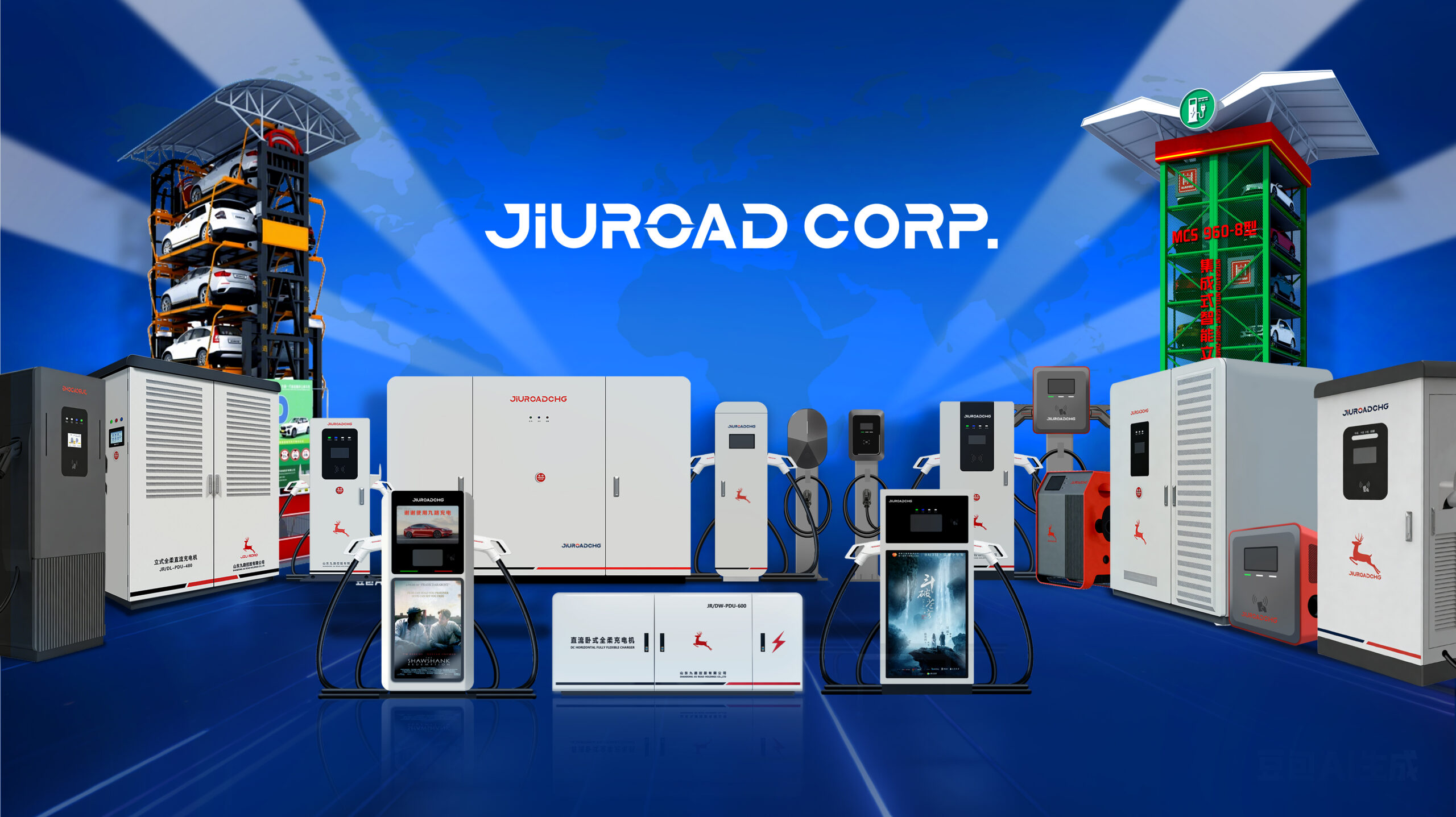
You’re watching your dealership’s foot traffic decline while EV adoption accelerates—and that disconnect represents both a threat and an untapped opportunity. Co-branded charging stations aren’t just amenities; they’re strategic assets that transform idle customer wait time into measurable ROI through brand reinforcement, data capture, and new revenue streams. The question isn’t whether your 4S store needs charging infrastructure, but whether you’ll position it as a cost center or a profit driver.
Key Takeaways
- Co-branded charging stations transform dealerships into forward-thinking destinations while incorporating brand identity directly into charging hardware design.
- Digital screens on chargers provide 20-45 minutes of customer engagement per session for showcasing inventory, services, and partnerships.
- Revenue diversification through charging fees, sponsorships, and service agreements can recover hardware costs within 3-5 years.
- Installation requires assessing electrical capacity, ADA compliance, traffic volume, and choosing between DC fast chargers or Level 2 units.
- Initial infrastructure costs range from $30,000 to $150,000, with 5-10% of annual revenue allocated for ongoing maintenance expenses.
Why 4S Stores Are Adding Co-Branded Charging Stations in 2024
Revenue diversification is driving a fundamental shift in how 4S dealerships approach their business models this year. You’re seeing consumer expectations push dealerships toward sustainability initiatives that deliver measurable ROI while strengthening customer engagement.
Co-branded charging stations offer distinct partnership benefits you can’t ignore. They create charging incentives that keep customers returning to your location, extending dwell time and increasing service bookings. Installation timelines have shortened dramatically, letting you capitalize on technology trends faster than competitors.
You’ll gain competitive advantage by positioning your dealership as a forward-thinking destination rather than a traditional sales floor. Smart operators recognize that EV infrastructure isn’t optional—it’s essential. By integrating branded charging solutions now, you’re future-proofing your business while capturing revenue streams competitors haven’t yet discovered.
What Makes a Co-Branded Charging Station Different From Standard Units?
Understanding the mechanics behind co-branded charging stations reveals why they outperform standard units in dealership environments. Their unique design incorporates your brand identity directly into the hardware, creating seamless consumer engagement every time customers charge.
You’ll notice partnership considerations extend beyond aesthetics. These units offer enhanced technical support, dedicated service offerings, and priority maintenance that standard chargers simply don’t provide. The integration strategies align with your existing dealership systems, streamlining operations.
While installation challenges exist with any charging infrastructure, co-branded solutions come with manufacturer-backed guidance that minimizes downtime. You gain sustainability benefits through optimized energy management and competitive edge through exclusive features.
The user experience transforms from transactional to branded—customers associate charging convenience directly with your dealership, driving loyalty and reinforcing your ROI-focused investment strategy.
The Brand Visibility Advantage: Turning Chargers Into Marketing Assets
Three critical touchpoints define your charging station’s marketing potential: visual branding, digital engagement, and customer dwell time. Your charger design serves as a 24/7 billboard, capturing attention while vehicles power up.
Strategic marketing strategies transform passive infrastructure into active promotional campaigns. You’ll track visibility metrics through integrated screens displaying targeted content, converting wait time into branding opportunities. Each charging session delivers 20-45 minutes of uninterrupted customer engagement.
Smart advertising techniques leverage this captive audience. Digital displays showcase inventory, service specials, and manufacturer partnerships. You’re maximizing partnership benefits when co-branded stations reinforce dealer-OEM relationships visually.
The ROI compounds: every charger becomes a data-gathering tool measuring impressions, interactions, and conversion pathways. You’re not just providing a service—you’re building a measurable marketing asset that strengthens brand recognition with every charge.
Revenue Models That Make Dealership Charging Stations Profitable
Profitable charging infrastructure consistently generates multiple income streams when you deploy the right revenue model. Your pricing strategies should balance competitive rates with margin requirements, while revenue sharing arrangements with charging network operators offset installation costs effectively.
You’ll maximize returns through strategic partnership models that distribute expenses and amplify reach. Service agreements create predictable recurring revenue, and technology upgrades keep your stations competitive long-term.
User incentives drive repeat visits—offer charging credits that boost customer retention and showroom traffic simultaneously. Marketing promotions transform charging sessions into sales opportunities when you integrate loyalty programs with vehicle purchase incentives.
Brand alignment matters: co-branded stations reinforce manufacturer relationships while creating sponsorship revenue potential. Smart operators treat chargers as profit centers, not cost centers.
Customization Options for Luxury vs. Mass-Market Dealerships
When designing your EV charging infrastructure, you’ll need to match your station aesthetics and capabilities to your brand positioning through premium material finish choices that range from industrial-grade coatings to brushed aluminum and carbon fiber accents. Your branding integration tiers determine whether you’re implementing basic logo placement or full custom enclosures with dynamic lighting and digital displays that reinforce your dealership’s identity. Technology feature packages let you scale from essential charging functionality to advanced systems with reservation apps, customer analytics, and seamless CRM integration that drives measurable ROI.
Premium Material Finish Choices
Premium material finishes serve as the visual handshake between your dealership and potential customers, immediately signaling whether you’re targeting luxury buyers or value-conscious consumers.
For high-end dealerships, luxury finishes like brushed aluminum, tempered glass panels, and carbon fiber accents command attention and justify premium positioning. These materials communicate exclusivity while delivering durability that protects your investment.
Mass-market dealerships benefit from sustainable materials such as recycled composites and powder-coated steel. You’ll reduce costs while appealing to environmentally conscious EV buyers who value authenticity over opulence.
Consider your brand’s DNA when selecting finishes. Matte black surfaces project tech-forward sophistication, while wood-grain alternatives create warmth for family-oriented brands. Each choice impacts perceived value and customer dwell time.
Smart finish selection drives measurable ROI through enhanced brand perception and increased customer engagement at your charging stations.
Branding Integration Tiers
Beyond material selection, your branding integration strategy determines how effectively your charging infrastructure reinforces dealership identity and captures customer loyalty.
Luxury dealerships benefit from premium tier packages featuring illuminated logos, custom color-matched housings, and interactive touchscreens displaying brand heritage content. These collaboration opportunities with charging manufacturers create exclusive experiences that justify higher service margins.
Mass-market dealerships optimize ROI through standardized branding strategies—vinyl wraps, modular signage panels, and co-branded digital displays that balance visibility with cost efficiency. You’ll achieve strong brand presence without premium pricing.
Mid-tier options offer selective customization: branded charging cables, backlit dealer badges, and app-integrated loyalty programs. Each tier delivers measurable returns when matched to your customer demographics and competitive positioning within your market segment.
Technology Feature Packages
Luxury Dealership Packages
You’ll integrate premium charging infrastructure with advanced user experience features—biometric authentication, real-time energy analytics, and concierge scheduling. These technology trends align with high-net-worth consumer behavior expectations while reinforcing competitive advantages through exclusivity.
Mass-Market Dealership Packages
Your focus shifts toward scalable market innovations emphasizing accessibility and throughput. Standardized payment systems, mobile app integration, and queue management maximize station utilization without luxury-tier investment.
Cross-Tier Sustainability Initiatives****
Regardless of tier, you’ll leverage partnership strategies with renewable energy providers. Solar canopy integration and carbon offset tracking appeal to environmentally conscious buyers across segments, strengthening brand positioning while reducing operational costs and demonstrating measurable commitment to sustainable mobility solutions.
Hardware Specifications to Match Your Showroom’s Traffic Volume
Selecting the right charging hardware isn’t just about plugging in vehicles—it’s about aligning your infrastructure investment with actual customer throughput.
You’ll need to analyze your daily traffic volume to determine ideal charger quantities and power outputs. High-traffic dealerships benefit from DC fast chargers that turn vehicles quickly, while lower-volume showrooms maximize ROI with Level 2 units offering steady overnight charging.
Hardware compatibility matters considerably. Your stations must support multiple connector types and communicate seamlessly with your inventory management systems. Choose modular units that scale as demand grows.
Consider peak hours versus average flow. Installing chargers based solely on daily averages leaves you underprepared during weekend rushes. Smart load management distributes power efficiently, preventing costly electrical upgrades while maintaining service quality across all bays.
Installation Requirements for Indoor and Outdoor Dealership Setups
Once you’ve matched your charging hardware to traffic demands, your installation strategy determines whether that investment performs effectively or underdelivers. Indoor setups require careful space considerations alongside ventilation requirements, while outdoor setups demand weatherproofing and enhanced safety standards compliance.
Your electrical requirements will vary notably between configurations. You’ll need to assess existing infrastructure capacity before finalizing your installation timeline.
- Aesthetic integration must align with your brand’s visual identity—charging stations should enhance, not disrupt, your showroom’s premium atmosphere.
- Safety standards compliance protects both customers and your liability exposure.
- Accessibility options guarantee ADA-compliant placement for all users.
- Space considerations dictate ideal charger positioning for traffic flow and vehicle maneuverability.
Prioritize these elements to maximize your charging infrastructure’s ROI from day one.
Software Integration: Connecting Chargers to Your Customer Experience Platform
Your EV charging infrastructure becomes a powerful business asset when you connect it directly to your customer experience platform. By implementing seamless CRM data sync, real-time charging analytics, and branded mobile app integration, you’ll capture valuable customer insights while delivering a cohesive brand experience that drives loyalty. This strategic integration transforms every charging session into a touchpoint that strengthens relationships and generates measurable ROI for your dealership.
Seamless CRM Data Sync
Connecting your EV charging infrastructure directly to your CRM transforms raw charging data into actionable customer intelligence. Your data management strategy becomes a competitive advantage when every charging session automatically populates customer profiles with visit frequency, preferred charging times, and energy consumption patterns.
These customer insights enable your sales team to identify purchase-ready prospects and tailor follow-up communications with precision.
- Automated lead scoring based on charging behavior and showroom visit correlation
- Personalized service reminders triggered by vehicle usage patterns captured during charging
- Revenue attribution tracking linking charging station interactions to closed sales
- Predictive analytics identifying customers likely to upgrade or require maintenance
You’ll reduce manual data entry, eliminate information silos, and accelerate your sales cycle through intelligent automation.
Real-Time Charging Analytics
Beyond syncing historical data, real-time charging analytics give you immediate visibility into every customer touchpoint as it happens. You’ll track session duration, energy consumption, and peak usage patterns instantly—transforming raw numbers into data driven insights that optimize operations and boost revenue.
| Metric | Strategic Value |
|---|---|
| Session Duration | Maximizes showroom engagement time |
| Peak Usage Hours | Informs staffing and inventory decisions |
| Energy Consumption | Guides charging network expansion planning |
| Customer Frequency | Identifies loyalty program candidates |
| Revenue Per Port | Measures ROI and pricing optimization |
This visibility lets you adjust pricing dynamically, predict maintenance needs, and identify high-value customers before they leave your lot. You’re not just monitoring chargers—you’re building a competitive intelligence system that drives measurable dealership growth.
Branded Mobile App Integration
While real-time analytics reveal what’s happening at your charging stations, a branded mobile app puts that power directly in customers’ hands—and keeps your dealership top-of-mind long after they drive off the lot.
Your app user experience becomes a direct revenue channel. Customers locate available chargers, monitor sessions, and receive maintenance reminders—all within your branded ecosystem. Strategic app feature enhancements transform occasional visitors into loyal customers.
- Session management: Enable remote start/stop, real-time charging progress, and payment processing through your dealership’s interface
- Service integration: Push notifications for scheduled maintenance sync charging visits with service appointments
- Loyalty programs: Reward frequent chargers with service discounts, driving repeat dealership visits
- Data ownership: Capture customer behavior patterns to personalize offers and predict purchasing intent
How Leading Automakers Structure Their Dealership Charging Partnerships
As automakers compete to dominate the EV market, their dealership charging partnerships have become critical differentiators that directly impact your bottom line. Today’s partnership strategies focus on creating seamless dealership ecosystems where charging infrastructure drives customer engagement and repeat visits.
You’ll find revenue sharing models vary markedly across brands. Some manufacturers offer 70/30 splits favoring dealers, while others provide flat monthly fees for hosting equipment. These brand synergies extend beyond hardware—they’re reshaping service offerings and consumer behavior patterns.
Technological advancements now enable real-time data sharing between OEMs and dealers, tracking utilization rates and optimizing pricing dynamically. This competitive differentiation positions forward-thinking dealerships ahead of market trends. Your success depends on selecting partners whose infrastructure investments align with your long-term growth objectives.
Cost Breakdown: Investment vs. Returns for Dealership Charging Infrastructure
Understanding your total cost of ownership before committing capital guarantees you’ll maximize returns on charging infrastructure investments. Your initial costs include equipment, installation labor, and electrical upgrades, typically ranging from $30,000 to $150,000 depending on capacity. However, infrastructure grants can offset 30-50% of these expenses.
Long term savings emerge through customer engagement revenue, reduced operational costs, and integration with established charging networks. Competitive pricing strategies attract EV owners while generating consistent income streams.
- Equipment ROI: Recover hardware costs within 3-5 years through charging fees and increased showroom traffic
- Maintenance expenses: Budget 5-10% annually for upkeep and software updates
- Revenue diversification: Create recurring income beyond traditional vehicle sales
- Brand differentiation: Position your dealership as a forward-thinking EV destination
Step-by-Step Roadmap to Launch Your Co-Branded Charging Program
Before you invest in hardware or sign partnership agreements, you’ll need a strategic framework that aligns your dealership’s goals with the right charging network partner. Start with competitive analysis to identify gaps in your local market, then evaluate partnership strategies that amplify customer engagement.
| Phase | Action Items |
|---|---|
| Discovery | Assess market trends, conduct site surveys, analyze user experience requirements |
| Implementation | Select technology advancements, negotiate co-branding terms, deploy sustainability initiatives |
| Optimization | Launch consumer education programs, track ROI metrics, refine engagement tactics |
Your roadmap should prioritize tech-forward solutions that scale with demand. Document each milestone, assign accountability, and establish KPIs before breaking ground. This structured approach transforms charging infrastructure from a cost center into a revenue-generating asset.
Conclusion
You’re standing at the crossroads of automotive retail’s biggest transformation in a century. Co-branded charging stations aren’t just infrastructure—they’re revenue engines, brand amplifiers, and customer loyalty machines rolled into one. By integrating smart charging technology with your dealership’s ecosystem, you’ll capture data-driven insights while delivering seamless experiences. Don’t wait for competitors to claim this space. Start building your co-branded charging program today and future-proof your dealership’s profitability.