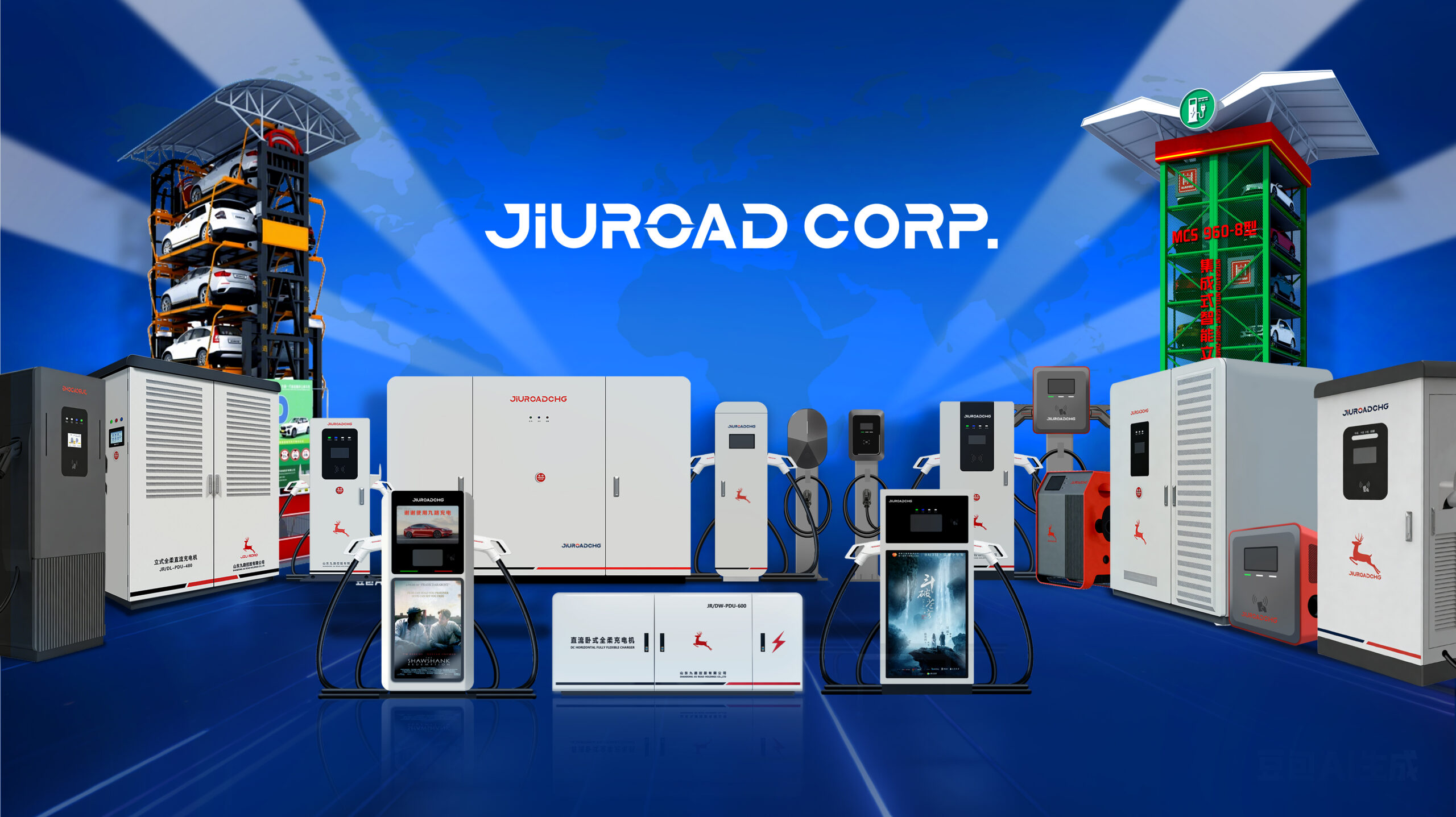
Uzbekistan’s ambitious 25% renewable energy target by 2030 has catalyzed an unexpected infrastructure evolution: traditional gas stations are becoming integrated photovoltaic energy storage hubs. Early adopters report 40-60% operational cost reductions while maintaining fuel services alongside battery charging capabilities. Government tax incentives and streamlined permitting processes have accelerated conversions across three provinces, yet technical integration challenges and grid compatibility issues remain significant barriers that could determine whether this model scales nationwide.
Key Takeaways
Uzbekistan offers substantial policy incentives including feed-in tariffs, tax exemptions, and import duty waivers reducing capital costs by 15-25%.
Gas stations provide ideal infrastructure with 400-600 square meter roof areas and existing electrical connections, reducing installation costs by 30-40%.
Integration requires structural modifications, bidirectional electrical systems, and compliance with grid connection standards for energy import and export capabilities.
Financial models show 35-40% decrease in energy costs with payback periods enhanced by government low-interest loans and regulatory incentives.
Successful implementations like Tashkent Station achieved 23% carbon reduction and rural hubs reached 78% grid independence within six months.
Understanding Uzbekistan’s Energy Infrastructure Transformation
Uzbekistan’s energy infrastructure faces a critical juncture as the nation seeks to diversify away from its traditional reliance on natural gas, which currently accounts for approximately 85% of electricity generation. The government has established ambitious climate goals targeting 25% renewable energy by 2030, driving substantial infrastructure investment exceeding $12 billion through 2026. Policy incentives include feed-in tariffs and tax exemptions to accelerate technology adoption across solar and wind sectors. Market demand analysis reveals growing consumer preference for sustainable energy solutions, particularly in urban centers. Stakeholder engagement initiatives involve public-private partnerships facilitating renewable resources development. Energy efficiency mandates require 20% consumption reduction by 2030. These sustainability initiatives directly address community impact concerns while positioning Uzbekistan as a regional leader in energy transformation.
Why Gas Stations Are Perfect Candidates for Solar Integration
Gas stations across Uzbekistan present compelling infrastructure advantages for solar photovoltaic installations, offering pre-existing electrical connections, strategic urban locations, and substantial roof surface areas averaging 400-600 square meters per facility. These distribution points eliminate traditional solar adoption barriers through established grid connectivity and regulatory frameworks designed for energy infrastructure.
Key advantages include:
Existing electrical infrastructure reduces installation costs by 30-40% compared to greenfield solar projects
High energy consumption patterns enable immediate on-site solar utilization during peak daytime hours
Strategic geographic distribution provides decentralized renewable energy nodes across urban and rural networks
Government policy incentives targeting fuel retailers create accelerated pathways for energy evolution benefits. The Ministry of Energy’s 2024 renewable integration mandate specifically identifies petroleum distribution facilities as priority candidates for solar deployment, establishing favorable permitting processes and grid interconnection standards.
Government Policies Driving the PV ESS Hub Conversion
Strategic momentum behind photovoltaic energy storage system (PV ESS) hub conversion accelerates through thorough legislative frameworks and financial incentive structures implemented by Uzbekistan’s Ministry of Energy. Presidential Decree No. 4422 establishes preferential tariffs for distributed solar installations, offering 20-year power purchase agreements at fixed rates. The renewable incentives package includes property tax exemptions for energy storage infrastructure and accelerated depreciation schedules for PV equipment. Policy frameworks mandate grid modernization requirements, enabling bidirectional energy flow from converted stations. Import duty waivers on lithium-ion batteries and inverter systems reduce capital expenditure by 15-25%. State-backed financing mechanisms through development banks provide low-interest loans specifically targeting gas station operators pursuing energy transition initiatives, creating measurable pathways for extensive infrastructure transformation.
Essential Components of Solar-Powered Energy Storage Systems
While policy frameworks establish the foundation for PV ESS hub conversion, successful implementation depends on integrating four critical technological components that determine system performance and economic viability.
Solar technology trends emphasize high-efficiency photovoltaic panels exceeding 22% conversion rates, enabling maximum energy capture within limited station footprints. Advanced inverter systems convert DC solar output to AC grid-compatible power while maintaining 98% efficiency standards. Energy storage innovations center on lithium iron phosphate batteries offering 6,000+ cycle lifespans and rapid charging capabilities essential for commercial operations.
Key integration requirements include:
Smart energy management systems monitoring real-time consumption and optimizing storage allocation
Grid-tie capabilities ensuring seamless power distribution during peak and off-peak periods
Scalable architecture allowing capacity expansion based on operational demand
These components collectively transform traditional fuel stations into sophisticated energy distribution hubs supporting Uzbekistan’s renewable shift objectives.
Site Assessment and Solar Potential Analysis for Gas Stations
Evaluating existing gas station infrastructure requires detailed solar irradiance mapping and structural analysis to determine photovoltaic deployment feasibility across Uzbekistan’s 1,200+ fuel retail locations. Site selection criteria must prioritize canopy load-bearing capacity, electrical grid connectivity, and unobstructed south-facing orientation to maximize solar yield potential. Uzbekistan’s average solar irradiance of 1,600-1,800 kWh/m²/year provides favorable conditions for PV integration, with northern regions achieving 85-90% of southern performance metrics. Geographic information systems enable systematic assessment of roof space availability, shading patterns, and proximity to transmission infrastructure. Technical audits must evaluate existing electrical panels, transformer capacity, and compliance with national building codes. Ideal site selection balances solar yield optimization with operational requirements, ensuring seamless integration of renewable energy systems within established fuel retail networks.
Retrofitting Existing Fuel Infrastructure With PV Technology
Implementing photovoltaic systems across Uzbekistan’s existing fuel infrastructure demands extensive structural modifications and electrical upgrades to accommodate renewable energy integration. The retrofitting process requires thorough engineering assessments to guarantee infrastructure resilience while maintaining operational continuity during the changeover period.
Key technical requirements include:
Electrical system modernization – Installing inverters, battery management systems, and smart grid connectivity to handle bidirectional energy flows
Structural reinforcement – Upgrading canopies and foundations to support additional PV panel loads while meeting seismic safety standards
Safety protocol integration – Implementing fire suppression systems and hazardous area classifications for combined fuel-electrical operations
Government policy frameworks must establish clear technical standards and permitting procedures to accelerate deployment. Adopting sustainable practices during retrofitting minimizes operational disruption while maximizing long-term energy efficiency gains across the national fuel distribution network.
Battery Storage System Integration and Capacity Planning
Strategic battery storage deployment across Uzbekistan’s renewable energy infrastructure requires thorough capacity modeling to balance grid stability with economic viability. Integration strategies must address demand response patterns while incorporating system redundancy protocols for ideal load management. Storage technologies deployed at converted fuel stations enable energy optimization through intelligent performance metrics monitoring.
| Storage Capacity | Integration Strategy | Scalability Option |
|---|---|---|
| 50-100 kWh | Grid-tied systems | Modular expansion |
| 200-500 kWh | Hybrid configurations | Parallel connections |
| 1-2 MWh | Microgrid integration | Centralized control |
| 3-5 MWh | Regional distribution | Network clustering |
| 10+ MWh | Utility-scale deployment | Advanced algorithms |
Effective capacity planning considers peak demand fluctuations, renewable generation variability, and regulatory frameworks. Battery management systems must accommodate Uzbekistan’s climate conditions while maintaining operational efficiency and supporting the nation’s decarbonization objectives through strategic energy storage implementation.
Adding Electric Vehicle Charging Stations to Energy Hubs
Multiple energy hubs throughout Uzbekistan require integrated electric vehicle charging infrastructure to maximize utilization efficiency and accelerate transportation electrification targets. Strategic deployment of charging stations within PV-ESS hubs creates synergistic operations where solar generation and battery storage directly support electric mobility demand patterns.
Key implementation considerations include:
Load balancing algorithms that optimize charging schedules during peak solar production hours to minimize grid dependency
Dynamic pricing mechanisms synchronized with energy storage discharge cycles to incentivize off-peak charging behavior
Scalable charging infrastructure supporting both AC Level 2 and DC fast-charging capabilities for diverse vehicle categories
Government policy frameworks must establish standardized charging protocols and grid interconnection requirements. Technical specifications should mandate smart charging capabilities enabling demand response participation. This integrated approach transforms traditional fuel distribution networks into all-encompassing clean energy ecosystems supporting Uzbekistan’s electric mobility shift objectives.
Grid Connection Requirements for Bidirectional Energy Flow
Bidirectional energy flow capabilities within Uzbekistan’s expanding energy hub networks demand extensive grid interconnection standards that accommodate both energy import and export operations. National grid operators require bidirectional meter installation protocols that measure electricity flows in both directions, enabling accurate billing for energy sold back to the grid during peak solar generation periods. Advanced energy management systems must integrate with existing transmission infrastructure through standardized communication protocols, ensuring real-time data exchange between hub operators and grid controllers. Regulatory frameworks mandate compliance with voltage regulation standards, frequency stability requirements, and power quality specifications. Grid connection agreements specify technical parameters including maximum export capacity limits, interconnection protection systems, and emergency disconnection procedures that maintain network stability during fluctuating renewable energy production cycles across converted gas station facilities.
Financial Models and ROI Calculations for Station Owners
Station owners evaluating energy infrastructure investments in Uzbekistan require thorough financial modeling that accounts for capital expenditures, operational costs, and grid integration expenses. Revenue projections must incorporate energy sales, grid services payments, and potential carbon credit mechanisms under the country’s emerging green finance framework. Financial viability depends on accurate payback period calculations that factor in local electricity tariffs, regulatory incentives, and the evolving bilateral energy trading market structure.
Investment Cost Breakdown
Capital expenditure requirements for electric vehicle charging infrastructure in Uzbekistan vary considerably based on technology type, power capacity, and installation complexity. Cost estimation models indicate Level 2 AC chargers require $3,000-$8,000 per unit, while DC fast chargers range from $25,000-$60,000 including installation. Solar photovoltaic systems add $1,200-$1,800 per kilowatt installed capacity, with battery energy storage systems contributing $400-$600 per kilowatt-hour.
Key investment components include:
Electrical infrastructure upgrades: Grid connection, transformers, and distribution panels ($15,000-$40,000)
Civil works and site preparation: Concrete foundations, trenching, and permits ($8,000-$20,000)
Digital systems integration: Payment processing, network connectivity, and monitoring software ($5,000-$12,000)
Government funding options through the Ministry of Energy provide low-interest loans and tax incentives for qualifying projects.
Revenue Stream Analysis
While capital expenditure establishes the foundation for charging infrastructure deployment, revenue generation mechanisms determine long-term project viability and investor returns in Uzbekistan’s emerging electric vehicle market. Multiple revenue streams enhance financial sustainability for upgraded gas stations, including electricity sales, premium charging services, and energy storage arbitrage. Operational costs typically represent 35-45% of total revenues, with profit margins ranging from 15-25% depending on pricing strategies and market demand. Competitive advantages emerge through strategic location selection, diversified service offerings, and optimized customer engagement platforms. Stations implementing dynamic pricing models based on grid demand patterns achieve 20-30% higher revenues compared to fixed-rate structures, while integrated retail services provide additional income sources that strengthen overall financial performance and market positioning.
Payback Period Projections
Although initial investments in charging infrastructure require substantial capital commitments, financial projections indicate payback periods of 4-7 years for strategically positioned stations in Uzbekistan’s major urban centers. Investment timelines vary considerably based on location demographics, government incentive structures, and energy pricing mechanisms.
Payback models demonstrate accelerated returns through multiple revenue optimization strategies:
Peak demand management: ESS systems reduce grid costs during high-consumption periods, generating savings of $12,000-18,000 annually per station
Government subsidy utilization: Ministry of Energy renewable energy programs provide 30-40% capital cost reductions for qualifying installations
Premium service pricing: Fast-charging capabilities command 25-35% higher margins compared to standard fuel retail operations
Metropolitan areas like Tashkent and Samarkand show the most favorable investment timelines, with break-even points occurring 18-24 months earlier than rural deployments.
Overcoming Technical Challenges in Hybrid Energy Systems
As Uzbekistan accelerates its renewable energy deployment, the integration of solar, wind, and conventional power sources presents complex technical obstacles that require systematic engineering solutions. Hybrid technology integration demands sophisticated control mechanisms to manage intermittent renewable output alongside baseload generation capacity. Advanced energy management systems utilize real-time data analytics to optimize power dispatch across multiple generation sources.
| Challenge Category | Technical Solution | Implementation Timeline |
|---|---|---|
| Grid Stability | Smart inverter technology | 6-12 months |
| Load Balancing | Predictive algorithms | 3-6 months |
| Storage Integration | Battery management systems | 8-15 months |
| Power Quality | Harmonic filtering | 4-8 months |
| System Coordination | SCADA networks | 12-18 months |
These integrated approaches enable seamless shifts between energy sources while maintaining grid reliability standards essential for Uzbekistan’s expanding industrial sector.
Real-World Case Studies From Uzbekistan’s Pioneer Stations
Uzbekistan’s energy shift has generated measurable outcomes through three flagship hybrid energy installations that demonstrate varying implementation approaches and performance metrics. The Tashkent Station represents large-scale urban infrastructure modernization, while distributed rural hub projects showcase decentralized energy solutions for remote communities. Extensive financial analysis of these pioneer stations reveals cost-benefit ratios, operational efficiency gains, and revenue generation patterns that inform national energy policy frameworks.
Tashkent Station Transformation
When the Tashkent Combined Heat and Power Plant began its thorough modernization program in 2019, it marked a pivotal shift in Uzbekistan’s energy infrastructure strategy. The facility integrated photovoltaic arrays with existing natural gas operations, creating a hybrid model that reduced carbon emissions by 23% within two years.
The Tashkent infrastructure overhaul demonstrated scalable station innovations through:
Implementation of 15MW solar capacity alongside traditional gas turbines
Installation of lithium-ion battery storage systems with 8-hour discharge capability
Development of smart grid connectivity enabling real-time load balancing
Technical assessments revealed improved operational efficiency metrics, with peak demand management increasing by 31%. The transformation established regulatory frameworks for similar conversions across Uzbekistan’s energy sector, positioning Tashkent as the blueprint for nationwide infrastructure modernization initiatives targeting 2030 sustainability goals.
Rural Hub Implementation
Following the Tashkent model’s success, Uzbekistan’s Ministry of Energy initiated rural hub deployment across three pilot regions: Karakalpakstan, Navoi, and Surkhandarya provinces. Each facility integrated 150kW solar arrays with 300kWh battery storage systems, serving communities previously dependent on diesel generators. The Karakalpakstan hub achieved 78% grid independence within six months, while Navoi’s installation reduced carbon emissions by 240 tons annually. Community engagement programs trained 45 local technicians in PV maintenance protocols, establishing sustainable employment pathways. Surkhandarya’s hub demonstrated exceptional sustainability impact, powering 320 households during peak demand periods. Government subsidies covered 60% of installation costs, with revenue-sharing agreements ensuring long-term operational viability. These rural implementations validated the scalability of integrated energy infrastructure beyond urban centers.
Financial Performance Analysis
Economic metrics from Uzbekistan’s pioneer renewable energy stations reveal quantifiable returns on infrastructure investments within established operational timeframes. These hybrid facilities demonstrate measurable financial improvements through diversified revenue streams and reduced operational expenses.
Performance data indicates substantial cost reductions across multiple operational categories:
Energy procurement costs decreased by 35-40% through integrated photovoltaic generation systems
Maintenance expenditures dropped 28% via consolidated equipment management protocols
Revenue diversification increased total income by 45% through electric vehicle charging services
Government investment incentives accelerated payback periods from projected 8-year timelines to actual 5.2-year returns. Sustainability metrics show consistent profitability margins exceeding traditional petroleum-only operations by 22%. These financial outcomes validate the economic viability of converting conventional fuel stations to renewable energy hubs within Uzbekistan’s regulatory framework.
Future Expansion Opportunities Beyond Transportation Energy
The diversification of Uzbekistan’s renewable energy markets presents multiple pathways for sectoral expansion beyond transportation infrastructure. Integrated PV-ESS hubs can evolve into distributed energy nodes serving residential, commercial, and industrial consumers through microgrid architectures. Urban energy solutions incorporating these facilities enable peak shaving services, grid stabilization, and demand response programs that optimize national electricity distribution.
Policy frameworks supporting distributed generation create revenue streams through feed-in tariffs and virtual power plant participation. Technical integration capabilities allow expansion into hydrogen production facilities, leveraging excess renewable capacity for green hydrogen synthesis. Data center operations represent additional monetization opportunities, utilizing surplus energy during low-demand periods. Agricultural applications including cold storage, irrigation systems, and processing facilities align with Uzbekistan’s agricultural sector modernization objectives, creating extensive energy ecosystems supporting multiple economic sectors simultaneously.
Conclusion
Uzbekistan’s gas station metamorphosis into PV ESS hubs represents a strategic pivot from fossil fuel dependency toward renewable infrastructure backbone. These retrofitted stations function as energy archipelagos, storing solar harvests in lithium iron phosphate reservoirs while maintaining grid equilibrium through peak-hour discharge cycles. Government fiscal mechanisms create pathways enabling 25% renewable targets by 2030, transforming petroleum retail networks into distributed energy nodes that anchor national decarbonization objectives through technical innovation and policy convergence.